
Chlamydia is bacteria that can cause genital, intestinal and/or respiratory infections in humans.
The best known species is Chlamydia trachomatis , which causes numerous sexually and perinatal transmitted infections (STIs).
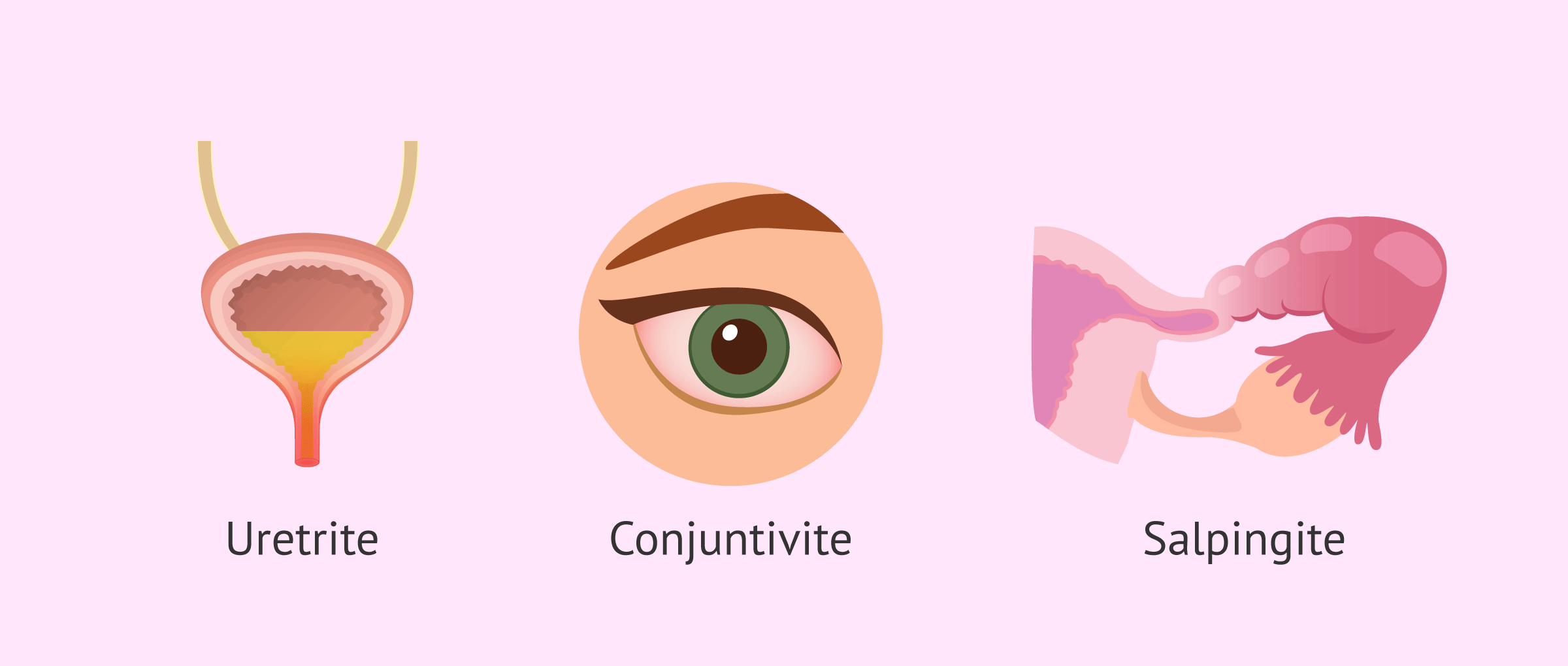
Although some cases of Chlamydia are asymptomatic, the clinical manifestations that may appear in this type of infection are: urethritis, conjunctivitis, salpingitis, among others. In short, Chlamydia is one of the causes of pelvic inflammatory disease (PID) in women.
Chlamydia treatment consists of antibiotics, such as Azithromycin or Doxycycline.
Community and Support
At inviTRA we work to make monthly and rigorous information accessible to everyone. If this article has helped you, consider supporting us so we can continue accompanying more people on their journey to parenthood.
Author

Find the latest news on assisted reproduction in our channels.

