A semenogram and REM are related tests, but they are not the same.
A semenogram —also known as a basic semen analysis— provides an overall assessment of male fertility and is typically the first step in evaluating reproductive potential.
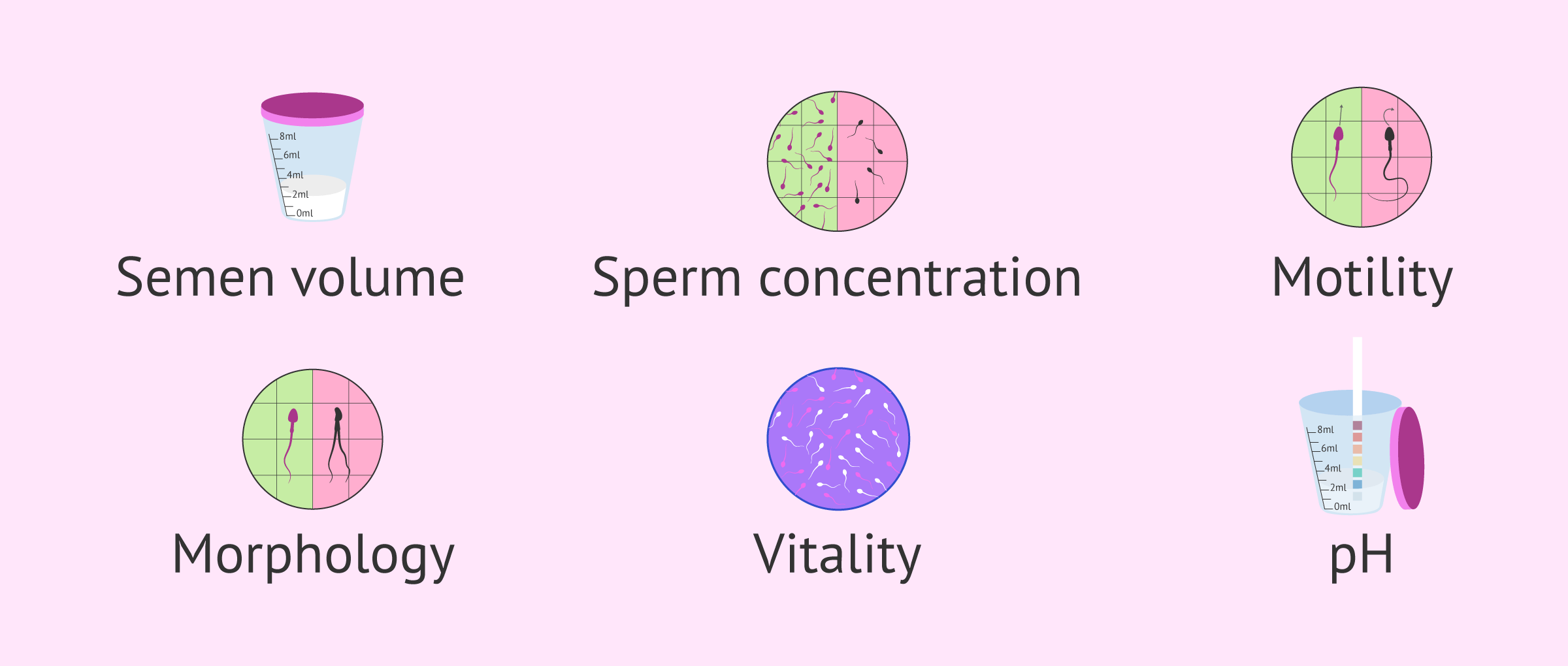
It examines parameters such as:
- Semen volume.
- Sperm concentration.
- Motility.
- Morphology.
- Vitality.
- pH.
REM stands for Recuperación de Espermatozoides Móviles (in Spanish), which translates to Recovered Motile Sperm in English. It is a specialized, preparation technique used in assisted reproduction, often referred to as a "sperm capacitation test".
The result provides the number of motile sperm per milliliter recovered after the washing and centrifugation process of the sample. This parameter is especially important when determining the most appropriate fertility treatment.
In summary, the semenogram offers a complete overview of semen quality, while REM focuses specifically on the number of motile sperm recovered after processing the sample, and plays a key role in treatment planning.