
News
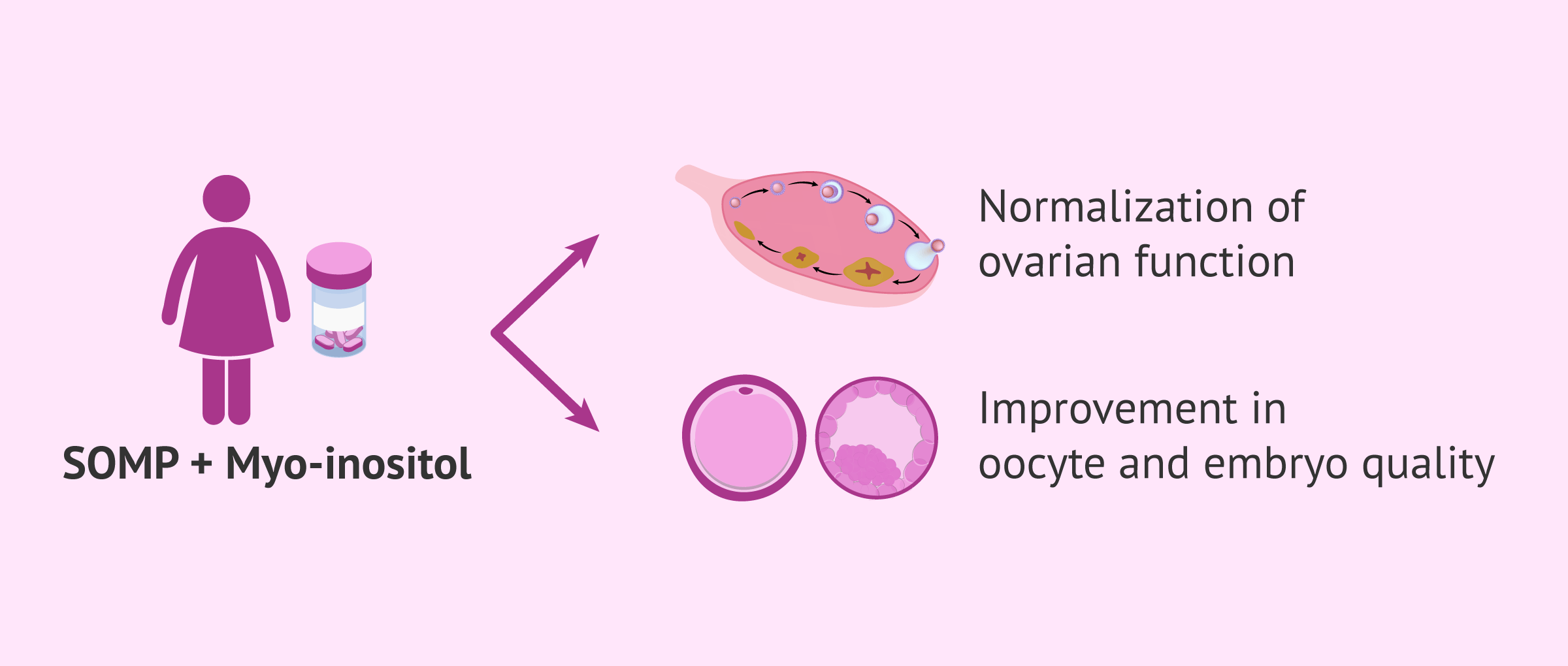
IVF Supplements: The danger of taking them without control
A recent review evaluates the efficacy of supplements during IVF treatments. While Omega-3, Coenzyme Q10, and myo-inositol show benefits to boost fertility, other supplements could compromise endometrial development if taken without clinical supervision.
Read more
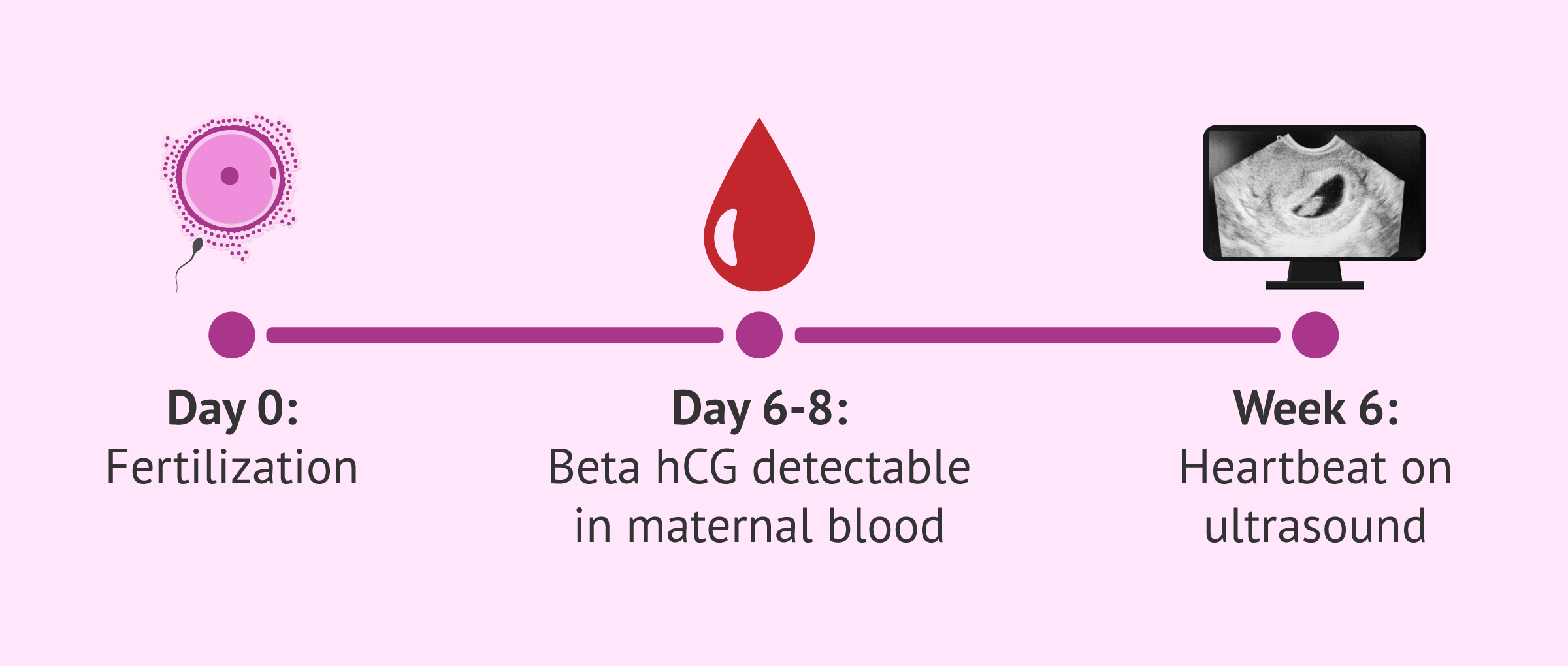
The incredible beta hCG data that defines pregnancy success
A new study establishes that specific early beta hCG hormone figures (such as its doubling in 48 hours) can predict with over 85% accuracy the birth of a baby after in vitro fertilization, providing greater peace of mind compared to traditional ultrasounds.
Read more
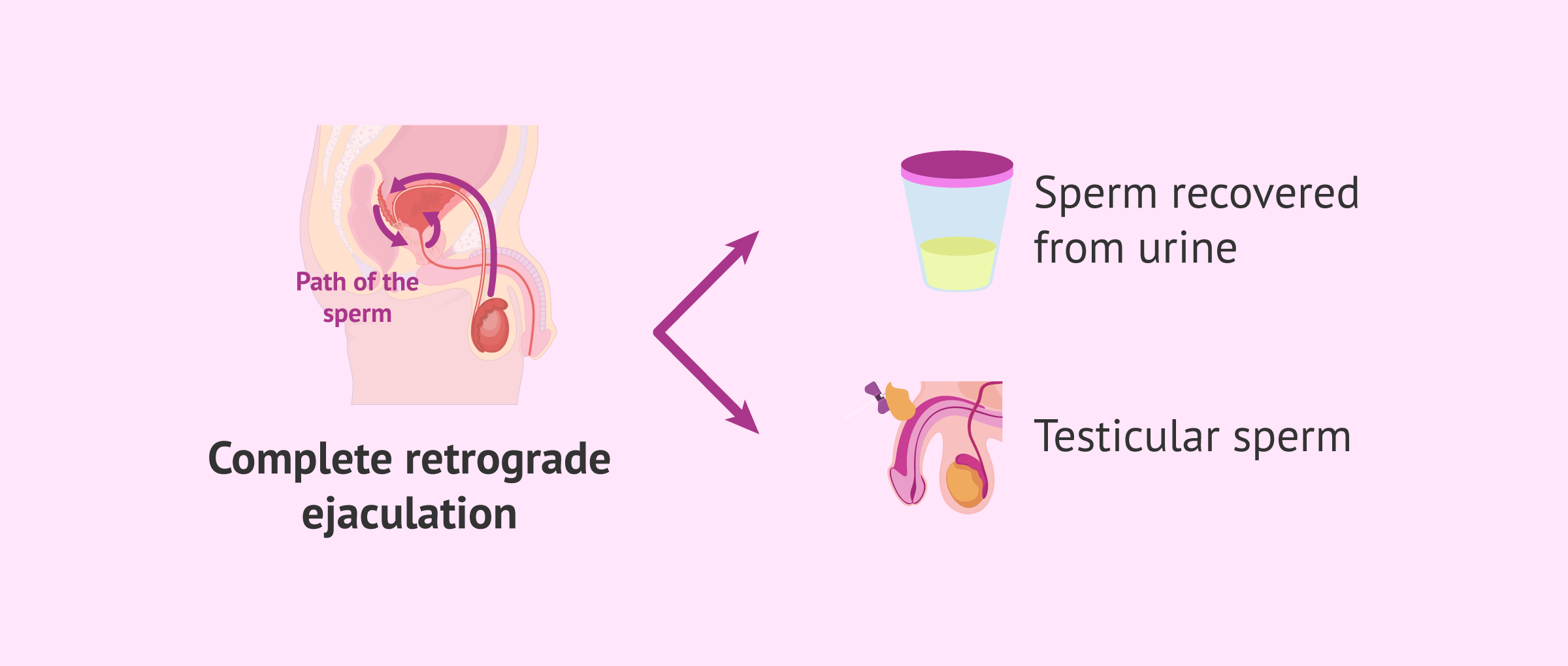
IVF with retrograde ejaculation: the secret to achieving pregnancy
A recent study shows that obtaining sperm directly from the testicle significantly increases pregnancy and live birth rates in patients with complete retrograde ejaculation, outperforming traditional urine retrieval in in vitro fertilization (IVF) cycles.
Read more
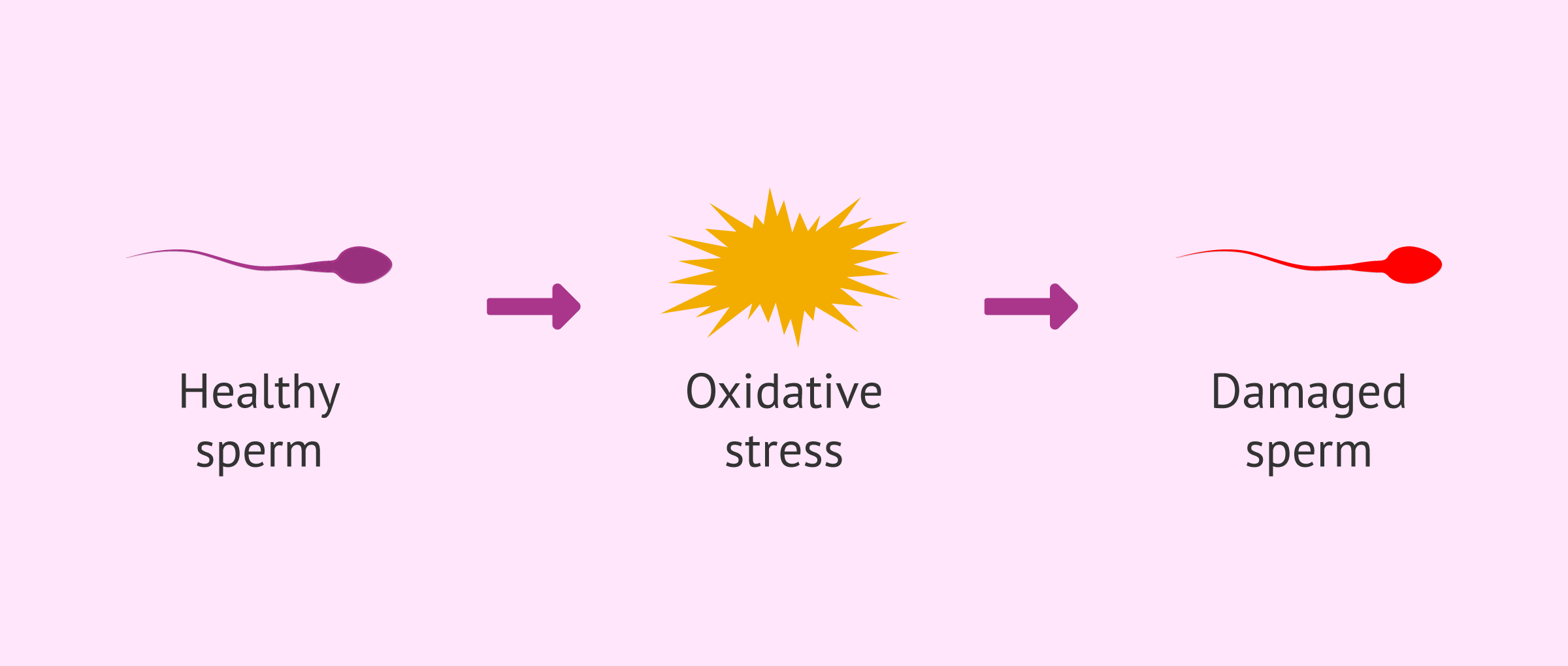
Male fertility and yoga: a habit that changes your semen
A new study reveals that habits like yoga can transform male fertility. In just six months, reducing stress through relaxation techniques has been shown to enhance sperm concentration and motility, being of great help in improving fertility.
Read more
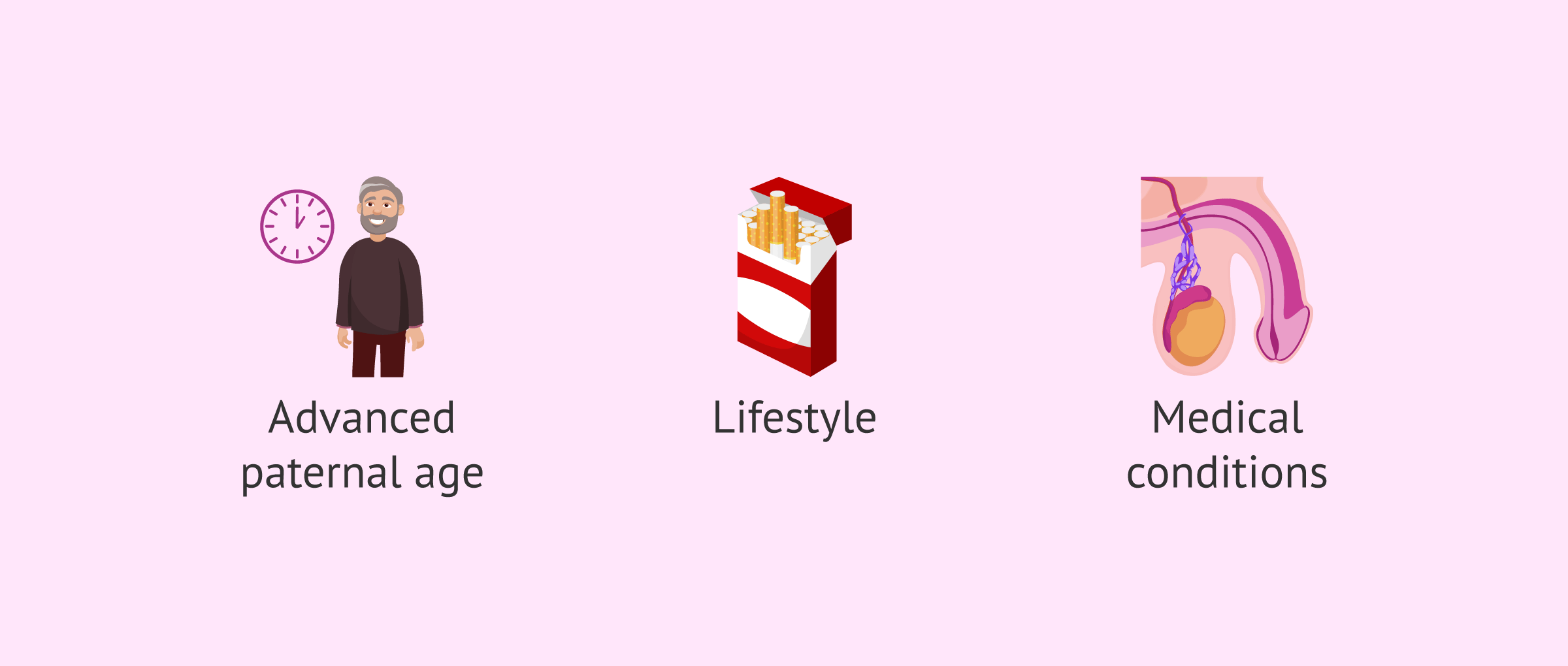
Daily habits hide severe sperm DNA damage
A new study reveals the impact of sperm DNA fragmentation on pregnancy success. We analyze what causes this genetic damage in sperm, how to detect it in time, and the most effective treatments, such as ICSI with testicular sperm, to achieve successful fertilization.
Read more
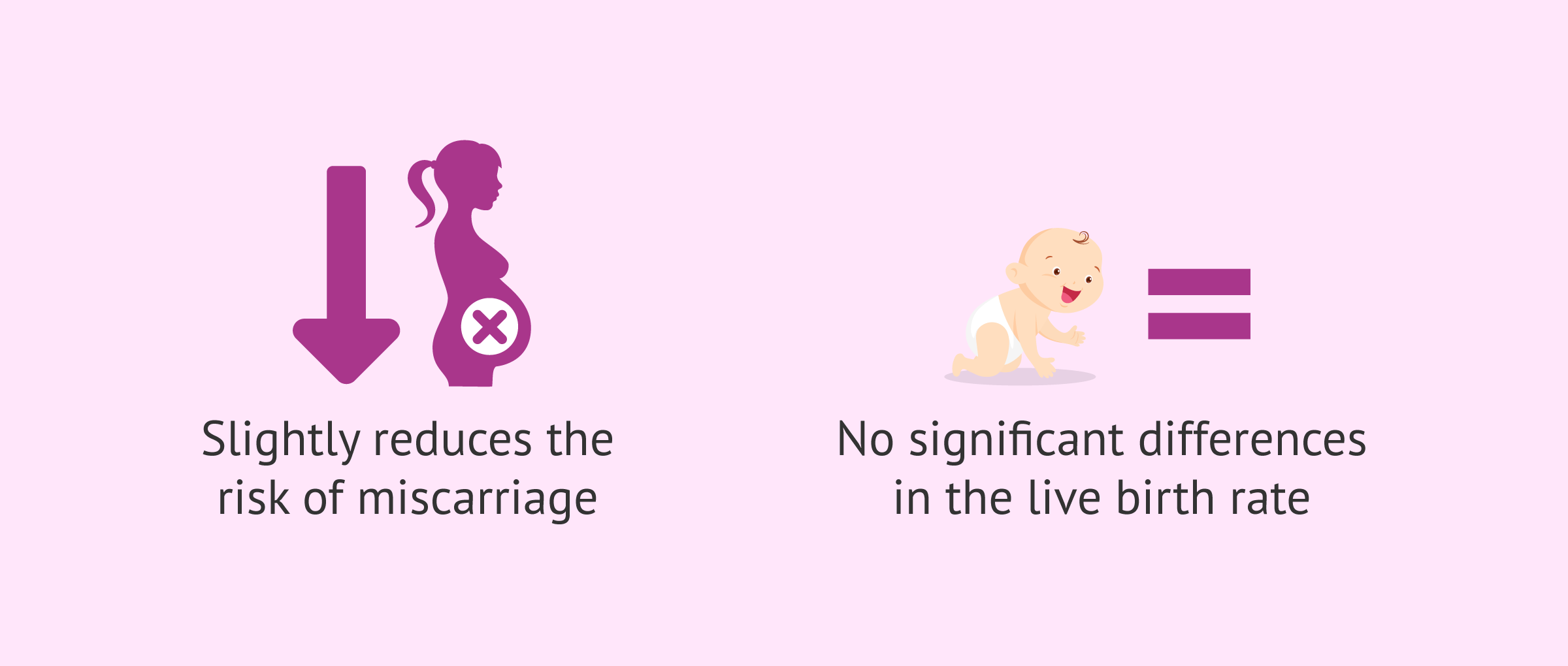
The hidden truth about advanced sperm selection in IVF
A new scientific analysis evaluates whether advanced sperm selection techniques, such as hyaluronic acid (HA-ICSI) or microfluidics, truly improve the success of in vitro fertilization. Learn the real benefits on birth rates and the reduction of spontaneous miscarriages.
Read more
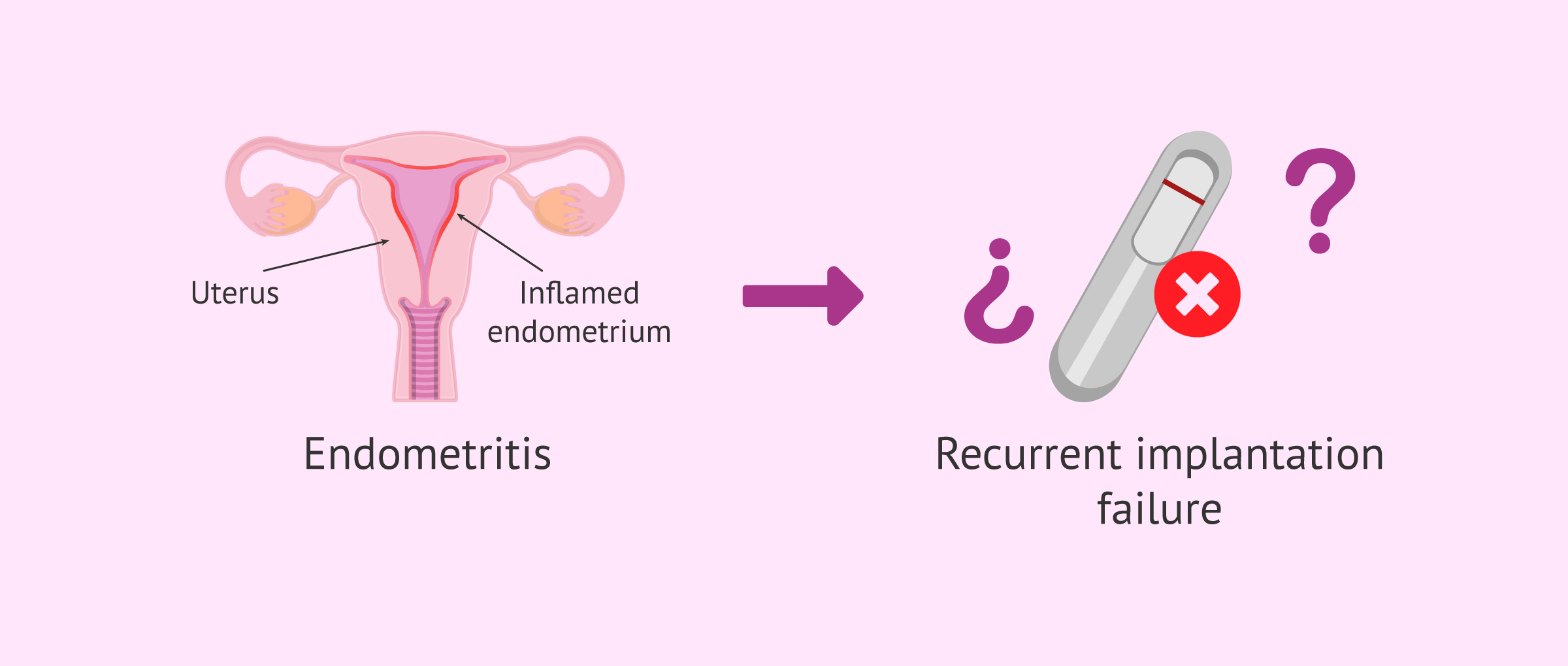
Chronic endometritis: the great truth in implantation failure
Recent research shows that true implantation failure is rare and that chronic endometritis does not have as much influence as previously thought. We analyze why the current diagnosis is a challenge and the risks of abusing antibiotics without confirmation in fertility treatments.
Read more
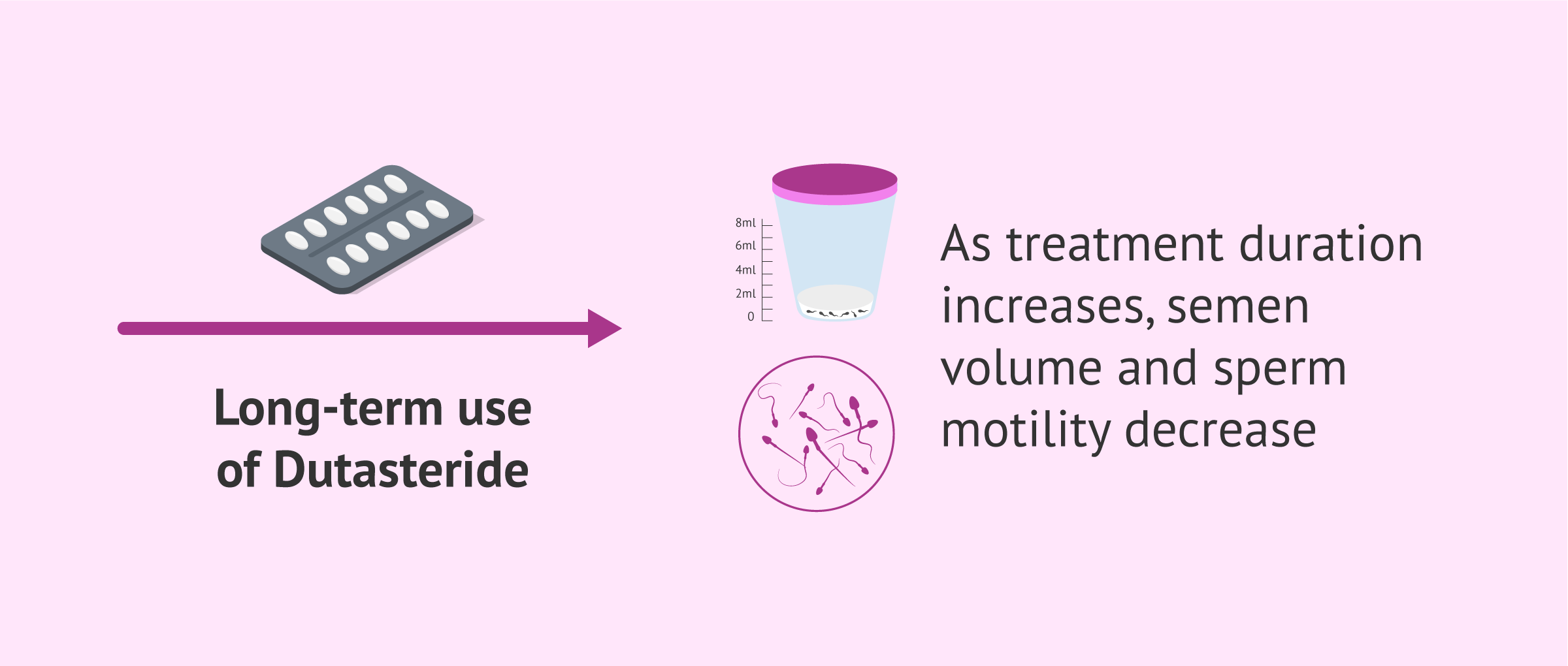
Treatment for alopecia and fertility: the mistake that damages your semen
A new study reveals that taking medication against baldness severely damages semen. Discover in which month of treatment the loss of sperm motility and the reduction of seminal volume become irreversible, affecting your chances of achieving a future pregnancy.
Read more
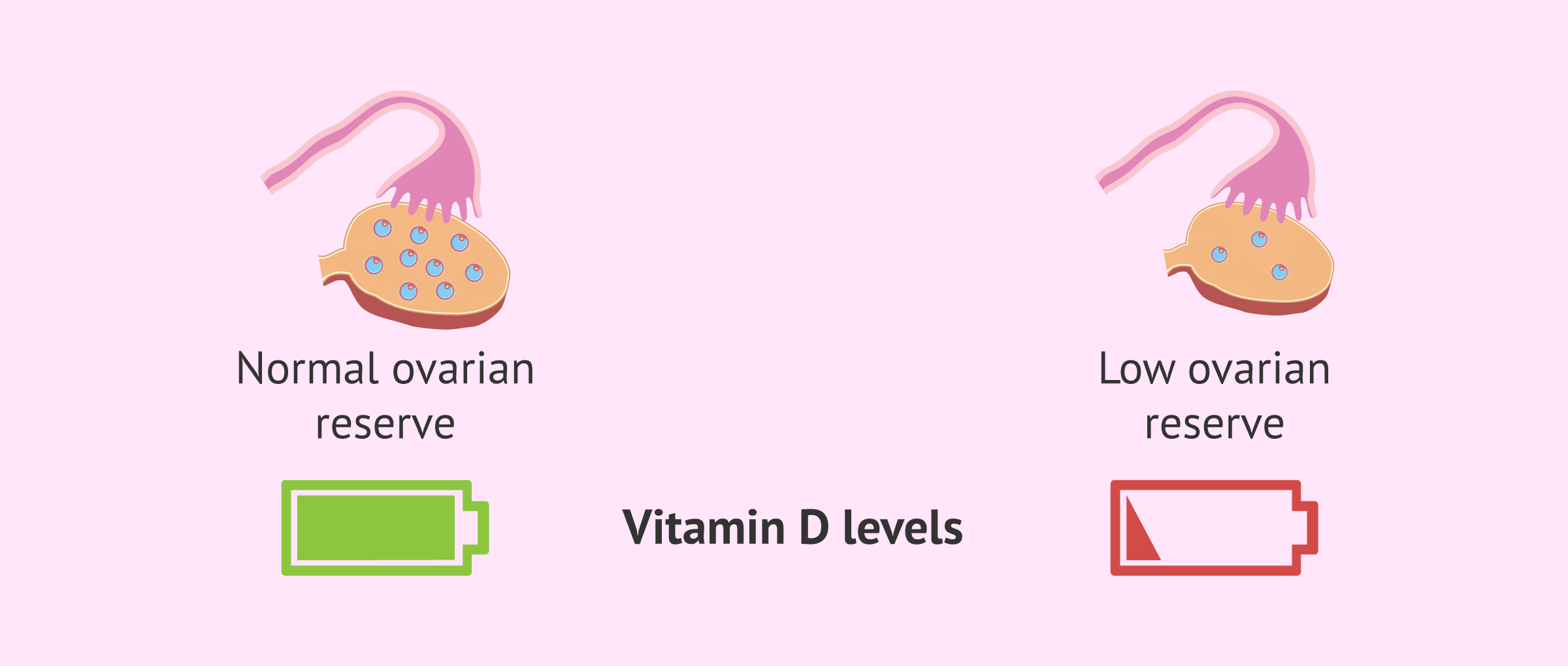
Vitamin D: the unexpected secret in your low ovarian reserve
A recent study shows that patients with low ovarian reserve and optimal vitamin D levels manage to retrieve more eggs and have higher fertilization rates. Maintaining good levels could be a cheap and simple key to pregnancy success.
Read more
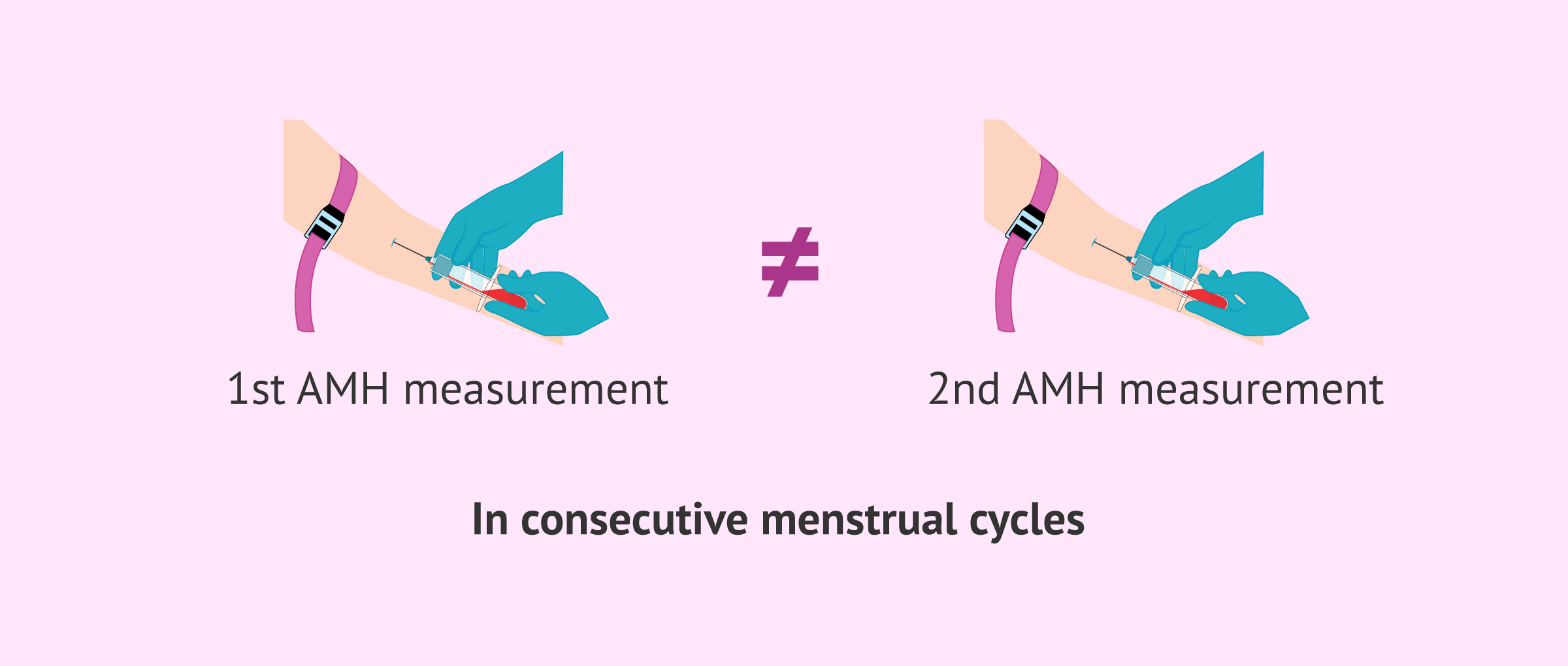
Anti-Müllerian Hormone: Is a single ovarian reserve test enough?
A new study reveals that Anti-Müllerian Hormone (AMH) varies by 44% from one cycle to another, which can cause misdiagnoses of ovarian reserve. Discover why repeating the test just before treatment improves the prognosis of the eggs obtained.
Read more
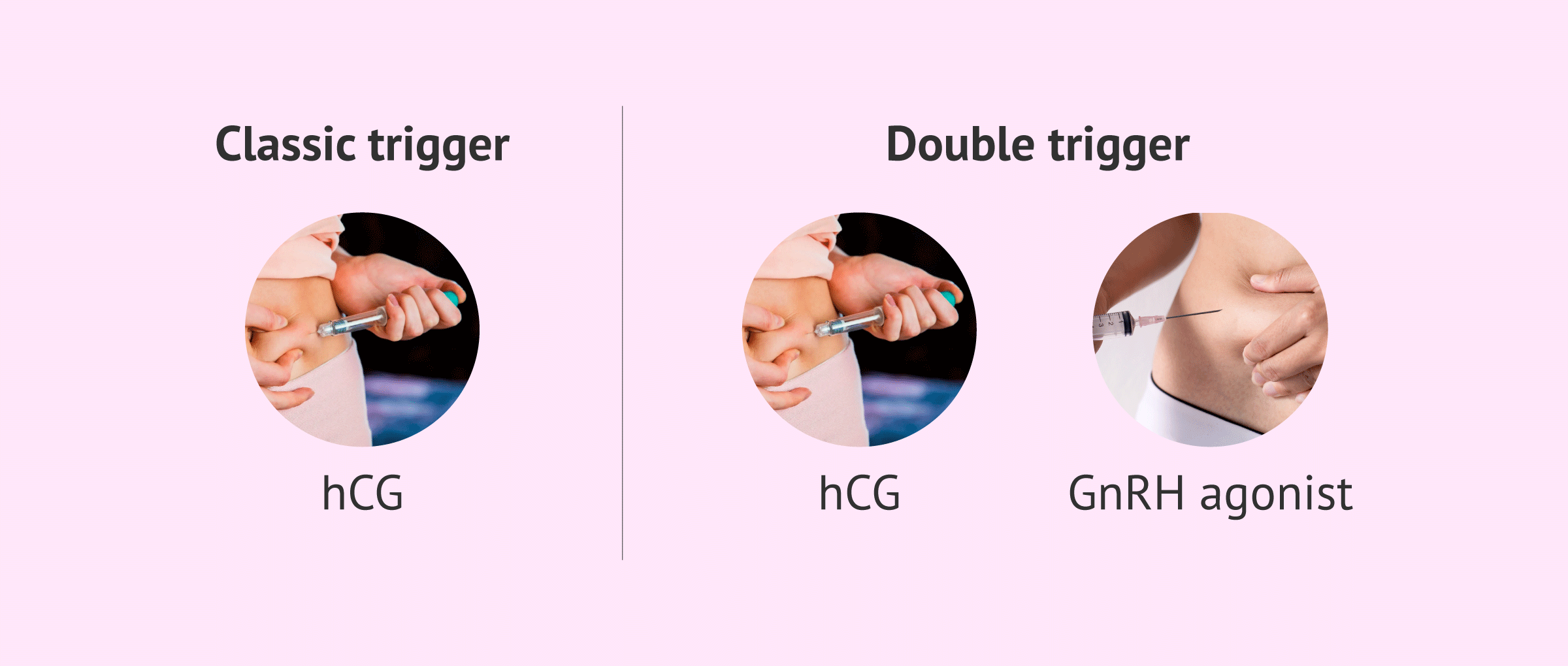
Double trigger: the classic injection for ovulation might not be ideal
A recent study shows that using a "double trigger" protocol to induce ovulation in IVF treatments achieves more mature eggs and a greater number of embryos. Learn the details of this scientific advance that improves success rates in assisted reproduction.
Read more
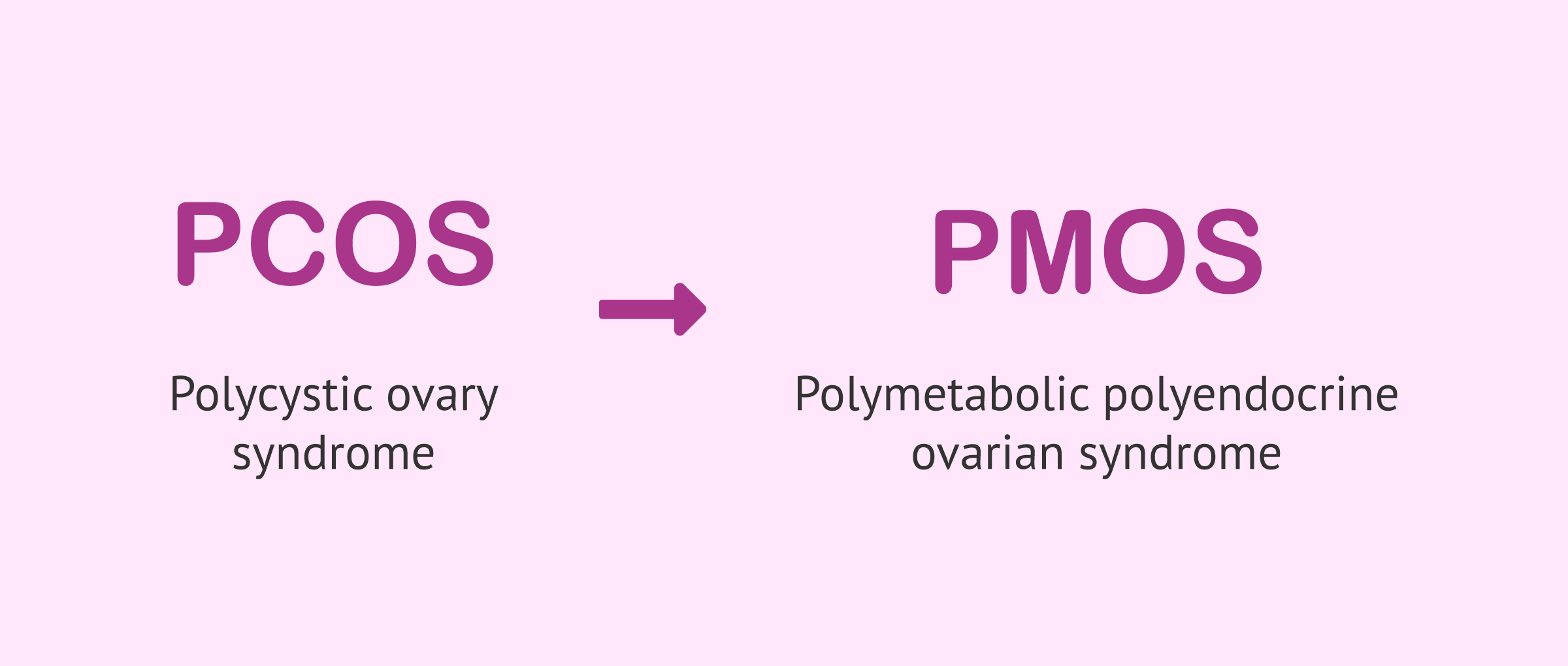
Goodbye PCOS: the new term that will change how we understand it
Polycystic Ovary Syndrome (PCOS) affects millions of women, but its name was misleading. A global consensus of experts has just changed it to PMOS to reflect its true metabolic and hormonal nature, opening a new era in assisted reproduction.
Read more

