
A recent study led by Akanksha Garg, Olivia Nakhla, Michelle Steeper, Afsana Afroz, Sam Lepine, Simon J McDowell, Ben Kroon, Demián Glujovsky, Anusch Yazdani and Sarah Lensen has analyzed in depth the various advanced sperm selection techniques.
This review involves multiple medical research centers, including Yale School of Medicine, Imperial College London, University of Melbourne, Tauranga Hospital, Fertility Associates, Capital & Coast District Health Board, Monash IVF, The University of Queensland, CEGYR and Queensland Fertility Group Research Foundation.
The research seeks to determine if the meticulous choice of sperm through complex methodologies improves success rates in current fertility treatments.
Provided below is an index with the 6 points we are going to expand on in this article.
Current sperm selection techniques
In current assisted reproduction, treatments such as in vitro fertilization (IVF) and intracytoplasmic sperm injection (ICSI) are very common procedures. Although the conventional ICSI technique selects the sperm simply based on its motility and visual appearance under the microscope, there are advanced methods that evaluate other sperm characteristics.
Some of these innovative strategies are:
- Selection by binding to hyaluronic acid (HA-ICSI), which allows identifying sperm that have already reached maturity.
- Magnetic activated cell sorting (MACS), which isolates and separates apoptotic (damaged) sperm from those that are healthy.
- Sperm sorting by microfluidics (MFSS), a chip system designed to mimic the fluid dynamics of the female reproductive tract.
- Selection according to zeta potential, which analyzes the surface electrical charge present on the sperm membrane.
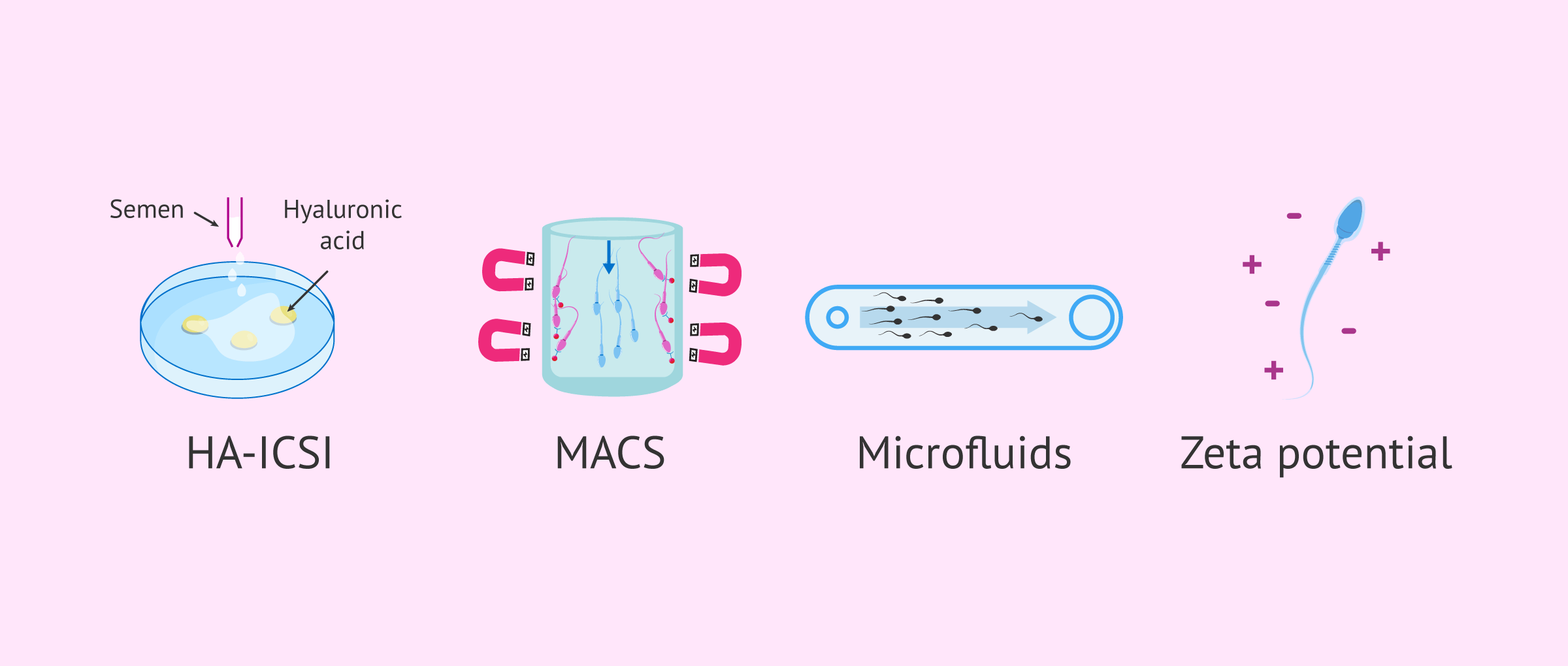
These protocols aim to identify structurally functional and intact sperm, with higher DNA integrity, thus maximizing the chances of successful fertilization. After analyzing how they work, it is vital to understand if they really have a direct impact on achieving a healthy pregnancy.
Success of advanced sperm selection
The analysis of clinical data evidences the real efficacy of these interventions in patients.
When specifically comparing the HA-ICSI technique against traditional ICSI, researchers have observed that hyaluronic acid selection could likely decrease the risk of suffering a spontaneous miscarriage.
However, when evaluating the live birth rate, the evidence indicates that the HA-ICSI technique might not make an appreciable difference or, at best, provide a very slight increase compared to the standard method.
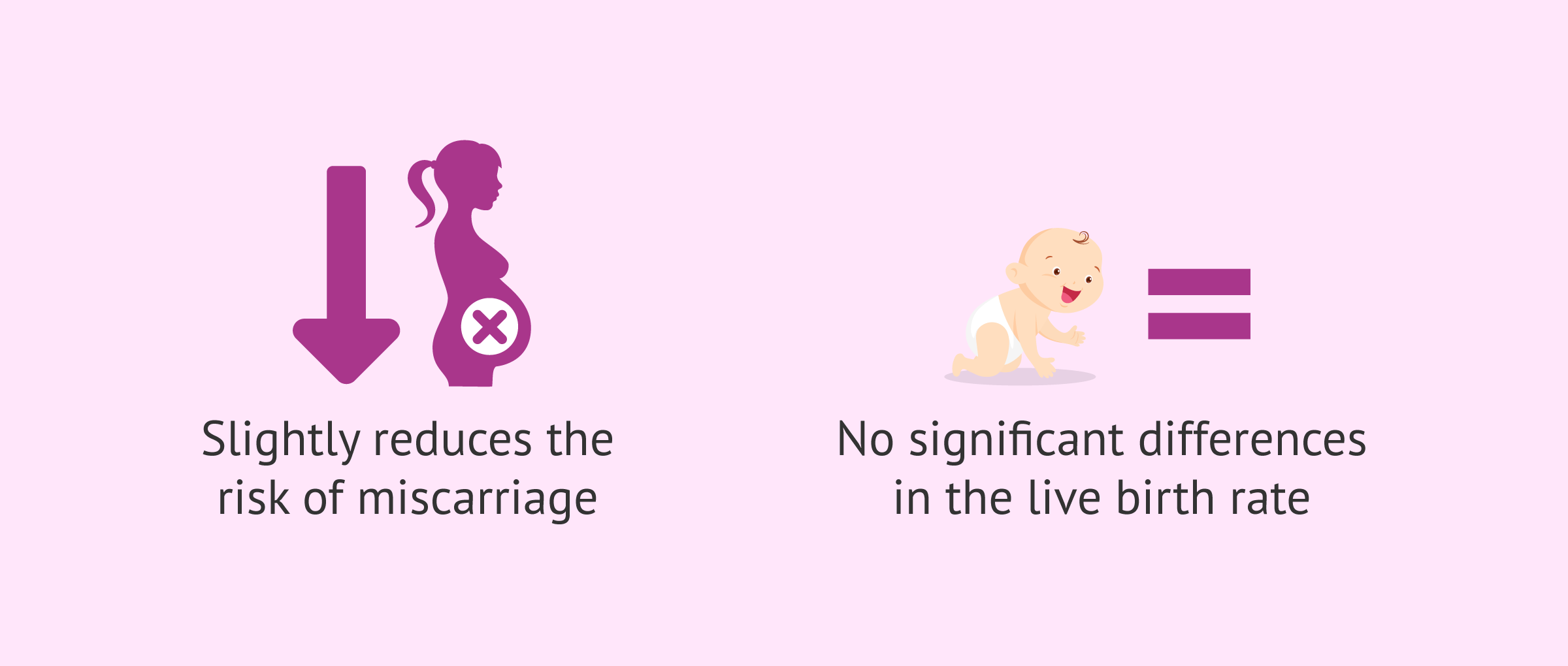
This implies that, although the use of hyaluronic acid would be beneficial for the reduction of spontaneous miscarriages, the overall probability of having a baby in arms at the end of the process is not drastically raised.
These results compel the scientific community to continue analyzing the clinical utility of the rest of the available technologies.
Future of advanced sperm selection
For the rest of the sperm selection tools, such as zeta potential or microfluidic technology (MFSS), the current evidence is considered of very low certainty.
This shortage of conclusive data prevents knowing for sure what their effects are on the clinical pregnancy rate or the percentage of miscarriages.
Consequently, although the development of these methods promises theoretical improvements, rigorous scientific trials are needed before they can be routinely implemented and recommended within fertility laboratory protocols.
Community and Support
At inviTRA we work to make monthly and rigorous information accessible to everyone. If this article has helped you, consider supporting us so we can continue accompanying more people on their journey to parenthood.
References
Garg A, Nakhla O, Steeper M, Afroz A, Lepine S, McDowell SJ, Kroon B, Glujovsky D, Yazdani A, Lensen S. Advanced sperm selection techniques for assisted reproduction. Cochrane Database Syst Rev. 2026 Jun 2;6(6):CD010461. doi: 10.1002/14651858.CD010461.pub4. PMID: 42227305; PMCID: PMC13227582. (View)


