
News
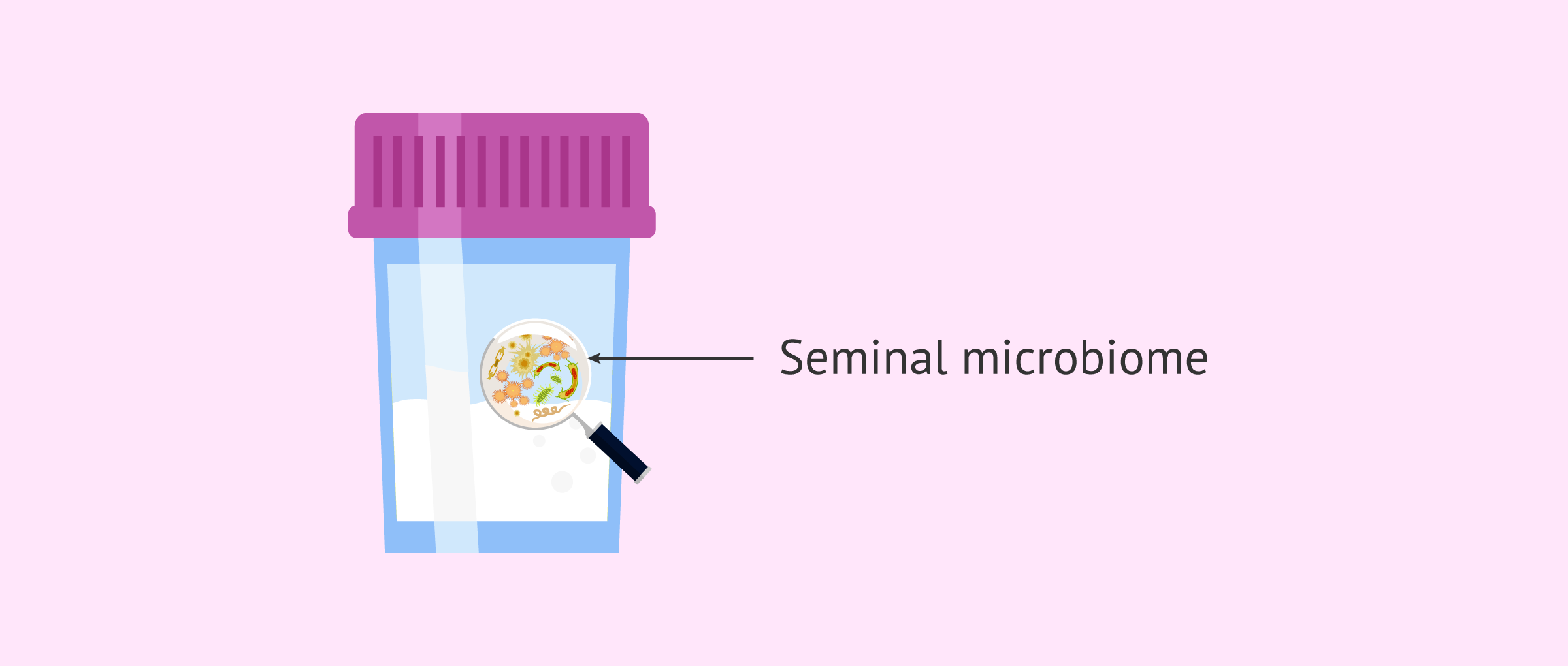
The Seminal Microbiome: How Bacteria Affect Fertility
A new study reveals that the bacteria present in the male reproductive tract, known as the seminal microbiome, play a key role in fertility. A healthy bacterial profile improves semen quality, whilst an imbalance can have a negative impact on assisted reproduction.
Read more
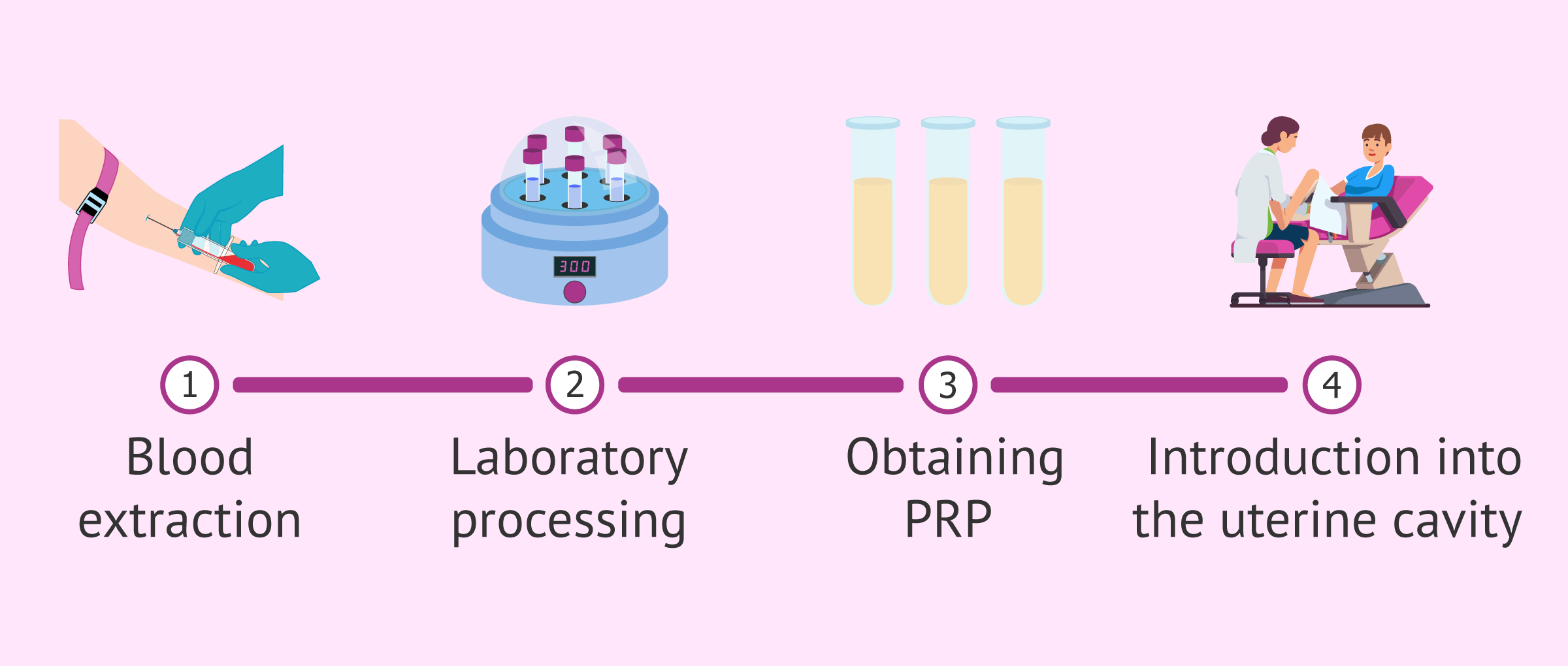
Platelet-Rich Plasma (PRP) improves success in assisted reproduction
A recent study confirms that the use of platelet-rich plasma (PRP) in assisted reproductive technology treatments significantly improves implantation rates, clinical pregnancy rates, and live birth rates. Learn more about this regenerative technique and how it benefits women with a history of implantation failure.
Read more
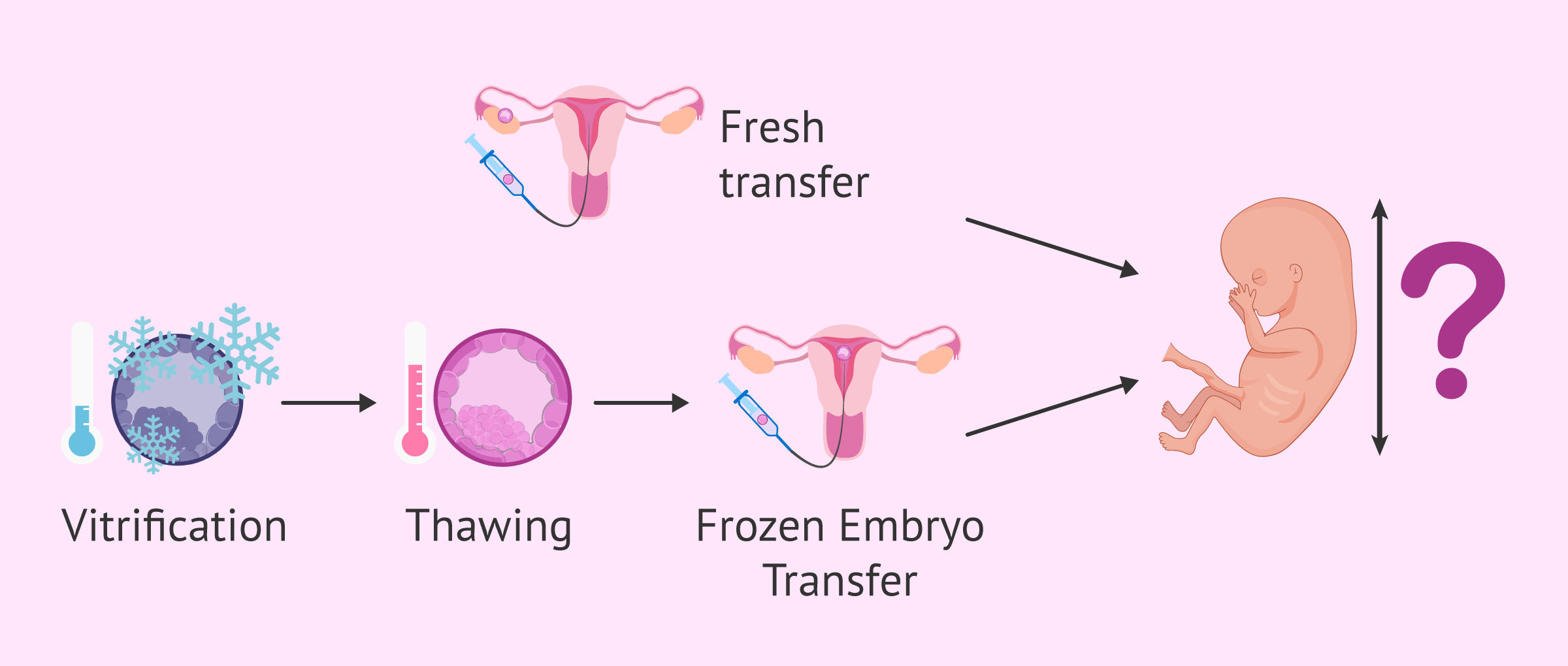
Frozen vs. fresh embryos: impact on fetal growth
New research analyzes early intrauterine growth by comparing IVF cycles with fresh and frozen embryos. The results show a slight difference in size in favor of frozen embryos, regardless of whether they are blastocysts or day 3 embryos.
Read more
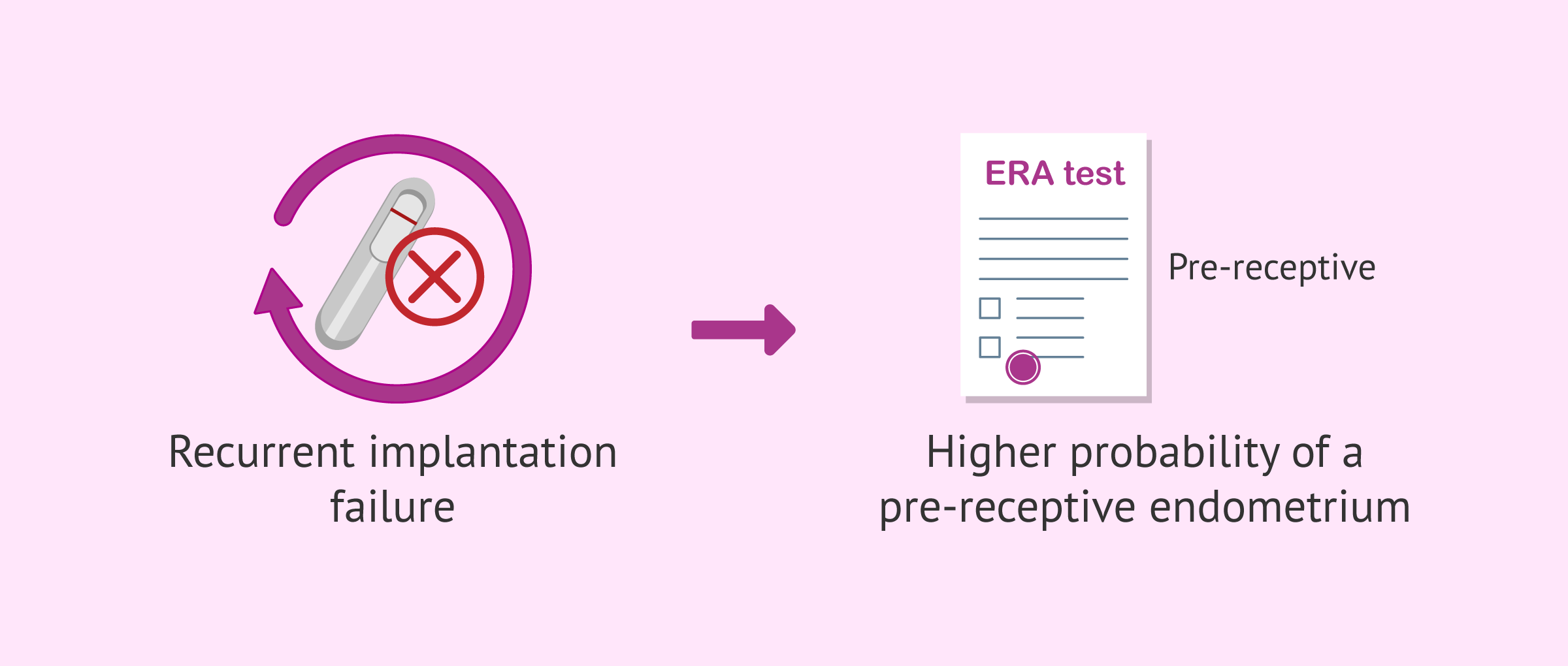
Endometrial receptivity and implantation failure
International researchers confirm that women with implantation failure suffer more alterations in their implantation window. The study highlights that advanced age and a long history of infertility are determining factors for indicating personalized endometrial receptivity tests.
Read more
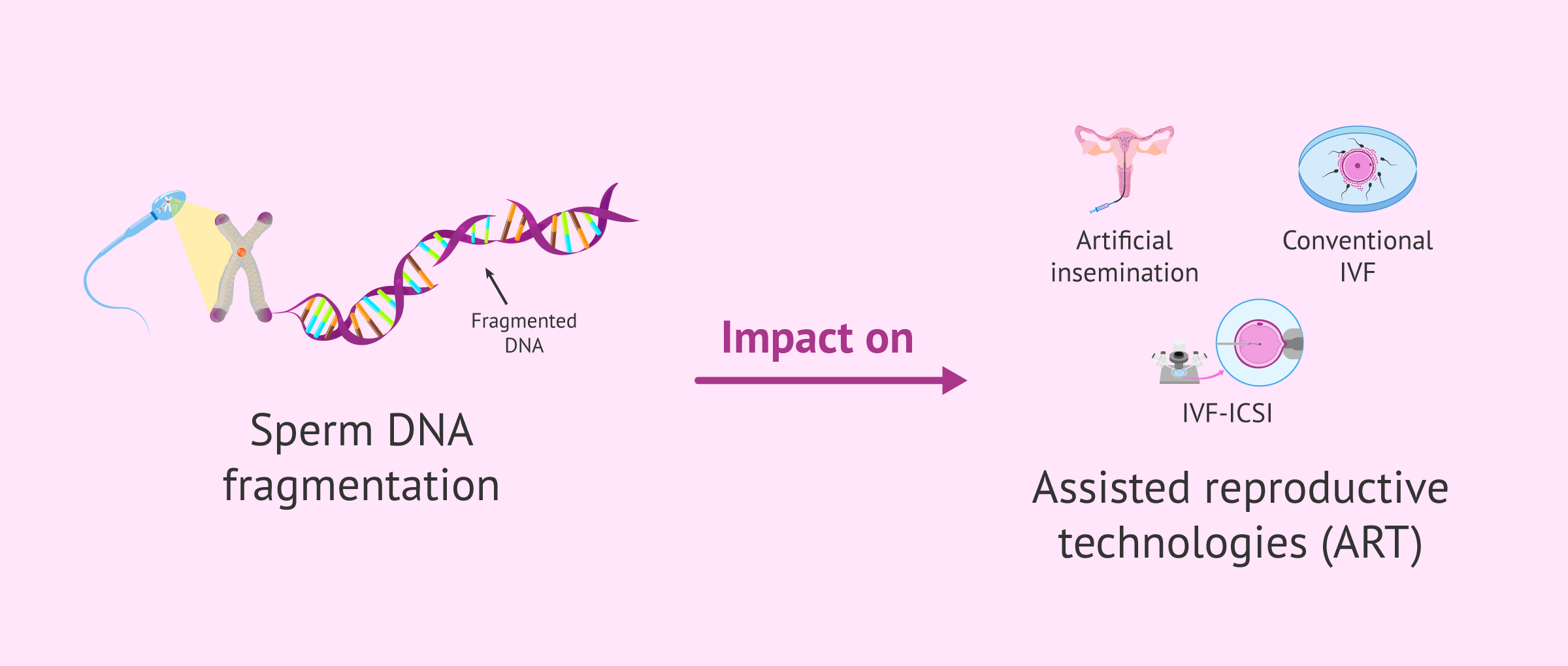
Damaged sperm DNA: impact on IVF, ICSI, and insemination
A systematic review assesses the impact of sperm DNA fragmentation on fertility. The results show a lower clinical pregnancy rate in IVF and artificial insemination, and a strong link with the risk of spontaneous abortion in ICSI cycles, suggesting the need for specific tests.
Read more
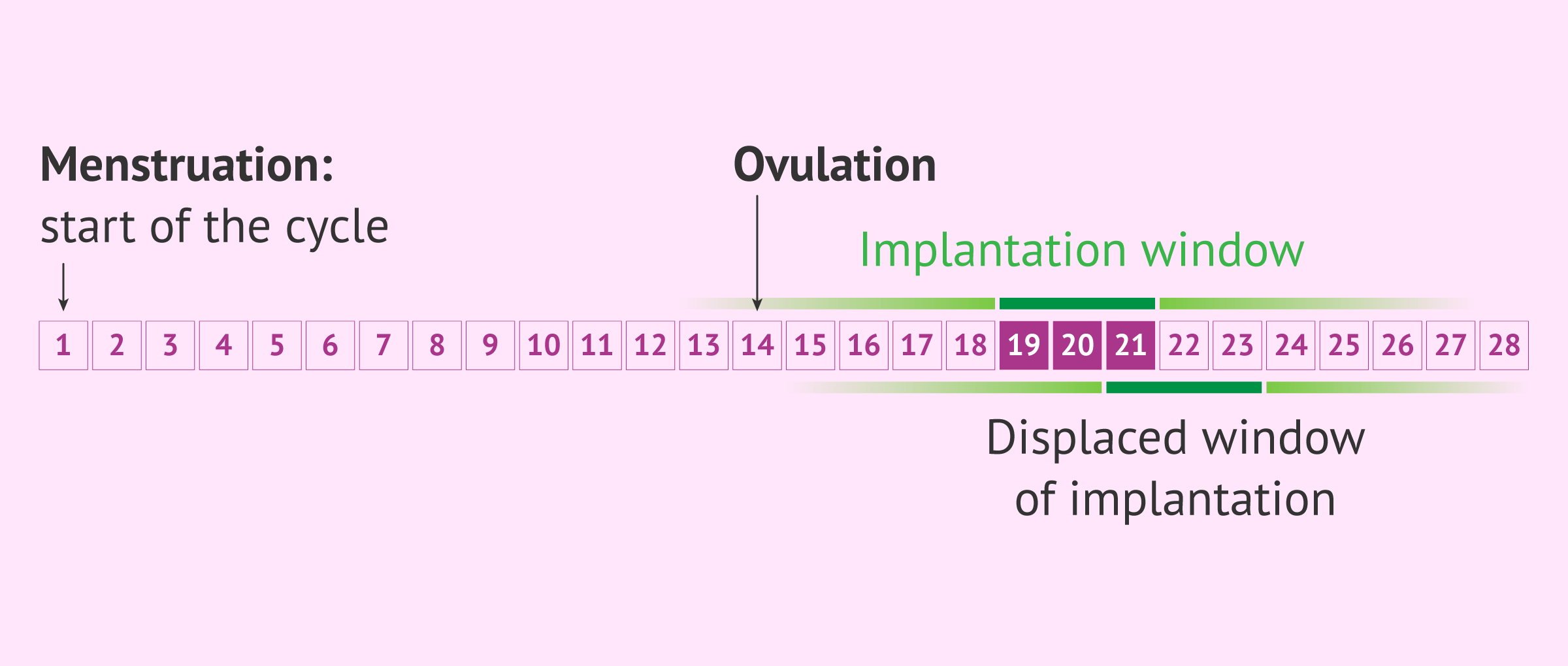
Advanced age and ERA testing: Is it useful for achieving pregnancy?
A recent study by the University of California investigates whether maternal age affects endometrial receptivity as detected by the ERA test. The results question the usefulness of this test based solely on age.
Read more
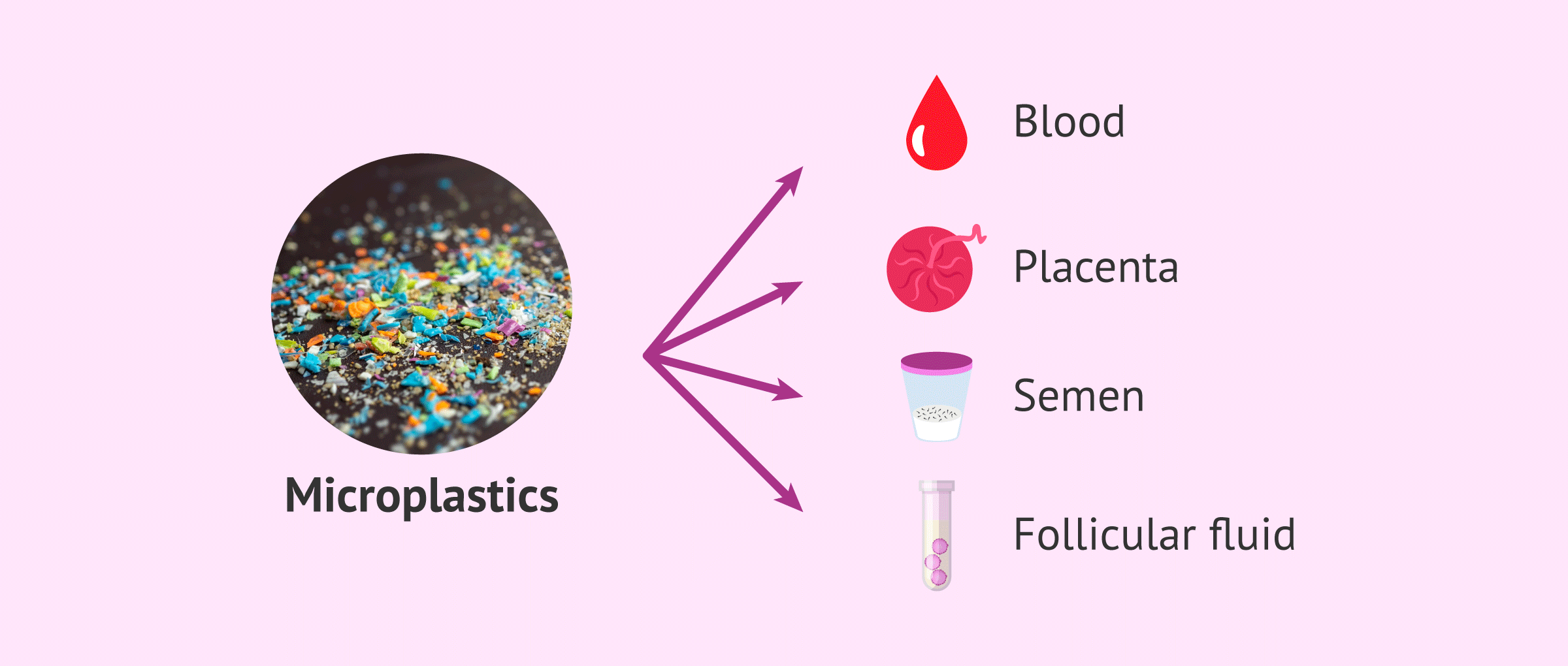
Microplastics in follicular fluid: a risk to fertility
A recent Italian study has detected the presence of microplastics in the follicular fluid of women undergoing assisted reproduction treatments. This groundbreaking finding opens up new avenues of research into the impact of environmental pollution on fertility and reproductive health.
Read more
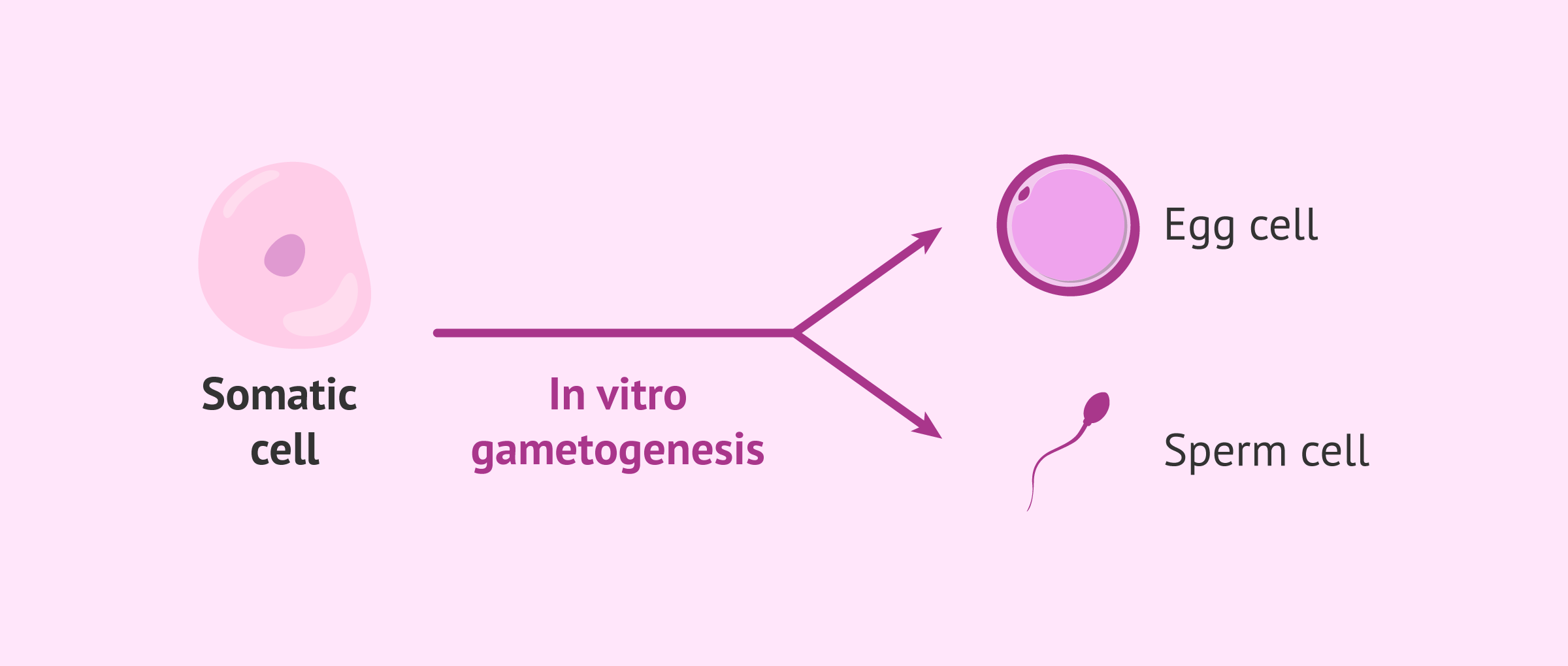
The latest major scientific advances in assisted reproduction
Assisted reproduction technologies are advancing at an unstoppable pace. Recent research highlights the role of artificial intelligence, in vitro gametogenesis, and stem cell therapies in improving success rates and offering new options to people with fertility issues.
Read more
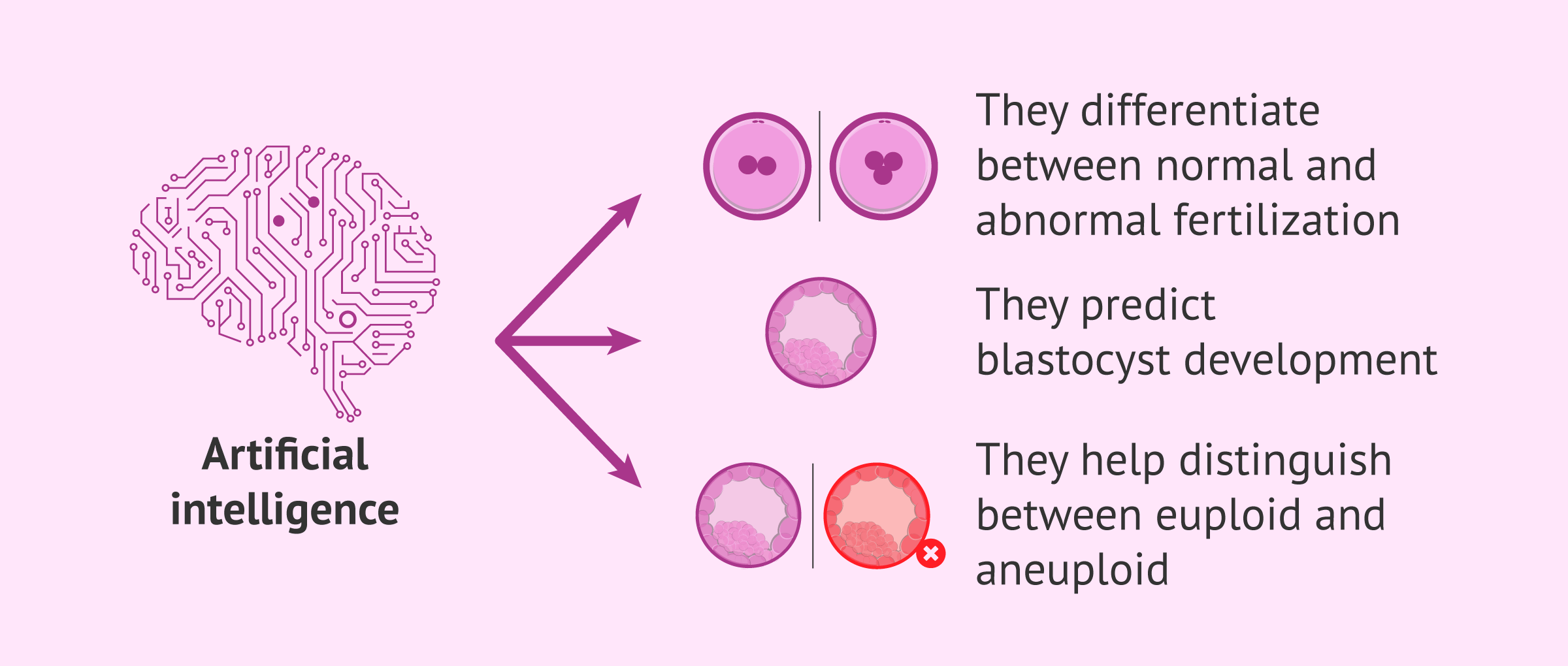
Artificial intelligence (AI) in fertility treatments
Can artificial intelligence help achieve pregnancy? Learn about the latest advances: from automating semen analysis to choosing the best embryo. AI enables more accurate and personalized fertility treatments, improving clinical success in in vitro fertilization.
Read more
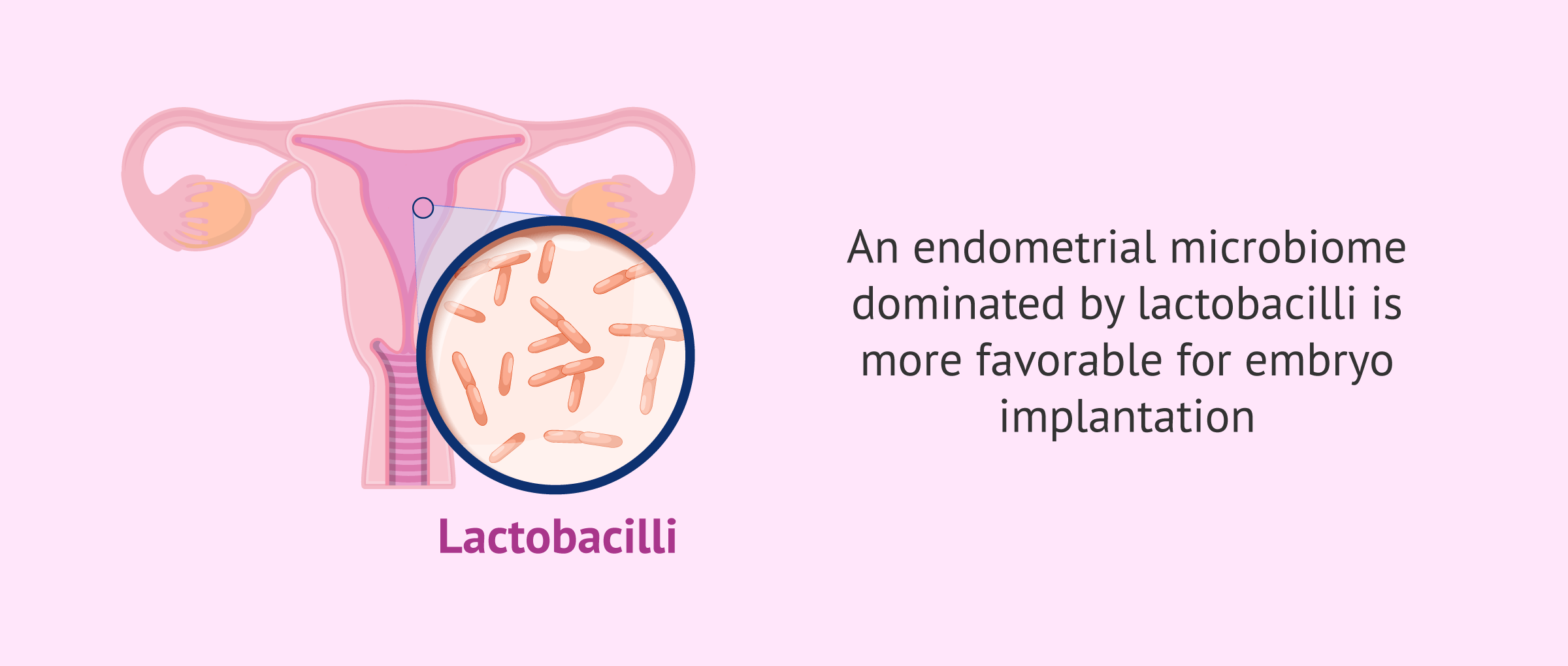
The endometrial microbiome alters the success of in vitro fertilization (IVF)
Increasingly, more attention and importance is being given to the role of the endometrial microbiota (the microorganisms present inside the uterus) in relation to endometrial receptivity and the possibility of embryo implantation after assisted reproduction treatment.
Read more
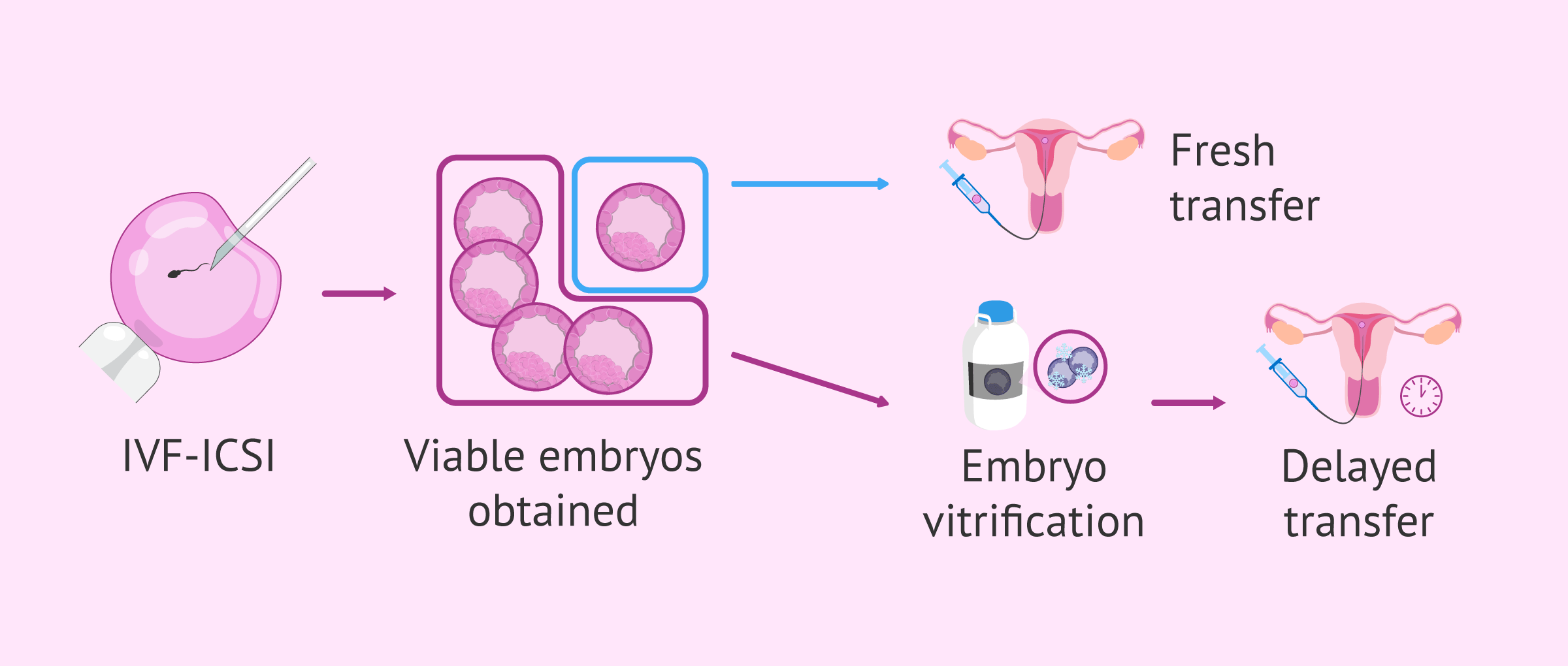
Frozen vs. fresh embryos: Does uterine preparation have an impact?
In assisted reproduction, frozen embryo transfer is common. This study evaluates whether there are differences in perinatal outcomes with fresh vs. frozen embryo transfer, as well as between different protocols for endometrial preparation prior to frozen embryo transfer.
Read more

IVF with euploid embryos: Does maternal age affect success?
As a woman ages, the likelihood of chromosomal abnormalities (aneuploidy) in embryos increases. For this reason, PGT-A can be performed to select euploid embryos without chromosomal abnormalities for transfer. But does this equalize the success rate regardless of the woman's age?
Read more

