
In the field of reproductive medicine, the use of frozen embryo transfer has increased significantly over the past two decades. Given this trend, a crucial question arises for patients and specialists: are there differences in newborn health between fresh and frozen transfers? And more importantly, does the medication we use to prepare the uterus affect this? To answer this, a recent Australian multicenter study has analyzed data from over 9,000 babies.
This research was carried out by a large team consisting of Haowen Zou, Deirdre Zander-Fox, Nicole Au, Yanhe Liu, Beverley Vollenhoven, Mark P. Green, and Rui Wang. The work is the result of a collaboration between several institutions: Monash University, Monash IVF Group, University of Adelaide, Fertility North, University of Western Australia, Monash Health, University of Melbourne, and the University of Sydney.
Provided below is an index with the 6 points we are going to expand on in this article.
Perinatal outcomes according to transfer type
The study, which retrospectively analyzed the births of 8,081 women who underwent IVF between 2015 and 2021, yields very interesting data on how the type of transfer influences birth and the baby's weight. When comparing births after frozen embryo transfers versus fresh ones, some patterns were observed.
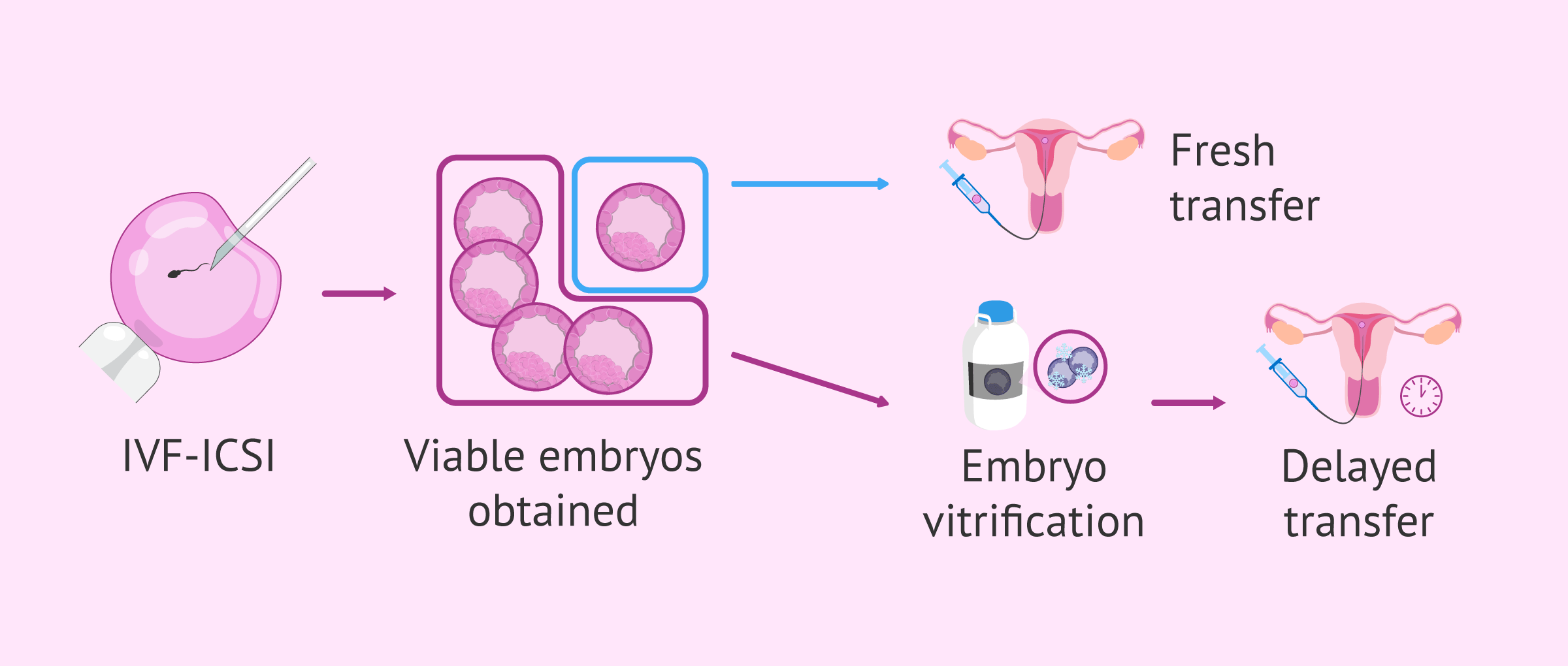
On the one hand, frozen embryo transfer was associated with a reduction in certain perinatal risks. Babies born after this process were less likely to be premature, have low birth weight, or be small for their gestational age. These data suggest a favorable intrauterine environment in these specific aspects following cryopreservation.
However, the same study found that frozen embryo transfers were linked to a higher likelihood of cesarean section, high birth weight (macrosomia), and large-for-gestational-age babies. Therefore, it is essential for patients to understand that each option has its distinct nuances and safety profiles.
Does how the endometrium is prepared matter?
One of the major questions is whether hormonal medication (substituted cycle) or a natural cycle affects the health of the future baby. The researchers divided the frozen embryo cycles according to the method of endometrial preparation used:
- Natural cycle (without hormone replacement medication).
- Substituted cycle (estrogens and progesterone).
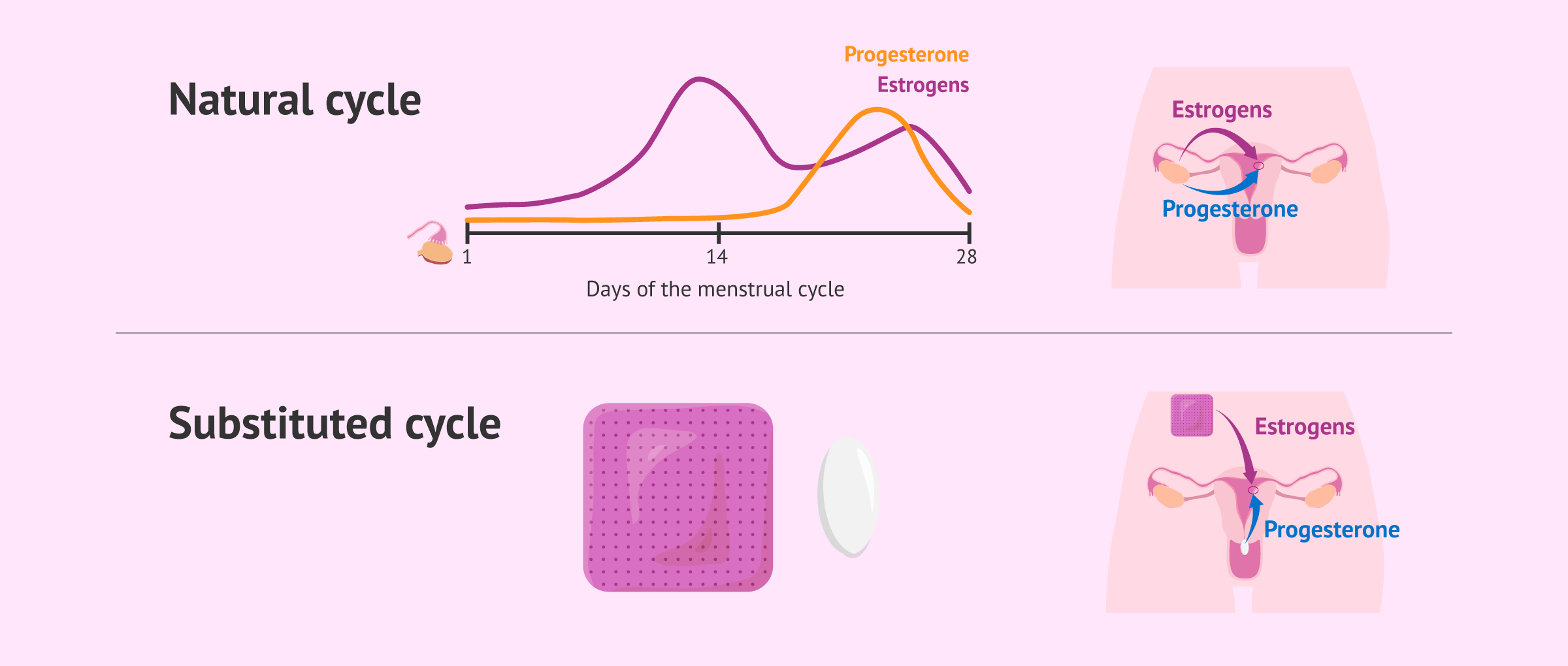
The most relevant finding of this research is that differences in newborn weight and health remained constant regardless of the protocol used. In other words, the use of hormones or a natural cycle did not change the risk of having a larger or smaller baby compared to fresh cycles.
This indicates that the observed variations are not due to the drugs administered to prepare the endometrium, but likely to intrinsic factors of the freezing technique or the state of the uterus after ovarian stimulation in fresh cycles.
Vitrification and the uterine environment
Given that endometrial preparation does not seem to be the cause of these weight differences, the study points in other directions. One hypothesis suggests that the process of vitrification (ultra-rapid freezing) and warming ("thawing") of the embryos could have some biological impact that explains the larger size of the babies.
On the other hand, in fresh cycles, the uterine environment can be altered by high hormonal levels resulting from the ovarian stimulation necessary to promote the development of multiple ovarian follicles. This could explain why babies from fresh cycles tend to have lower weights.
These findings will help specialists to better advise patients, evaluating the risks and benefits of each strategy in a personalized way.
Community and Support
At inviTRA we work to make monthly and rigorous information accessible to everyone. If this article has helped you, consider supporting us so we can continue accompanying more people on their journey to parenthood.
References
Zou H, Zander-Fox D, Au N, Liu Y, Vollenhoven B, Green MP, Wang R. Frozen versus fresh embryo transfer on perinatal outcomes—do endometrial preparation methods matter? Hum Reprod Open. 2026;2026(1):hoag002. (View)
Author

Find the latest news on assisted reproduction in our channels.

