Vitamin D: the unexpected secret in your low ovarian reserve
A recent study conducted by researchers Aiping Zhang, Yanjun Shi, Yuzi Li, Xiaolong Li, Feifei Xu, Qianqian Hong, Feng Yue, Bin Wang, Haofei Shen, and Xuehong Zhang, from The First Hospital of Lanzhou University, Lanzhou University, Key Laboratory for Reproductive Medicine and Embryo Gansu Province, and the Gansu University of Traditional Chinese Medicine, has shed light on the impact of nutrition on fertility.
The research evaluated the relationship between vitamin D levels in blood and in the follicular fluid with the laboratory results of in vitro fertilization (IVF) in patients with low ovarian reserve.
The different sections of this article have been assembled into the following table of contents.
Contents
- 1.
- 2.
- 3.
- 4.
- 5.
Vitamin D and oocyte quality
The scientific team analyzed a total of 145 women who were in the midst of their reproductive process. The results showed that patients diagnosed with low ovarian reserve had significantly lower levels of vitamin D, both in blood serum and in follicular fluid, compared to those women with a normal ovarian reserve.

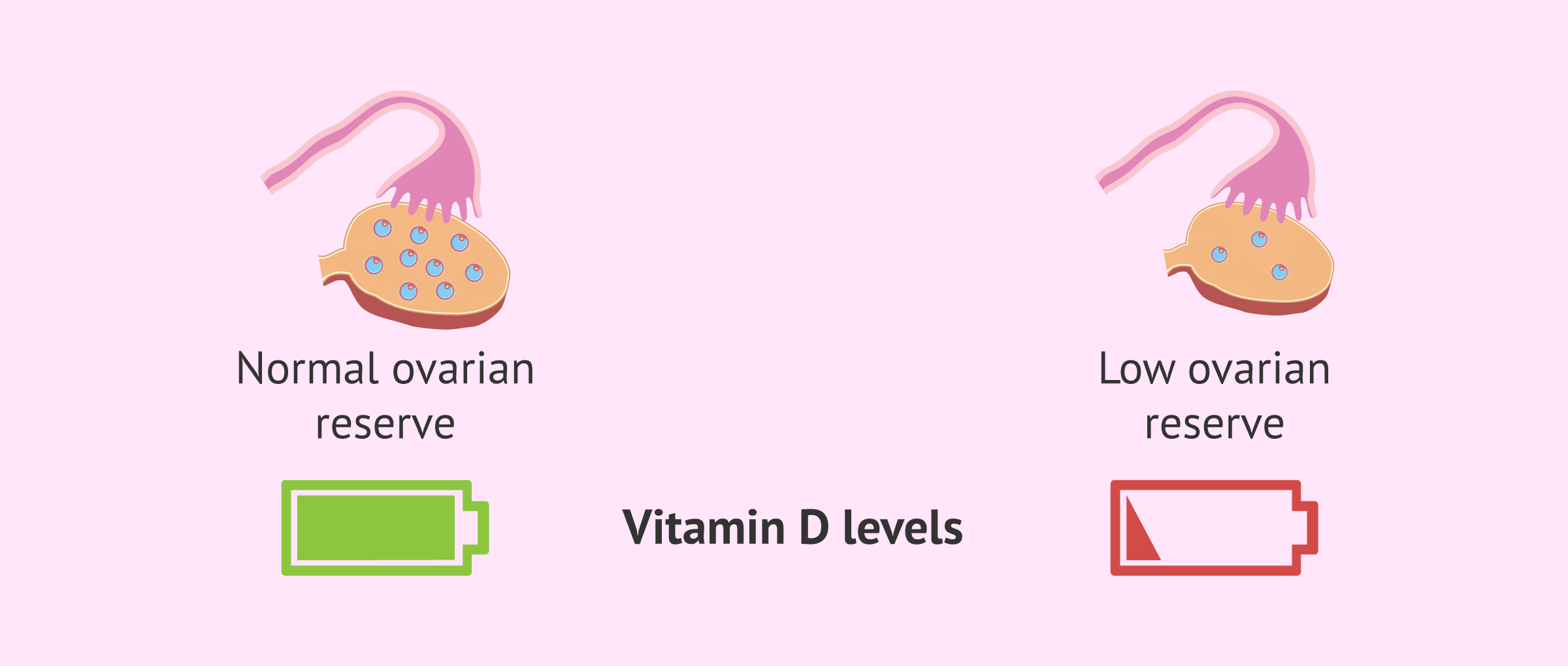
Furthermore, a strong positive correlation was confirmed: the level of vitamin D in the blood has a high degree of consistency with the amount of this vitamin found in the fluid that surrounds and nourishes the egg (the follicular fluid).
This connection suggests that the body's overall vitamin status directly influences the microenvironment where eggs develop before being fertilized.
Direct impact on fertilization
The most revealing finding for day-to-day fertility treatments was that, within the specific group of women with low ovarian reserve, those who did not have a vitamin D deficiency achieved notably superior results. Specifically, the following improvements were observed in the laboratory:
- Significantly higher egg retrieval rates (95.0% compared to 84.6% of the deficient group).
- Higher normal fertilization rates after joining the egg and sperm (72.9% compared to 56.3%).
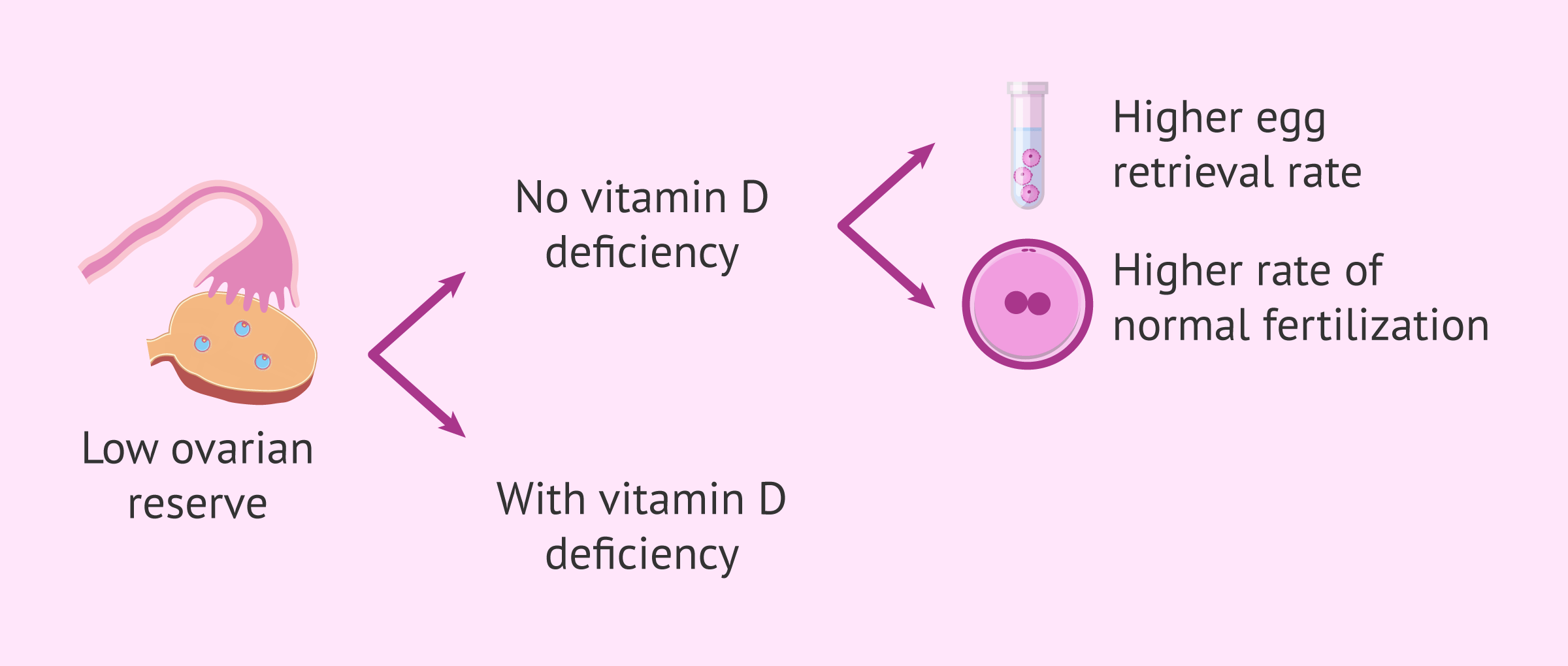
These data highlight that the key role of vitamin D seems to be concentrated very specifically in the final stage of egg maturation and its ability to be successfully fertilized by the sperm.
Less inflammation and better profile
Beyond the purely reproductive field, the subgroup of patients without a vitamin D deficiency showed more favorable metabolic markers. They presented notably higher levels of anti-inflammatory and antioxidant HDL cholesterol, popularly known as good cholesterol. In addition, they exhibited lower levels of thyroid-stimulating hormone (TSH) and erythrocyte sedimentation rate.
These indicators suggest that having enough vitamin D helps keep body inflammation at bay and modulate thyroid function, creating a more favorable environment for the egg to mature correctly.
The future of IVF treatments
This new scientific scenario indicates that vitamin D deficiency could be a key and, above all, modifiable factor to improve in vitro fertilization results in women with low ovarian reserve.
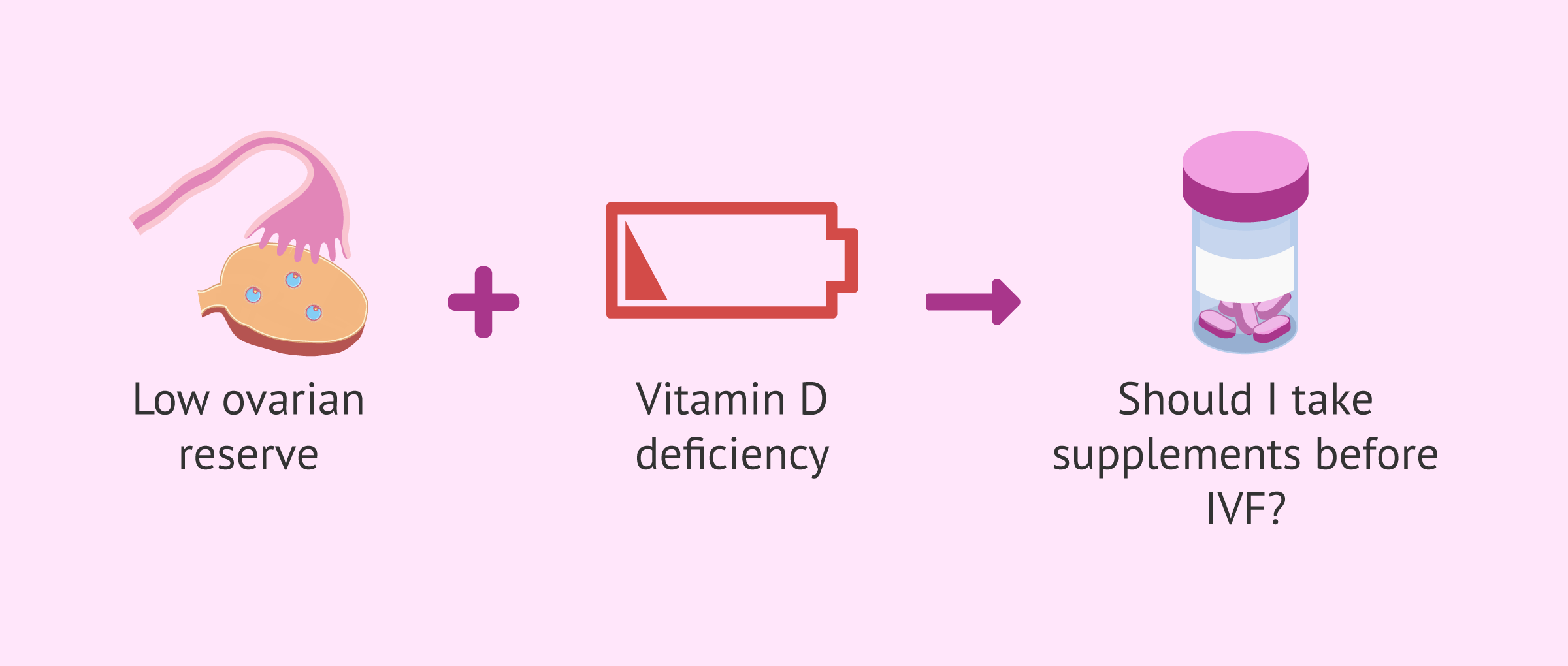
Standardized supplementation of this vitamin before undergoing an assisted reproduction cycle could be considered a very affordable, simple, and safe complementary strategy to optimize treatment success in patients with low ovarian reserve and vitamin D deficiency.
We make a great effort to provide you with the highest quality information.
🙏 Please share this article if you liked it. 💜💜 You help us continue!
References
Zhang A, Shi Y, Li Y, Li X, Xu F, Hong Q, Yue F, Wang B, Shen H, Zhang X. Association of lower serum and follicular fluid vitamin D levels with reduced fertilization rates in IVF patients with diminished ovarian reserve. Front Endocrinol (Lausanne). 2026 Apr 10;17:1750481. doi: 10.3389/fendo.2026.1750481. PMID: 42039123; PMCID: PMC13106542. (View)