
The delay in motherhood is a growing global trend, driven by professional and social priorities. However, it is well known that fertility declines with age, mainly due to the reduction in ovarian reserve and the decrease in egg quality.
Nevertheless, while science has advanced in this topic concerning ovarian aging and, therefore, it is much better known, the role of the uterus and the endometrium in this decline has been less explored.
A recent retrospective study conducted at the University of California, San Francisco (UCSF), has focused on this issue. The authors of the research, Kaia M. Schwartz, Bahar D. Yilmaz, Meagan Chan, Marcelle I. Cedars, Hakan Cakmak, and David Huang, have analyzed whether the endometrial receptivity array (ERA) is capable of detecting changes related to aging and whether, consequently, it should be specifically indicated in women of advanced age.
Provided below is an index with the 6 points we are going to expand on in this article.
What does the ERA test analyze?
For a pregnancy to take place, the embryo must implant in the endometrium (the inner layer of the uterus) during a specific period known as the window of implantation. The ERA test is a diagnostic tool that analyzes the expression of 248 genes to determine whether the endometrium is receptive, pre-receptive, or post-receptive at a given time.
The researchers' hypothesis was based on the premise that, since aging entails molecular and cellular changes, older women might present a higher rate of displacement in the window of implantation. If confirmed, the ERA test would be a crucial tool to personalize embryo transfer in patients of advanced age.
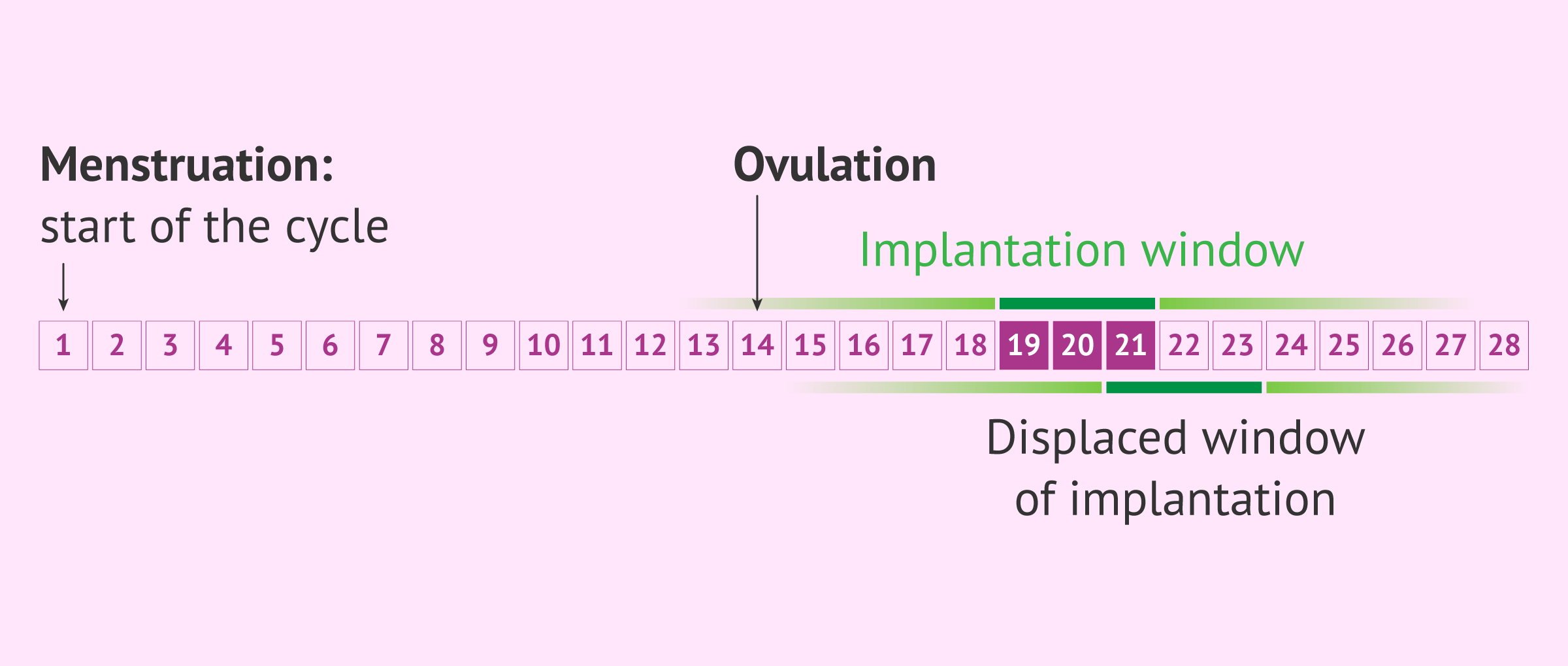
However, it is essential to understand that the clinical utility of this test has been a subject of debate in the scientific community, especially regarding which patients truly benefit from it.
ERA test results in advanced age
The research team analyzed data from 205 patients who underwent endometrial biopsies between 2019 and 2024. The participants were divided into age groups: <35, 35-37, 38-40, and ≥41 years. The findings revealed:
- The vast majority of the tests (81%) resulted as receptive.
- The percentage of non-receptive endometria was 20% in those under 35 and 22% in those over 41.
- There were no significant differences in the proportion of non-receptive ERA results by age group.
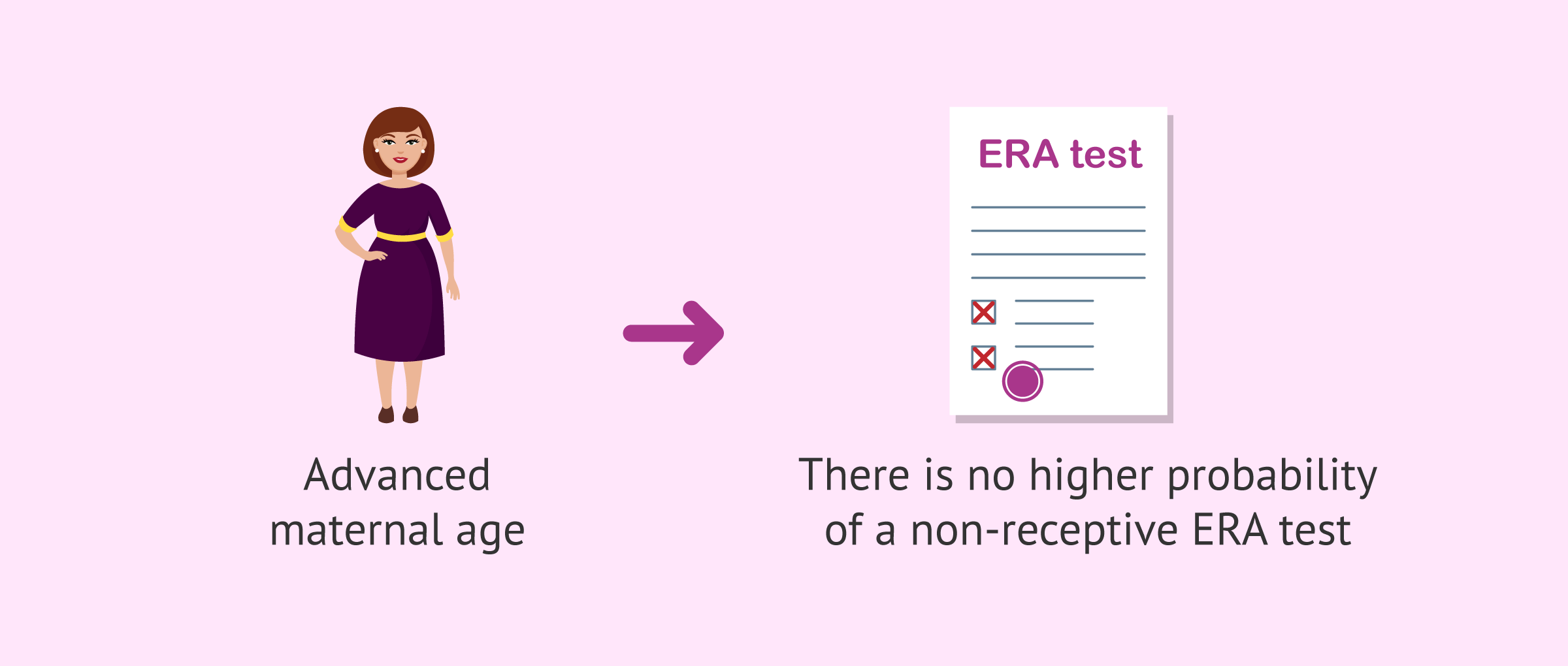
These data suggest that, at a transcriptomic level (analysis of gene expression performed by the ERA test), the patient's age does not seem to drastically alter the receptivity markers measured by this specific test, and there is no higher likelihood of a non-receptive result in the ERA test with age.
Implications for patients
The main conclusion for people undergoing an assisted reproduction process is clear: the age of the uterus was not associated with higher probabilities of an altered result in the ERA test. This implies that the ERA test does not seem to capture the changes of endometrial aging.
Therefore, the authors suggest that the ERA test should not be requested solely based on the advanced age of the woman. Although endometrial aging is a real factor that can affect implantation, this specific diagnostic tool does not appear to be the appropriate method to measure that age-associated decline.
It is important to note that, even in cases where the result was "non-receptive" and the timing of the embryo transfer was adjusted, pregnancy rates showed no significant differences. This reinforces the need to continue investigating other molecular or cellular mechanisms that explain how the uterus ages, beyond what the ERA test currently analyzes.
Community and Support
At inviTRA we work to make monthly and rigorous information accessible to everyone. If this article has helped you, consider supporting us so we can continue accompanying more people on their journey to parenthood.
References
Schwartz KM, Yilmaz BD, Chan M, Cedars MI, Cakmak H, Huang D. Endometrial aging and uterine receptivity: endometrial receptivity analysis (ERA) outcomes in female patients of diverse age groups. J Assist Reprod Genet. 2026 Feb 9. doi: 10.1007/s10815-026-03824-2. Epub ahead of print. PMID: 41661493. (View)


