
Chromosomal translocation is a structural chromosomal alteration characterized by the exchange of fragments between two chromosomes. If this exchange of segments occurs between non-homologous chromosomes, it is known as a reciprocal translocation.
On the other hand, if what happens is that there is a fusion of the centromeres of chromosomes 13,14,15,21, and 22, it would correspond to a Robertsonian translocation.
Frequently, those carriers of translocation have difficulty achieving a pregnancy. Chromosomal translocations are associated with oligozoospermia (low sperm concentration) problems in men. In addition, a translocation in women can lead to an increased risk of miscarriage and female infertility.
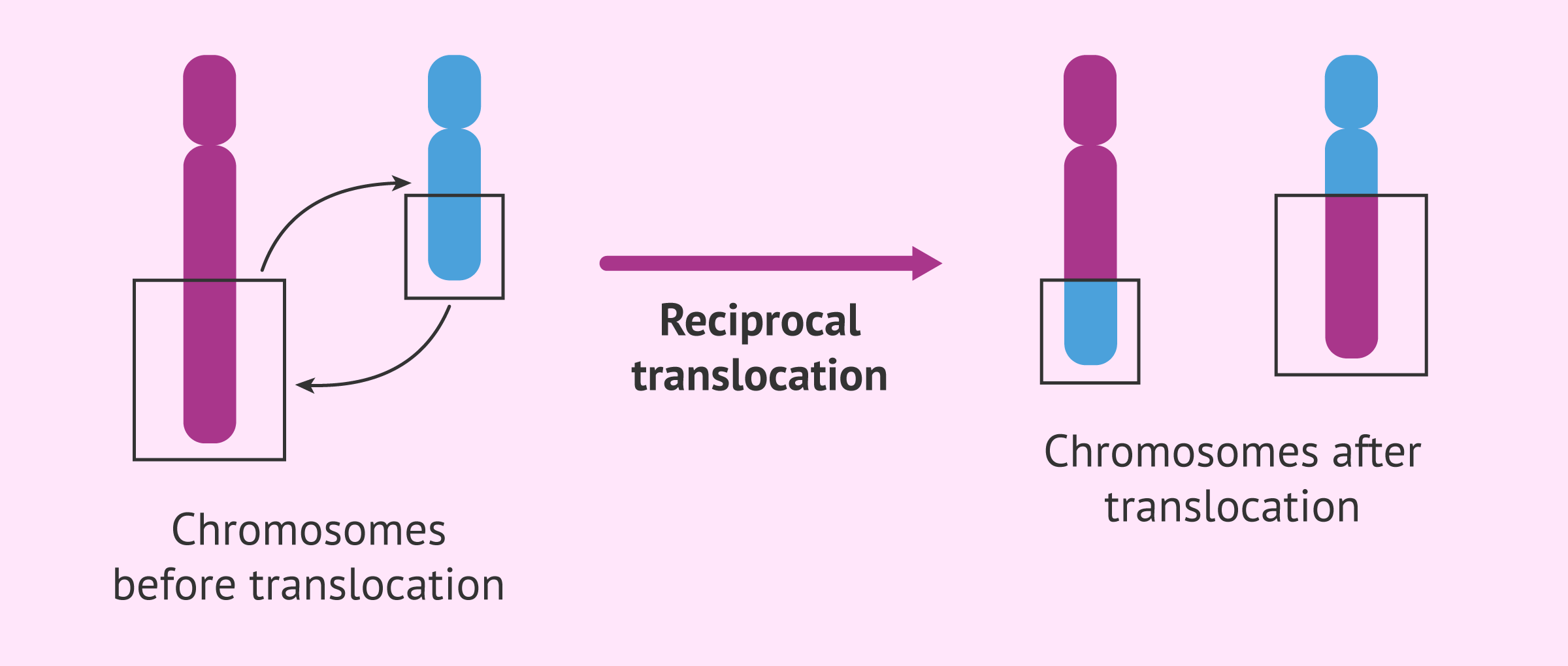
If one or both members of the couple have a chromosomal translocation, it is advisable to resort to in vitro fertilization (IVF) treatment with preimplantation genetic diagnosis (PGD) to achieve your desired pregnancy.
Community and Support
At inviTRA we work to make monthly and rigorous information accessible to everyone. If this article has helped you, consider supporting us so we can continue accompanying more people on their journey to parenthood.
Author

More information about Cristina Algarra Goosman
Find the latest news on assisted reproduction in our channels.

