Endometrioma surgery: techniques that protect ovarian reserve
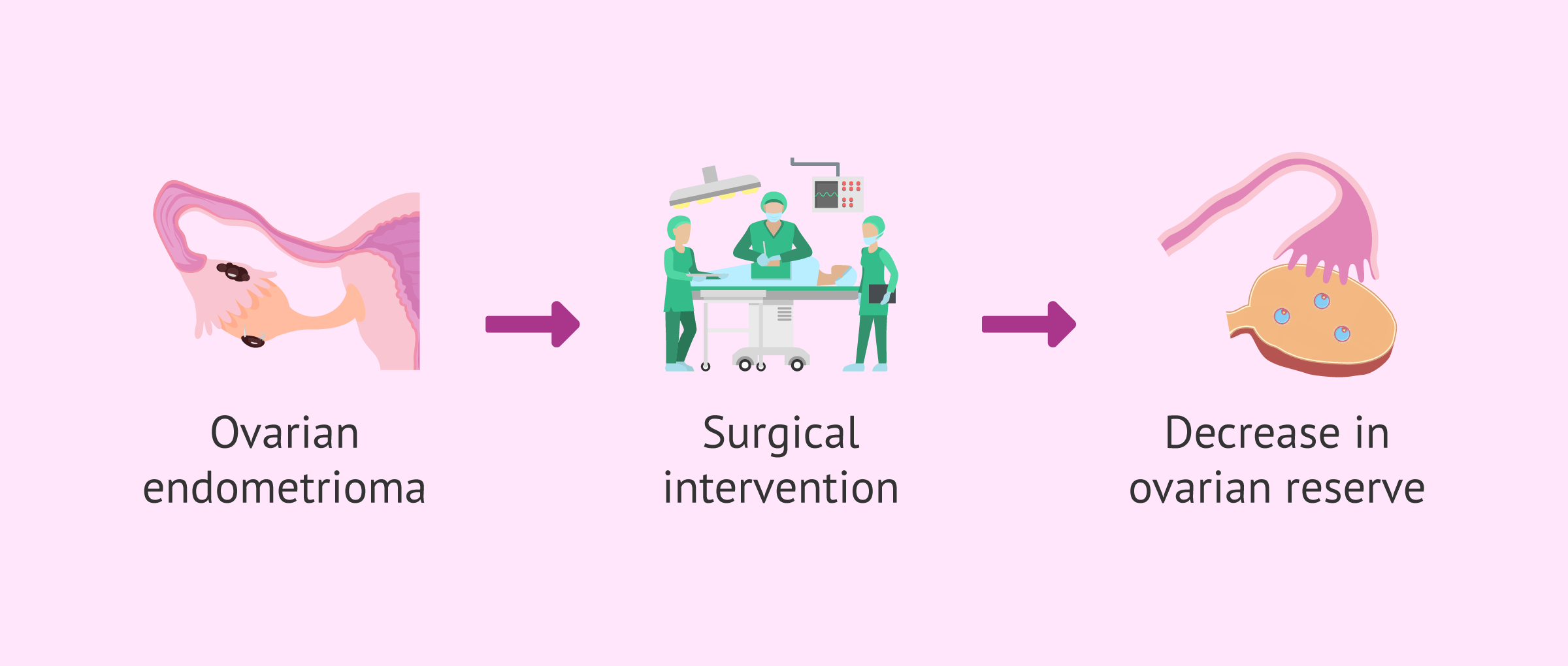
Ovarian endometriomas, commonly known as chocolate cysts, are a very common type of cyst in women of reproductive age with endometriosis, which can negatively affect their ability to achieve pregnancy. Faced with this situation, the need for surgical intervention to remove the cyst often arises, but a major concern emerges: the damage that the surgery itself can cause to healthy ovarian tissue.
To shed light on this problem, a recent and comprehensive study has compared the impact of different surgical methods. This research has been carried out by specialists Konstantinos Nirgianakis, Dimitrios Rafail Kalaitzopoulos, Nikolaus Fadinger, Michael D Mueller, and Chiara Gastaldon, affiliated with the University Hospital of Bern (Switzerland), the Gynecological Surgery Center of Heraklion (Greece), the Cantonal Hospital of Schaffhausen (Switzerland), the Institute of Social and Preventive Medicine in Bern (Switzerland), and the University of Verona (Italy).
The different sections of this article have been assembled into the following table of contents.
Contents
- 1.
- 2.
- 3.
- 4.
- 5.
The risk of ovarian surgery
The surgical removal of an endometrioma is a common strategy to improve pregnancy chances. However, the intervention is not without risks.
The main drawback is that the procedure can injure the surrounding ovarian tissue, resulting in a reduction of the woman's ovarian reserve. For this reason, the choice of surgical technique is a decisive factor for future reproduction.

This study comprehensively analyzed how different surgeries affect the levels of anti-Müllerian hormone (AMH), a key indicator of ovarian reserve, evaluated 3-6 months after the intervention.
Surgical techniques that protect ovarian reserve
After analyzing several trials, the researchers identified which procedures are less harmful to the ovary. Among the most notable findings, they discovered that certain techniques would be associated with a lower negative impact on the ovarian reserve:
- Drainage with hemostatic sealants: consists of emptying the cyst and applying materials that stop the bleeding, avoiding damage to the tissue.
- Cystectomy with suturing: involves the removal of the cyst followed by the suturing of the remaining ovarian tissue.
These methods were associated with relatively minor decreases in anti-Müllerian hormone levels in the months following the intervention, suggesting greater protection of healthy ovarian tissue.
Care of antral follicles
In addition to the anti-Müllerian hormone, ovarian reserve is also measured by the antral follicle count (AFC), which are the small sacs in the ovaries that contain the eggs. The study also evaluated this parameter to gain a complete view of the surgical impact.
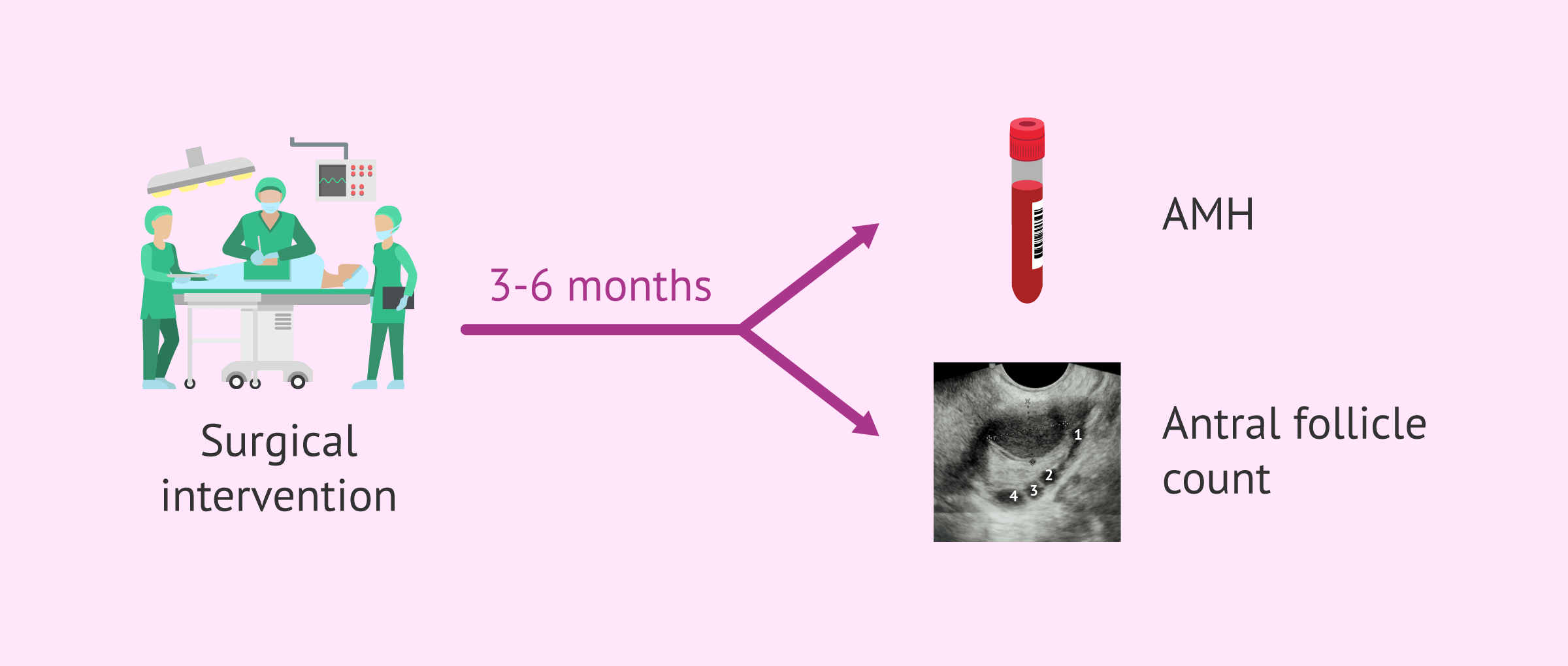
The results indicated that laser ablation showed higher values in preserving the antral follicle count 3-6 months after surgery, also positioning itself as an alternative to consider for reducing ovarian damage.
The future of endometrioma surgery
Despite these encouraging advances, the authors of the research emphasize that the current evidence is based on a limited number of clinical trials. It is essential to remember that each case is unique and the choice of treatment must be personalized.
Given the high number of women undergoing these surgeries worldwide, there is an urgent need for more controlled, multicenter, and large-scale clinical trials. These future studies will be key to definitively comparing pregnancy rates and confirming the long-term efficacy and safety of these surgical techniques.
We make a great effort to provide you with the highest quality information.
🙏 Please share this article if you liked it. 💜💜 You help us continue!
References
Nirgianakis K, Kalaitzopoulos DR, Fadinger N, Mueller MD, Gastaldon C. Comparative effect of different surgical treatments for ovarian endometrioma on anti-Müllerian hormone levels: a systematic review and network meta-analysis. Hum Reprod Open. 2026. (View)