
assisted reproduction techniques
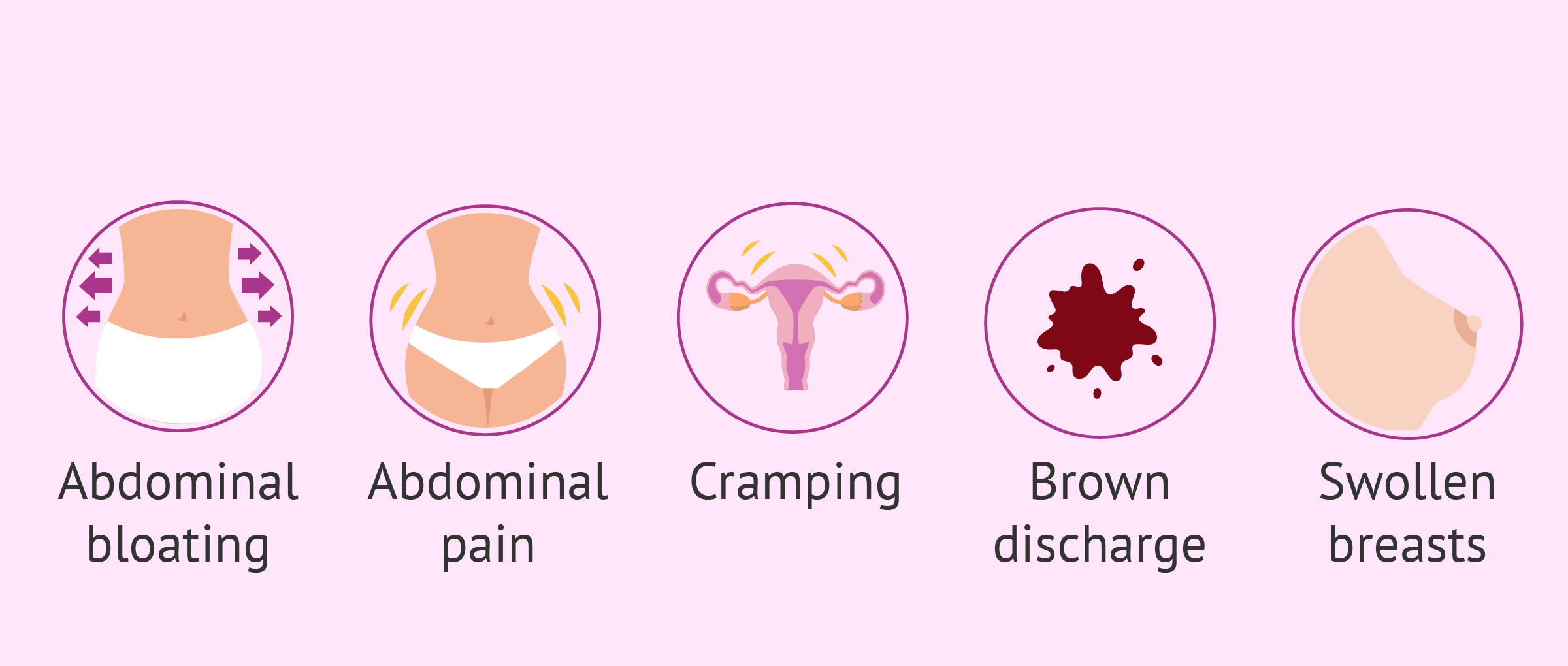
What to do after artificial insemination? Two week wait and advice
In general, rest is useless after an IUI cycle. You can continue with your usual daily routine. However, you may notice some uncomfortable symptoms caused by the use of fertility drugs. Read more
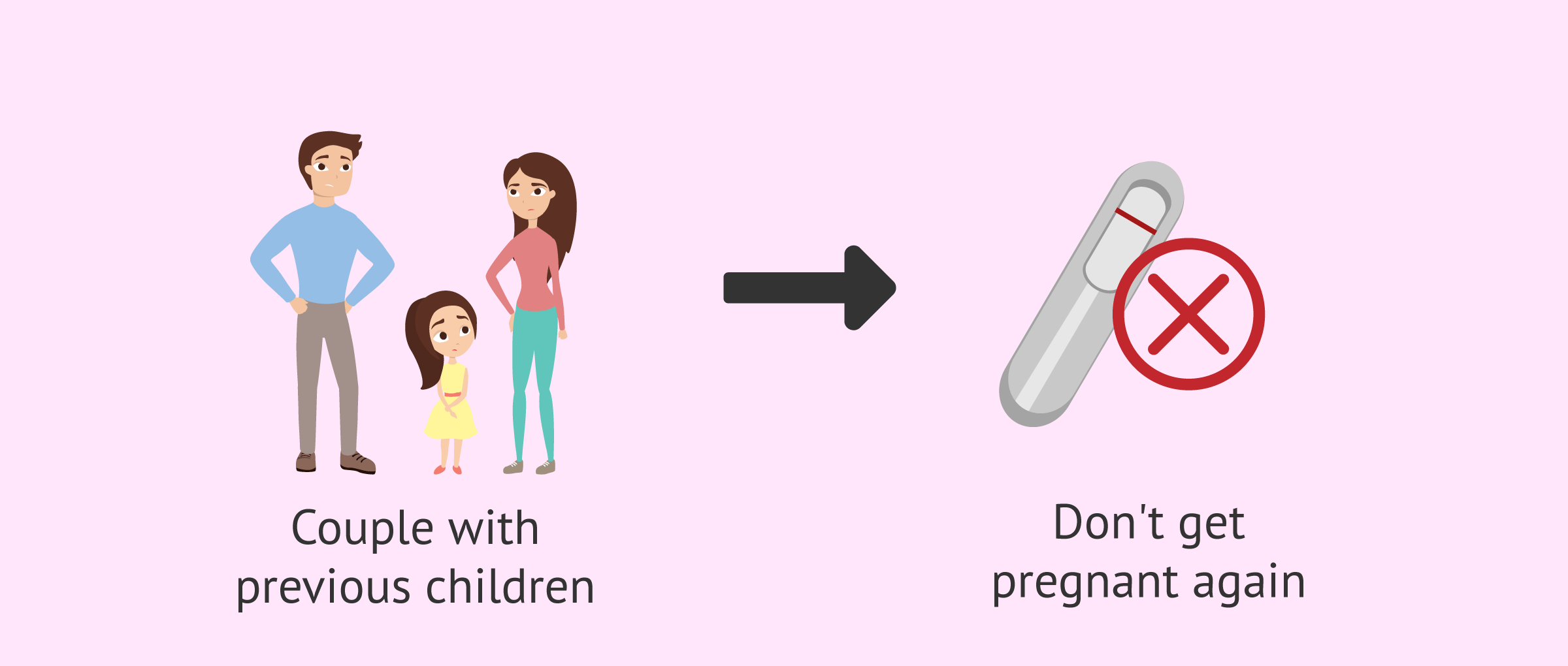
What are the differences between primary and secondary infertility?
The main difference between primary and secondary infertility is whether the couple has had a previous child or not. In the case of not having children, the couple will suffer primary infertility and if they have already had a baby in the past but now they have not, the infertility will be considered secondary Read more

Male sterility and low semen quality due to obesity
Men with a body mass index (BMI) greater than 30 may have infertility problems, since obesity affects semen quality and can cause oligospermia, asthenospermia, teratospermia and sperm DNA fragmentation Read more
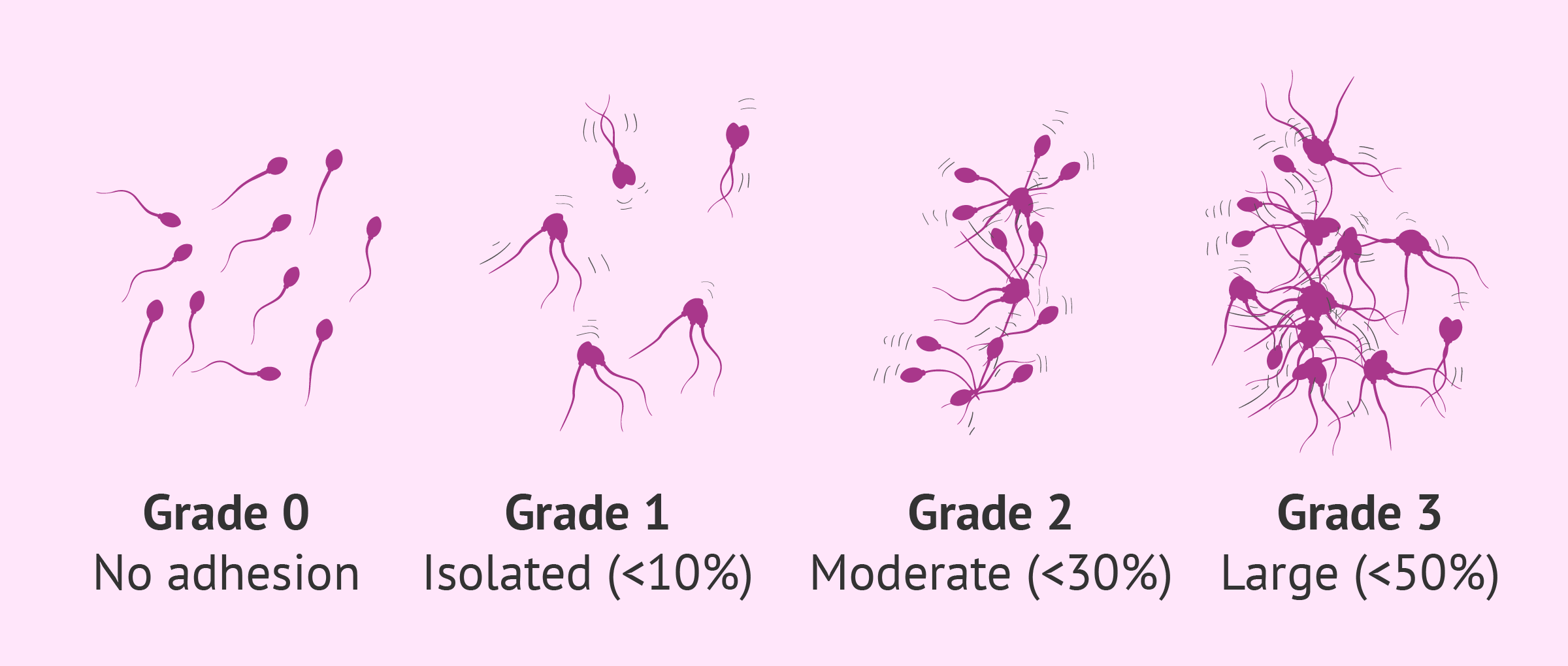
What Is Agglutination in Sperm? - Causes, Symptoms & Treatment
The spermatic agglutination consists on the formation of heaps of spermatozoa. These adhesions may be through the head or the tail and they prevent the spermatozoa from displacing and fertilising the egg. Read more
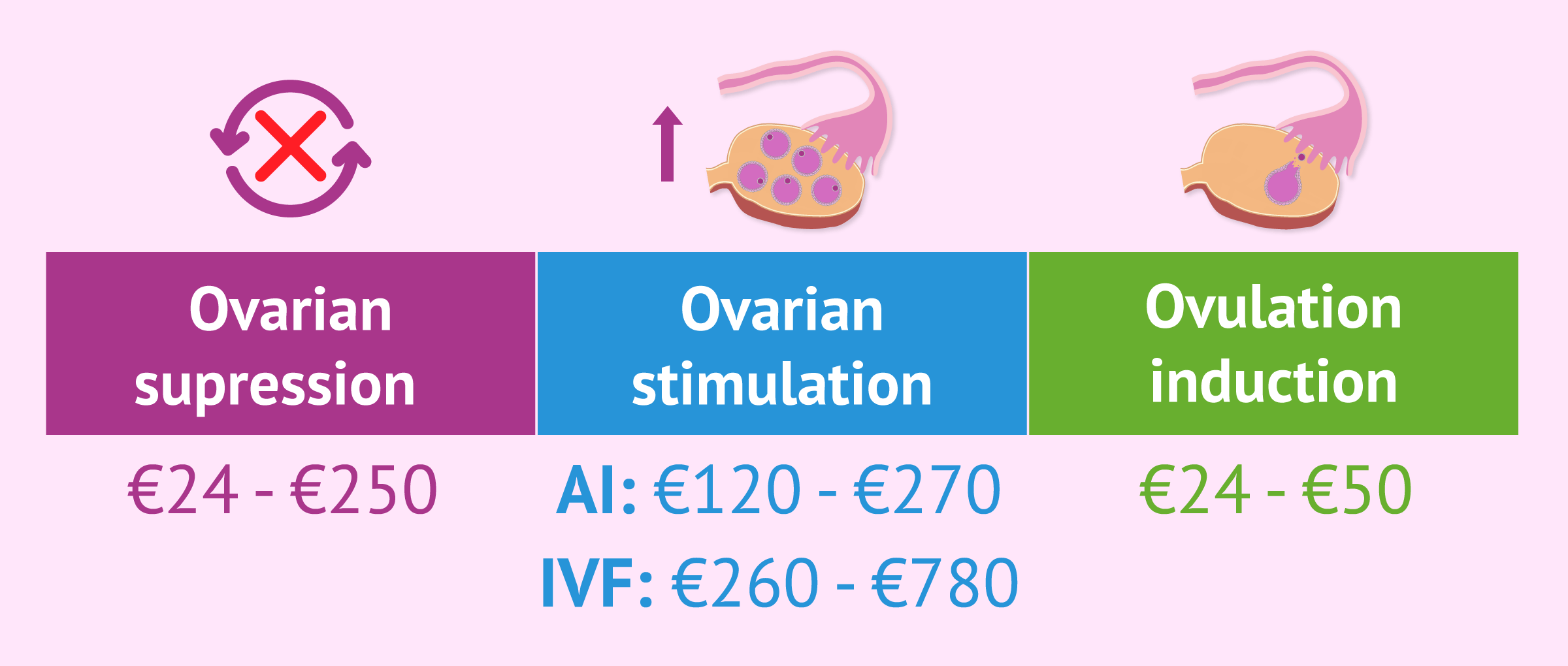
The cost of hormonal medication in assisted reproduction treatments
The price of assisted reproductive techniques is augmented by hormonal medications required, which are not included in the initial estimate. Read more

When should you see a fertility specialist?
The moment when a couple should see a specialist is when, after more than a year of frequent unprotected sexual intercourse, pregnancy is not achieved. In the case of single women or lesbian couples, professionals should be consulted when they wish to achieve their desire to become mothers. Read more
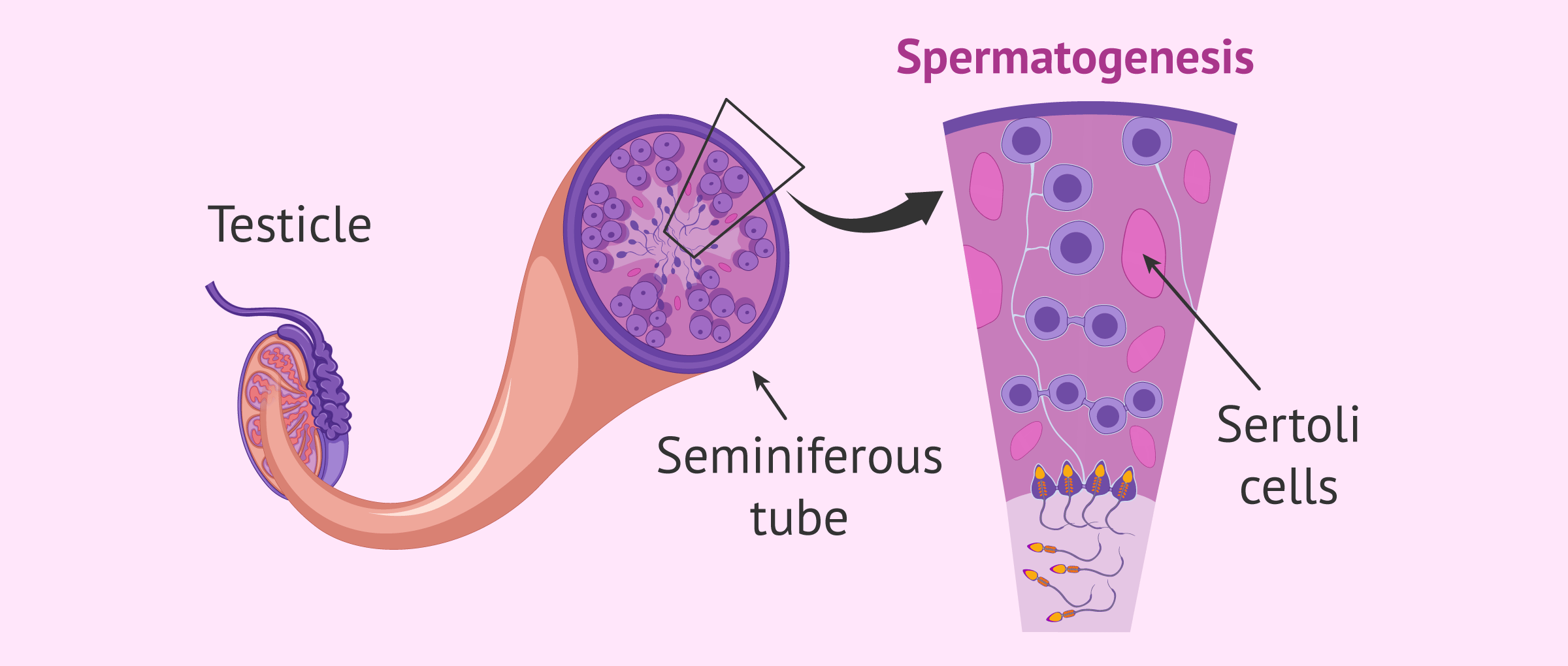
What is Sertoli syndrome? - Causes and possible treatment
Sertoli syndrome has a low incidence in the population, but men who suffer from it are unable to produce spermatozoa and, generally, must resort to sperm donation in order to become fathers.
Read more
Recommendations for starting assisted reproduction treatment
Assisted reproduction is generally a very unknown field, so resorting to fertility treatment is often complicated. For this reason, being sure about the chosen clinic, preparing the visits to the specialist correctly and facing the treatment in a positive way will make the process easier. Read more
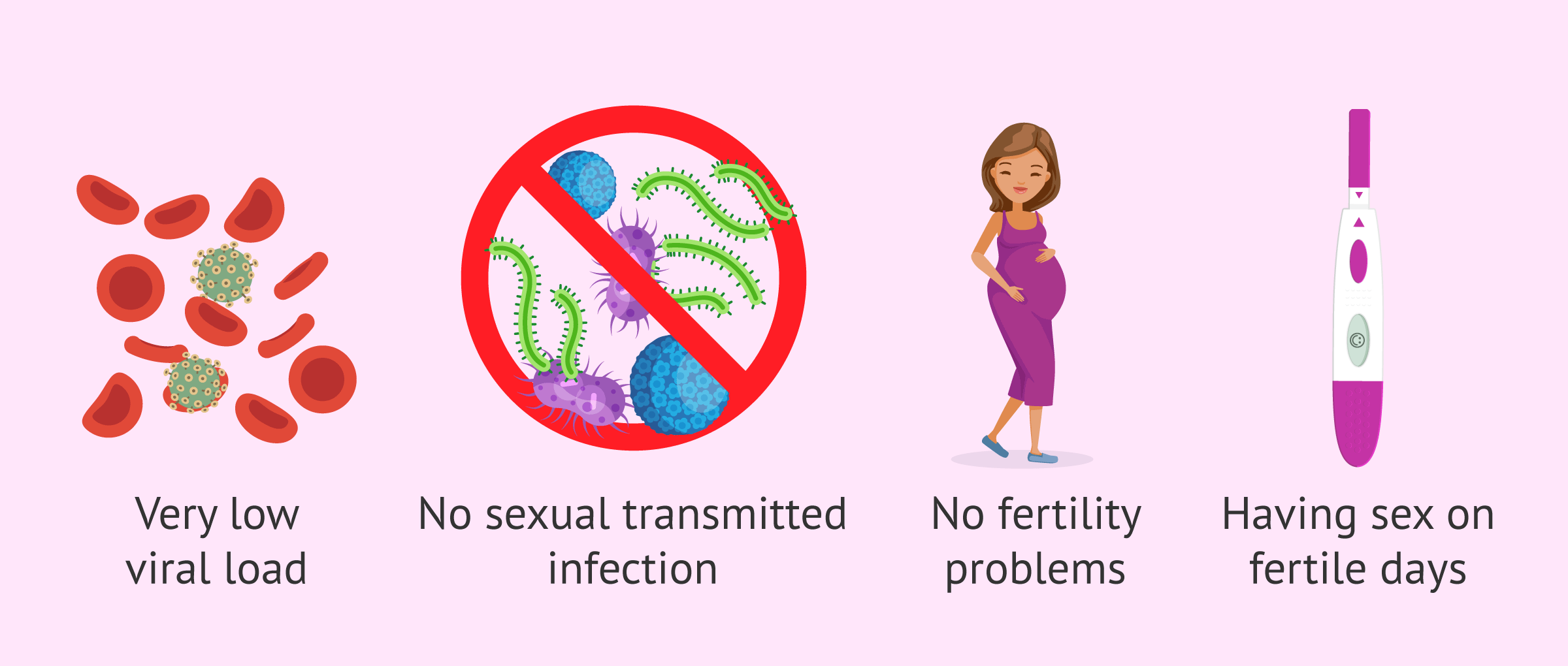
Can You Have a Healthy Pregnancy If You Are HIV Positive?
Having a baby if you are HIV-positive is possible, with no risk of transmitting the desease. If the man is affected, a sperm washing will be carried out; in the case of the woman, a medication during the pregnancy and a cesarean labour will be necessary. Read more

Success rates for egg and sperm donation in Cyprus
In general, gamete donation translates into an overall improvement in the success rates if compared to those obtained using the patient's own reproductive cells. Read more

Success rates for egg and sperm donation in Greece
Greek fertility centers are not legally bound to make their statistics public. For this reason, determining success rates for fertility treatments in Greece becomes complicated. However, there is prove that the use of donor gametes improves the outcomes of fertility treatments, especially when using donor eggs. Read more

Success rates for egg and sperm donation in Spain
Do egg and/or sperm donation treatments increase the chances of getting pregnant? What are ART success rates among fertility treatments where donor eggs and/or sperm are used? Read more

