
In vitro fertilization
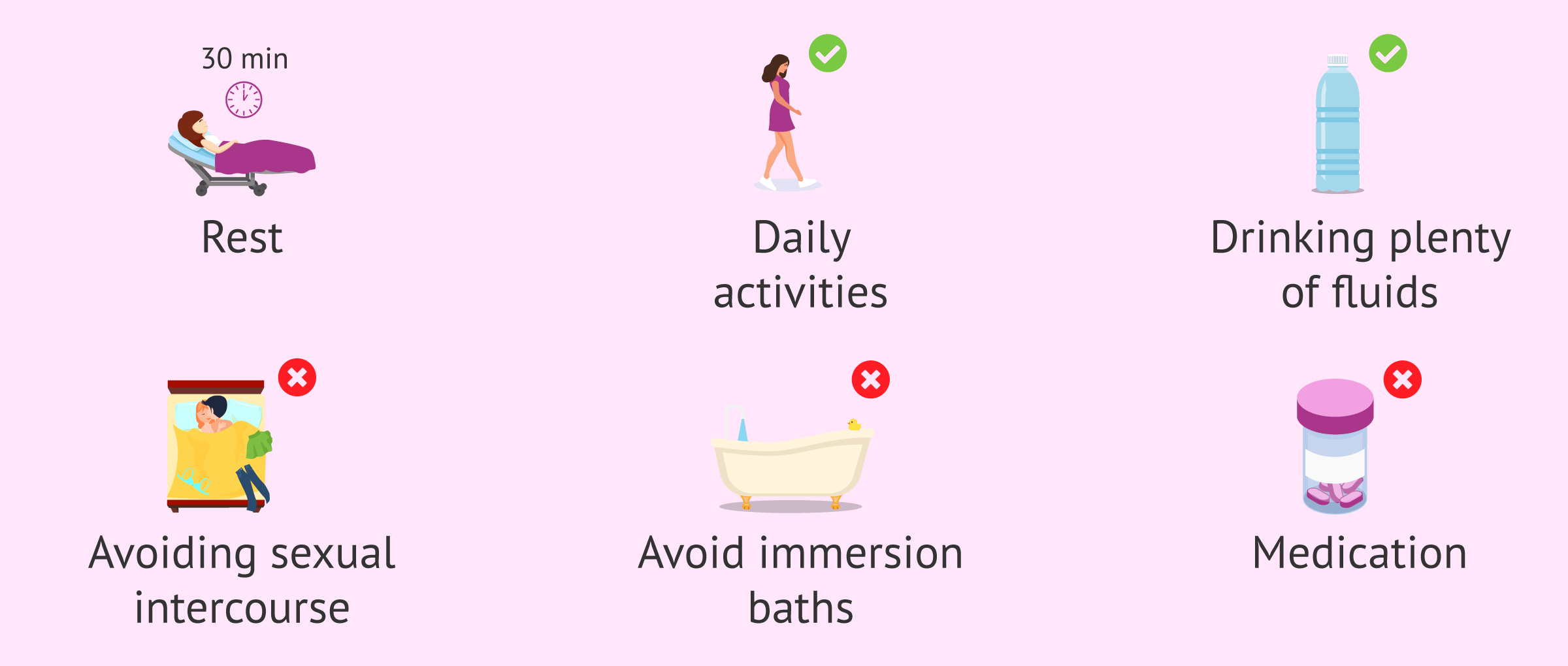
What to do after embryo transfer? - Recommendations
When the embryo transfer to the mother's uterus takes place, a period of time known as beta waiting begins. There are many doubts, fears, questions about what to do and what not to do. However, life after embryo transfer is completely normal, there is no need to obsess. Read more
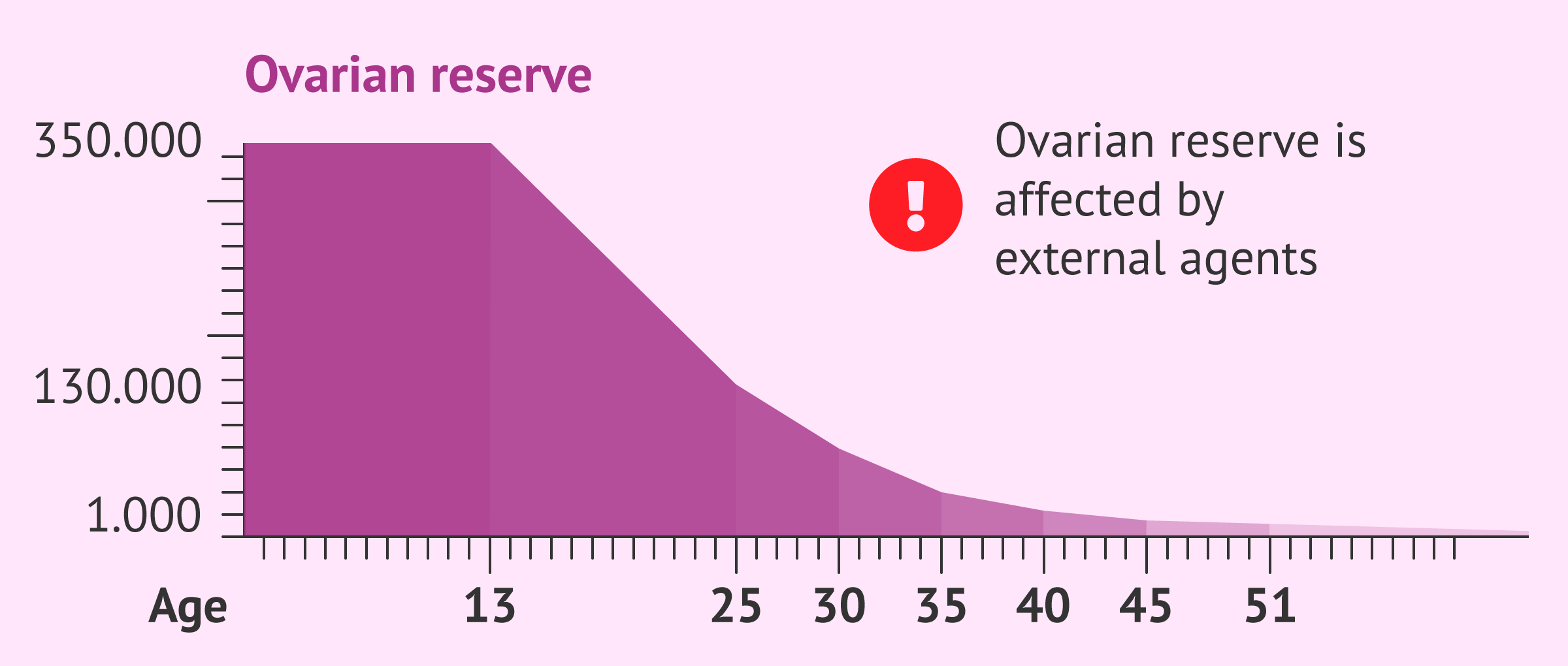
Low ovarian reserve? Causes and possibilities of getting pregnant
Low ovarian reserve refers to the low number of oocytes available in a woman's ovaries at a given time in her life. It is one of the main causes of female infertility and is strongly related to age, since after 35 years of age, the ovarian reserve drops drastically. Read more
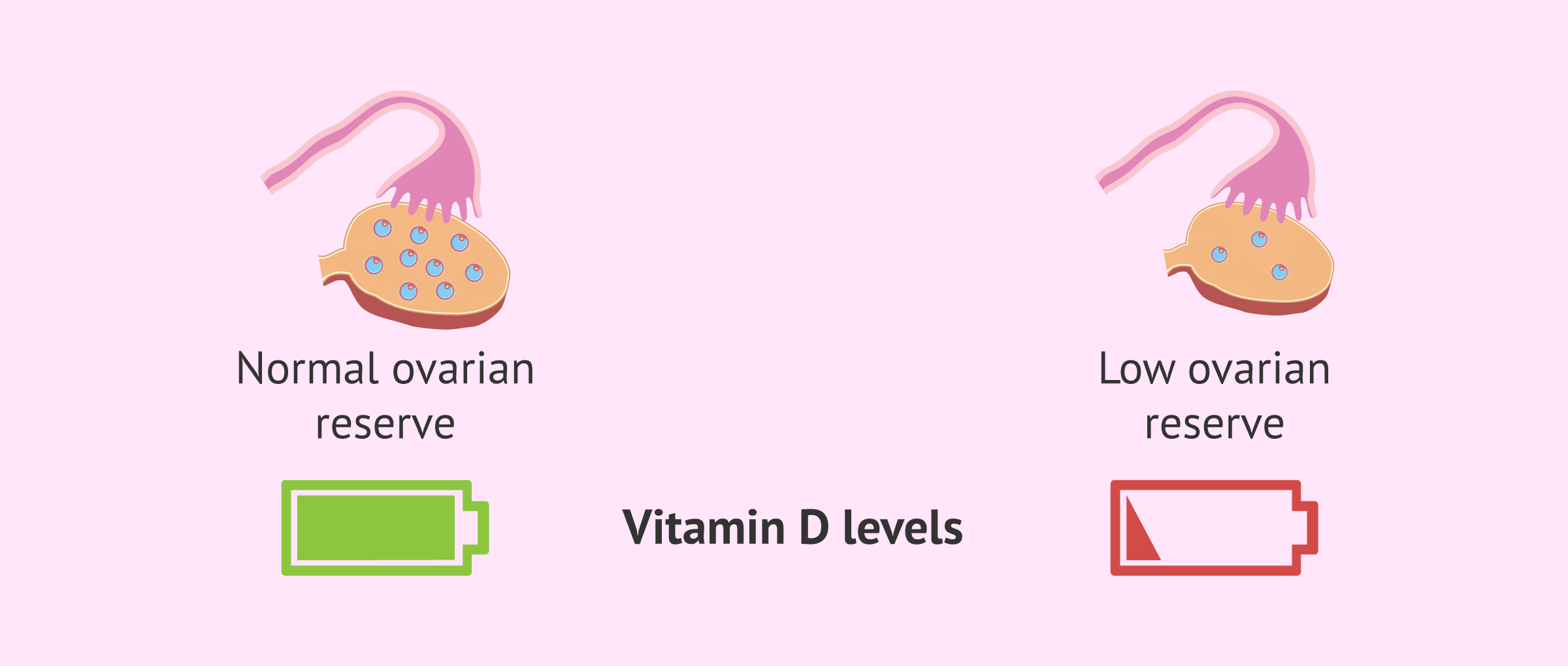
Vitamin D: the unexpected secret in your low ovarian reserve
A recent study shows that patients with low ovarian reserve and optimal vitamin D levels manage to retrieve more eggs and have higher fertilization rates. Maintaining good levels could be a cheap and simple key to pregnancy success. Read more
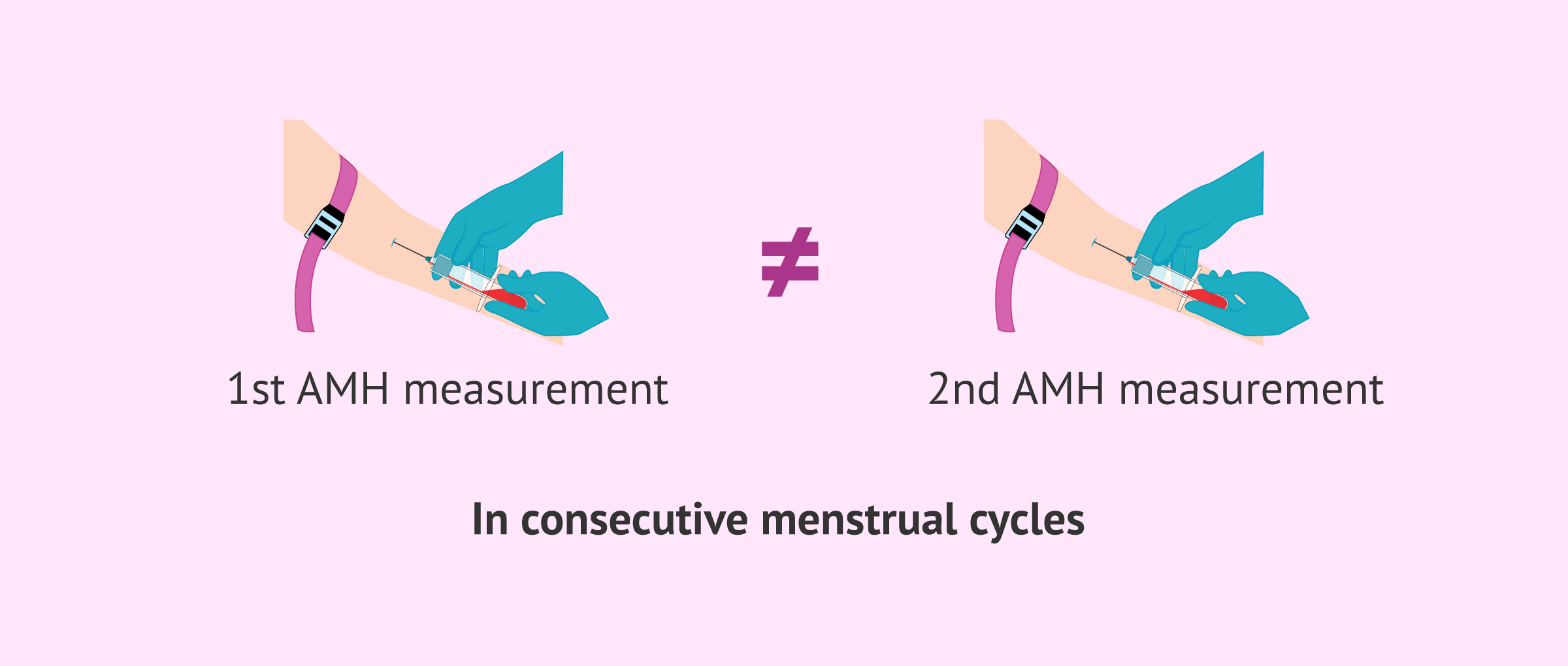
Anti-Müllerian Hormone: Is a single ovarian reserve test enough?
A new study reveals that Anti-Müllerian Hormone (AMH) varies by 44% from one cycle to another, which can cause misdiagnoses of ovarian reserve. Discover why repeating the test just before treatment improves the prognosis of the eggs obtained. Read more
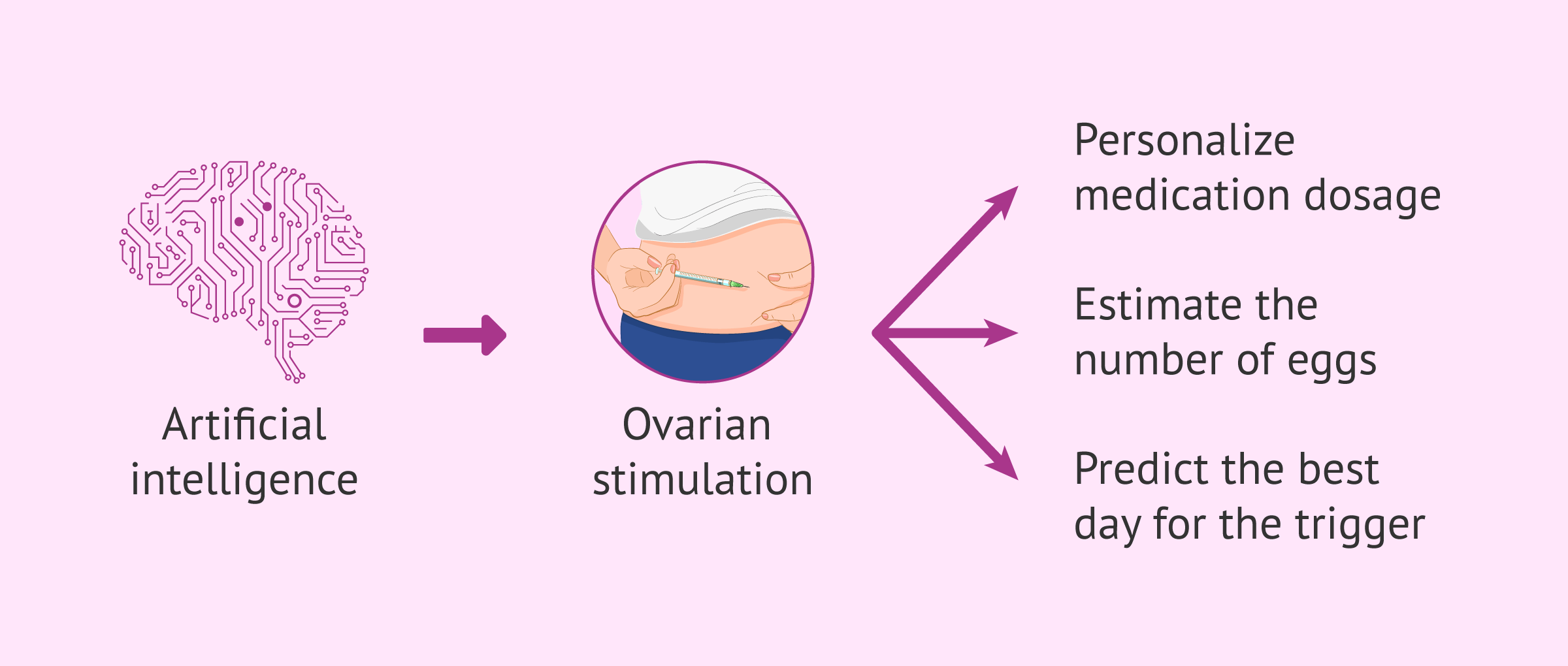
Artificial Intelligence in IVF: Advances for Fertility
Artificial intelligence is revolutionizing assisted reproduction. This technology allows for the personalization of ovarian stimulation, improves the selection of eggs, sperm, and embryos, and optimizes laboratory work, which promises to significantly increase success rates in the near future.
Read more

Ovoclinic Marbella
02/24/2026|49
Ovoclinic Marbella, based in the Spanish province of Málaga, is a fertility clinic equipped with cutting-edge technology, and made up of a highly-experienced medical team. Read more

Cryopreservation & Vitrification of Embryos, Sperm & Eggs
Cryopreservation of gametes and embryos provides flexibility when it comes to preserving one's fertility. Learn about the methods available and costs here.
Read more
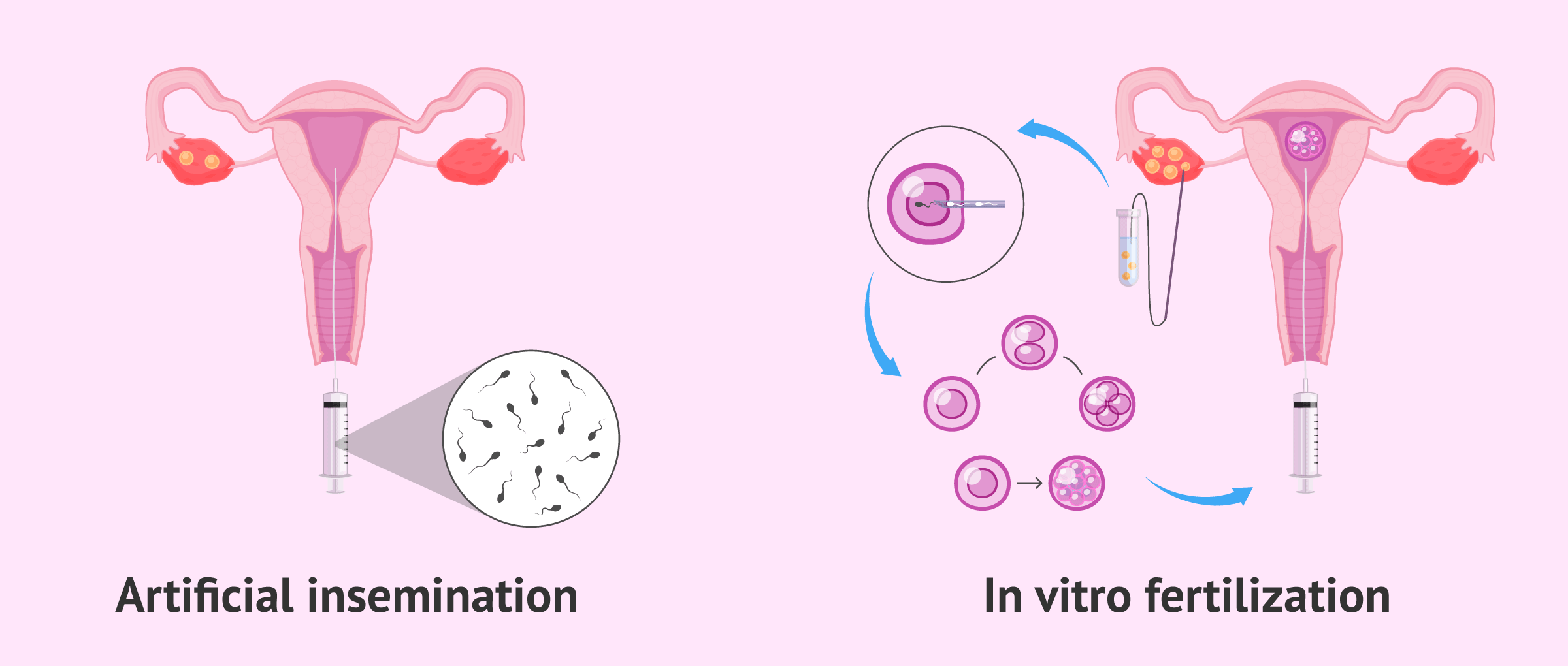
What are Assisted Reproductive Techniques (ART)? - Types & Costs
Assisted Reproductive Technology (ART) is the set of techniques and treatments recommended in cases of male and female infertility to achieve pregnancy. Read more
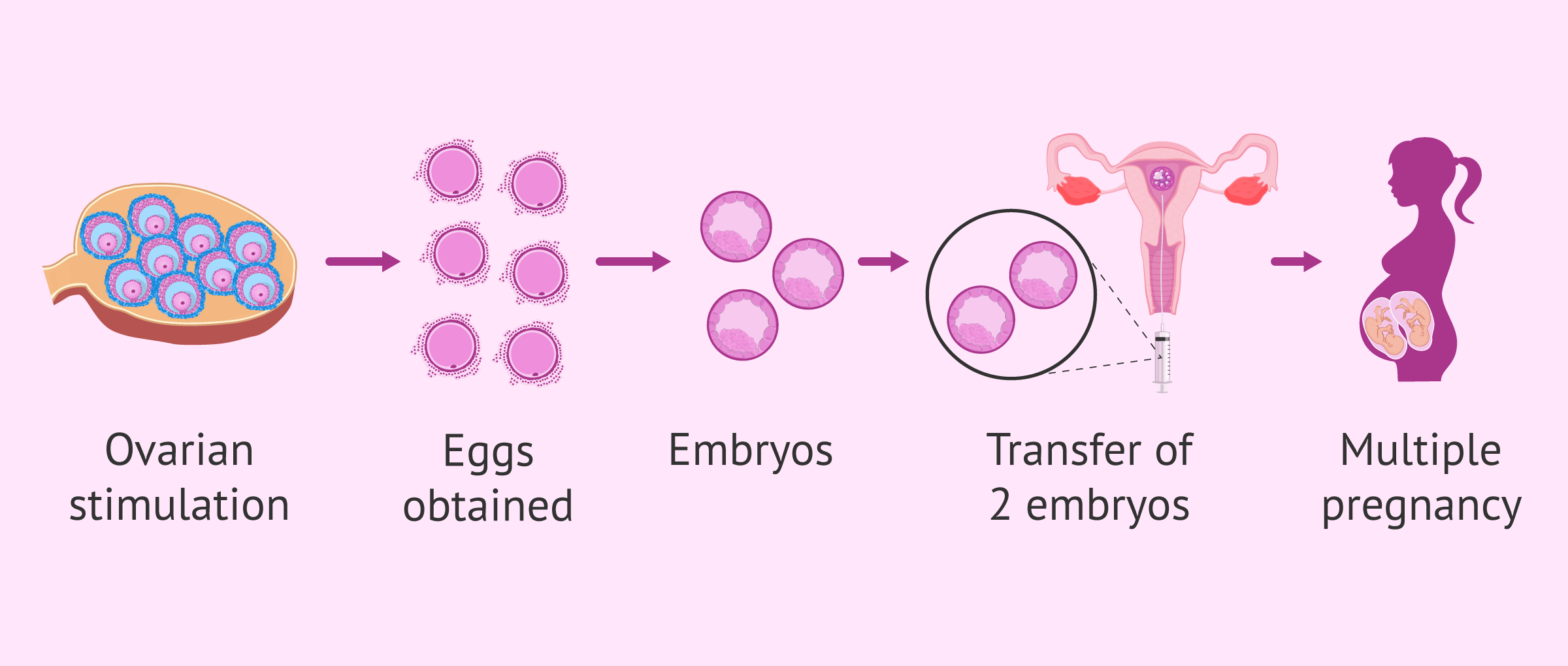
Multiple pregnancies and assisted reproduction: the pros and cons
Due to the number of risks associated, twin or multiple pregnancy following assisted reproduction can be prevented with a single embryo transfer. Read more
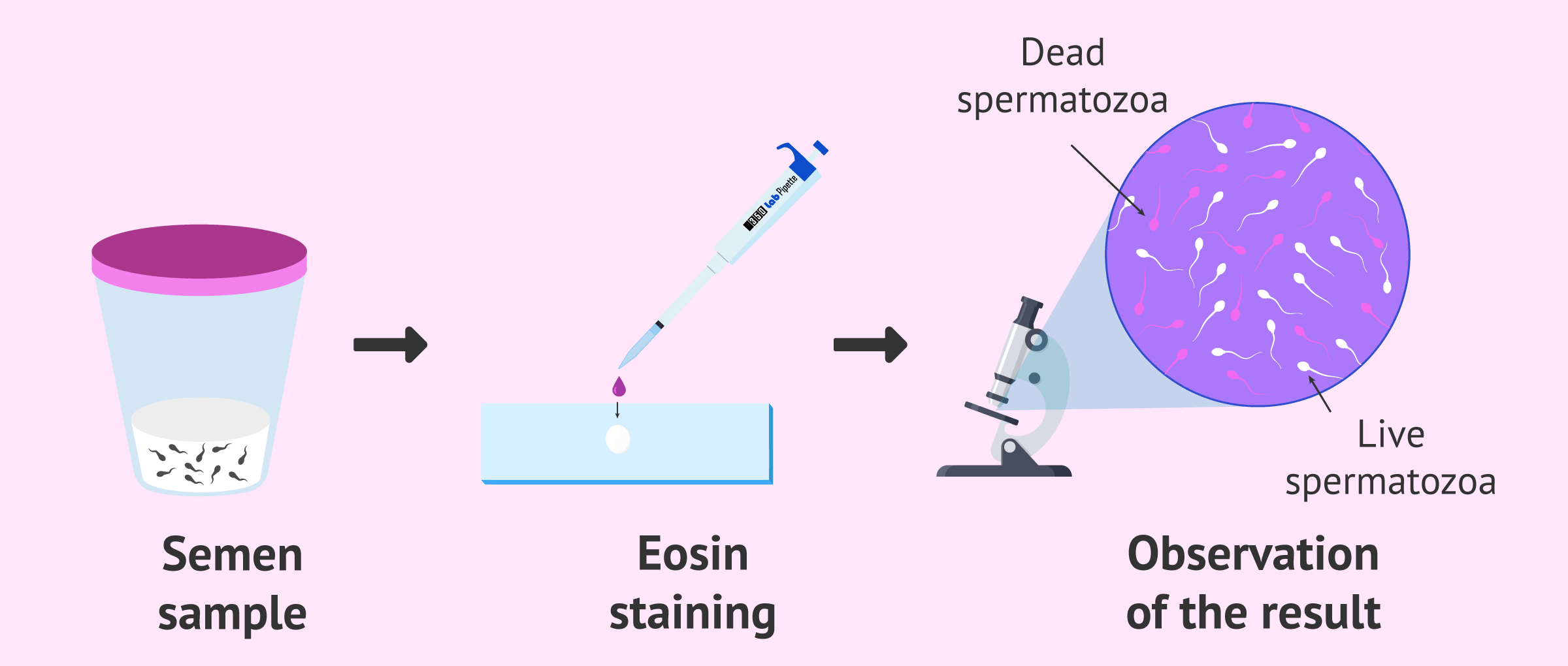
Which Methods Are Used to Assess Sperm Vitality?
The determination of live and dead spermatozoa (vitality index) is made when the percentage of immotile spermatozoa in the spermogram is high. Read more

Fertility treatments for couples: how to achieve pregnancy?
Each couple is different and, therefore, assisted reproduction treatments are not universal or the same for all patients. In each fertility treatment, a personalized diagnosis and follow-up is performed to increase the chances of success and achieve the ultimate goal: pregnancy. Read more
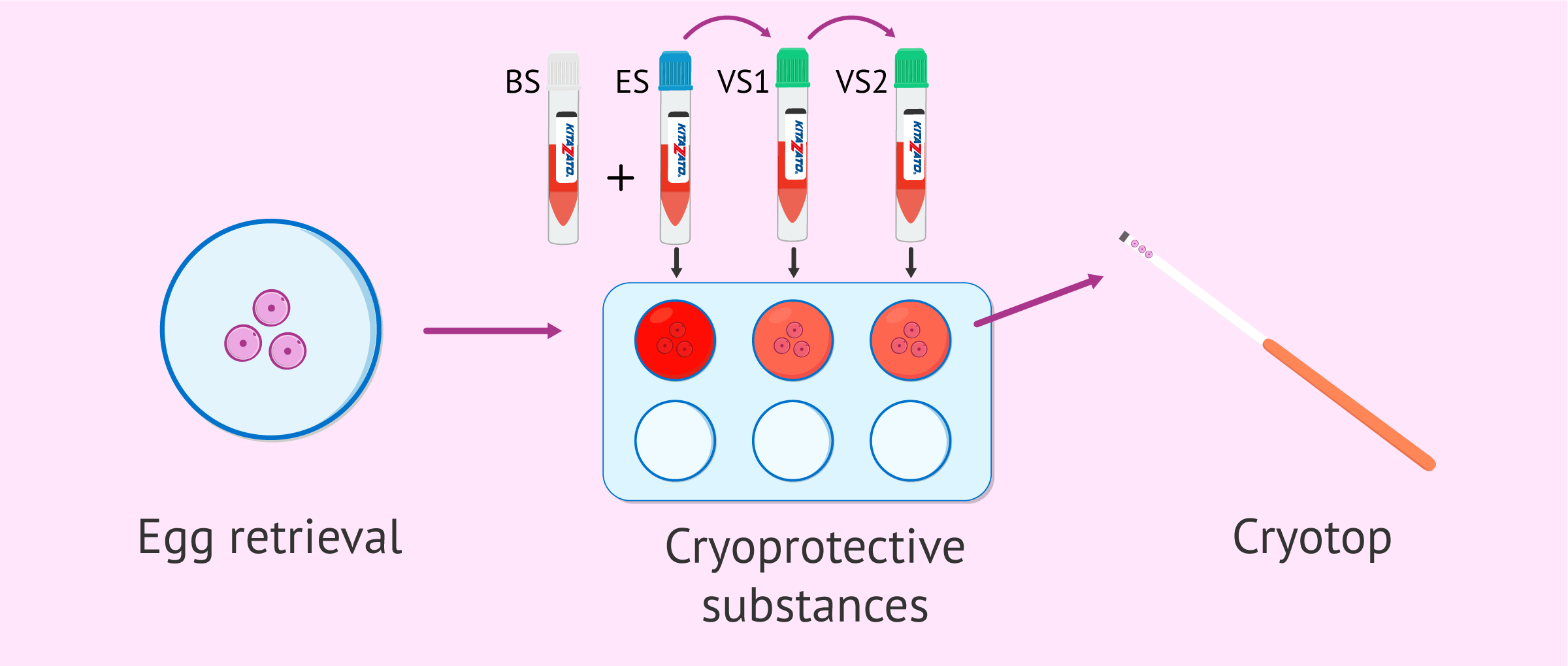
What is meant by egg vitrification and what are its advantages?
Vitrification or "freezing" of eggs is the assisted reproduction technique that allows preserving a woman's fertility until the moment she wishes to become a mother. In this way, the eggs remain vitrified in liquid nitrogen at -196ºC until the woman decides to use them to become pregnant. Read more

