
Article
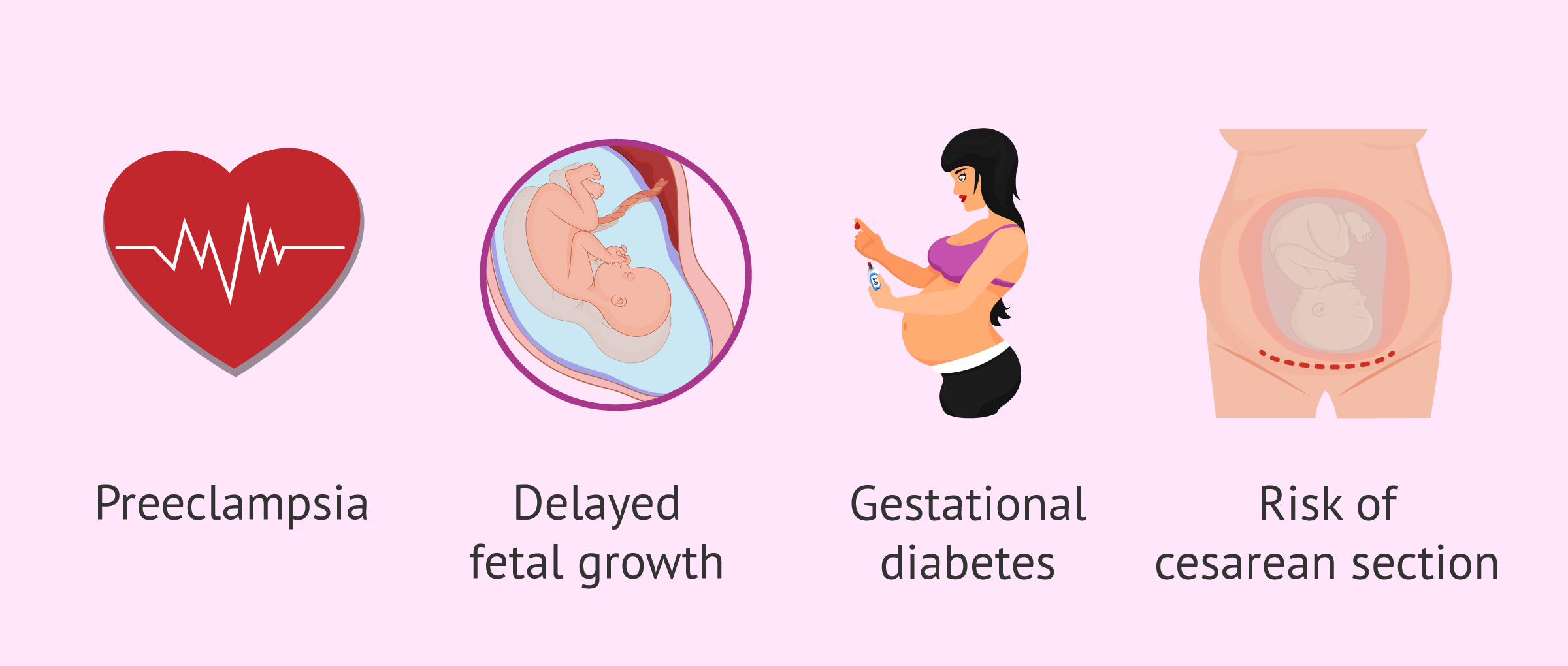
Does vitamin D influence pregnancy and fertility?
The extra intake of vitamin D to improve female and male fertility has been widely studied. This vitamin is related to a better implantation of the embryo in the uterus and, therefore, a higher probability of pregnancy. In addition, it could be related to better sperm motility.
Read more
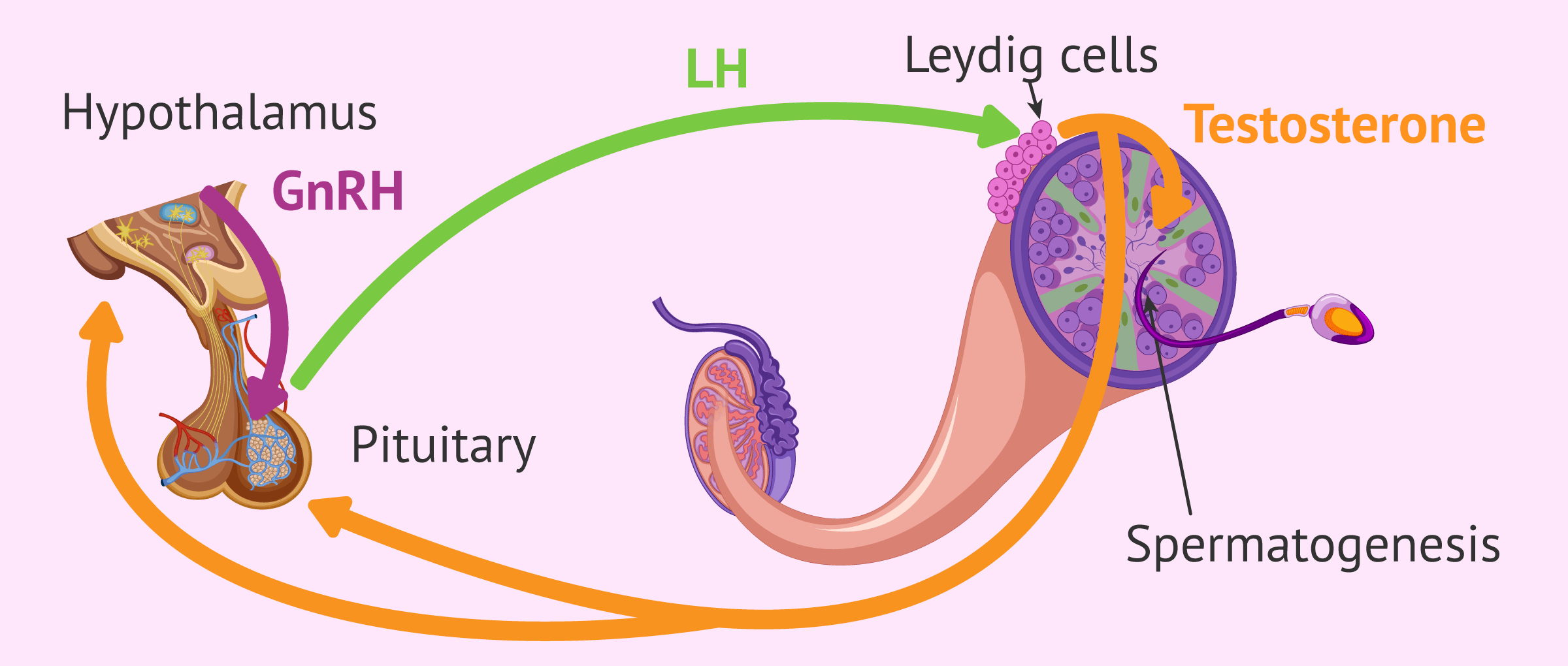
What are the functions of the LH hormone in the reproductive cycle?
The luteinising hormone is a type of gonadotropin hormone. It is secreted by the pituitary gland thanks to GnRH action and it is one of the responsibles for regulating woman's reproductive cycle.
Read more
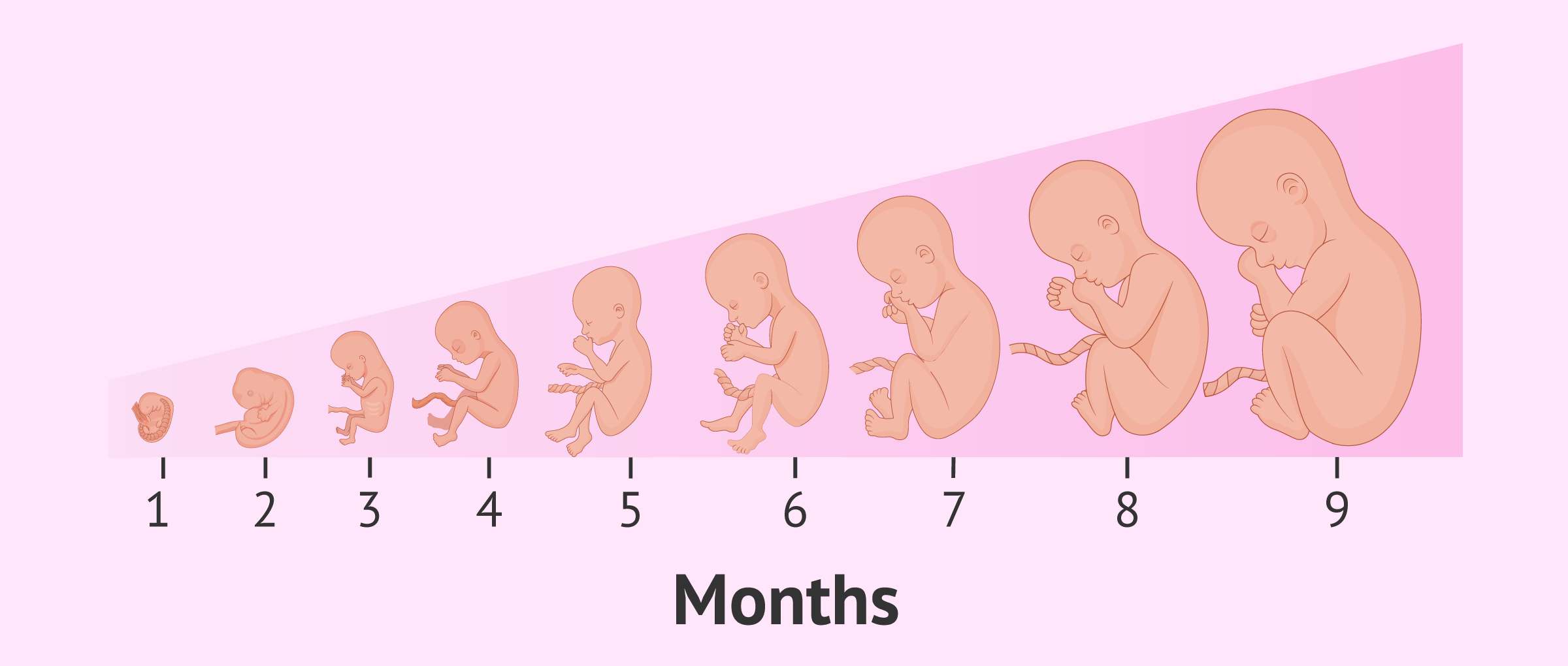
Pregnancy - Symptoms, Care & Fetal Development
When a woman realizes she is pregnant, many questions arise. These questions are usually related to: fetal development, medical supervision and fetal ultrasounds, symptoms and/or nuisances, her emotional status during the whole process, etc.
Read more
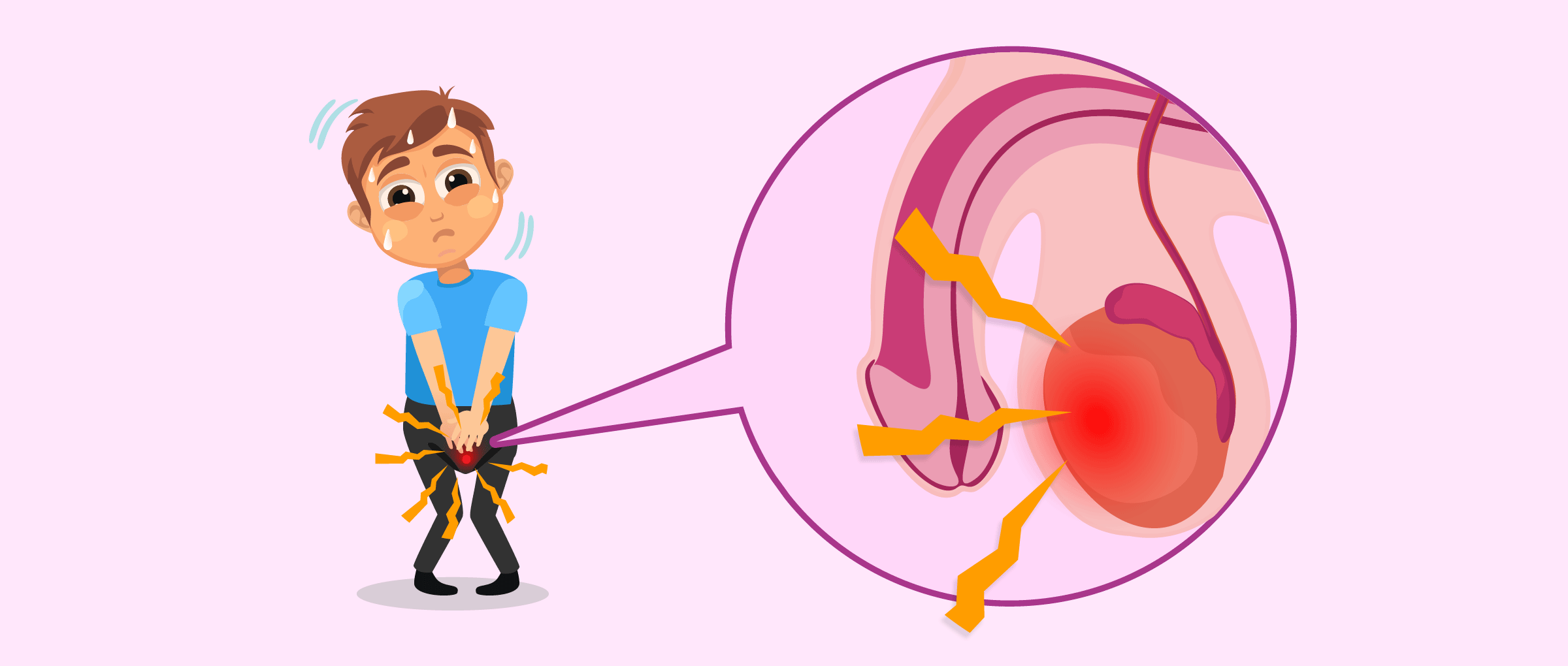
What is Testicular Orchitis? Symptoms, Causes and Treatment
Testicular orchitis consists of an inflammatory process of the male gonad due to trauma to the testicles or a bacterial or viral infection. This alteration can cause male sterility and, therefore, must be treated.
Read more

Fluorescent in situ hybridization FISH: Alterations in Sperm Cells
The study of FISH in spermatozoa allows the genetic content of these gametes to be analysed, giving more information on the study of male fertility. Specific fluorescent probes are used for chromosomes 13, 18, 21, X and Y mainly.
Read more
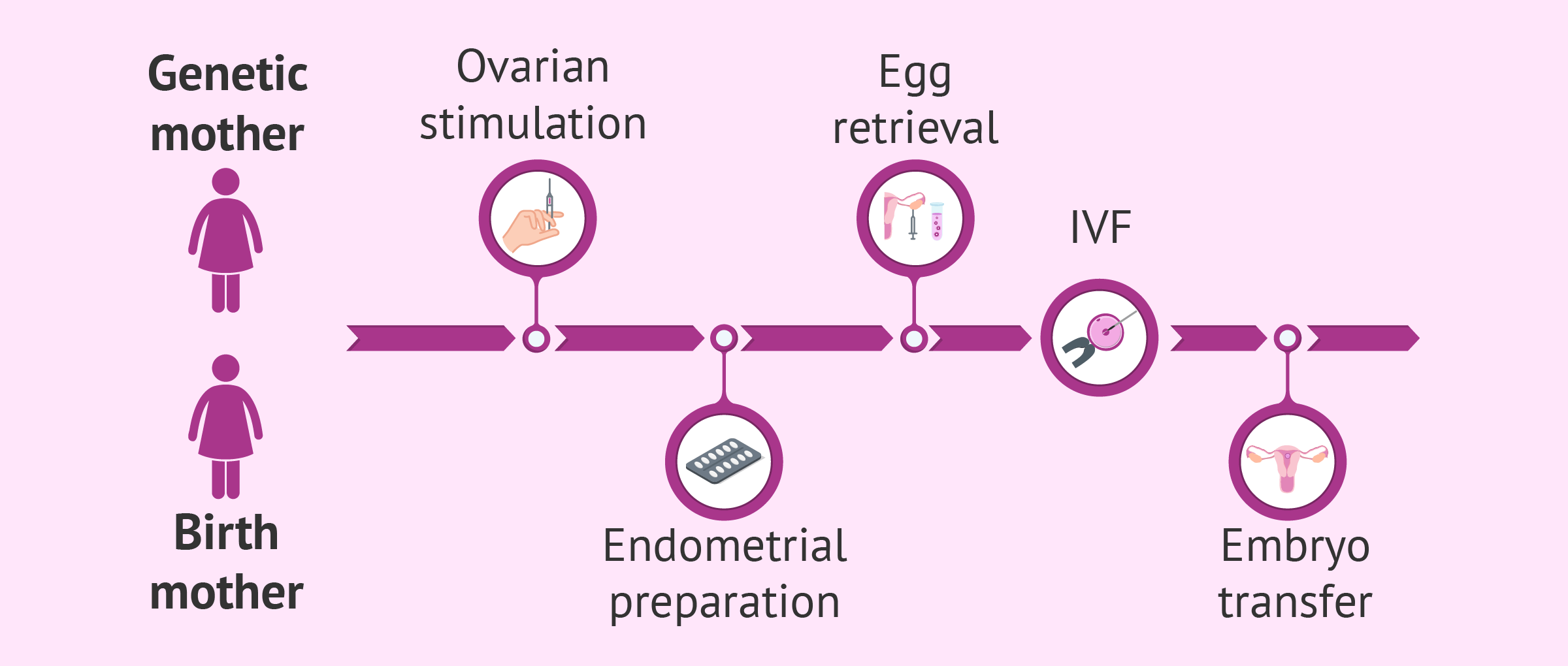
What is reciprocal IVF? - IVF with donor egg from female partner
Reciprocal IVF, or ROPA (reception of the partner's eggs) is an IVF technique in which the two women of a lesbian homosexual couple can actively participate in the process of trying for their baby. For this purpose, one of the women will provide the eggs, while the other woman will be in charge of gestation.
Read more
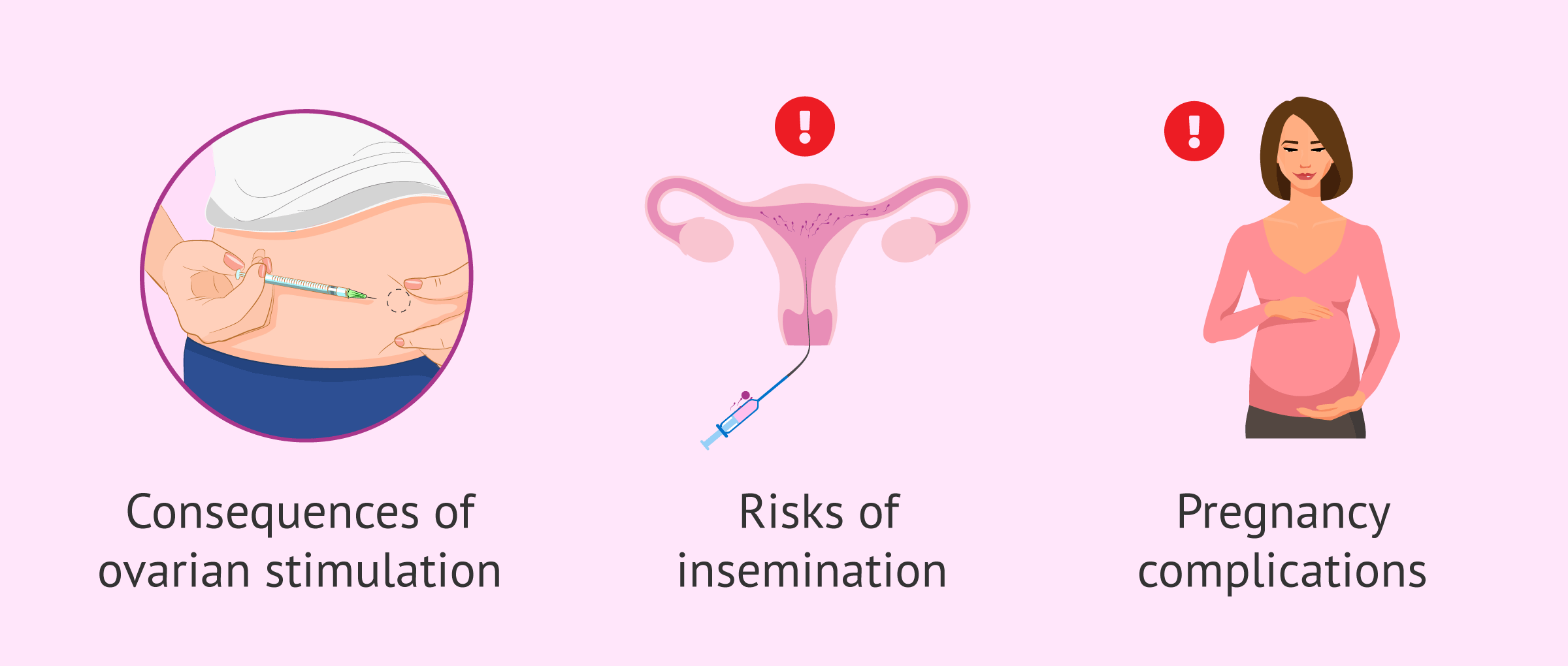
What are the risks or consequences of artificial insemination?
Artificial insemination (AI), either with sperm from the partner or from a donor, is a simple technique. Therefore, there are few risks associated with AI. However, there may be complications arising from ovarian stimulation, the insemination technique itself or certain risks associated with pregnancy.
Read more
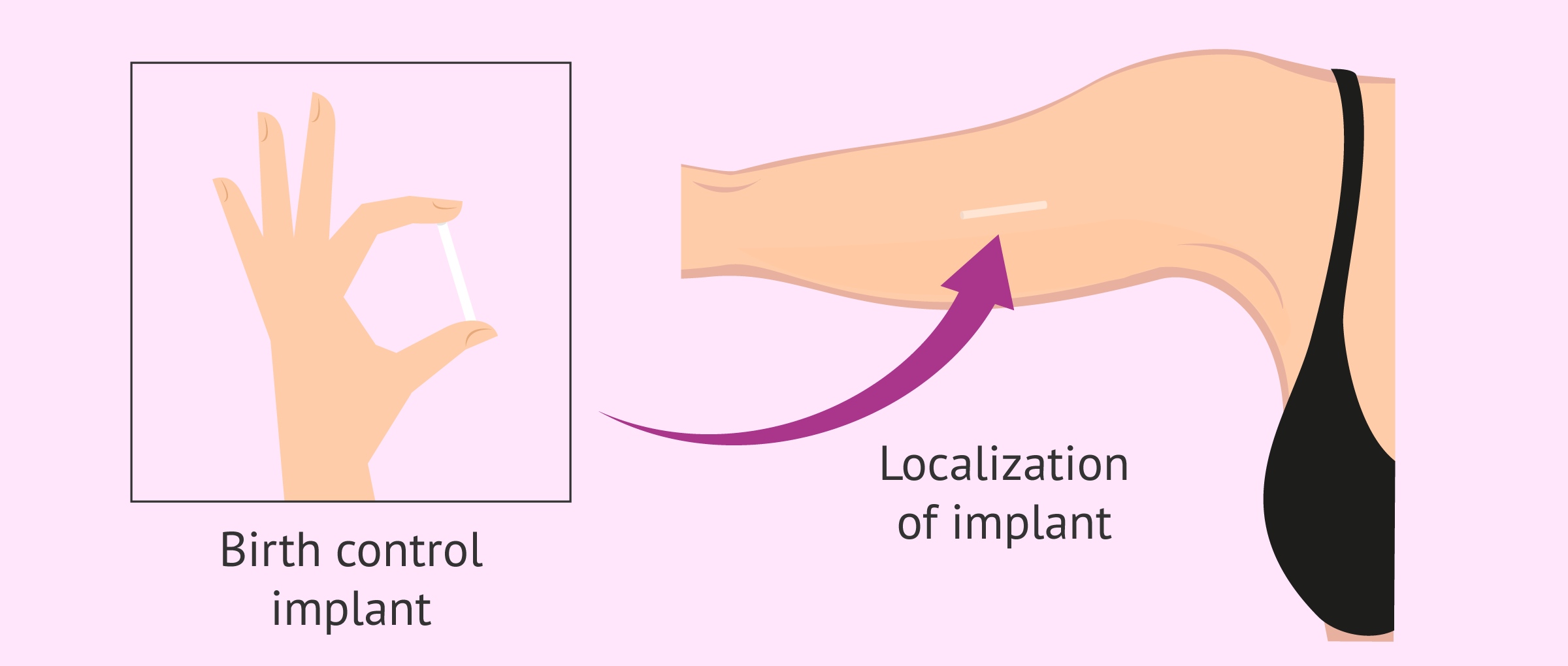
Birth Control Implant: Advantages and Disadvantages
The contraceptive implant is a method of prolonged use to prevent pregnancy. Depending on the type of implant you can prevent pregnancy for 3 or 5 years thanks to the continuous release of progestogens in low quantities.
Read more
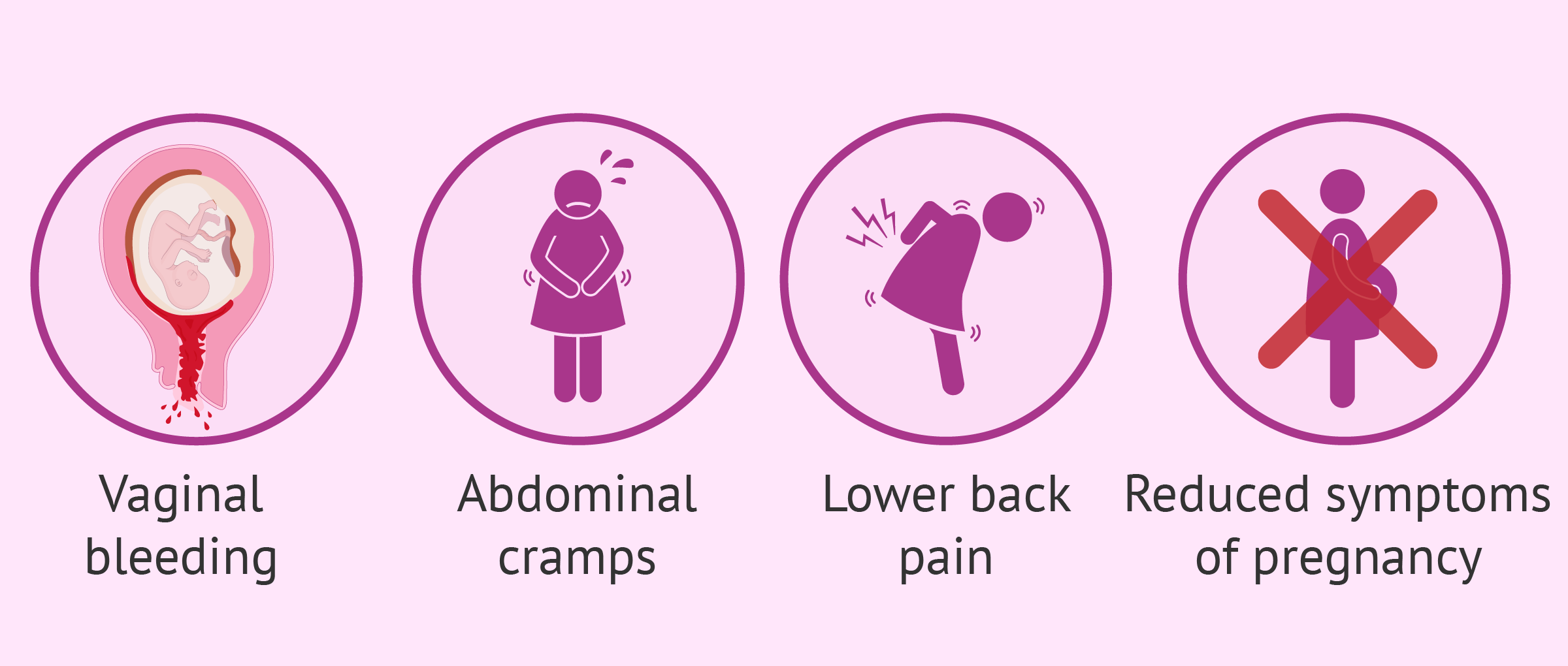
What Does It Mean to Have a Threatened Miscarriage?
A threatened miscarriage is a situation that indicate the pregnant woman is at risk of miscarrying. It typically appears before 20 gestational weeks and the most common symptom is vaginal bleeding.
Read more
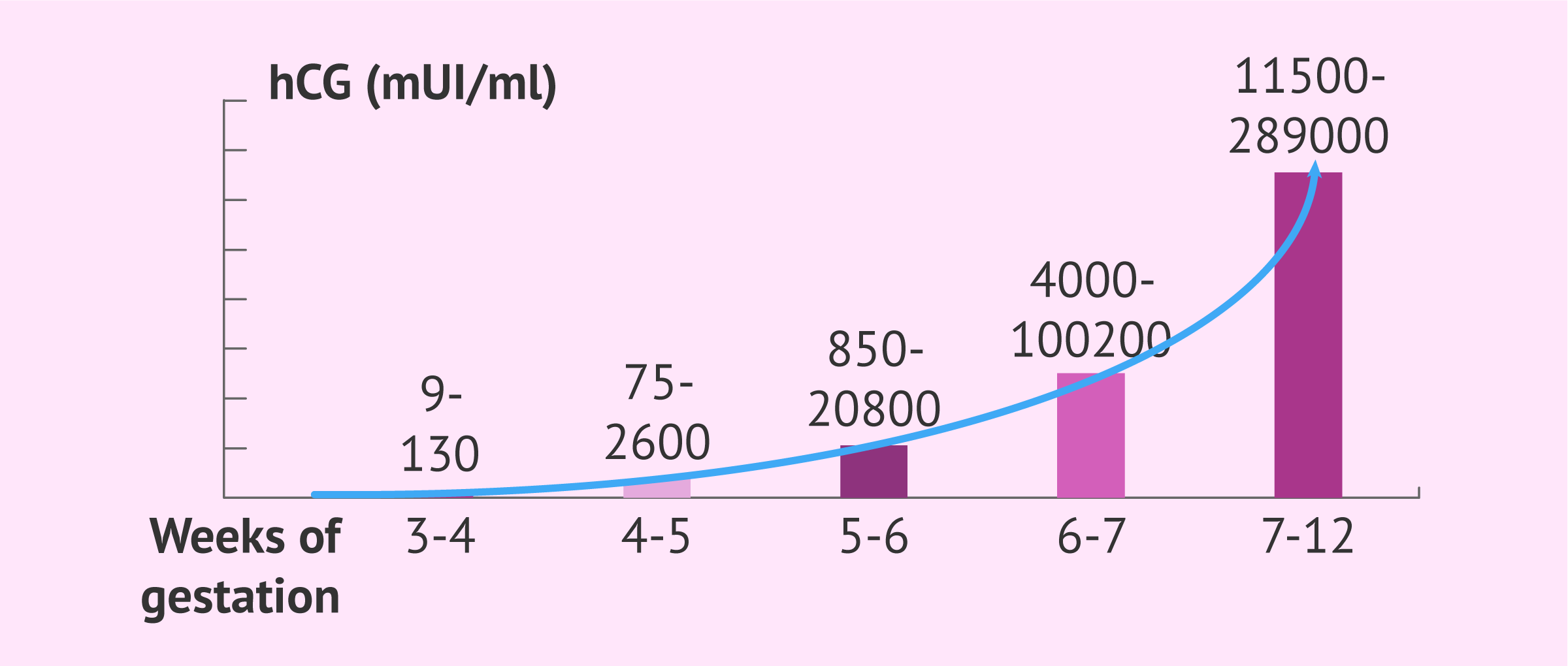
hCG Levels After a Miscarriage or a Medical Abortion
What are the hCG levels we need to be aware of? When should we be concerned about the development of the pregnancy? Not losing hope and getting back to normal is the main point to start the journey.
Read more
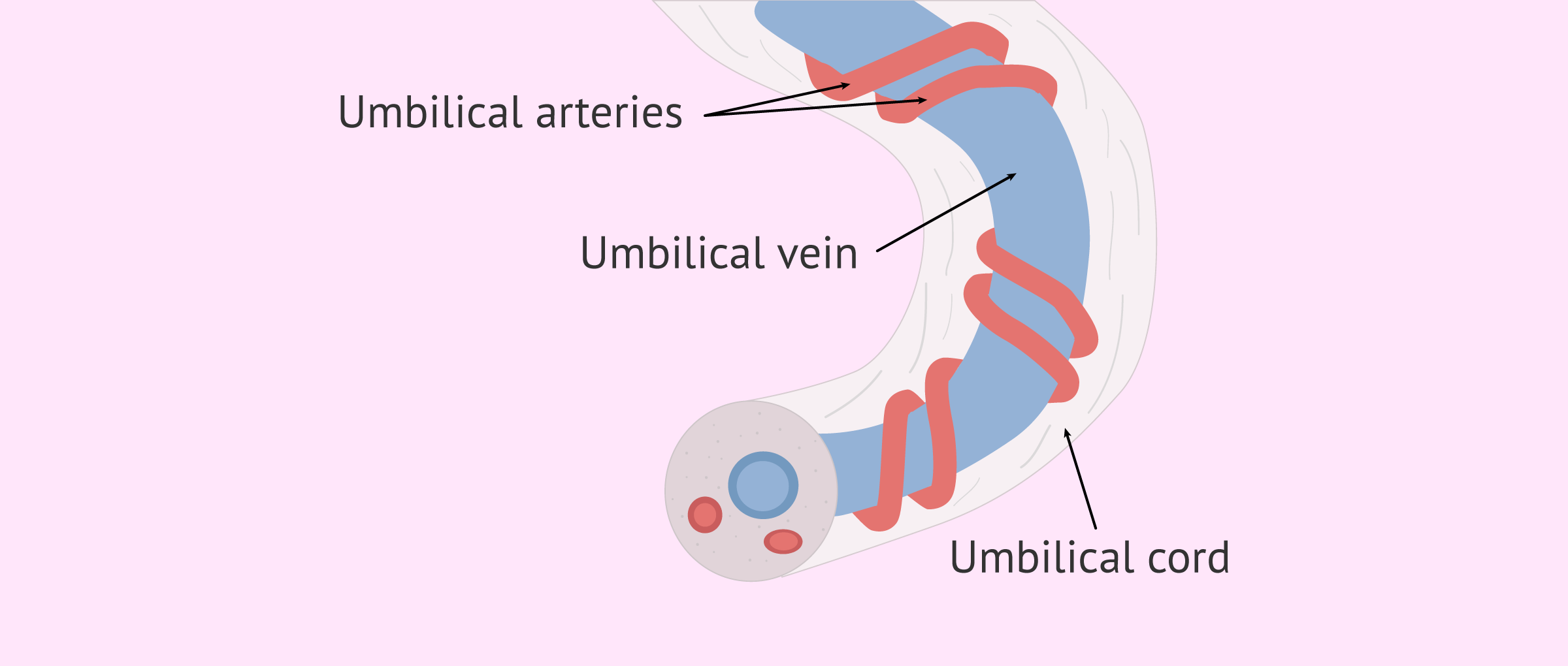
How is the placenta and umbilical cord formed?
The umbilical cord and placenta originate from a group of cells called trophoblast that are part of the blastocyst (embryo on day 5). From this, the structures that will nourish the embryo are formed.
Read more
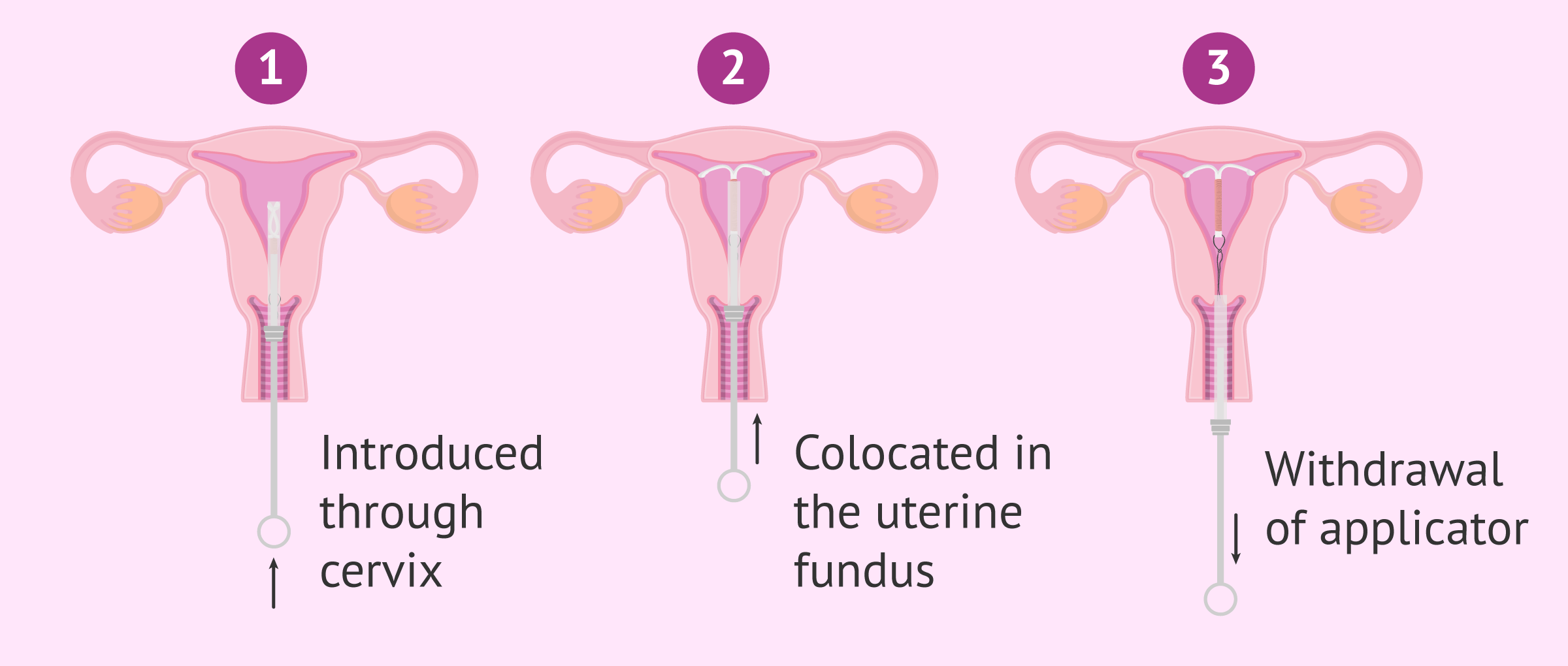
How Does the IUD Work and What are the Pros & Cons ?
The intrauterine device, or IUD, is a highly effective, reversible, temporary contraceptive method. There are two types: copper IUD and hormonal. Both types of devices must be inserted and removed by a health care professional.
Read more

