
Article

High-risk pregnancy: causes and how to manage it
A high-risk pregnancy is one in which there is a possibility of complications for the mother and the fetus. This type of pregnancy requires exhaustive medical control throughout the pregnancy and, in many cases, psychological support for the couple.
Read more
Natural remedies to treat polycystic ovary syndrome (PCOS)
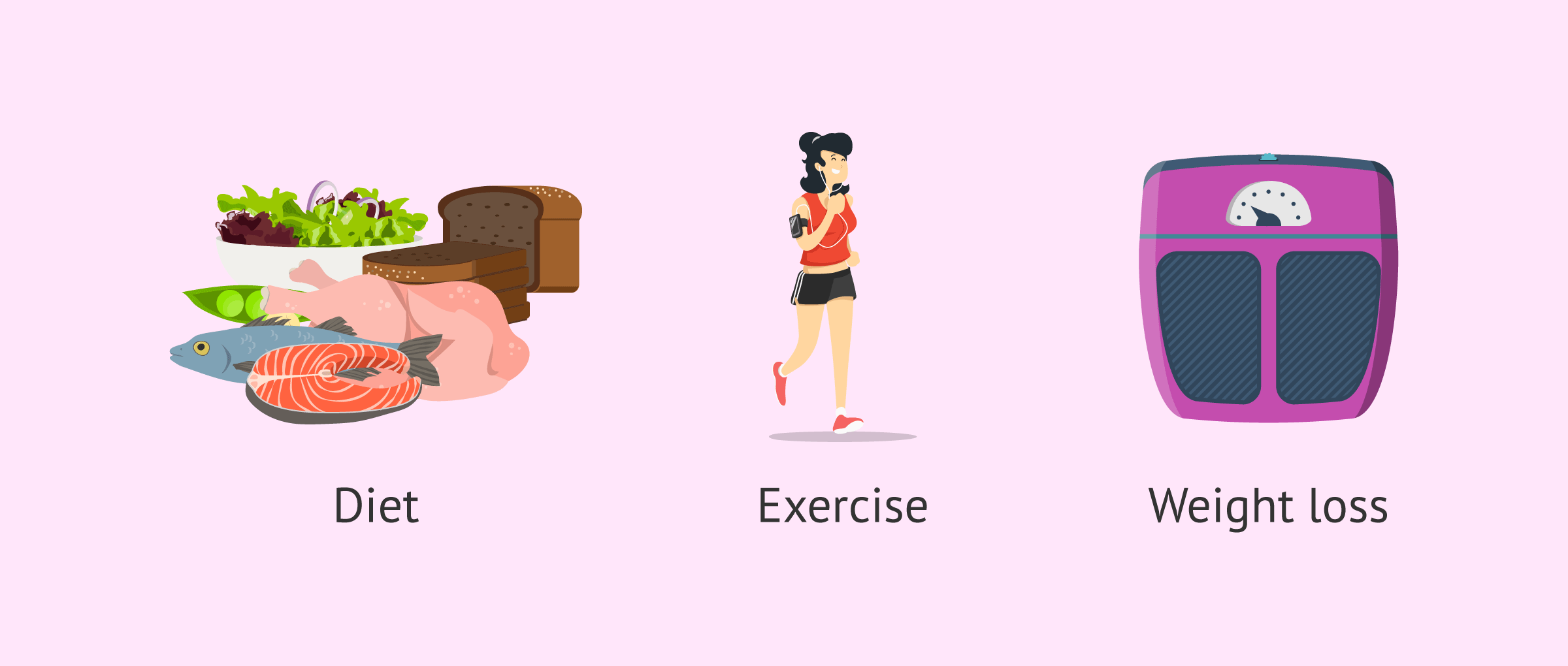
In polycystic ovary syndrome (PCOS) there are certain natural remedies that the patient can resort to in order to improve her symptoms. The first of these remedies will be to lose weight, in the case of overweight or obesity, as it can help to improve oligoovulation or anovulation.
Read more
How is the baby's development month by month? - Special care
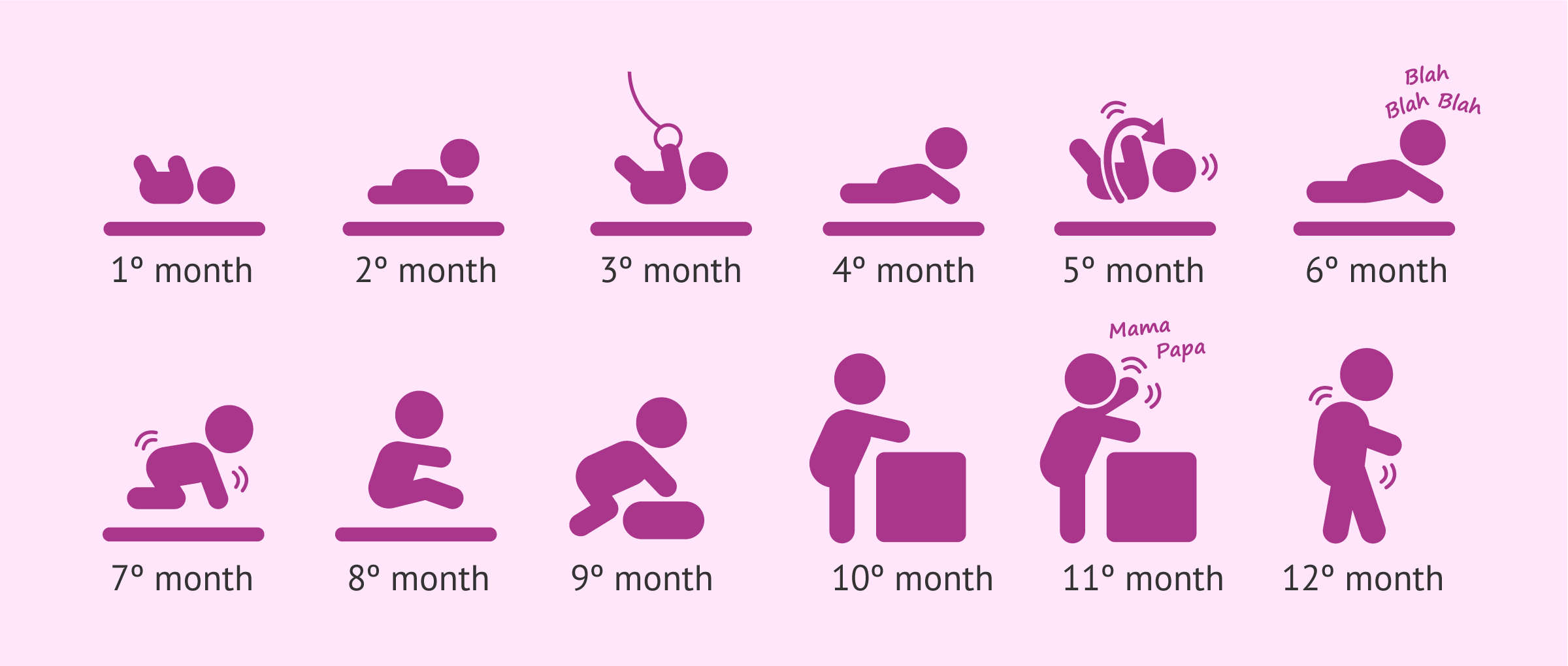
The newborn baby needs all the attention of his parents and special care so that his development can be adequate in the first months of life. The baby will grow and acquire new skills as the days go by.
Read more

Types of hysterosalpingography: advantages, risks, and limitations
Hysterosalpingography is a diagnostic test used to evaluate female fertility. Specifically, it provides information about the condition of the uterus and fallopian tubes, as well as possible problems of tubal obstruction.
Read more
Changes in the fetus and mother in the 31st week of pregnancy
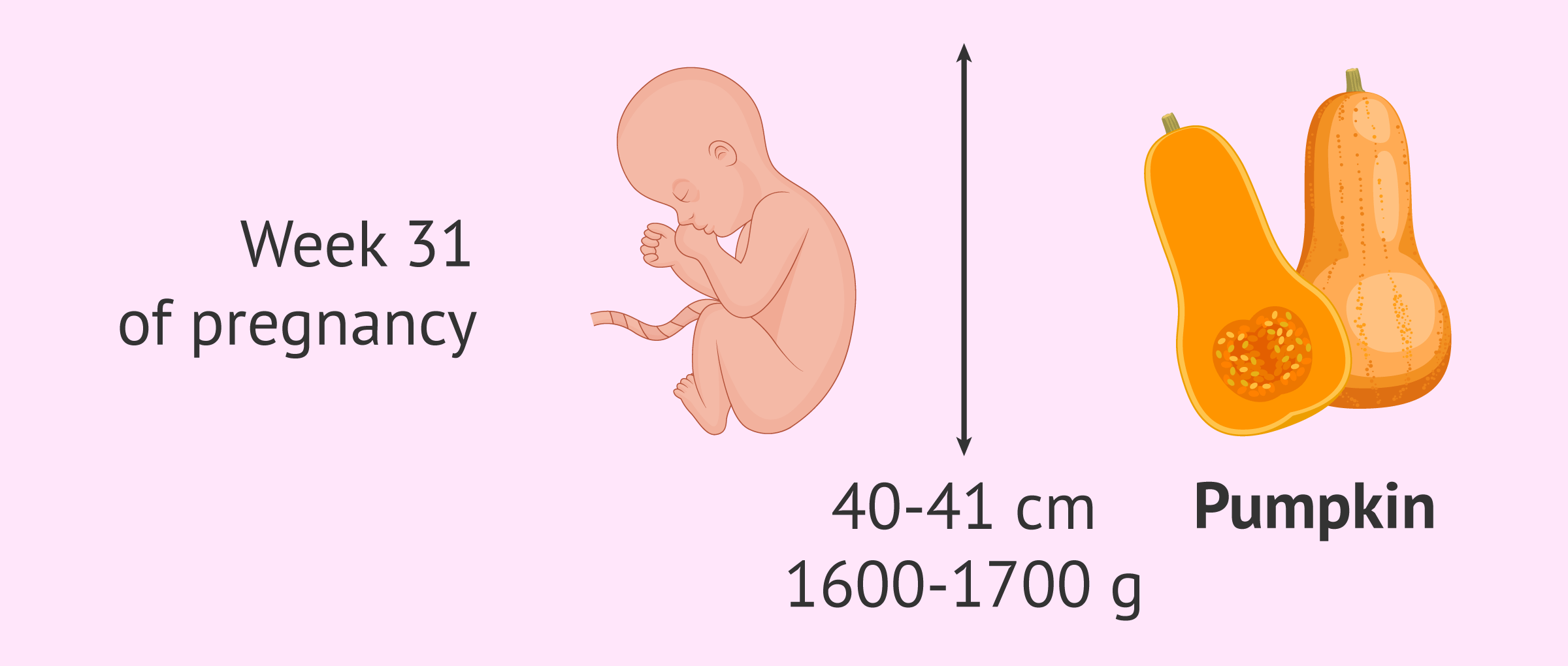
The 31st week of gestation corresponds to the penultimate week of the eighth month of pregnancy. The baby has already reached a considerable size, so the woman may feel discomfort and shortness of breath. The baby has already reached about 40-41 cm and weighs about 1600-1700 grams.
Read more
What is sperm cell capacitation? - definition and the in vitro techniques
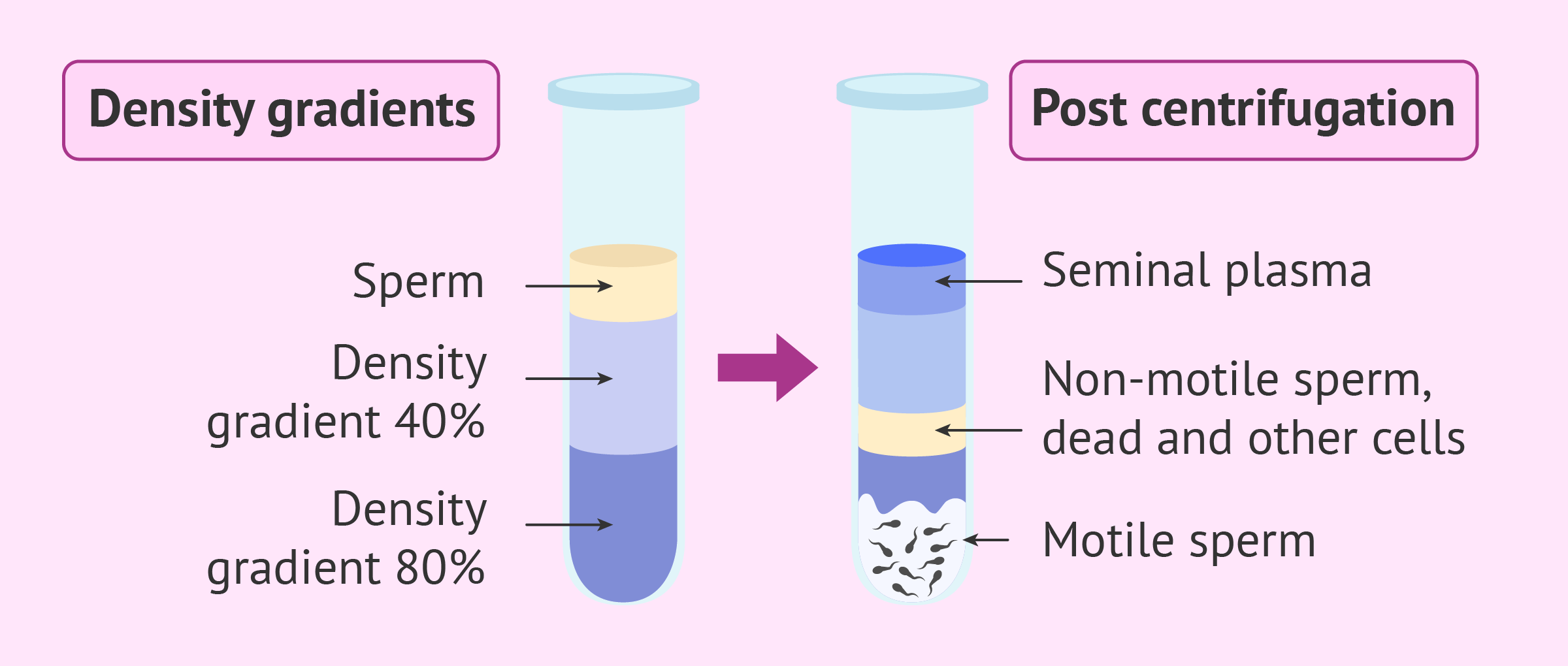
"In vitro" sperm capacitation is a process that can be carried out using two techniques: swim-up or density gradient centrifugation. When "in vivo", it occurs within the female reproductive system.
Read more
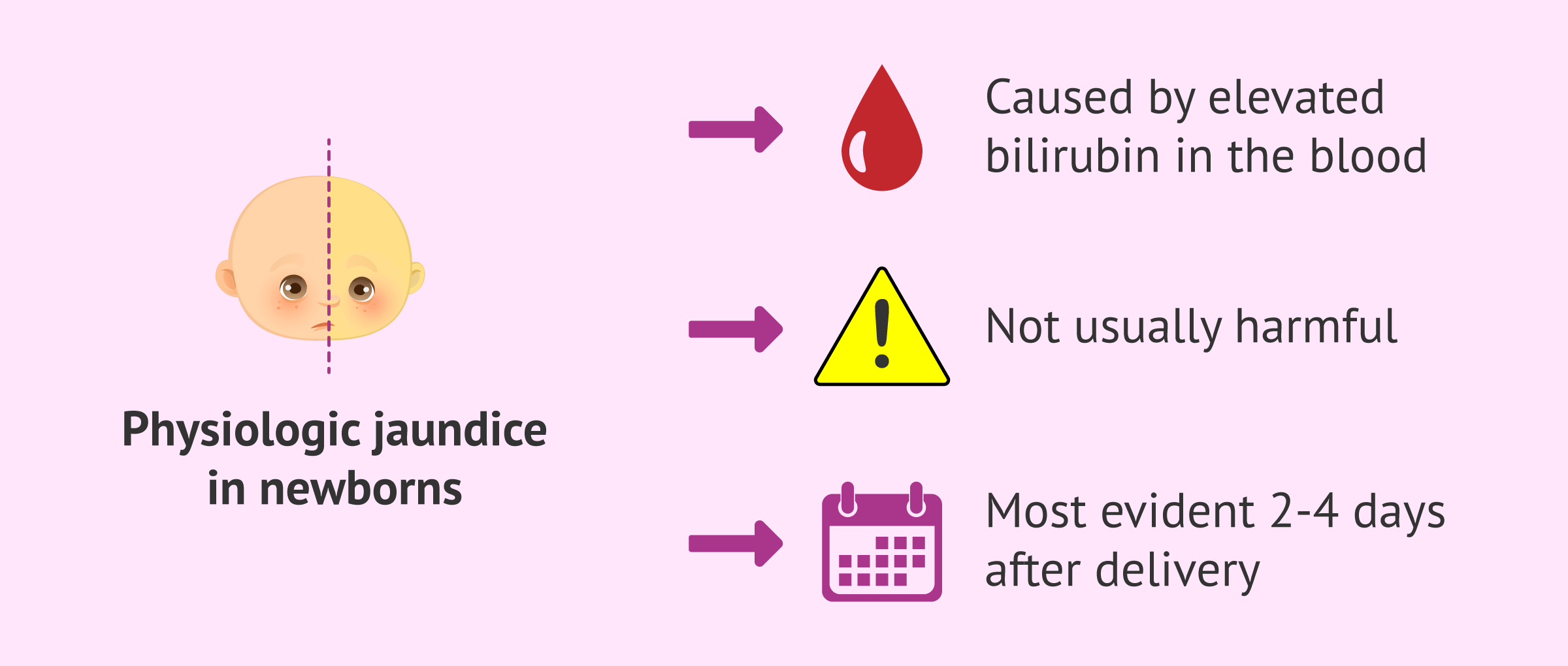
Is it normal for the newborn to have jaundice? What are the causes?
Jaundice in the newborn is quite common and is usually mild, disappearing on its own without treatment in about 2 weeks. However, there are some factors and causes that can lead to more severe jaundice that may require treatment to avoid excessively high bilirubin levels.
Read more
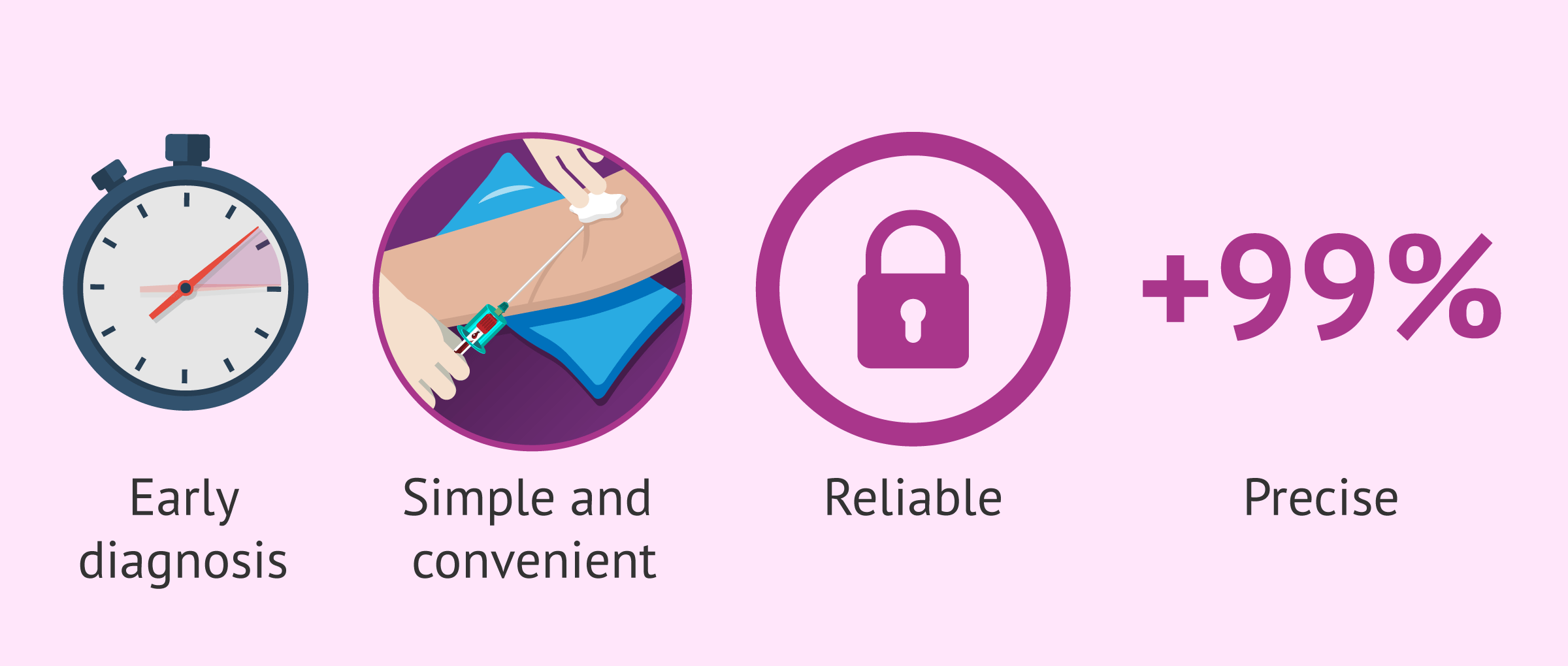
Cell-free Fetal DNA Testing- Benefits and Indications
The maternal blood fetal DNA test is a non-invasive prenatal genetic diagnosis method that allows the detection of chromosomal abnormalities in the fetus with a simple maternal blood test, which can be performed at the end of the first trimester of pregnancy
Read more
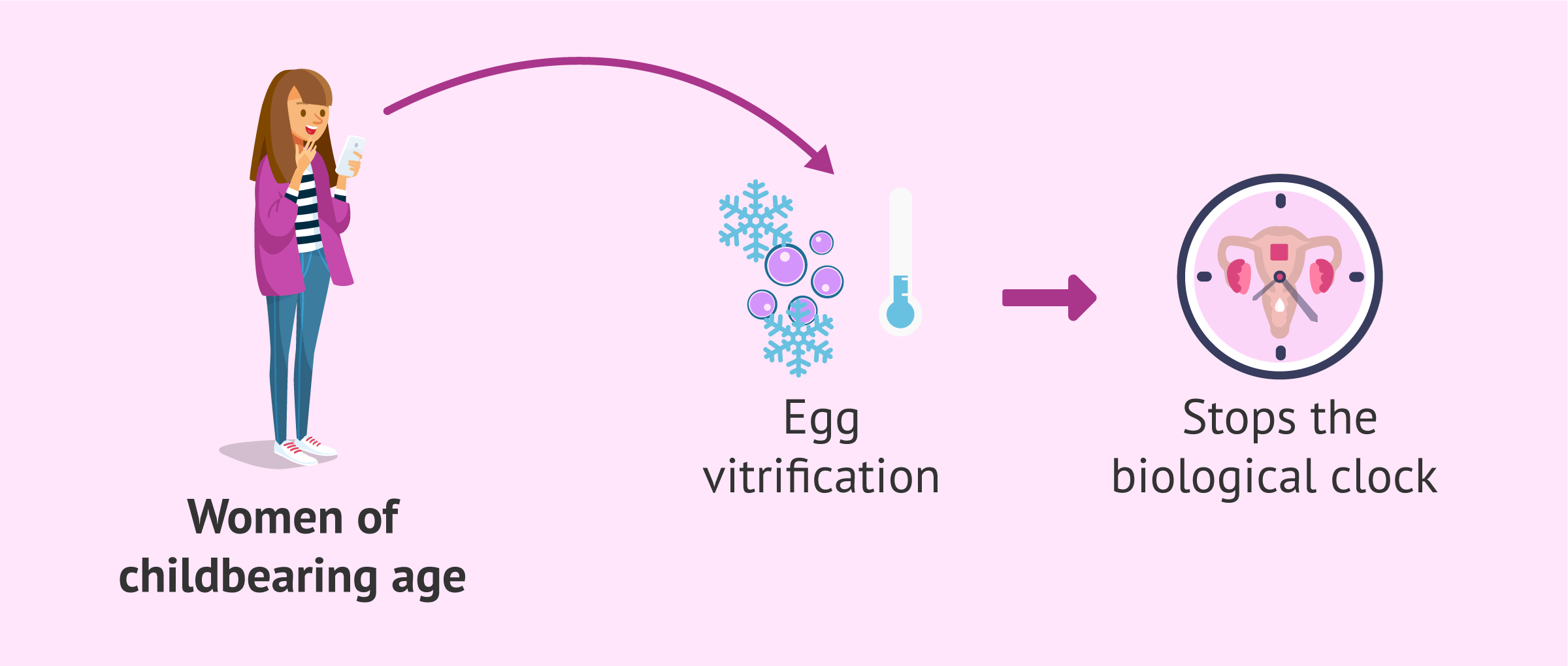
How to pause the biological clock and decide when to become a mother?
Oocyte vitrification is an assisted reproduction technique that allows women to preserve their fertility. Thus, when they wish to become mothers, they do not encounter the difficulties inherent to their age. It is therefore a matter of cheating the woman's biological clock.
Read more
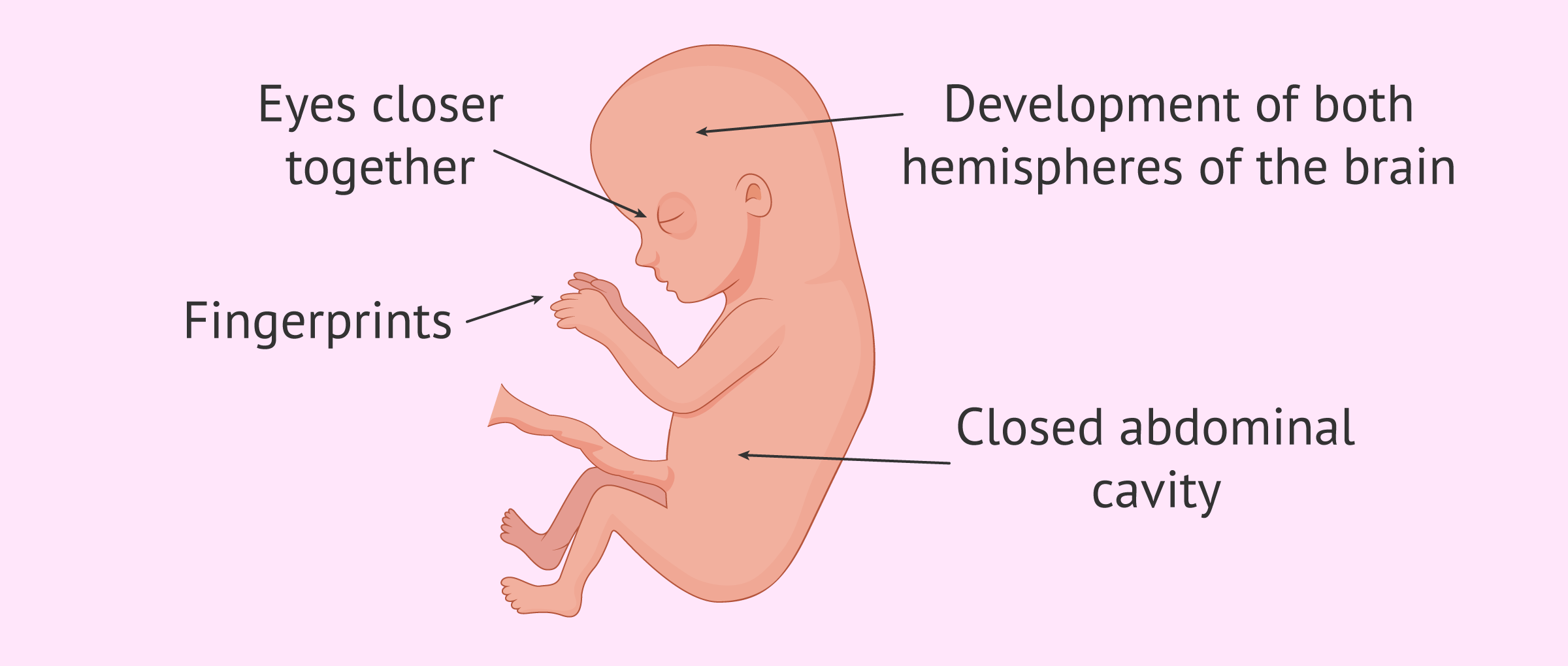
13th week of pregnancy: end of first trimester
It’s the first week of the fourth month of pregnancy. You’ve left behind the first trimester, which means that the embryo’s shape is closer to that of a normal baby. During the second trimester his internal organs will develop.
Read more
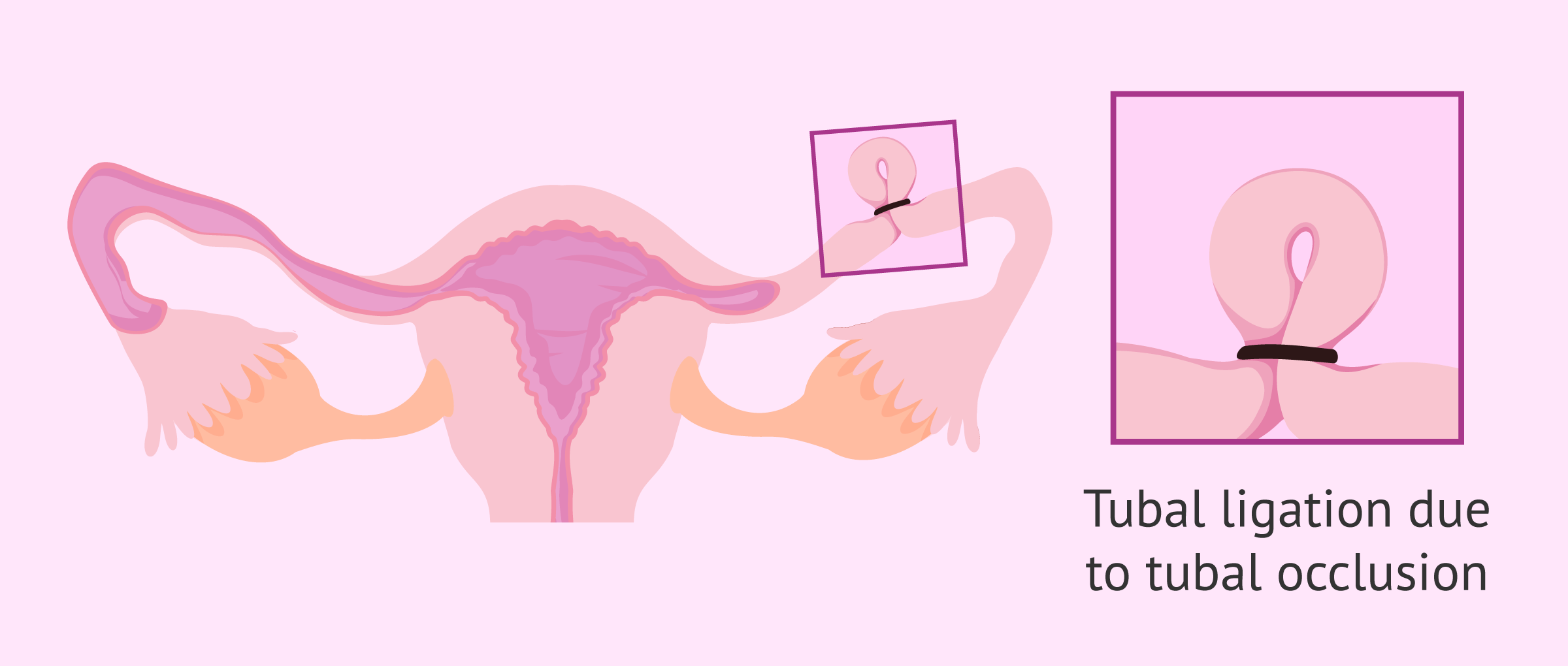
What is tubal ligation? - Advantages and consequences
Tubal ligation is a permanent method of contraception that should only be used when a woman does not wish to have any more children. Despite having a tubal ligation, there are alternatives to achieve a pregnancy.
Read more
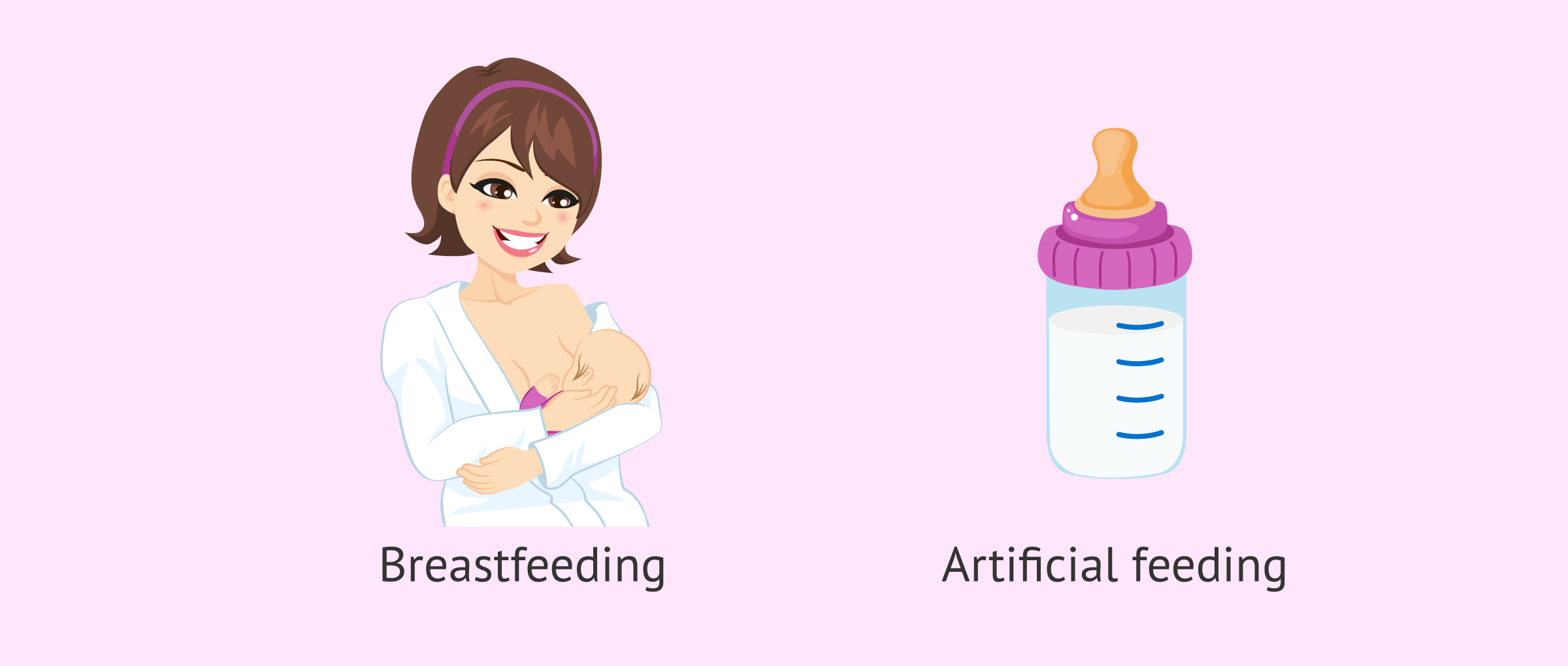
Feeding your newborn baby - breastfeeding or formula feeding?
Breastfeeding is becoming the most popular method for feeding the baby. Currently, more and more mothers choose to breastfeed their child because of the many advantages that breast milk has.
Read more

