
Article
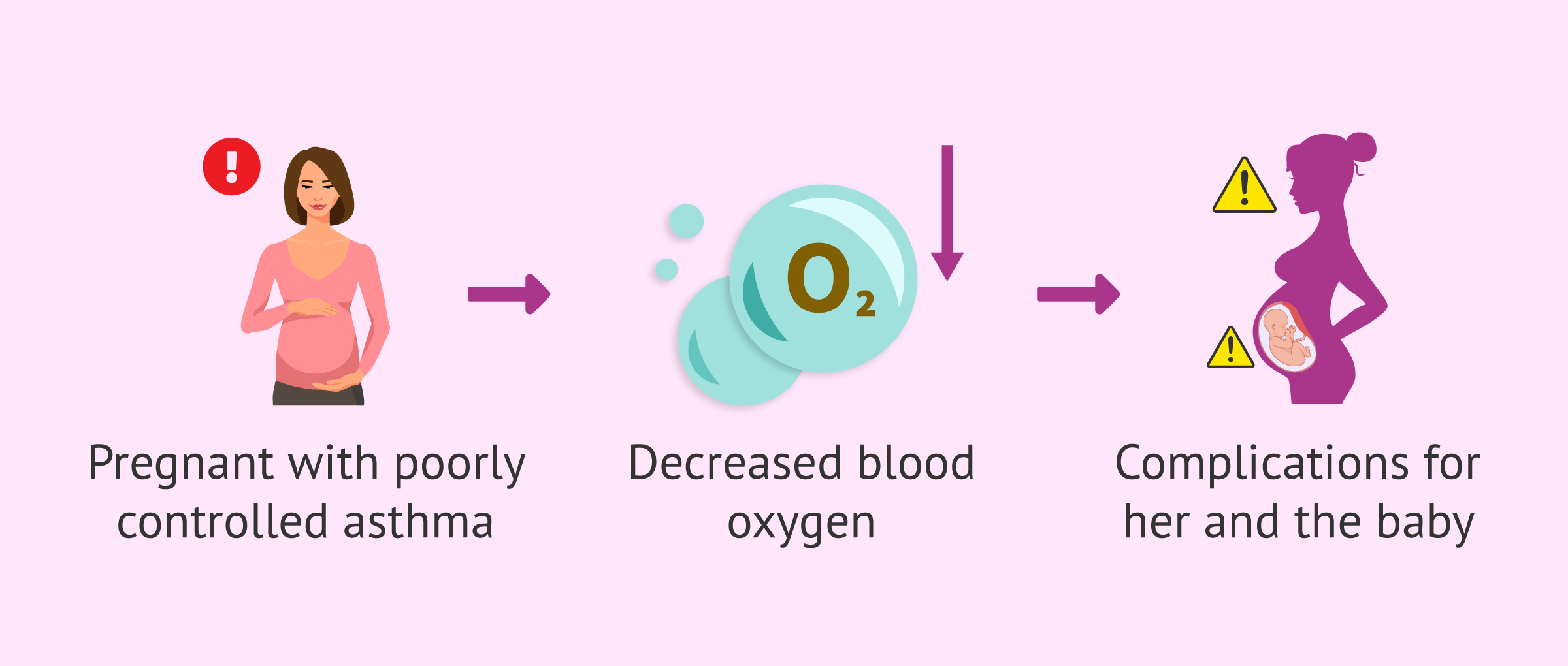
Why is asthma control important in pregnant women?
Asthma is a chronic disease that must be kept under control during pregnancy to avoid possible risks to mother and baby. Currently, poorly controlled asthma is considered to present more risks than the administration of medications that are commonly used to control asthma during pregnancy.
Read more
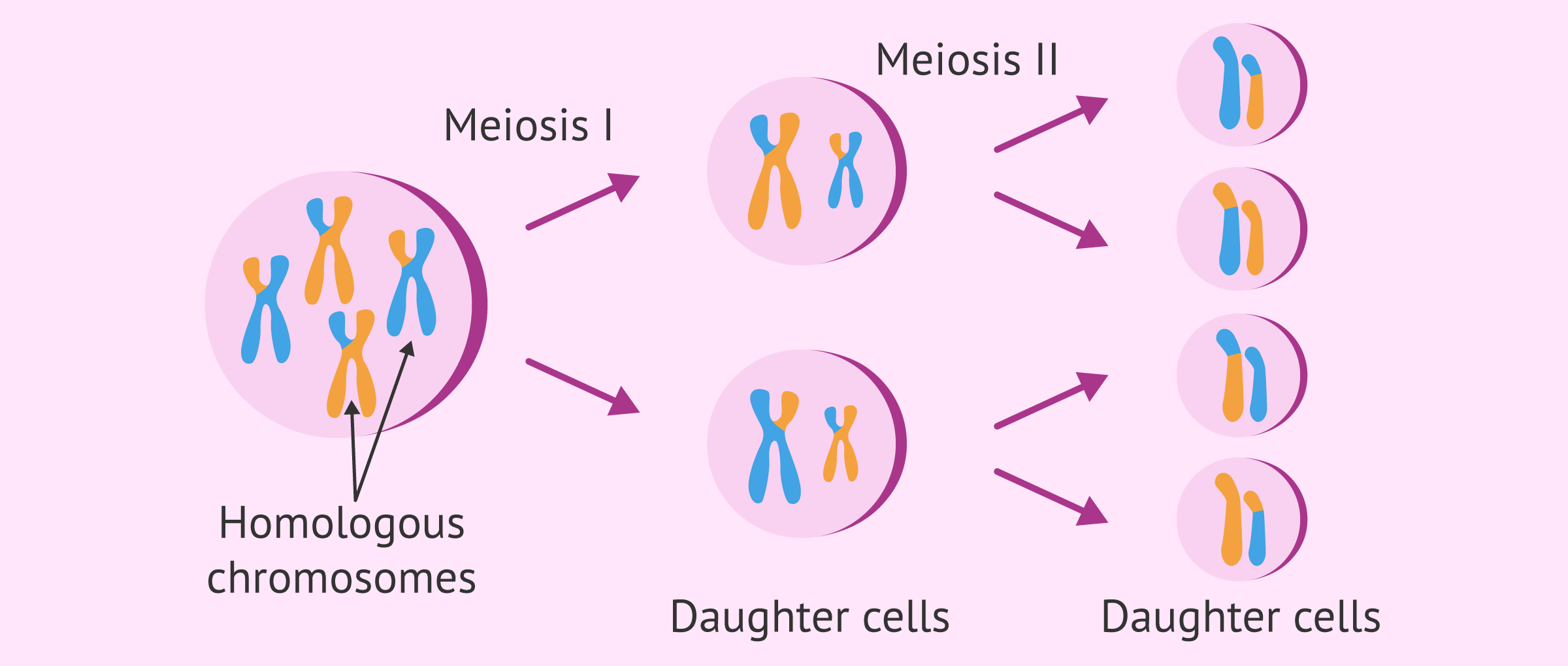
What is the relationship between meiosis and fertility, and is it necessary?
Meiosis is the special division experienced by cells that will create eggs in females and sperm in males. Chromosome reduction is needed to form an embryo with the same amount of information as the parents.
Read more
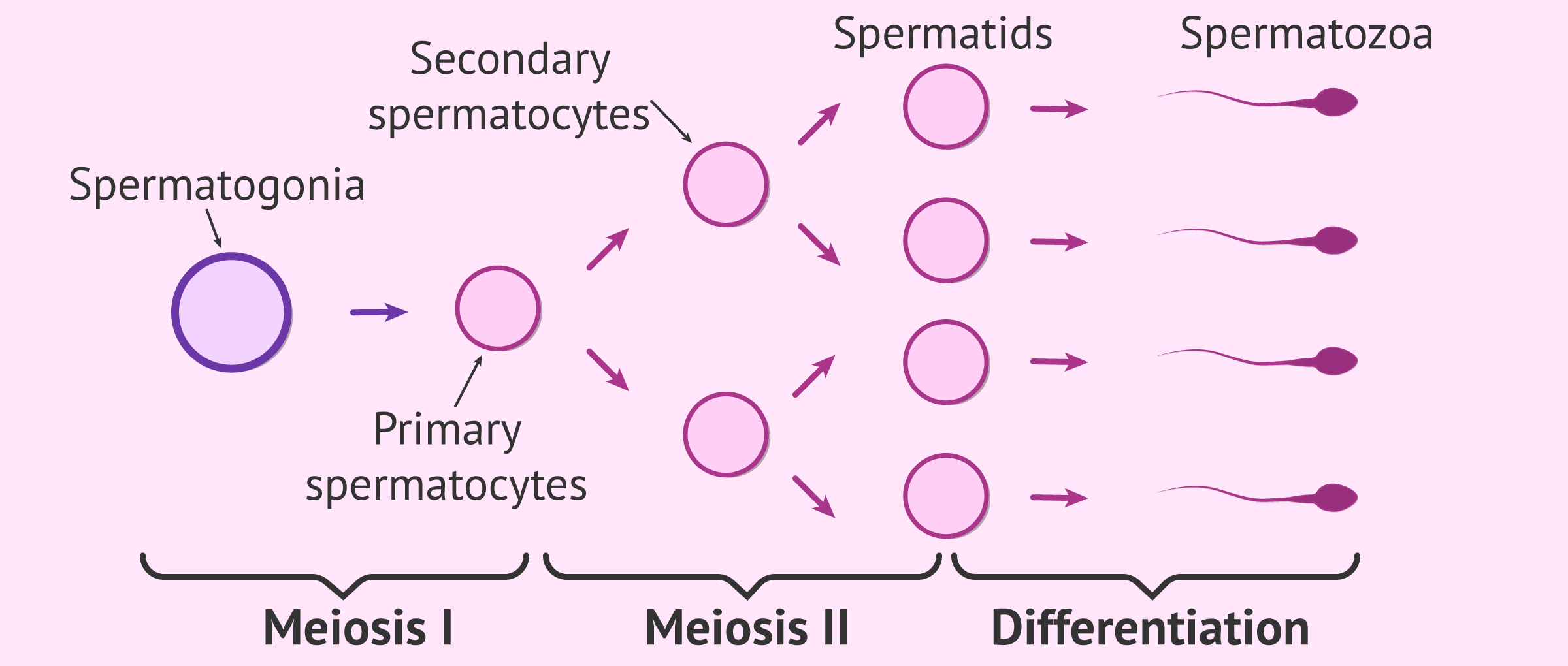
How are spermatozoa formed? - Phases of spermatogenesis
Spermatogenesis is the process of sperm formation. This process consists of different phases (proliferative, meiotic and spermiogenesis) and occurs in the seminiferous tubules of the testes. For spermatogenesis to be carried out correctly, hormonal regulation is necessary.
Read more
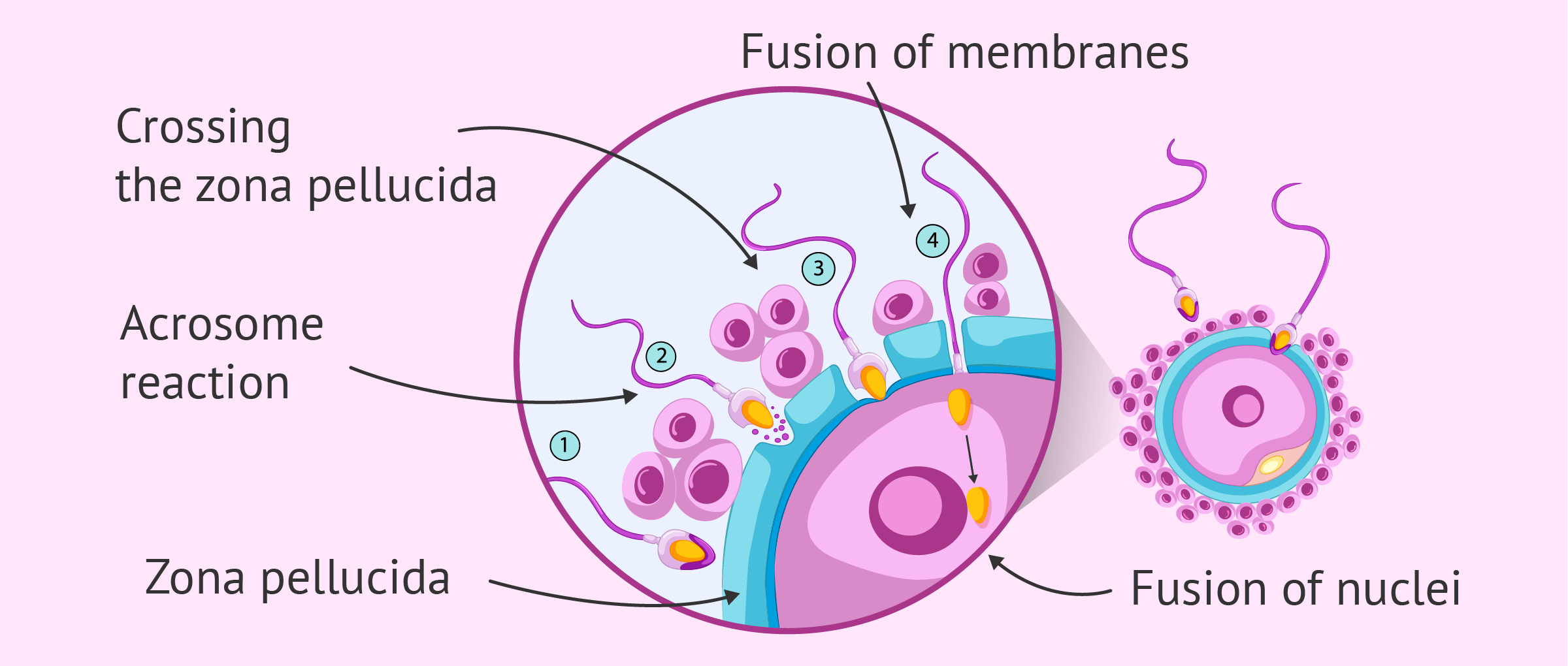
What Are the Steps of Fertilization in Humans?
Fertilization of the egg is essential for pregnancy to occur. The union of the egg and sperm can occur naturally in the fallopian tubes or in vitro in the laboratory. Once the egg is fertilized, the zygote is formed, which will divide and move until it reaches the uterus.
Read more
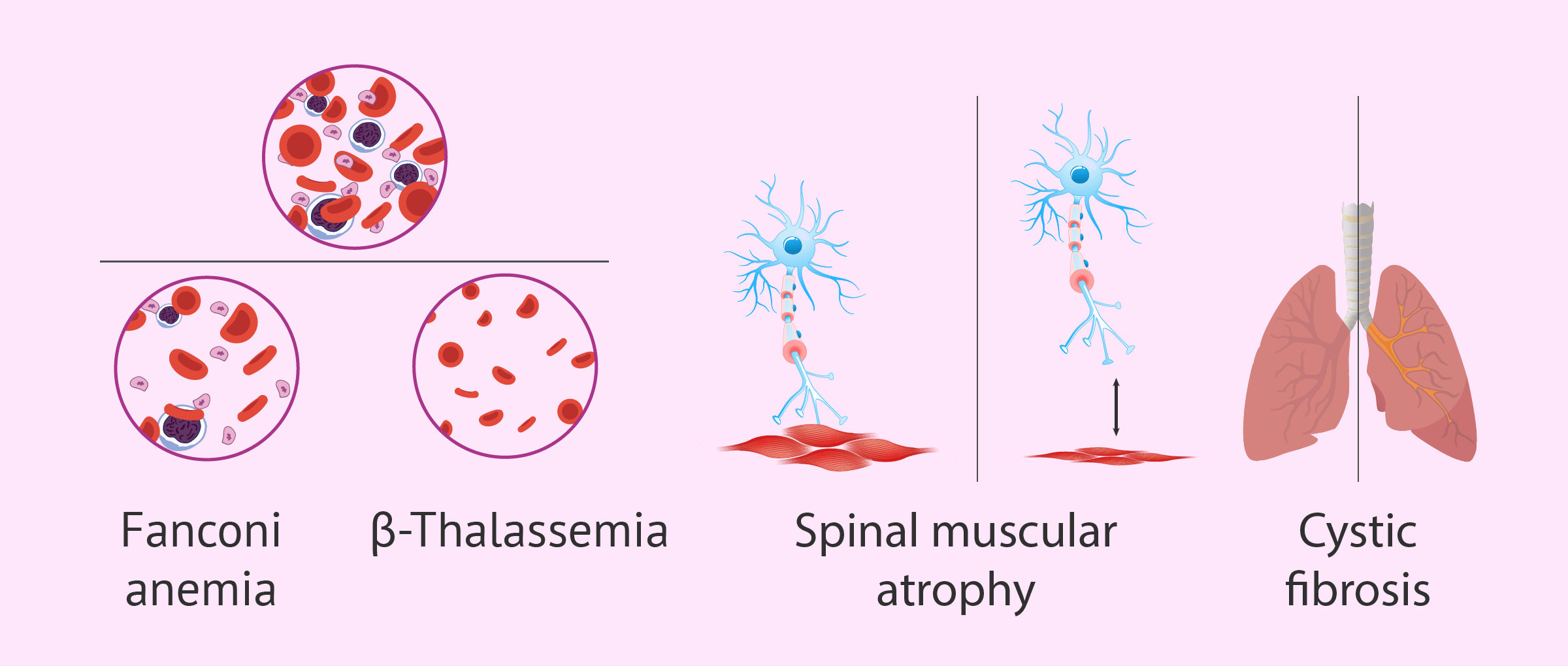
What Are Monogenic Disorders? - Classification & Most Common Types
Monogenic diseases are those caused by the mutation of a specific gene in an individual's genome. The inheritance of these genetic diseases can be dominant, recessive or linked to sex chromosomes. To prevent their transmission to offspring, it is possible to undergo IVF treatment with PGD.
Read more

What treatment options exist for oligospermia (low sperm count)?
The most appropriate treatment to cure oligospermia (low sperm concentration) depends on the cause of the oligospermia, and can be natural, pharmacological or surgical.
Read more

What is the 27th week of pregnancy like and what changes occur?
The 27th week of pregnancy corresponds to the penultimate week of the seventh month of gestation. During this week, the lanugo that covers and protects the baby's skin begins to fall off. Despite this, the skin of the fetus remains protected by the protective covering called vernix.
Read more
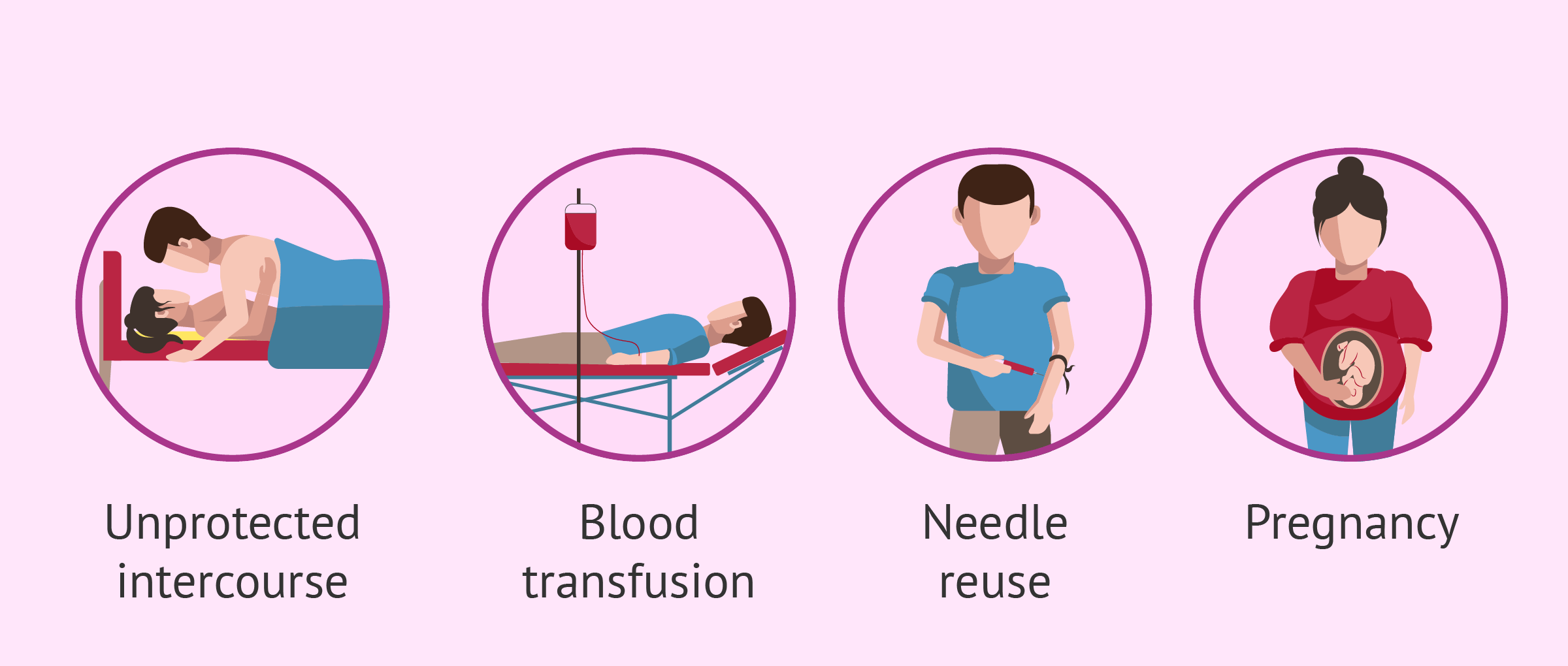
What Are Sexually Transmitted Diseases (STDs)? - Symptoms & Types
Sexually Transmitted Diseases (STDs) are infections caused by bacterial agents, viruses or parasites, which are transmitted through sexual contact, either vaginally, anally, or orally.
Read more
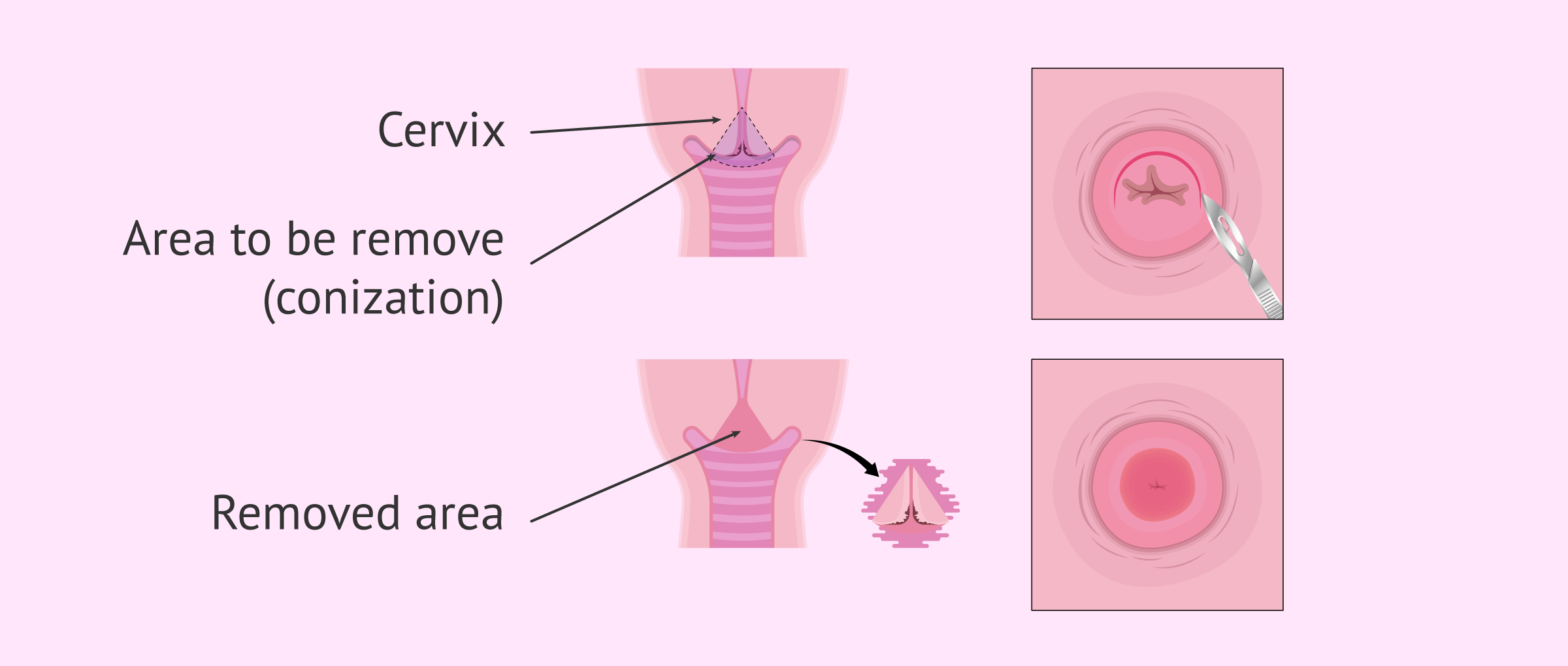
Cervical Conization: Types and Possible Complications
Cervical conization or cone biopsy refers to a surgical procedure to remove premalignant lesions in the cervix. These lesions are usually caused by the human papillomavirus (HPV) and are known as cervical dysplasia.
Read more

Hysterosalpingo-Contrast-Sonography (HyCoSy): process and tips
HyCoSy is a type of hysterosalpingosonography in which a contrast medium such as saline is used to obtain images of the inside of the female reproductive tract through transvaginal ultrasound.
Read more
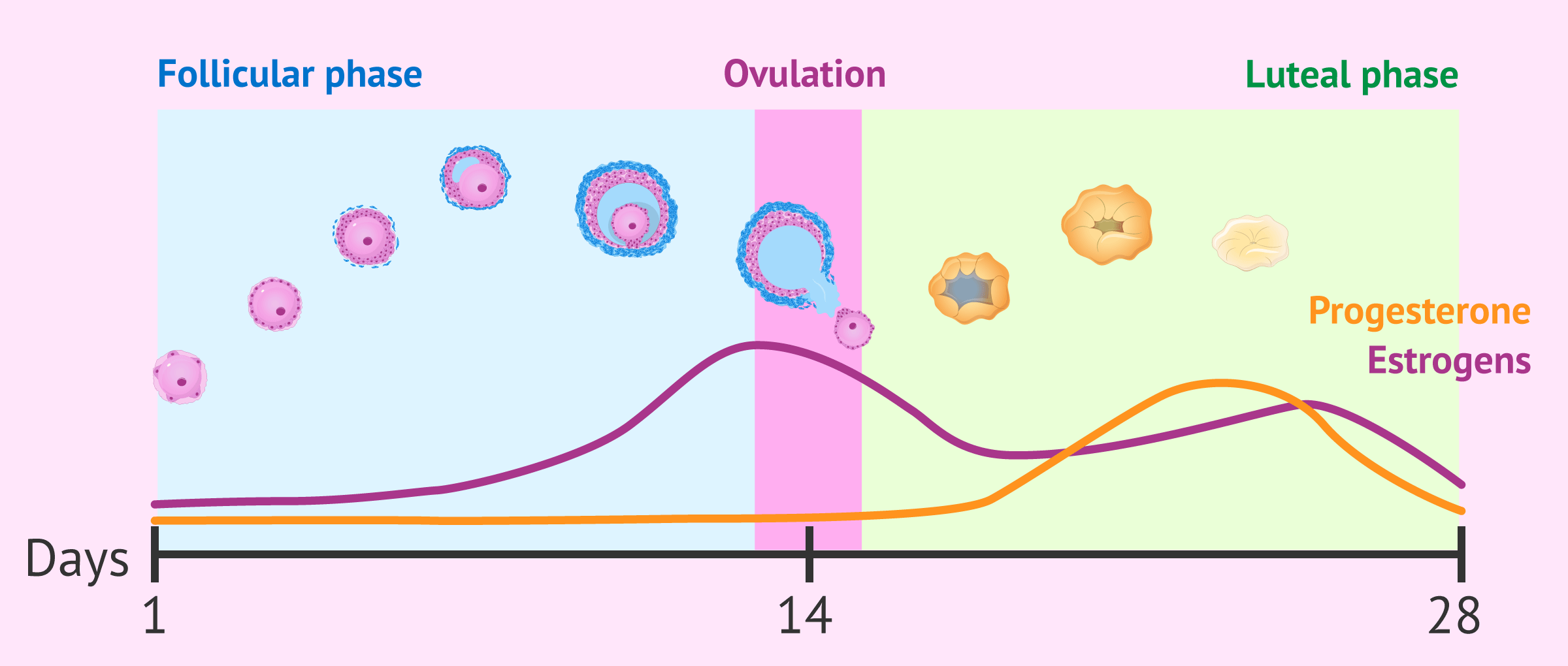
What is the luteal phase of the menstrual cycle and how long does it last?
The luteal phase is a phase of a woman's menstrual cycle in which her body prepares for a possible pregnancy. If pregnancy does not occur, the end of the luteal phase triggers menstruation and the beginning of the next menstrual cycle.
Read more

Hydrosalpinx: what is it, what causes it and how to treat it.
Hydrosalpinx is an alteration of the Fallopian tubes caused by dilation and accumulation of fluid in the tubes, resulting in female infertility. Women with hydrosalpinx in both tubes will need IVF to become pregnant.
Read more

