
Article
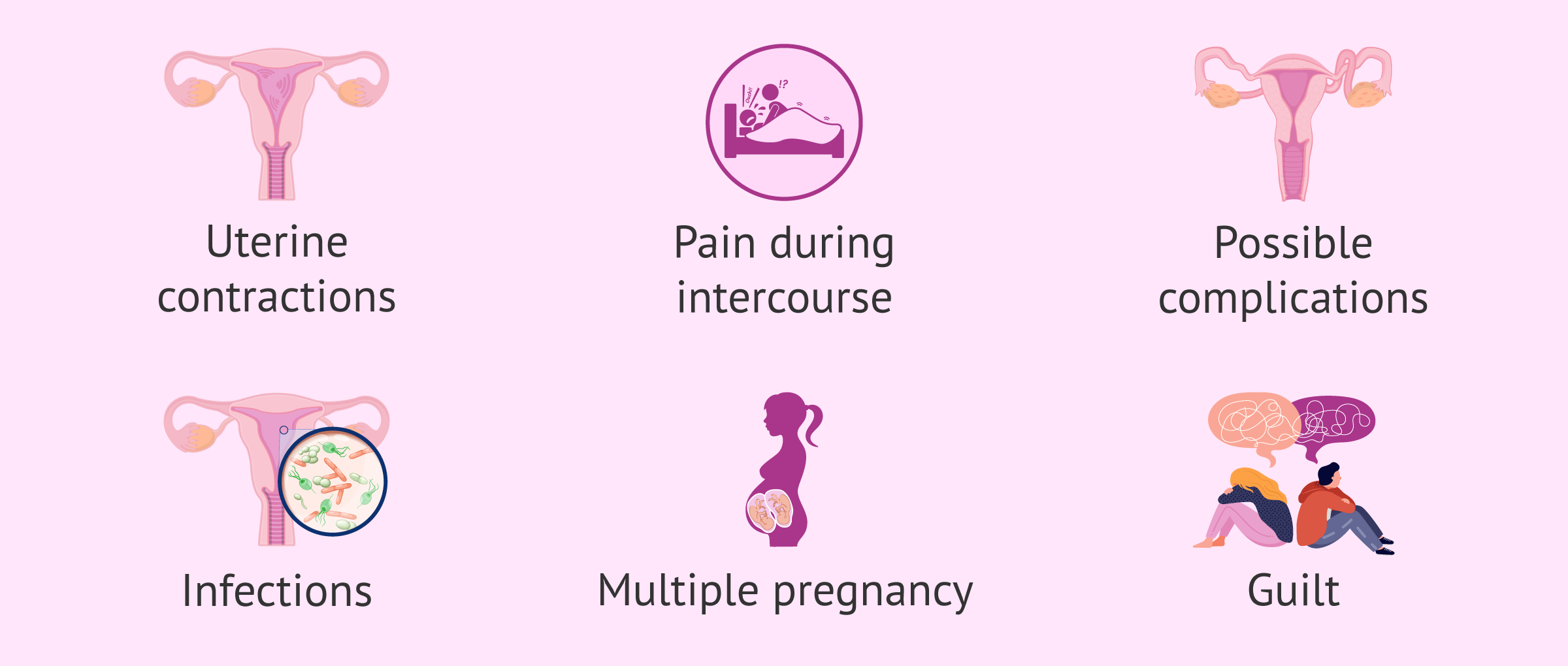
Does sexual intercourse affect embryo transfer?
A very frequent doubt in couples undergoing assisted reproduction treatment is whether sexual relations can be maintained during the treatment. In general, the recommendation is to avoid sexual intercourse from before the ovarian puncture and up to one week after the transfer.
Read more
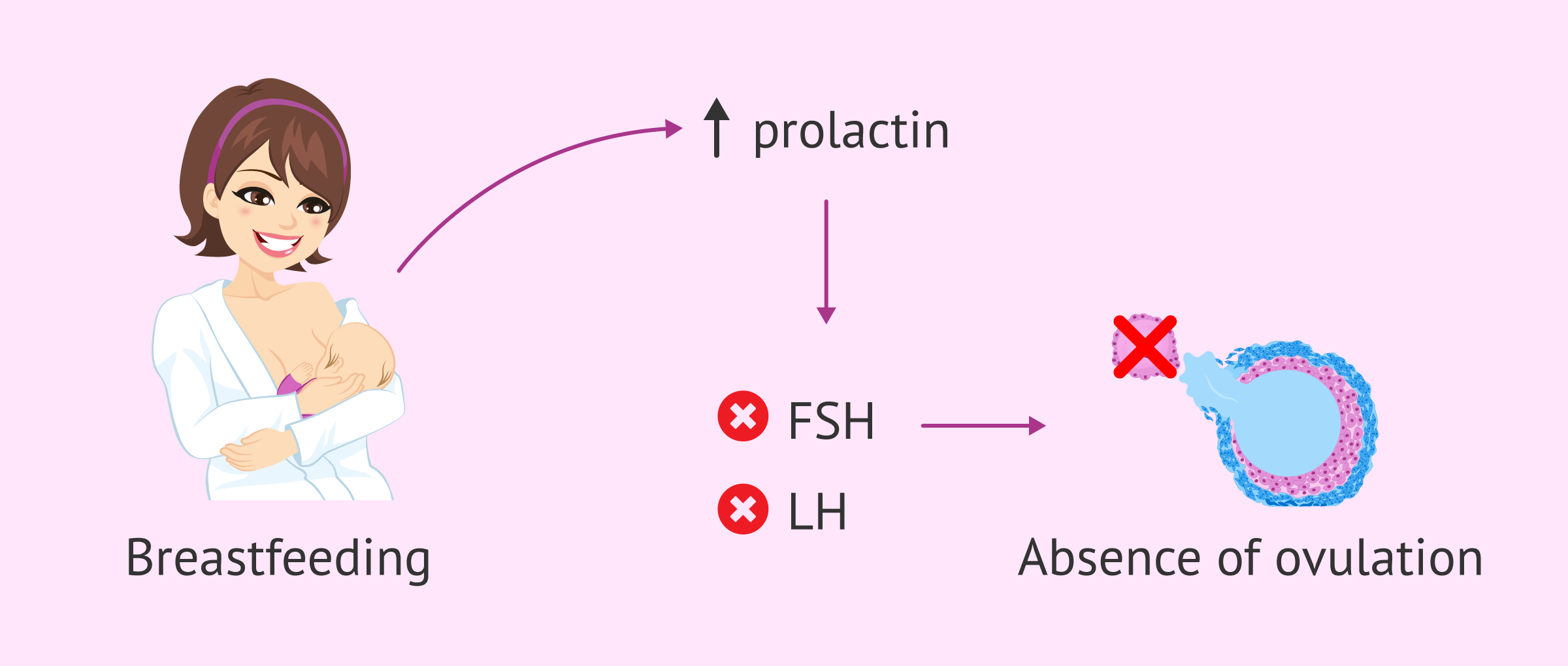
Ovulation after pregnancy and childbirth: when will it happen?
After childbirth, it may take several months for a woman's ovulation to occur again due to, among other things, breastfeeding. It is difficult for a woman to become pregnant again if she is exclusively breastfeeding her baby.
Read more
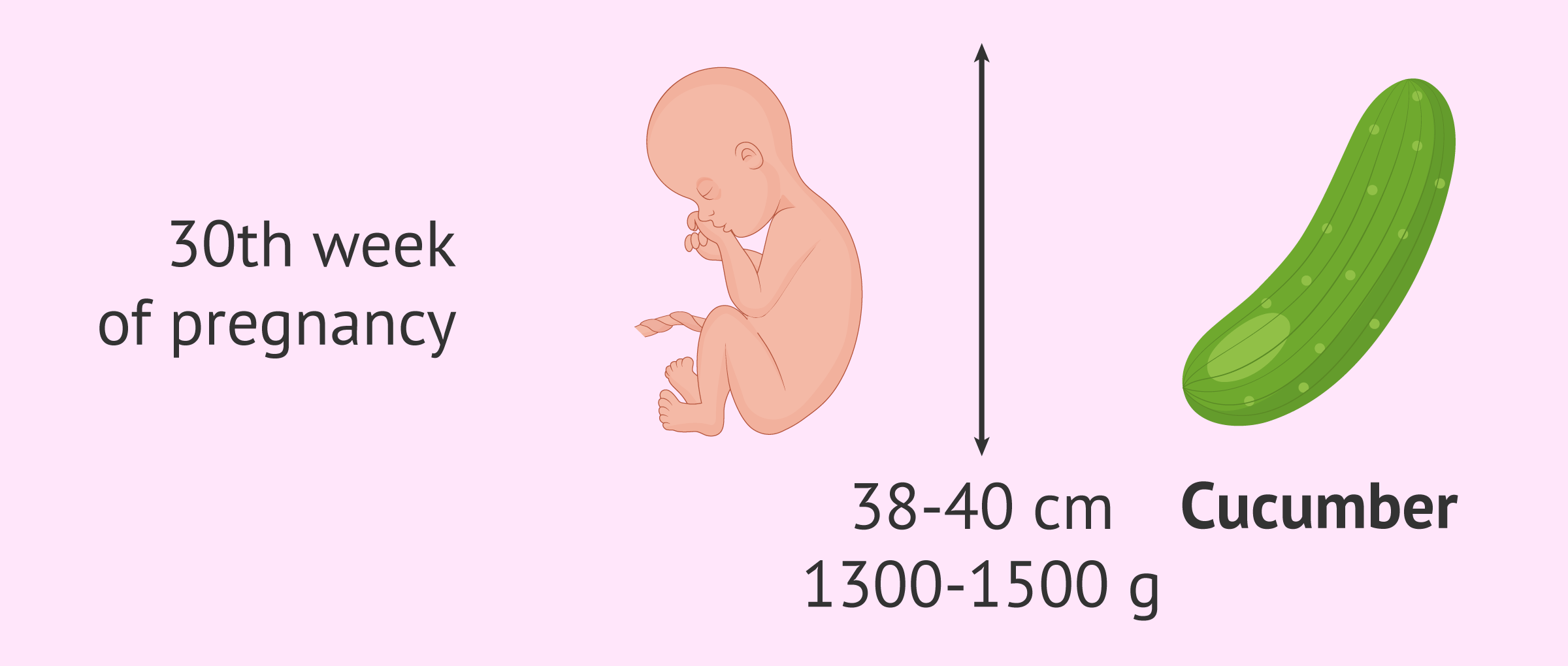
What happens in the 30th week of pregnancy and what advice should I follow?
Week by week, pregnancy is coming to its final stretch. If a woman is already in her 30th week of pregnancy, she is only 10 weeks away from her due date. The most common symptoms in the 30th week of pregnancy are loss of balance and tiredness due to not being able to sleep well.
Read more
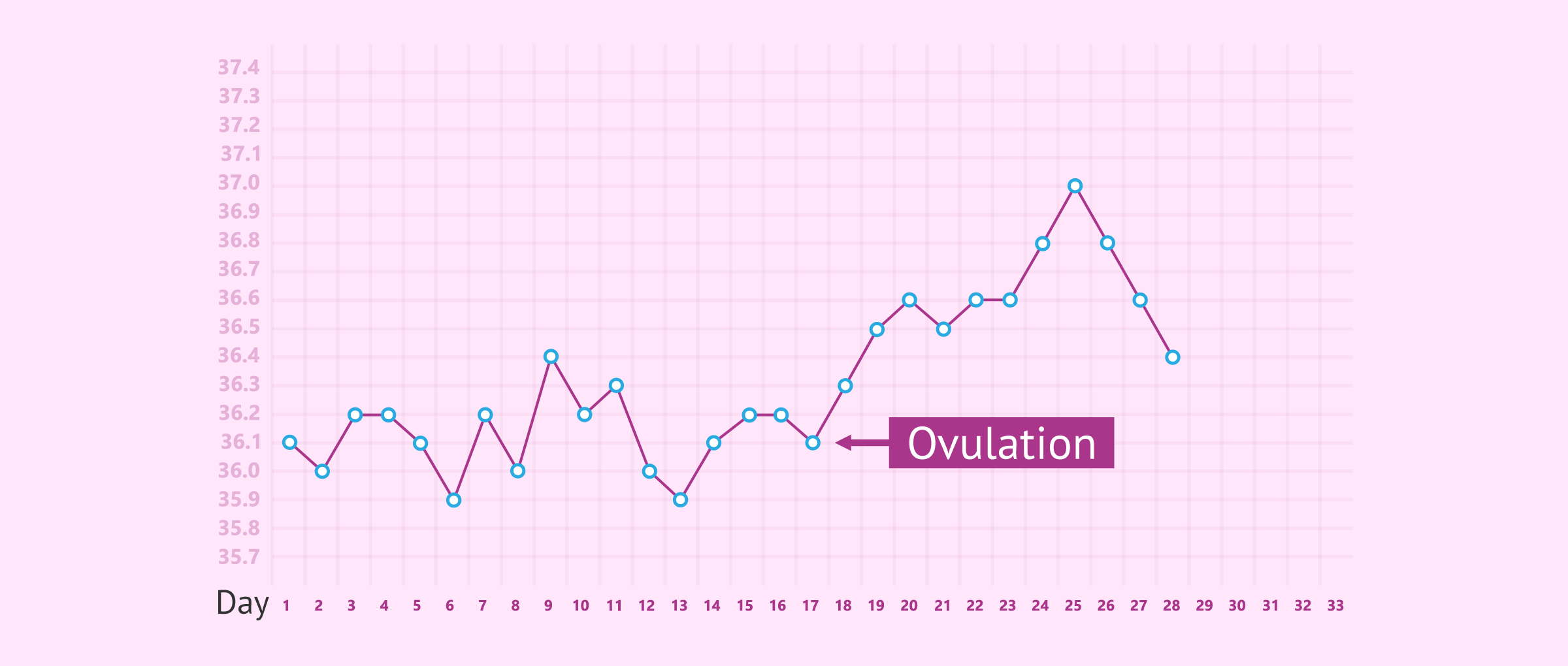
What is the basal body temperature method and how is it performed?
The basal temperature method is a simple and inexpensive way to find out a woman's fertile days in order to increase the chances of pregnancy. However, it can be inaccurate, so it is recommended to be performed in conjunction with other fertility monitoring methods.
Read more

Abortion caused by Natural Killer cell attack on the embryo
Natural Killer cells are a type of lymphocyte responsible for the defense of the organism which, in some cases, can give rise to an abnormal response and attack the embryo during the course of a pregnancy, resulting in recurrent miscarriages of alloimmune etiology.
Read more
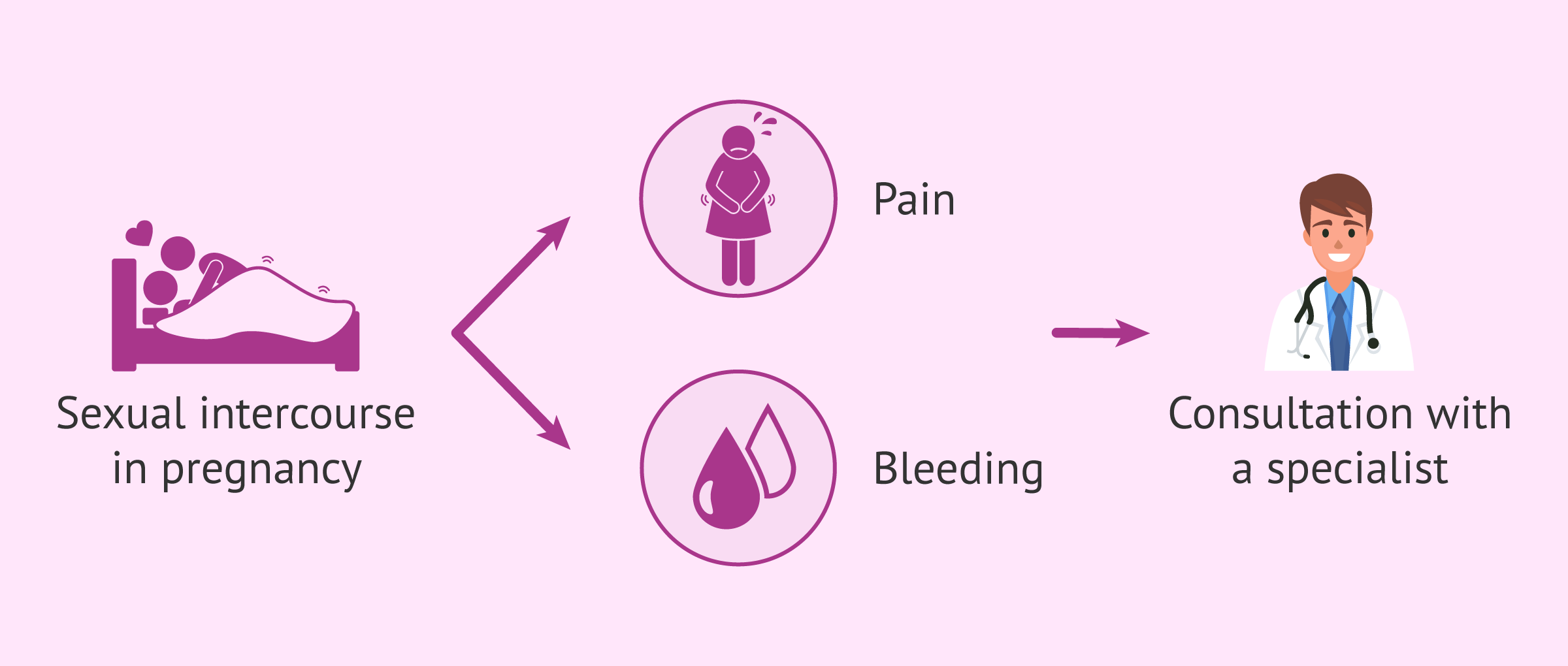
Does sexual intercourse during pregnancy affect the baby?
When a woman confirms that she is pregnant, many questions arise. One of them is whether it is possible to have sexual intercourse while pregnant. The answer is yes, as long as the pregnancy is developing without complications.
Read more

Do we tell that we are undergoing fertility treatment? To whom?
During fertility treatment, many couples have questions about whether they should tell family and friends or whether it is better to keep it private. Each person and each couple's circumstances are different, so they should consider together the most appropriate option that makes them feel comfortable.
Read more
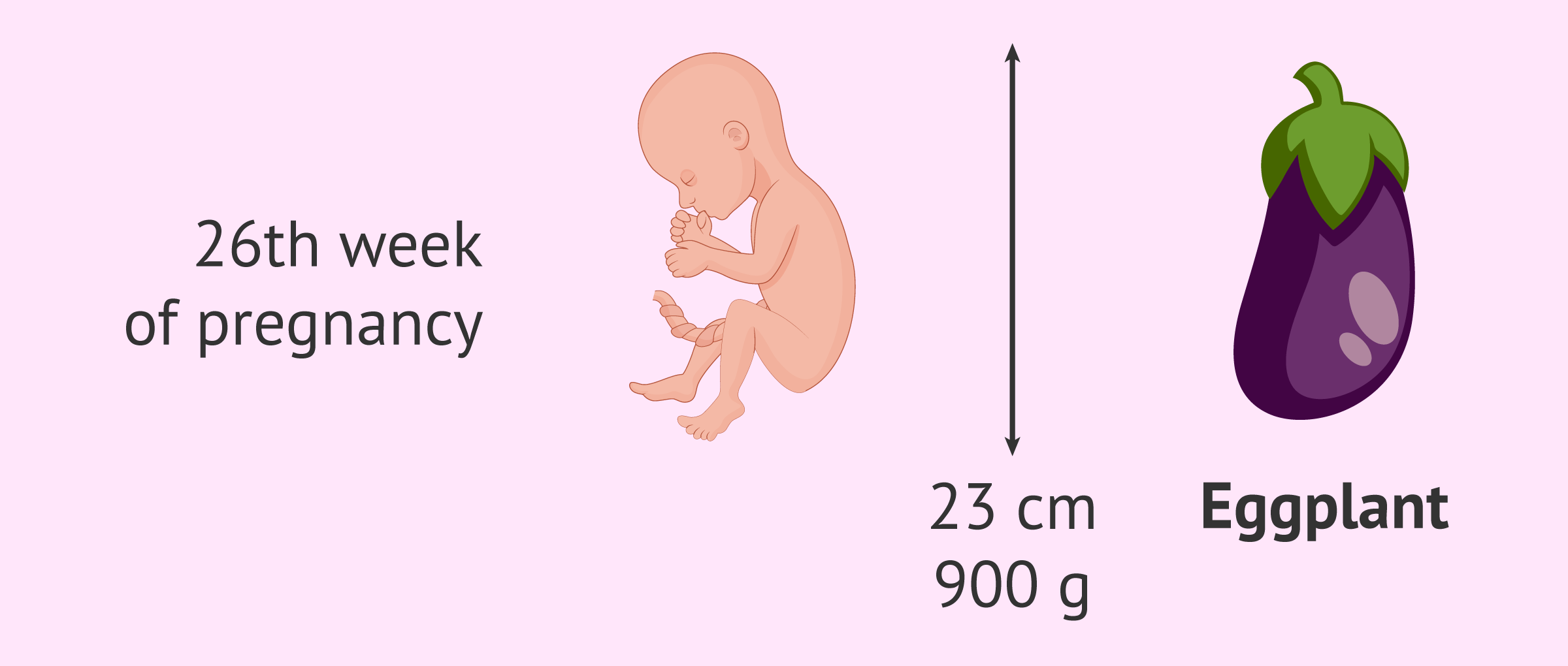
What happens in the 26th week of pregnancy in the baby and the mother?
In the 26th week of pregnancy, the baby continues to grow and gain weight. It is already about 23 cm long (head to buttocks) and weighs about 900 grams. On the other hand, the mother may feel frequent urination because the uterus presses on the bladder, which may even cause her to get up at night.
Read more

What is vaginal or vulvovaginal atrophy and what are its causes?
Vaginal atrophy is caused by declining estrogen levels, especially at menopause. However, situations such as childbirth or breastfeeding can also cause vaginal atrophy. Both hormonal and non-hormonal treatments are available to improve the symptoms of vaginal atrophy.
Read more
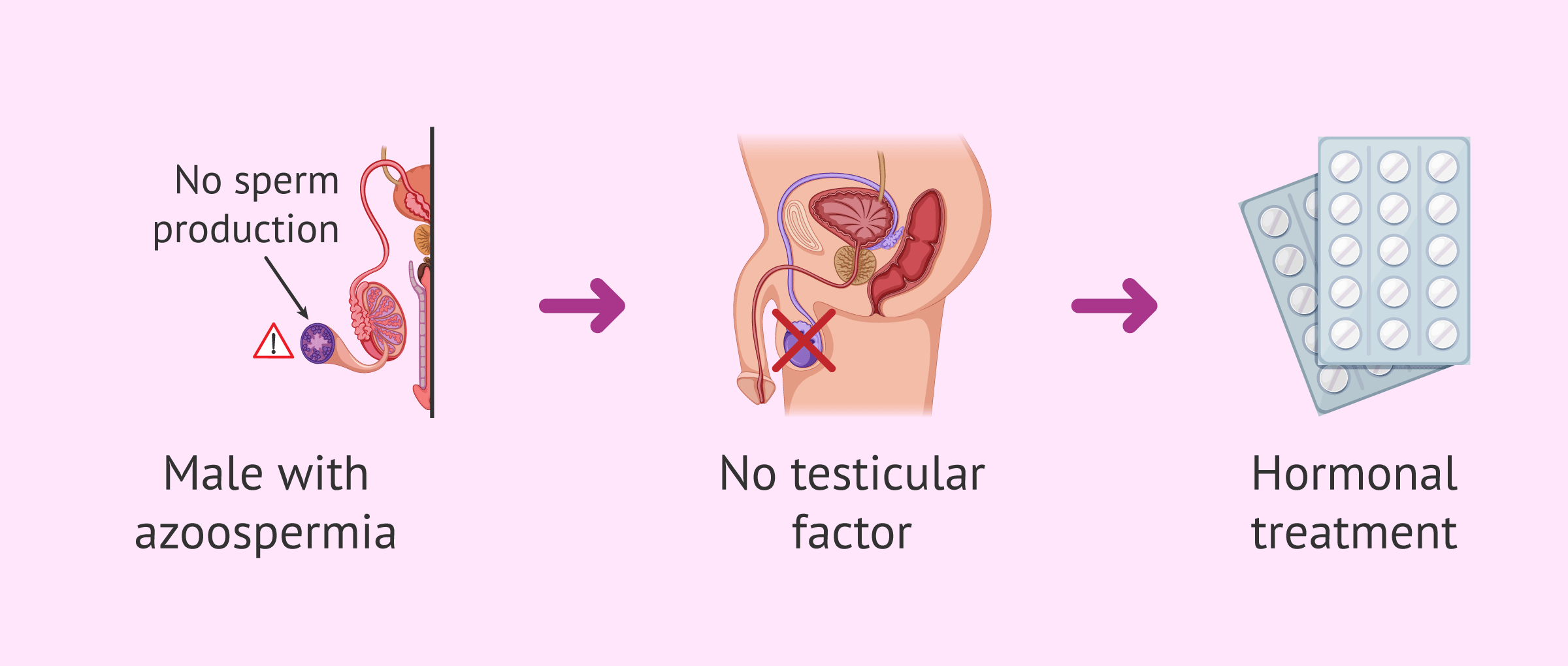
What is the best treatment for men with azoospermia?
Azoospermia is a seminal alteration characterized by the absence of spermatozoa in the ejaculate. Depending on the type of azoospermia, we will apply a hormonal or surgical treatment. It is also possible for natural treatment to resolve azoospermia in the male.
Read more
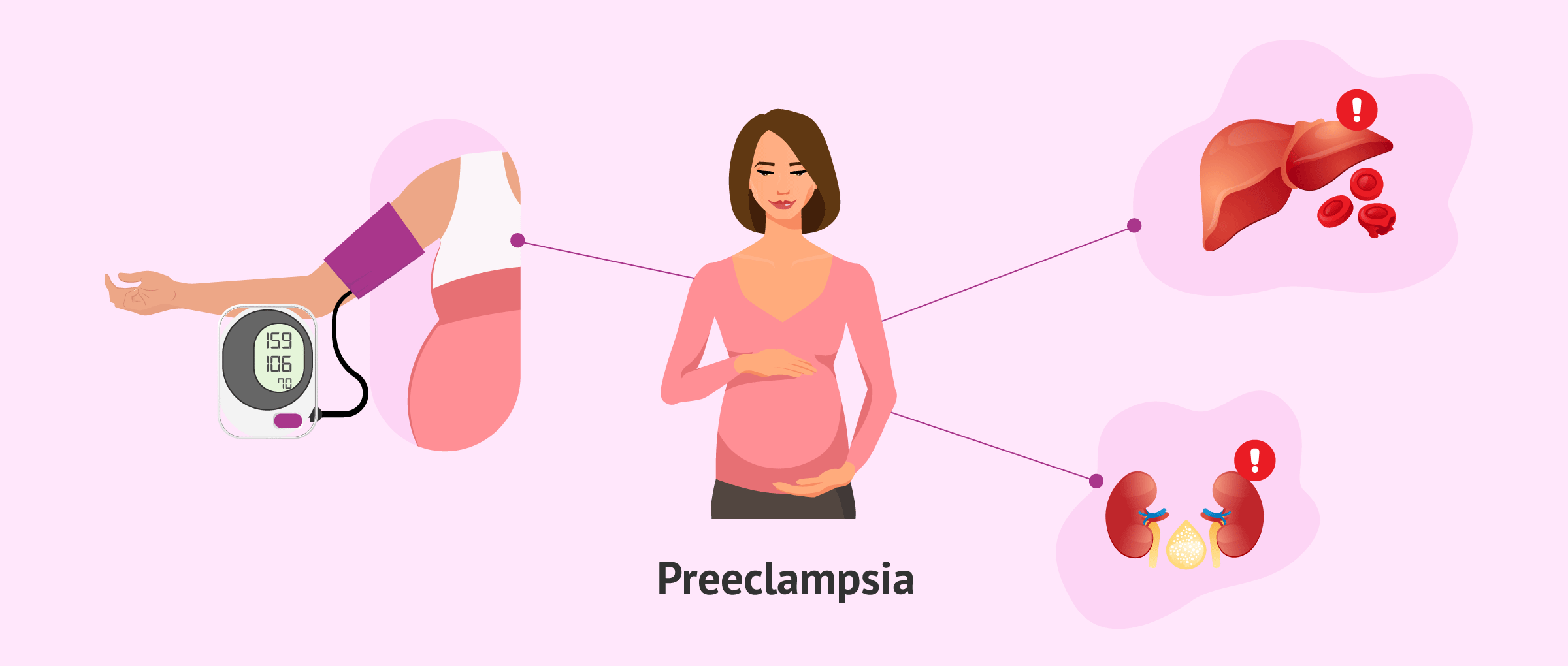
What is preeclampsia in pregnancy and why does it occur?
Preeclampsia is a condition that usually appears after the 20th week of gestation. The exact cause of preeclampsia is not known, but there are several risk factors. In any case, it is important to establish treatment as early as possible to avoid complications for mother and baby.
Read more
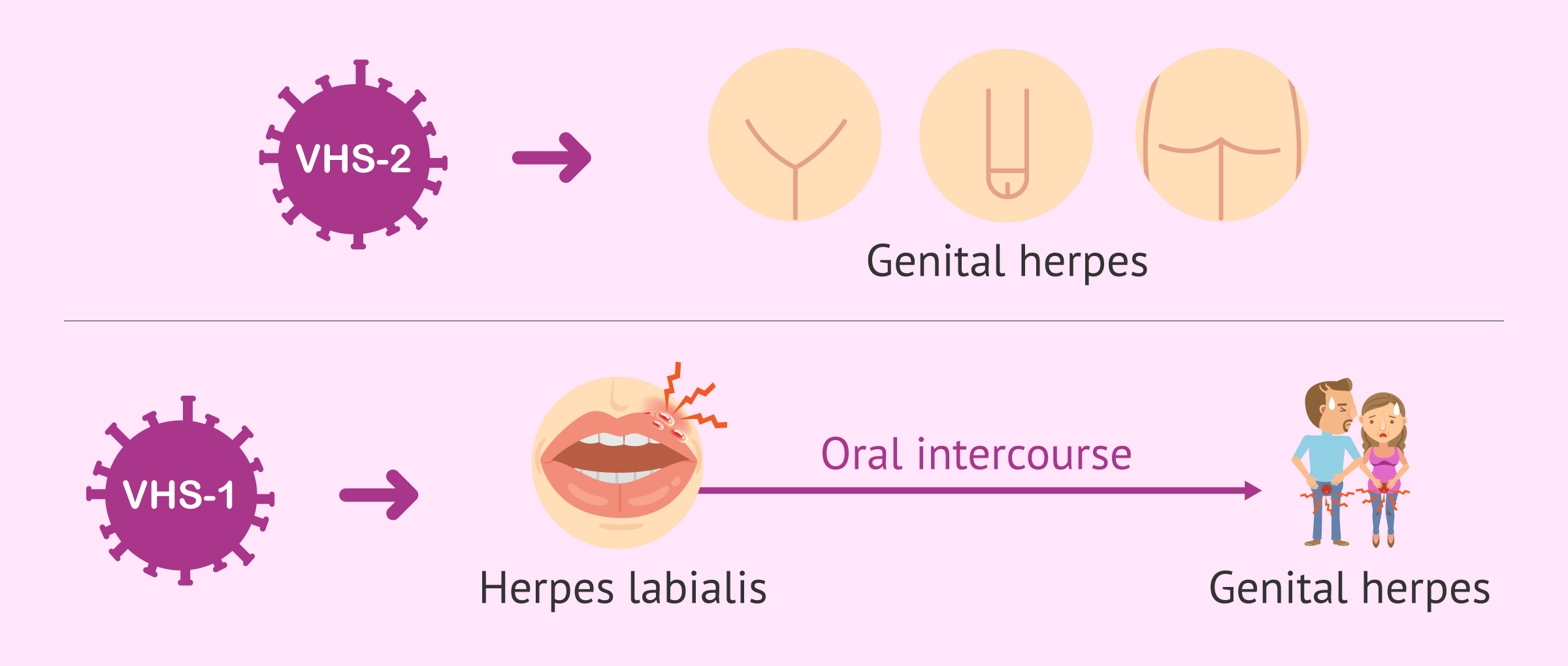
Genital herpes: What are the symptoms and is it treatable?
El herpes genital es una infección de transmisión sexual (ITS) común causada por el virus del herpes simple tipo 1 o tipo 2. Esta ITS se caracteriza por la presencia de ampollas que se rompen formando llagas dolorosas. Además, el virus queda latente dentro del organismo y puede reactivarse, dando lugar a nuevos brotes.
Read more

