Clearing cervical mucus in IVF: Why this medical step is unnecessary
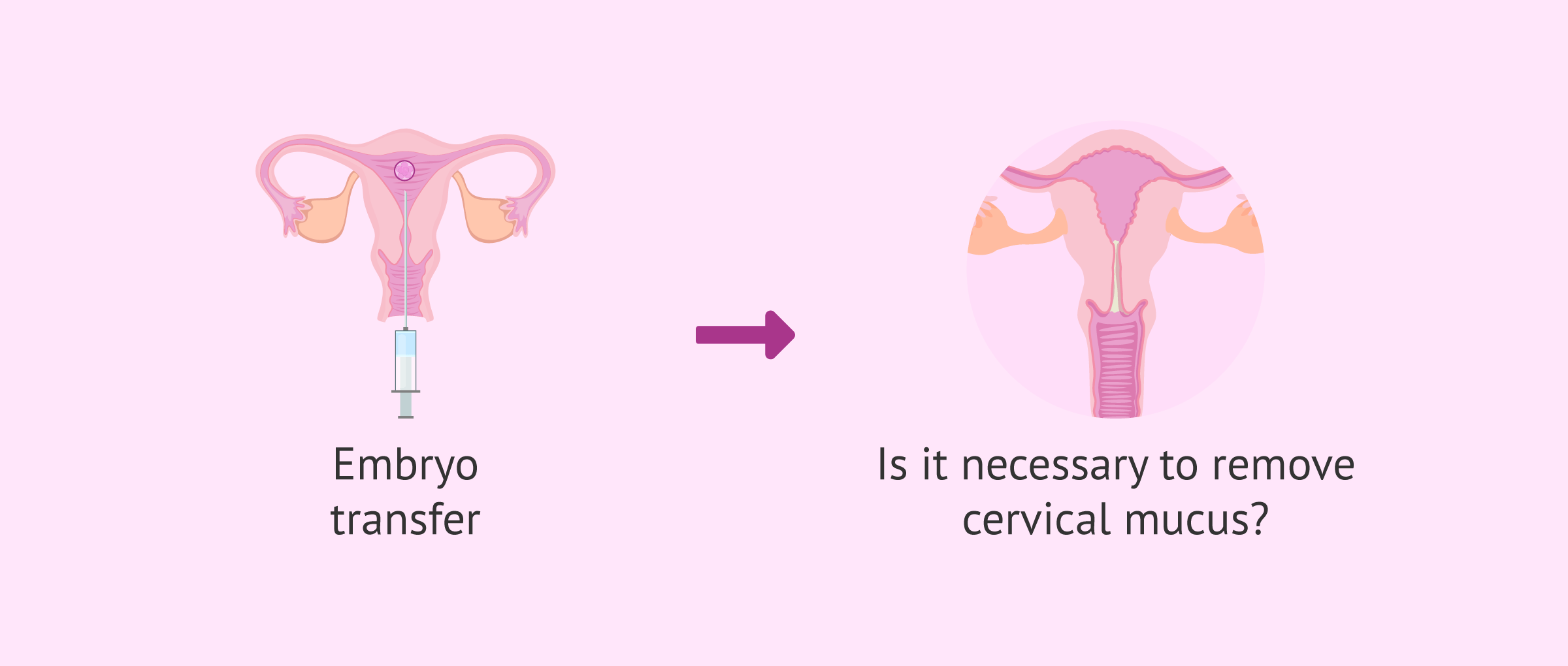
Embryo transfer is one of the decisive moments in fertility treatments. Historically, there has been a debate in the medical community about whether the presence of natural secretions in the cervix could hinder the correct implantation of the embryo.
To shed light on this question, a new randomized study conducted by researchers Muserref Banu Yilmaz, Belgin Devranoglu, Habibe Ayvacı Tasan, Gulsah Cetin Altıkardes, Enis Ozkaya, Ayse Nur Aksoy, Ali Cenk Ozay, and Ali Irfan Guzel, linked to the institutions University of Health Sciences Zeynep Kamil Women and Children's Diseases, Erzurum City Hospital, Kolan British Hospital, and Sanko University, has evaluated the effect of cervical mucus removal prior to transfer in women undergoing IVF with Intracytoplasmic Sperm Injection (ICSI).
The different sections of this article have been assembled into the following table of contents.
Contents
- 1.
- 2.
- 3.
- 4.
- 5.
Doubts about cervical mucus
The management of cervical mucus prior to embryo transfer is a topic that generates a diversity of opinions. On the one hand, some medical currents have suggested that these secretions could retain the embryo in the catheter or alter the intrauterine environment. However, other perspectives indicate that the cleaning process could generate unwanted uterine contractions and decrease the chances of implantation.
Faced with this lack of consensus, this study analyzed 183 patients who had at least one good quality embryo and an adequate endometrial thickness and pattern.

To try to guarantee scientific rigor, the research design discarded those cases that presented poor embryonic development or endometrial pathologies. In this way, it was ensured that the results reflected the impact of the cervical mucus cleaning technique under optimal conditions.
Cervical mucus and embryo transfer
The study participants were divided into three different groups according to the protocol used to address cervical secretion before embryo transfer:
- Group 1: Removal of mucus using a cotton swab.
- Group 2: Extraction using a cannula (Pipelle).
- Group 3: Control group, where no intervention was performed on the cervical mucus.
It is important to note that no significant differences were observed between the groups in key aspects such as age, the time they had been trying to conceive, basal hormone levels, or the response to ovarian stimulation. This confirmed that all participants started from a very similar clinical scenario.
Clinical pregnancy rates unchanged
The main indicator of success in this study was the clinical pregnancy rate. After analyzing the data, the researchers concluded that the gestation percentages were statistically similar in all the scenarios studied (groups 1, 2, and 3).
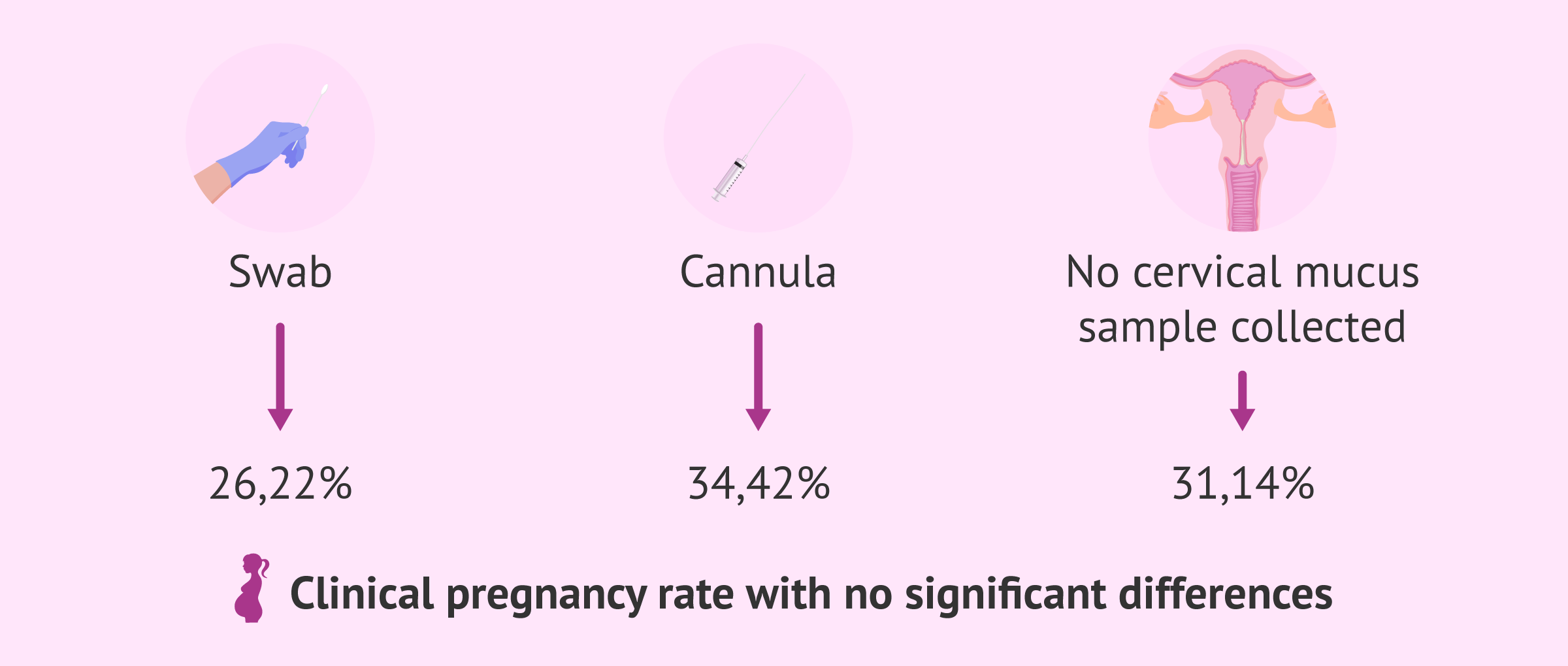
Specifically, the group in which cervical mucus was removed with a cotton swab recorded a 26.22% success rate (clinical pregnancy rate), the cannula group 34.42%, and the control group without cervical mucus extraction reached 31.14%. The analysis showed that the method used to remove the cervical mucus, or even the fact of not removing it, did not decisively influence the final outcome of the ICSI cycle.
Possible implications
The conclusions of this clinical trial are fundamental for optimizing protocols in assisted reproduction centers. By showing that the routine extraction of cervical mucus does not provide a significant benefit in achieving a clinical pregnancy, professionals may consider simplifying the embryo transfer procedure.
This not only questions deeply rooted medical practices but also suggests that unnecessary interventions can be avoided without risking the success of the reproductive treatment.
We make a great effort to provide you with the highest quality information.
🙏 Please share this article if you liked it. 💜💜 You help us continue!
References
Yilmaz MB, Devranoglu B, Ayvacı Tasan H, Altıkardes GC, Ozkaya E, Aksoy AN, Ozay AC, Guzel AI. Does cervical mucus removal before embryo transfer have an effect on cycle outcome in women undergoing ICSI?: A randomised controlled trial. Hum Fertil (Camb). 2026 Dec;29(1):2649287. doi: 10.1080/14647273.2026.2649287. Epub 2026 Mar 30. PMID: 41913411. (View)