
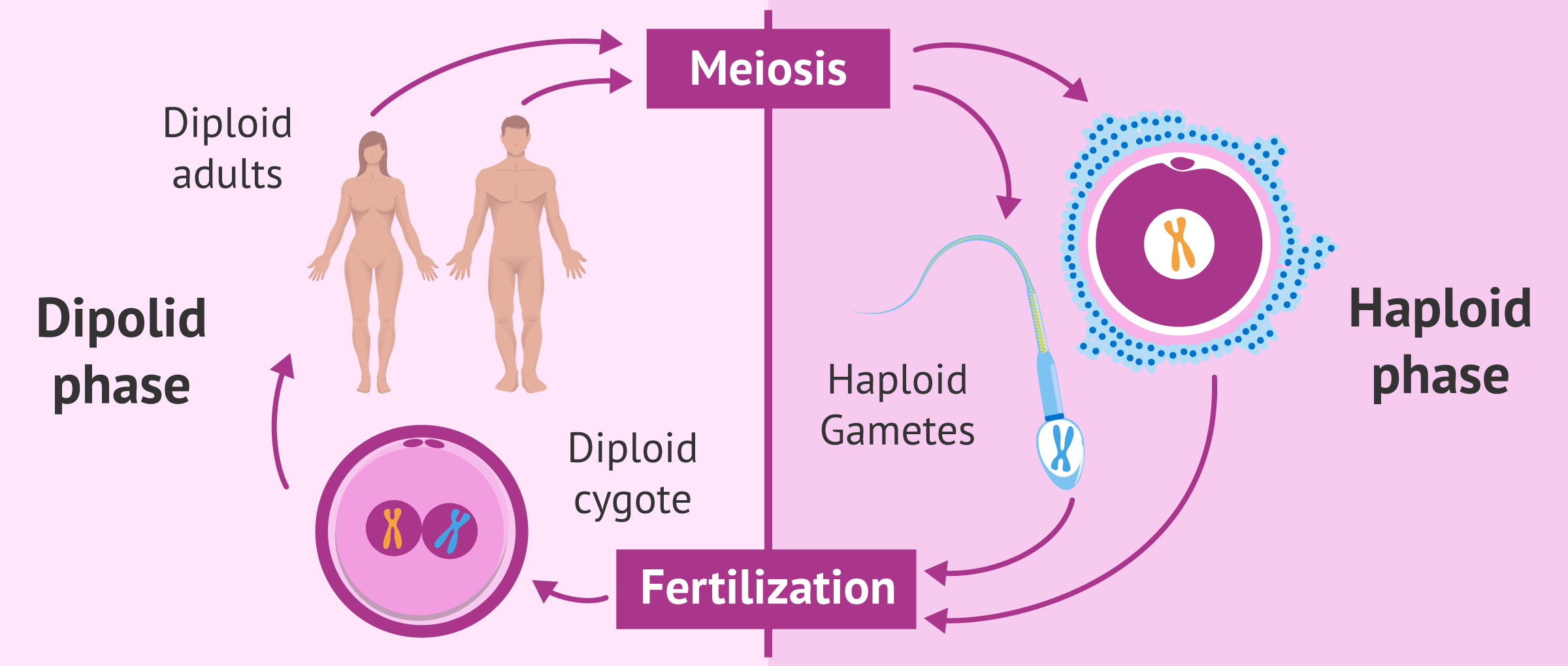
Haploid is some type of cellular structure which only consists of gametes, that means of eggs and spermatozoa.
A haploid cell means that it has half as many chromosomes as the rest of the somatic cells that make up the body, which are diploid.
While a diploid cell has a total of 46 chromosomes (normal endowment of the human species), a haploid cell has 23 chromosomes. This is achieved with the type of cell division known as meiosis and that serves so that, once fertilization between an egg and a sperm takes place, the normal chromosome endowment is again restored in the embryo that is going to develop.
Community and Support
At inviTRA we work to make monthly and rigorous information accessible to everyone. If this article has helped you, consider supporting us so we can continue accompanying more people on their journey to parenthood.
Author

Find the latest news on assisted reproduction in our channels.

