IVF with euploid embryos: Does maternal age affect success?
When a patient undergoes an In Vitro Fertilization (IVF) treatment, one of the main concerns is the genetic quality of the embryos. We know that as a woman's age advances, the risk of chromosomal abnormalities (aneuploidies) increases. To mitigate this, we use Preimplantation Genetic Testing (PGT-A), which allows us to select chromosomally normal (euploid) embryos. For years, we have debated whether transferring a "healthy" embryo equalized success rates between young and older patients. Now, a recent meta-analysis sheds light on this crucial question.
This comprehensive review has been carried out by researchers Amerigo Vitagliano, Alessio Paffoni, and Paola Viganò, belonging to Italian institutions: the Department of Women's and Children's Health of the University of Padua, the Infertility Unit of ASST Lariana in Cantù, and the Infertility Unit of the Fondazione IRCCS Ca' Granda Ospedale Maggiore Policlinico in Milan.
The different sections of this article have been assembled into the following table of contents.
Contents
- 1.
- 2.
- 3.
- 4.
- 5.
Impact of age on IVF with euploid embryos
Traditionally, it was considered that the main barrier to pregnancy in women of advanced age was the genetics of the embryo. Logic suggested that if we selected a euploid embryo (with the correct number of chromosomes), the chances of pregnancy should be similar to those of a young woman. However, this new study questions that idea.


The researchers conducted a systematic review and meta-analysis that included a total of 7 studies and 11,335 transfers of euploid embryos. Their goal was to investigate whether maternal age continues to influence success rates (ongoing pregnancy and live birth) even when we know the embryo is genetically correct.
Success of IVF with euploid embryos according to age
The data obtained are revealing for reproductive counseling. The study found that:
- Pregnancy and birth rates: Women under 35 years of age showed a significantly higher ongoing pregnancy and birth rate than women aged 35 or older, even after transferring euploid embryos.
- Implantation rate: The embryo's ability to implant in the uterus was also superior in the younger group of women.
- The age factor is independent: A progressive decrease in success rates was observed as maternal age increased, regardless of whether the embryo was chromosomally normal.
This suggests that, although PGT-A is an invaluable tool that improves chances and reduces the risk of miscarriage, it does not completely eliminate the effect of the passage of time.
Causes of fertility decline with maternal age
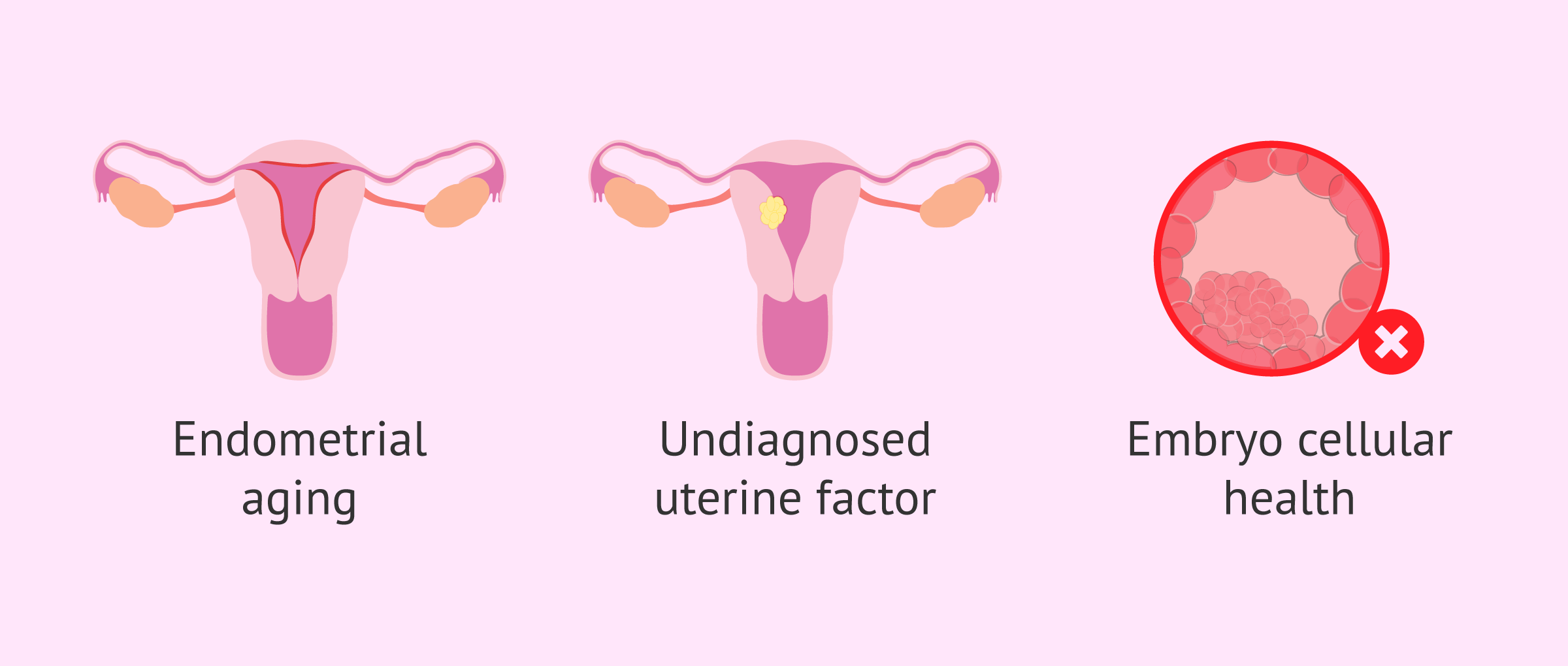
If the embryo is genetically "perfect", why do success rates decrease with age? The authors of the study propose several hypotheses that go beyond embryonic genetics:
- Endometrial aging: It is suggested that the uterus also ages. Changes in endometrial gene expression and function could hinder implantation or the maintenance of pregnancy in older women.
- Undiagnosed uterine factors: With age, the incidence of pathologies such as fibroids or adenomyosis increases, which can sometimes go unnoticed but alter the environment where the embryo must implant.
- Cellular health of the embryo: Even if the embryo has the correct chromosomes, maternal age could affect other aspects, such as the embryo's metabolism or its epigenetics (how its genes are activated).
Success in IVF with PGT-A at an advanced age
The main conclusion of this study is fundamental for managing expectations. Increasing maternal age is associated with a decrease in the success rates of assisted reproduction techniques, regardless of the embryo's ploidy (genetics).
This does not mean that the treatment will not work in women over 35 or 38 years old; in fact, PGT-A remains an excellent strategy to shorten the time to pregnancy and avoid failed transfers. However, it is vital to understand that a euploid embryo does not guarantee pregnancy 100% and that there are uterine and metabolic factors associated with age that also play an important role.
We make a great effort to provide you with the highest quality information.
🙏 Please share this article if you liked it. 💜💜 You help us continue!
References
Vitagliano A, Paffoni A, Viganò P. Does maternal age affect assisted reproduction technology success rates after euploid embryo transfer? A systematic review and meta-analysis. Fertil Steril. 2023;120(2):251-65. (View)