
A team of researchers has found for the first time evidence of microplastics in human follicular fluid, the natural environment where eggs mature inside the ovary.
This study was authored by Luigi Montano, Salvatore Raimondo, Marina Piscopo, Maria Ricciardi, Antonino Guglielmino, Sandrine Chamayou, Raffaella Gentile, Mariacira Gentile, Paola Rapisarda, Gea Oliveri Conti, Margherita Ferrante and Oriana Motta.
Multiple institutions have participated in this research work: the Local Health Authority of Salerno, the University of Rome "Tor Vergata", the research center "Gentile s.a.s." in Gragnano, the University of Naples Federico II, the University of Salerno, the HERA Center in Catania, the University of Milan "Bicocca", the International Society of Doctors for Environment (ISDE) and the University of Catania.
Provided below is an index with the 6 points we are going to expand on in this article.
What are microplastics and how do they reach the ovary?
Microplastics are tiny fragments derived from the degradation of plastic materials, measuring less than five millimeters. Primarily, they enter the human body through the ingestion of food and drinks, inhalation in the air, and absorption through the skin. In recent research, the presence of these particles had already been documented in blood, the placenta, or semen.
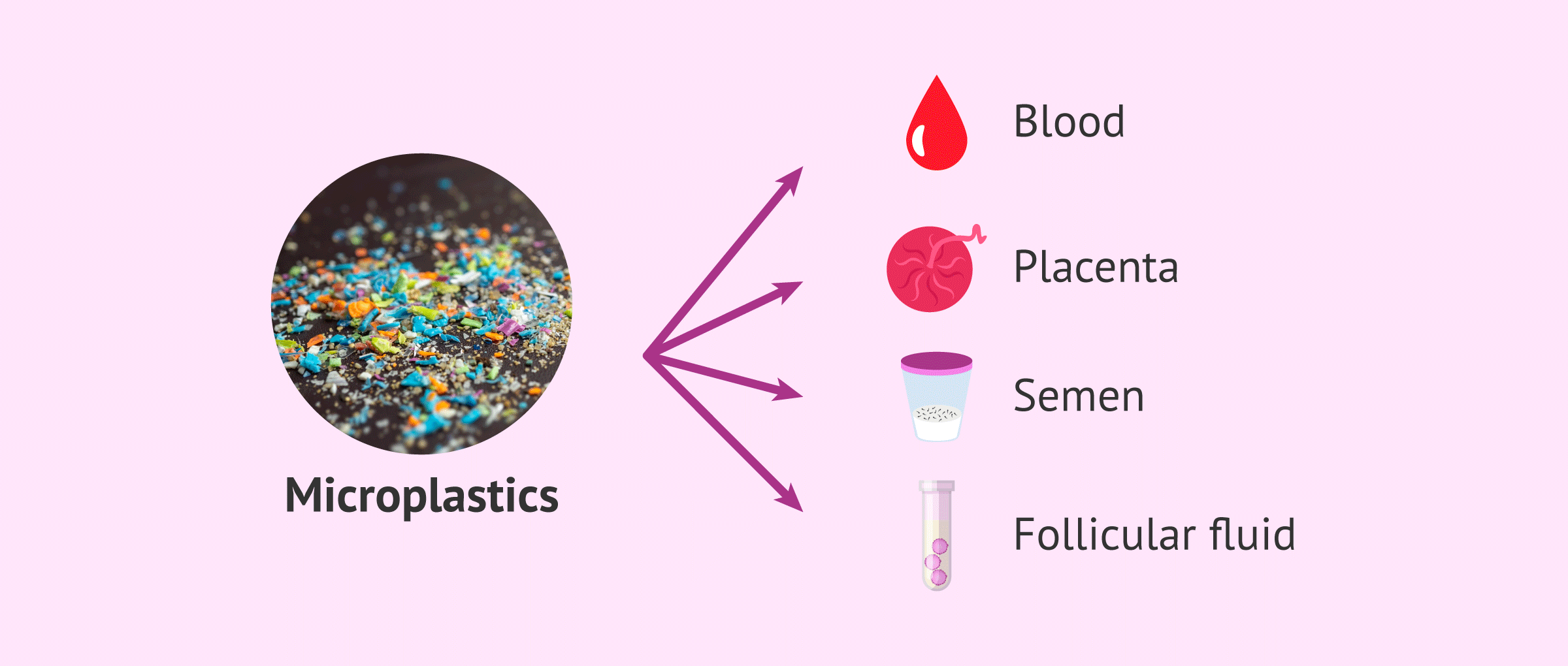
Due to their small size, it is suspected that these fragments are capable of traveling through the bloodstream, crossing the cellular barrier of the follicles, and lodging in the ovaries, which has alerted the medical and scientific community specializing in reproduction.
Follicular fluid analysis
To carry out this research, specialists analyzed samples of follicular fluid from 18 women who were undergoing In Vitro Fertilization (IVF) treatment at an assisted reproduction center located in Salerno, in southern Italy.
The results revealed the presence of microplastics of less than 10 micrometers in 14 of the 18 samples studied. Regarding the amounts, an average concentration of 2191 particles was detected per milliliter of follicular fluid analyzed.
This fluid is of vital importance, as it is responsible for nourishing and protecting the egg during its development before ovulation.
Impact of microplastics on hormones and fertility
The study did not only focus on detecting the presence of these plastic particles, but also on observing their possible relationship with different female fertility markers. The most notable findings include:
- A direct and significant correlation was observed between the concentration of microplastics and follicle-stimulating hormone (FSH) levels.
- A weak, although not statistically significant, relationship was detected with body mass index (BMI), patient age, and estradiol.
- No correlation was seen with fertilization outcomes, miscarriages, or live birth rates.
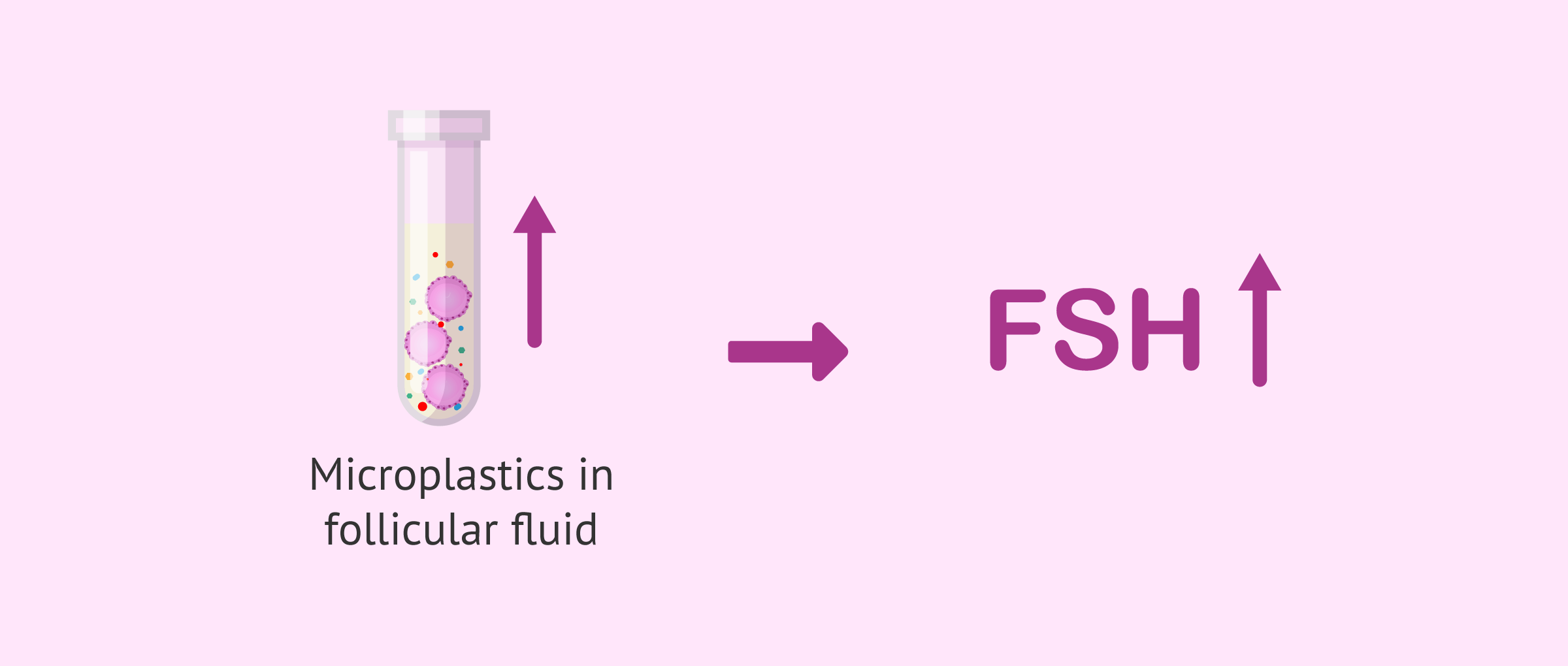
Although it has not currently been shown that these microplastics immediately affect the possibility of achieving a pregnancy through fertility treatments, specialists warn that this discovery is a warning sign for the scientific community. Broader studies will be needed in the future to fully understand the long-term consequences of these emerging contaminants on women's reproductive health.
Community and Support
At inviTRA we work to make monthly and rigorous information accessible to everyone. If this article has helped you, consider supporting us so we can continue accompanying more people on their journey to parenthood.
References
Montano L, Raimondo S, Piscopo M, Ricciardi M, Guglielmino A, Chamayou S, Gentile R, Gentile M, Rapisarda P, Oliveri Conti G, Ferrante M, Motta O. First evidence of microplastics in human ovarian follicular fluid: An emerging threat to female fertility. Ecotoxicol Environ Saf. 2025 Feb;291:117868. doi: 10.1016/j.ecoenv.2025.117868. Epub 2025 Feb 12. PMID: 39947063. (View)


