PCOS and mental health: the impact on women’s fertility
A new study conducted by Neha Gupta, Ambrish Kumar Mishra, Pushp Lata Sankhwar and Tripti Kumari, from the Department of Obstetrics and Gynecology at King Georges Medical University and the Department of Psychiatry at Government Medical College in Kannauj, Lucknow, Uttar Pradesh, India, highlights the psychological impact of Polycystic Ovary Syndrome (PCOS).
This research analyzes how it affects women's mental health and its direct repercussion on the patients' quality of life.
The different sections of this article have been assembled into the following table of contents.
Contents
- 1.
- 2.
- 3.
- 4.
- 5.
PCOS beyond fertility
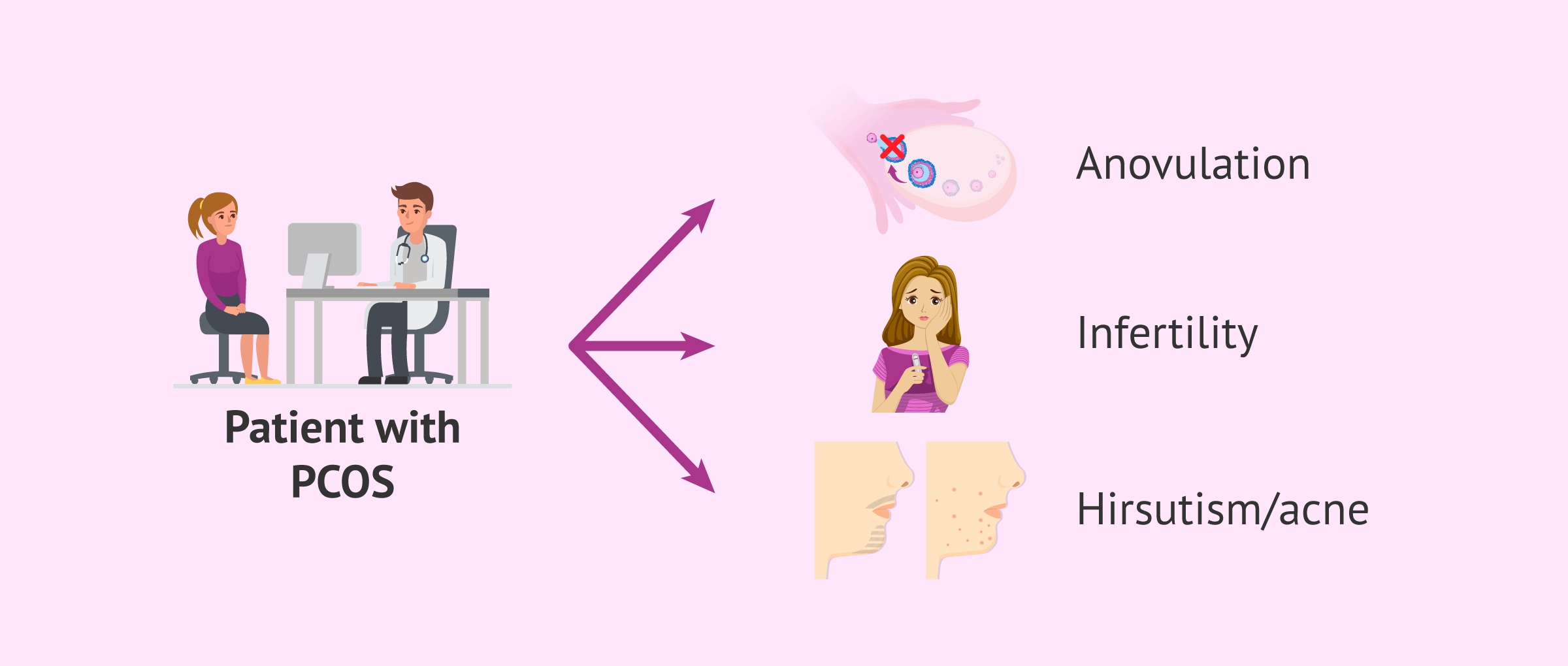
Polycystic Ovary Syndrome is one of the most common endocrine disorders in women of reproductive age. Among its clinical manifestations are the following, some of which are addressed in assisted reproduction consultations:
- Menstrual irregularities, such as lack of ovulation (anovulation).
- Difficulties achieving pregnancy (infertility).
- Increased body hair (hirsutism) and dermatological problems such as acne.

However, the reality of this diagnosis goes much further than purely physical and hormonal alterations.
This clinical research evaluated 200 women diagnosed with PCOS according to the strict Rotterdam criteria. It was found that 83% of the analyzed cases corresponded to women under 30 years of age, demonstrating that this alteration breaks out during the most active stages of reproductive life.
Thoroughly understanding these symptoms helps to comprehend why this condition generates so much uncertainty in those seeking to become mothers in the short or medium term.
Anxiety and depression in PCOS
The data obtained in the study reveal a significant emotional impact on women with this PCOS diagnosis. In fact, very notable figures have been recorded regarding the mental health of patients with PCOS:
- 55% of patients experienced symptoms of anxiety.
- 52% presented depression.
- 34% of the participants acknowledged poor daily functioning, affecting their overall quality of life.
Furthermore, it was found that anxiety levels were higher among those women who presented chronic acne (63.01%) and hirsutism (67.92%) problems. Likewise, the study observed that, in a group of women with obesity, 72.09% showed signs of depression.
PCOS, infertility and quality of life
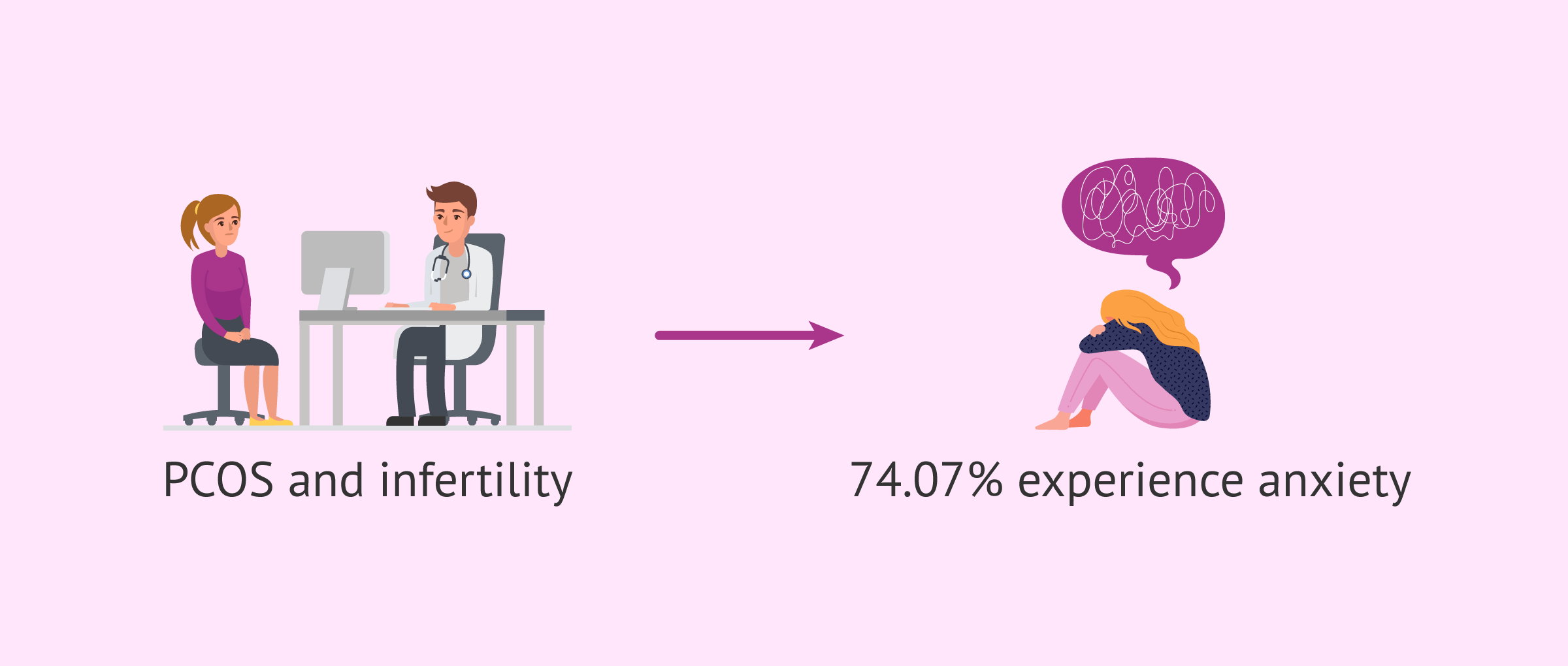
In the field of reproductive medicine, the difficulty in conceiving is undoubtedly one of the greatest emotional challenges. The research reflects this challenge by demonstrating that 74.07% of women with PCOS who suffered from infertility problems also had higher levels of anxiety.
Despite this evident emotional burden, the study yields hopeful data: 77.78% of infertile women reported having a good level of general functioning in their routines. This suggests that many develop great resilience to keep their lives going, despite the stress of undergoing reproductive treatments.
Importance of psychological support
The path to motherhood can become very demanding on a physical and mental level. For this reason, the medical community increasingly recommends the implementation of early psychological evaluations. This allows:
- Early identification of possible symptoms of severe anxiety or major depression.
- Providing a comprehensive health approach, complementing medical treatment with emotional support.
- Directly improving the overall well-being of the patient and, consequently, her quality of life during the process.
Integrating psychological care alongside gynecological and reproductive counseling not only mitigates the emotional burden but also fosters an optimal environment for the fertility treatments the woman must undergo.
We make a great effort to provide you with the highest quality information.
🙏 Please share this article if you liked it. 💜💜 You help us continue!
References
Gupta N, Mishra AK, Sankhwar PL, Kumari T. Assessment of Psychological Disorders and Quality of Life in Polycystic Ovary Syndrome Cases. Ann Afr Med. 2026 Mar 19. French, English. doi: 10.4103/aam.aam_687_25. Epub ahead of print. PMID: 41889238. (View)