
IVF
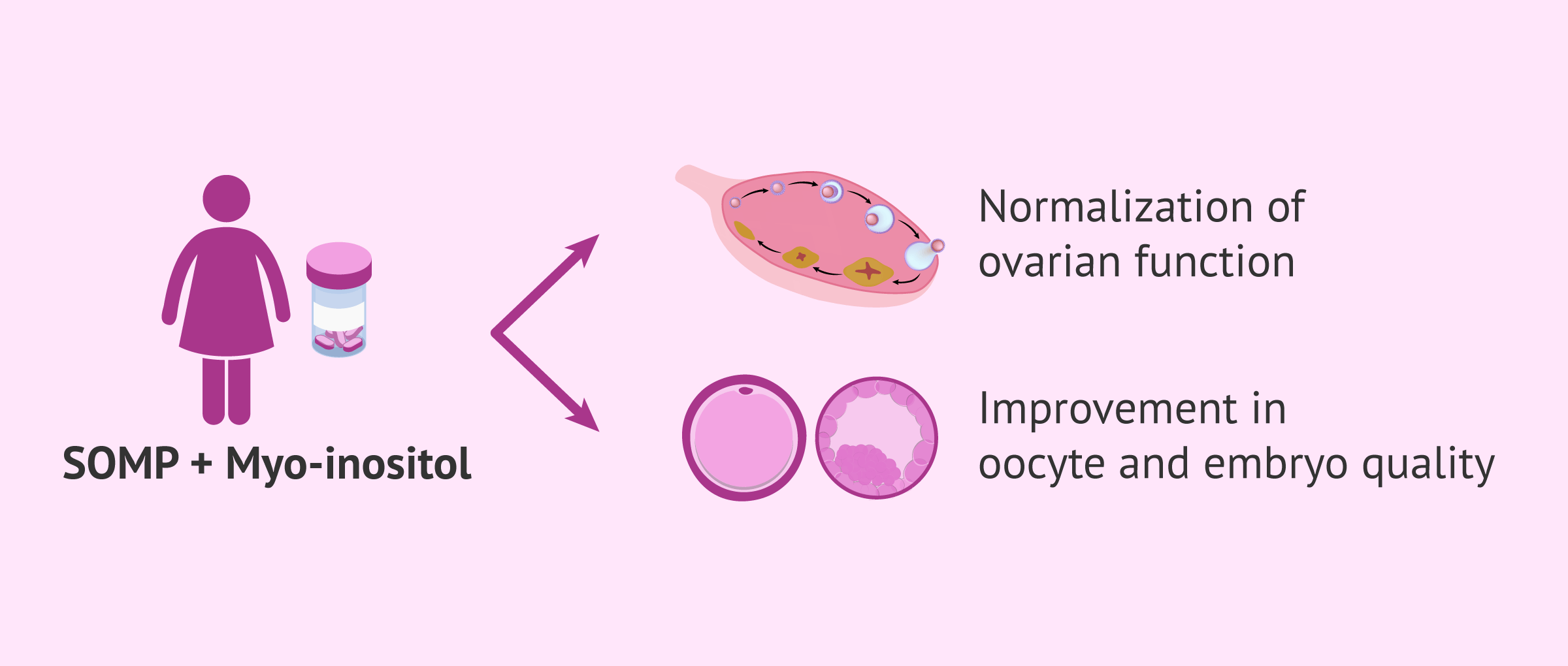
IVF Supplements: The danger of taking them without control
A recent review evaluates the efficacy of supplements during IVF treatments. While Omega-3, Coenzyme Q10, and myo-inositol show benefits to boost fertility, other supplements could compromise endometrial development if taken without clinical supervision. Read more
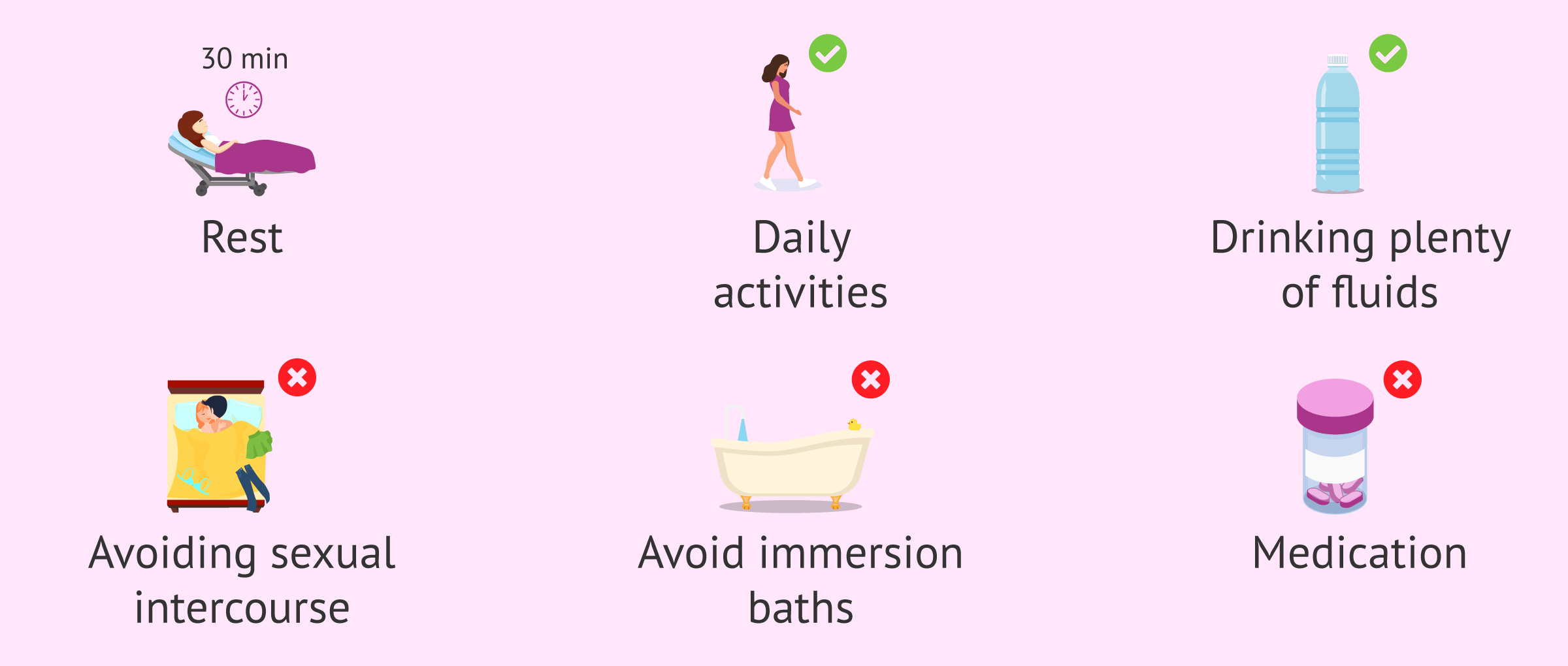
What to do after embryo transfer? - Recommendations
When the embryo transfer to the mother's uterus takes place, a period of time known as beta waiting begins. There are many doubts, fears, questions about what to do and what not to do. However, life after embryo transfer is completely normal, there is no need to obsess. Read more

What is Adenomyosis? Risks, Symptoms and Treatment
Uterine adenomyosis occurs when endometrial tissue invades the myometrium. Treatment will depend on your symptoms and your desire to become pregnant. Read more
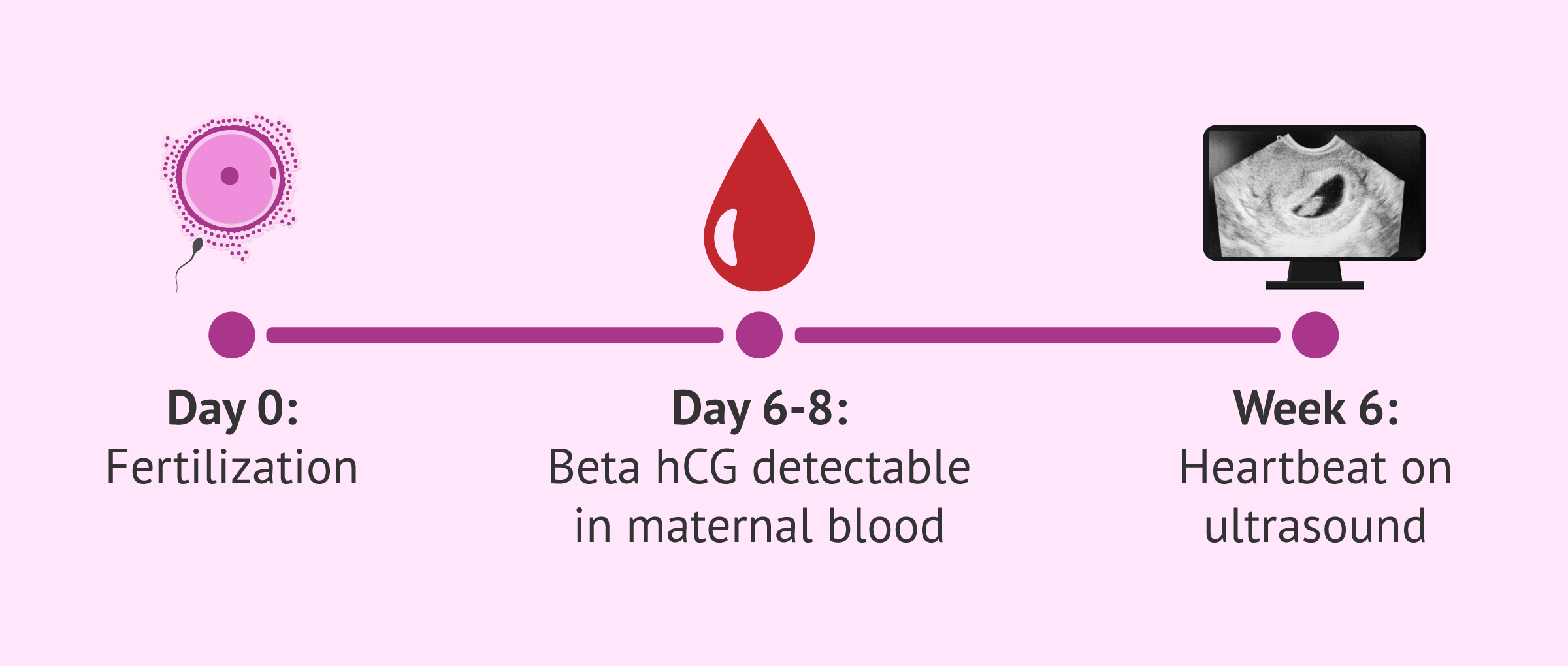
The incredible beta hCG data that defines pregnancy success
A new study establishes that specific early beta hCG hormone figures (such as its doubling in 48 hours) can predict with over 85% accuracy the birth of a baby after in vitro fertilization, providing greater peace of mind compared to traditional ultrasounds. Read more
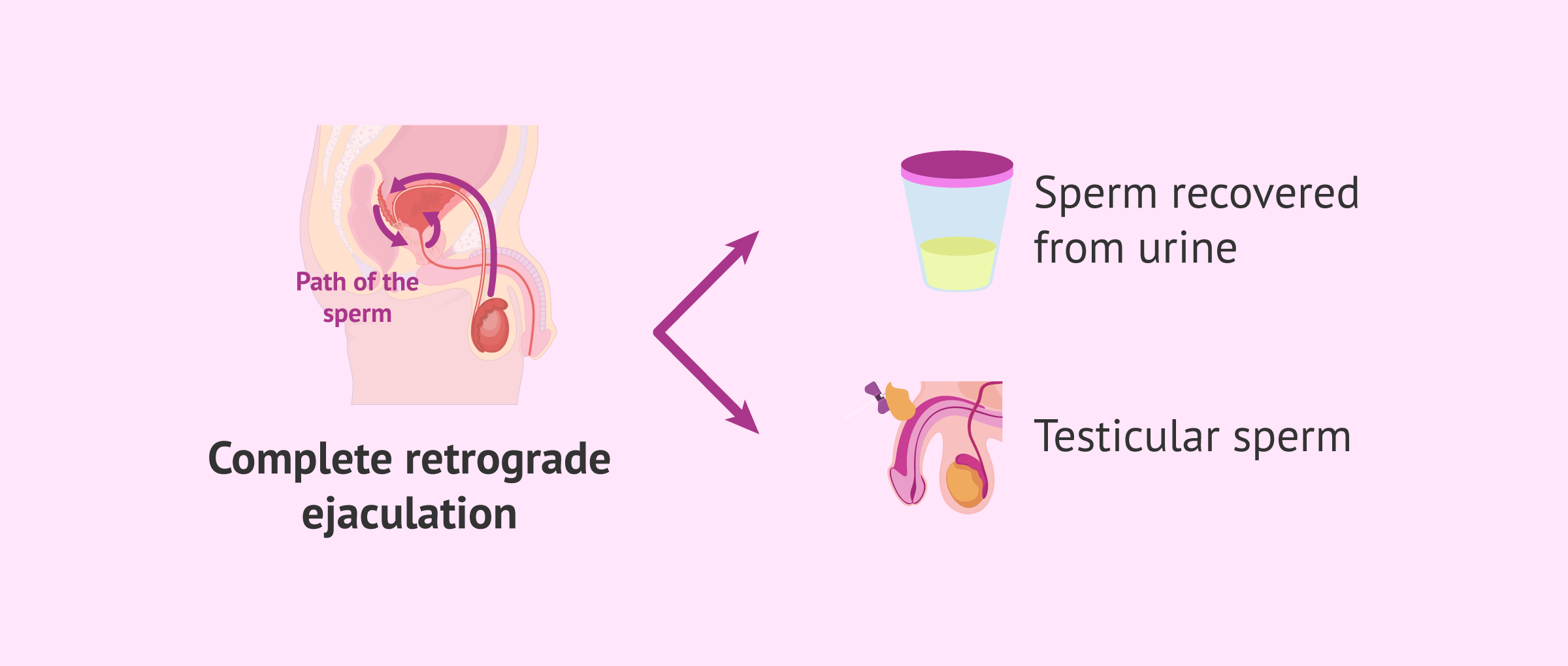
IVF with retrograde ejaculation: the secret to achieving pregnancy
A recent study shows that obtaining sperm directly from the testicle significantly increases pregnancy and live birth rates in patients with complete retrograde ejaculation, outperforming traditional urine retrieval in in vitro fertilization (IVF) cycles.
Read more
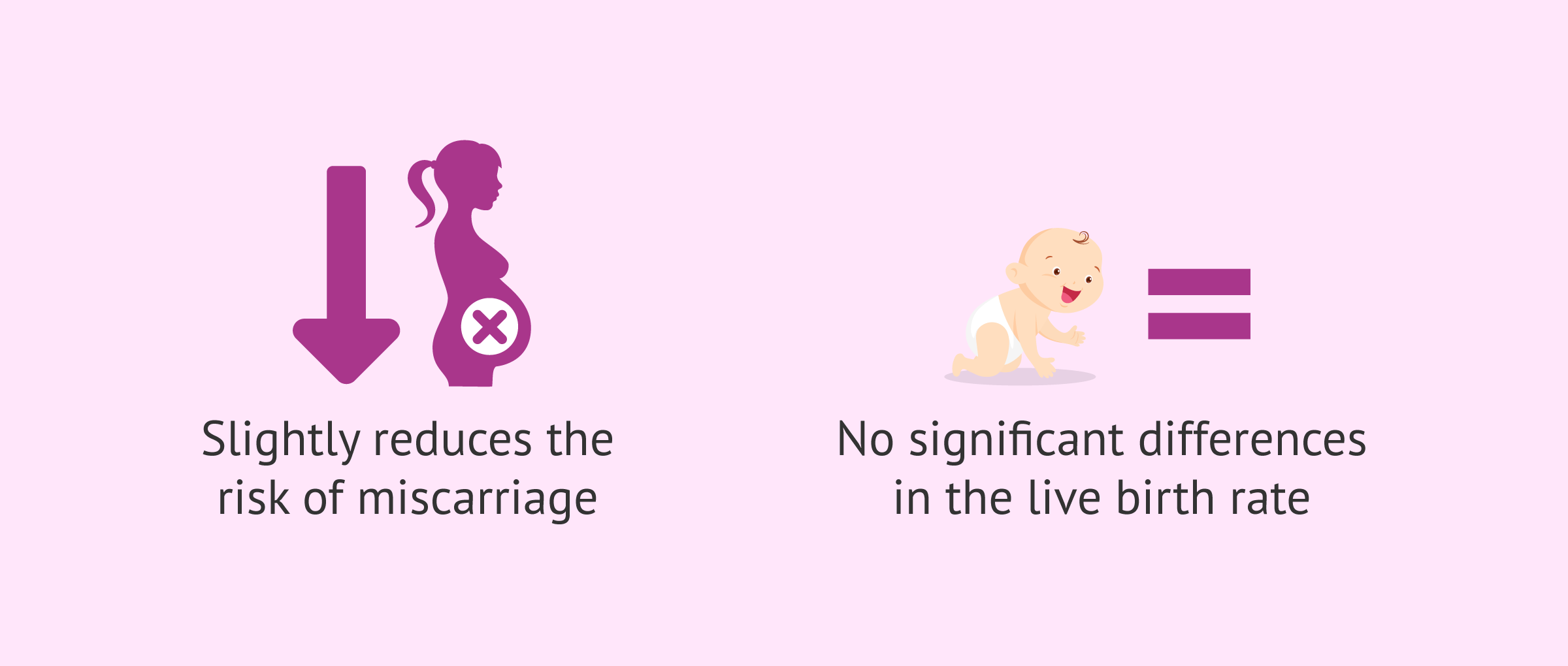
The hidden truth about advanced sperm selection in IVF
A new scientific analysis evaluates whether advanced sperm selection techniques, such as hyaluronic acid (HA-ICSI) or microfluidics, truly improve the success of in vitro fertilization. Learn the real benefits on birth rates and the reduction of spontaneous miscarriages.
Read more
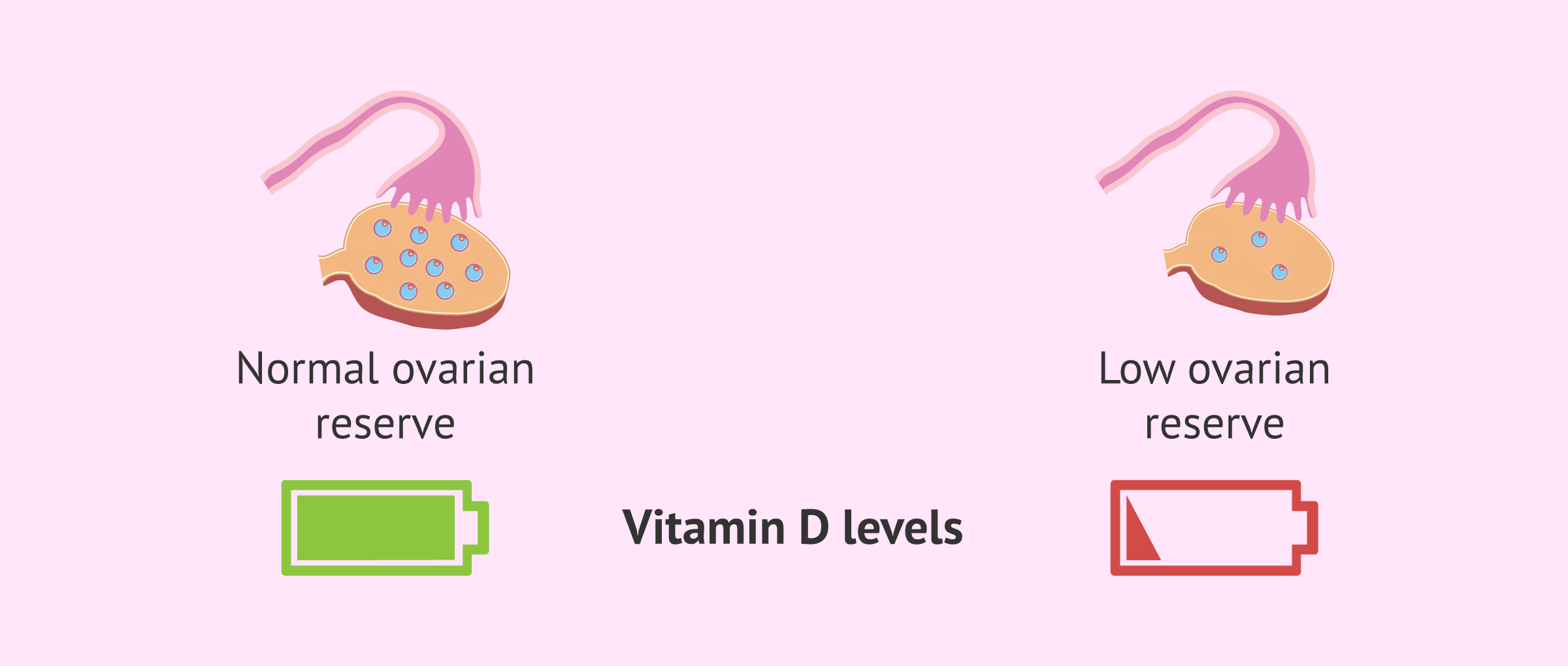
Vitamin D: the unexpected secret in your low ovarian reserve
A recent study shows that patients with low ovarian reserve and optimal vitamin D levels manage to retrieve more eggs and have higher fertilization rates. Maintaining good levels could be a cheap and simple key to pregnancy success. Read more
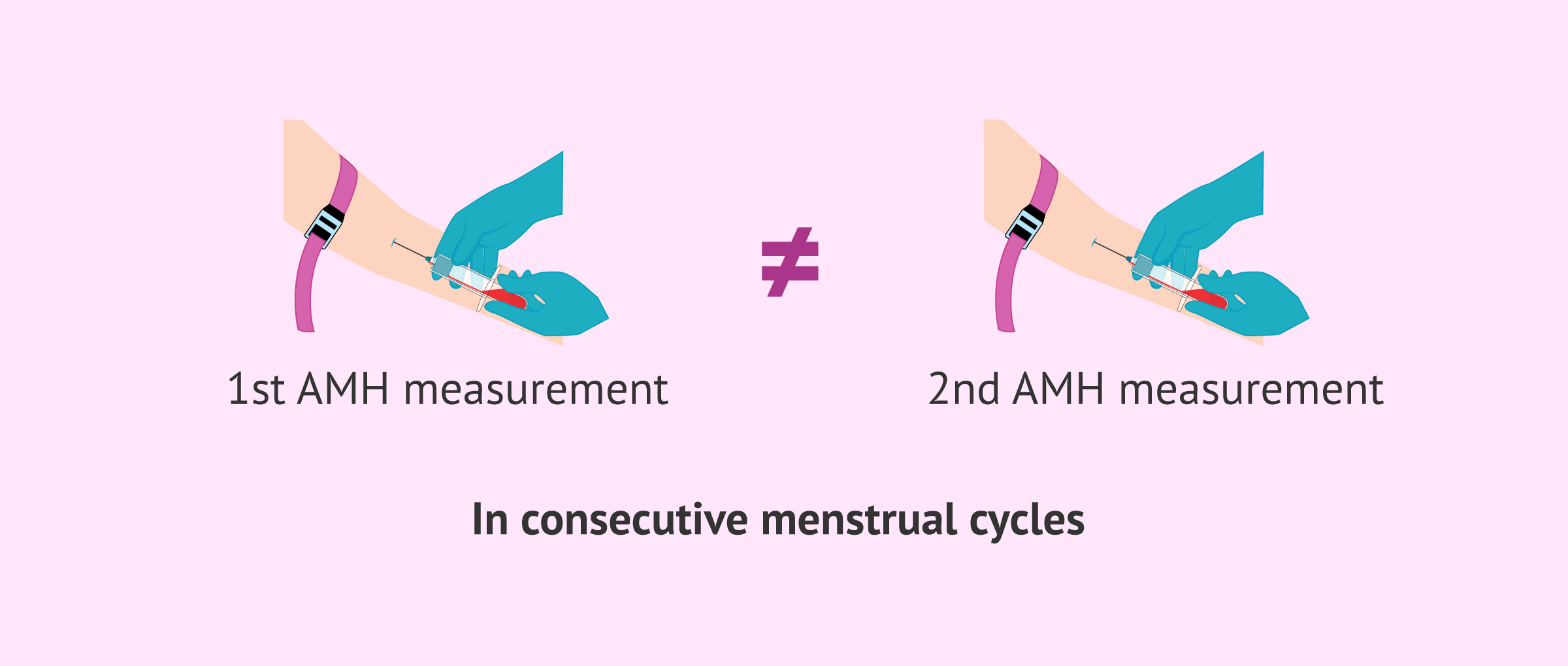
Anti-Müllerian Hormone: Is a single ovarian reserve test enough?
A new study reveals that Anti-Müllerian Hormone (AMH) varies by 44% from one cycle to another, which can cause misdiagnoses of ovarian reserve. Discover why repeating the test just before treatment improves the prognosis of the eggs obtained. Read more
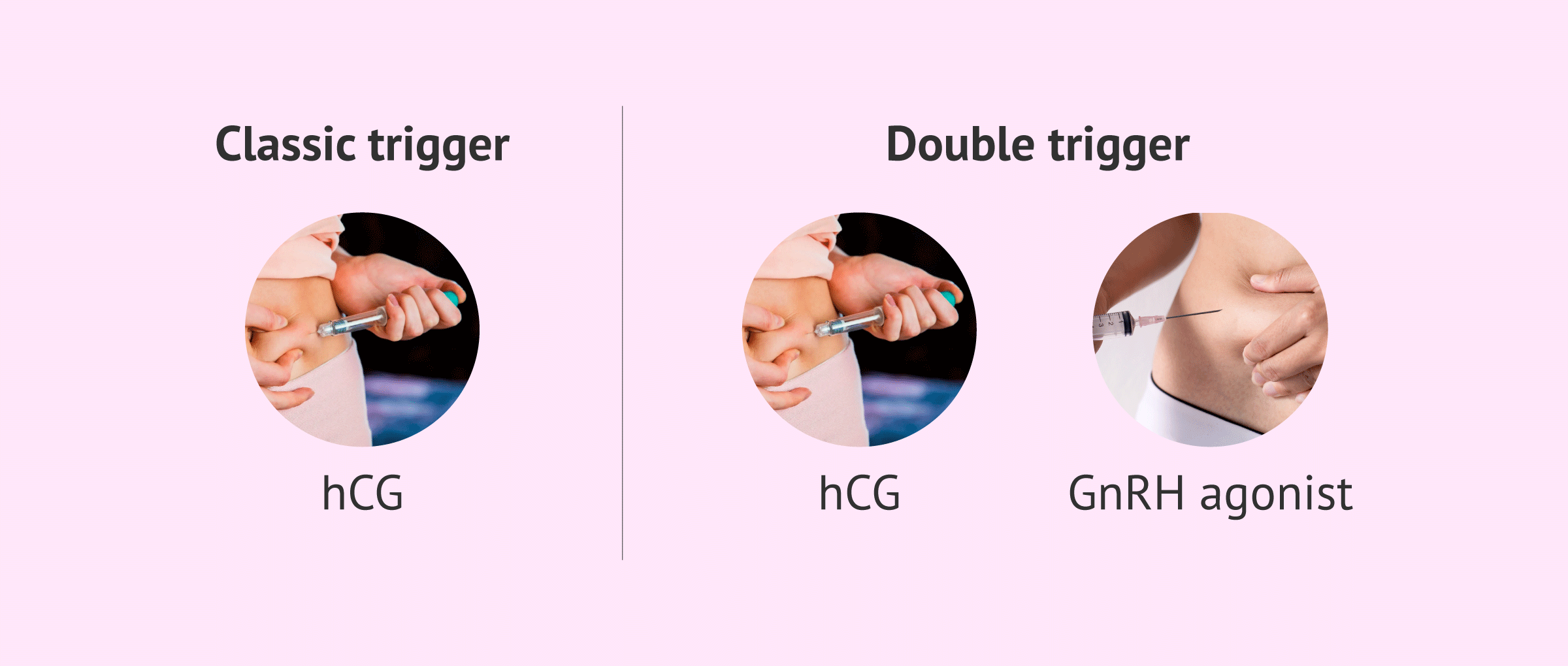
Double trigger: the classic injection for ovulation might not be ideal
A recent study shows that using a "double trigger" protocol to induce ovulation in IVF treatments achieves more mature eggs and a greater number of embryos. Learn the details of this scientific advance that improves success rates in assisted reproduction. Read more
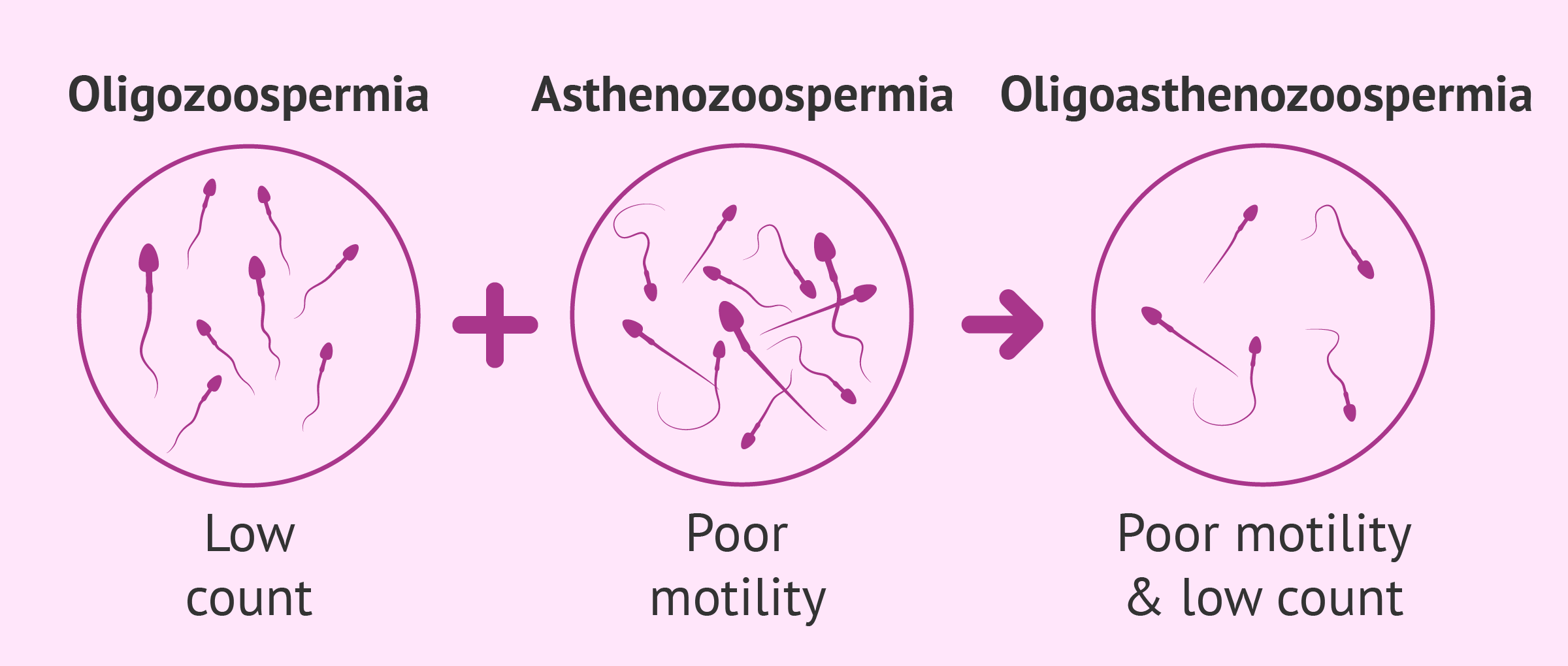
What Is Oligoasthenozoospermia? - Causes & Treatment
Oligoasthenozoospermia is the alteration of the concentration and mobility of spermatozoa in the semen, which causes male infertility. Men suffering from oligoasthenozoospermia will have difficulty achieving pregnancy naturally, so they will have to resort to fertility treatments. Read more
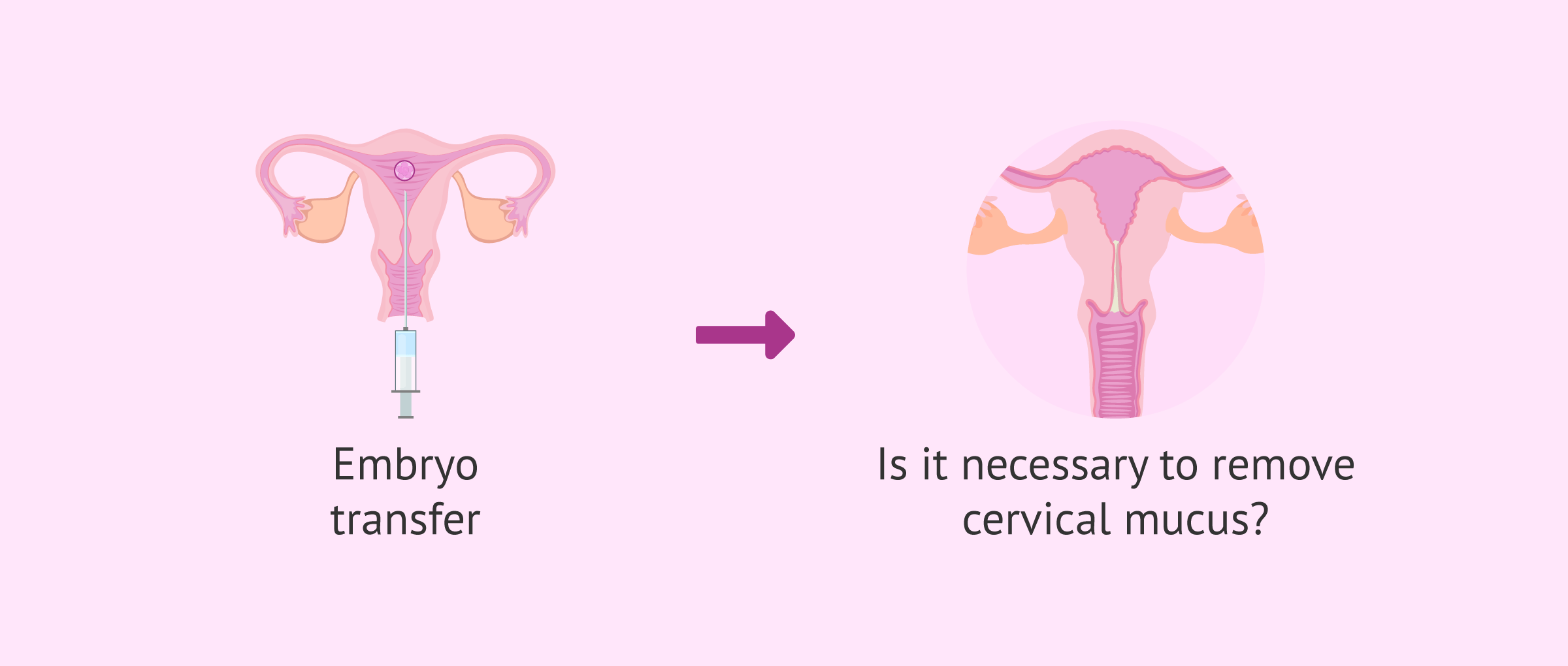
Clearing cervical mucus in IVF: Why this medical step is unnecessary
A recent randomized clinical trial evaluates whether the removal of cervical mucus prior to embryo transfer in ICSI cycles truly impacts gestational success. The results question routine protocols and open the debate on their real necessity in fertility treatments.
Read more
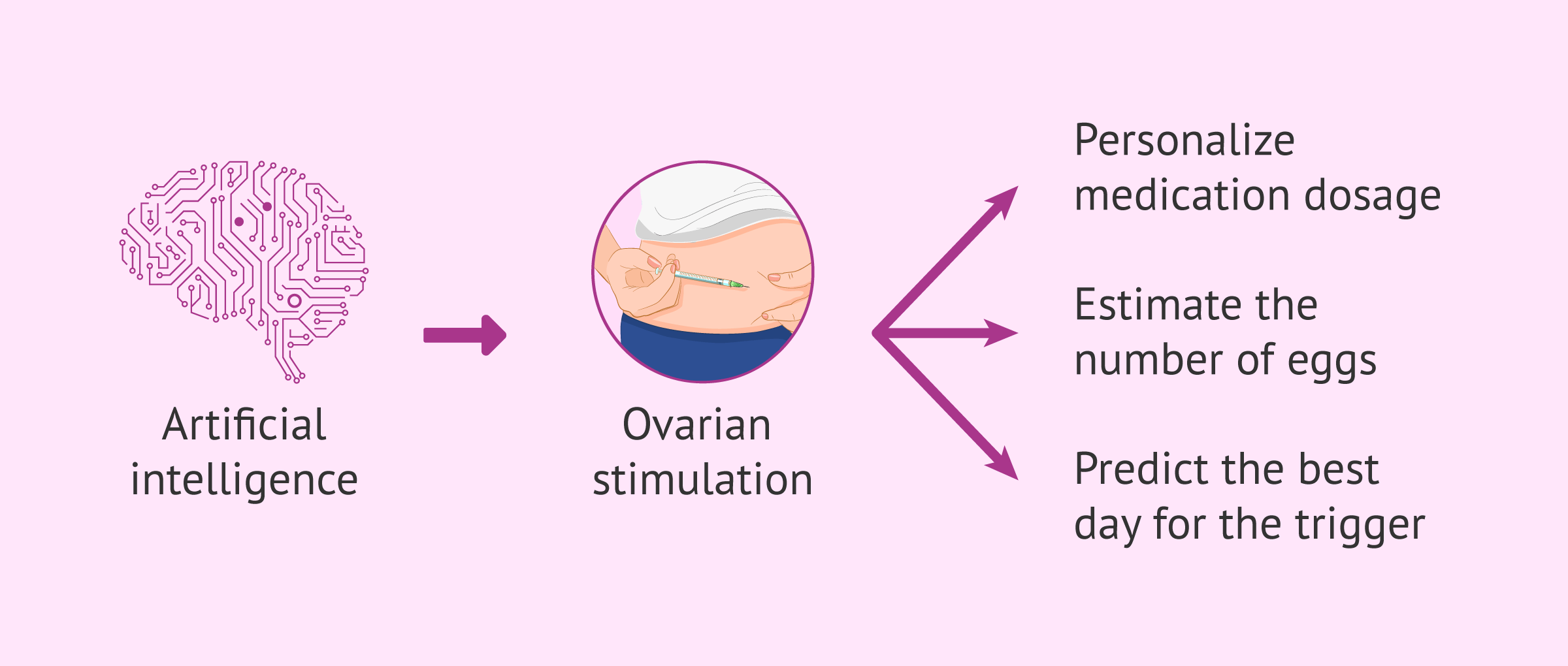
Artificial Intelligence in IVF: Advances for Fertility
Artificial intelligence is revolutionizing assisted reproduction. This technology allows for the personalization of ovarian stimulation, improves the selection of eggs, sperm, and embryos, and optimizes laboratory work, which promises to significantly increase success rates in the near future.
Read more

