
Assisted reproduction technologies have profoundly transformed the field of reproductive medicine, bringing hope to millions of people facing fertility problems worldwide.
A recent review conducted by Rumiana Tenchov and Qiongqiong Angela Zhou, from CAS, a division of the American Chemical Society in Columbus, Ohio (United States), comprehensively analyzes how these tools are evolving.
From the most established techniques to the most innovative experimental methods, science continues to push the boundaries of what is possible to improve the success rates and safety of treatments.
Provided below is an index with the 6 points we are going to expand on in this article.
Impact of AI on assisted reproduction
Artificial intelligence (AI) is increasingly being integrated into fertility treatments to improve the accuracy and efficiency of clinical processes. This technology stands out for its ability to process large amounts of data and help specialists make more personalized decisions:
- AI algorithms analyze images of embryos to evaluate their quality and potential for successful implantation.
- AI uses time-lapse images to monitor embryonic development over time, assessing its morphology and cell division patterns.
- Machine learning models analyze multiple data points, such as the patient's history and hormone levels, to predict the success rate of in vitro fertilization (IVF).
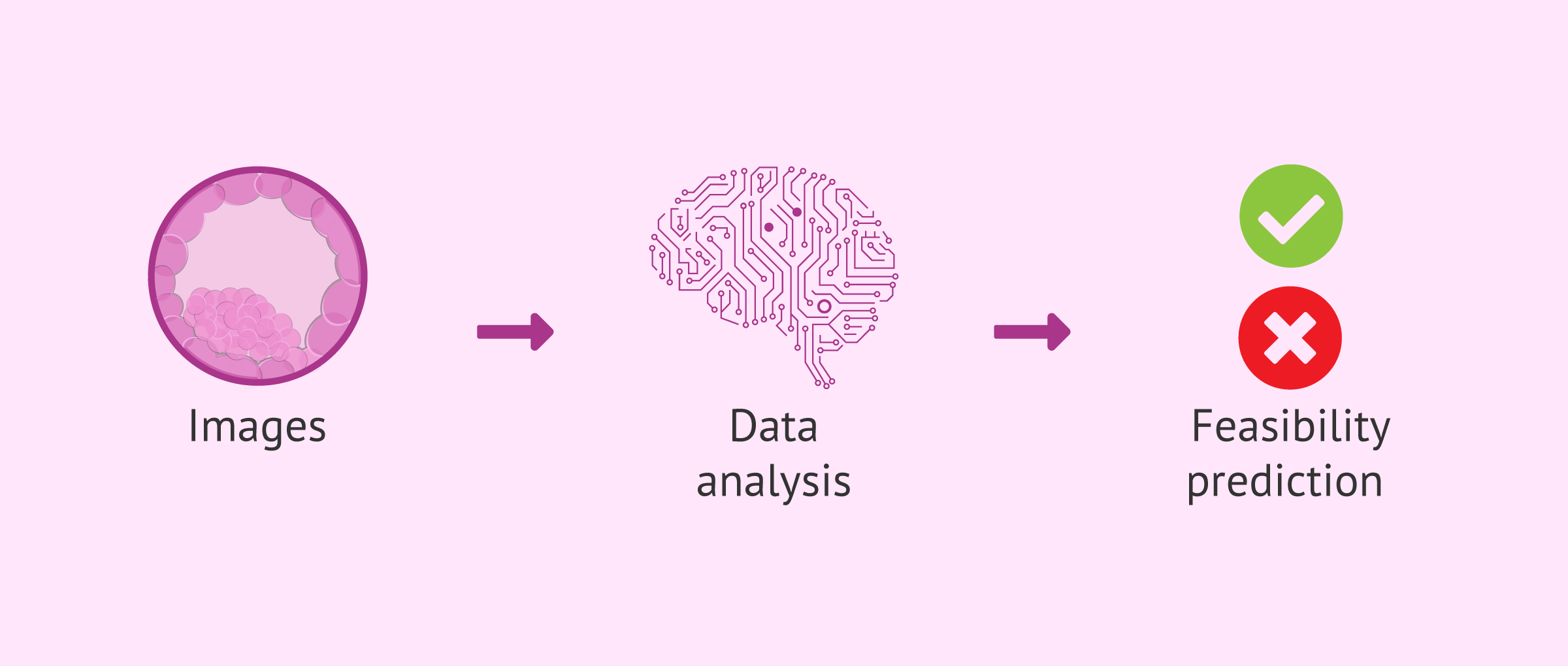
The progressive adoption of these technologies not only optimizes clinical outcomes but also contributes to reducing treatment times and costs associated with failed cycles, representing a fundamental advance for the accessibility of assisted reproduction treatments.
In vitro gametogenesis
Another of the most revolutionary advances in this field is in vitro gametogenesis (IVG). This experimental procedure allows for the creation of eggs or sperm from somatic cells of the body, such as skin or blood cells.
To achieve this, the process involves the differentiation of pluripotent stem cells into gametes, mimicking the natural progression that occurs in the human body. Although it is still an experimental technique in humans, it has shown success in animal models.
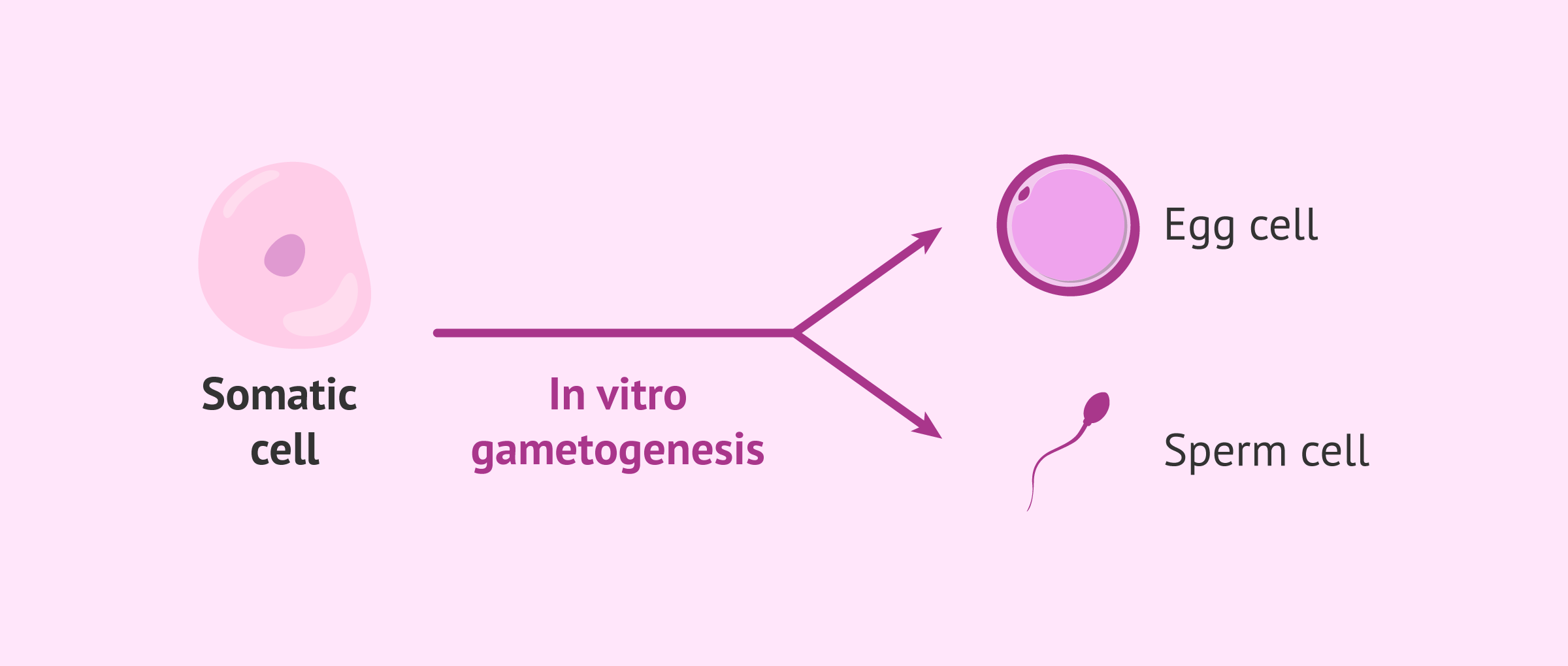
This technology could offer unprecedented solutions in the near future for people who cannot produce their own gametes due to medical conditions or age, or for same-sex couples to have biological children.
However, its application in human clinics will require profound safety validation and will be subject to strict ethical and legal considerations.
Gene editing and stem cells
Stem cell-based therapies and gene editing are positioned as key pillars in the future of human reproduction. Stem cells offer a regenerative potential that allows improving the reproductive conditions of the patient.
- Stem cells can secrete growth factors that improve tissue repair and cellular function.
- Their capacity to regenerate ovarian tissue is being investigated, improving follicular development and restoring hormonal balance against age-related decline.
- The CRISPR-Cas9 gene-editing tool allows for precise modifications in the genome to correct mutations associated with severe hereditary diseases.
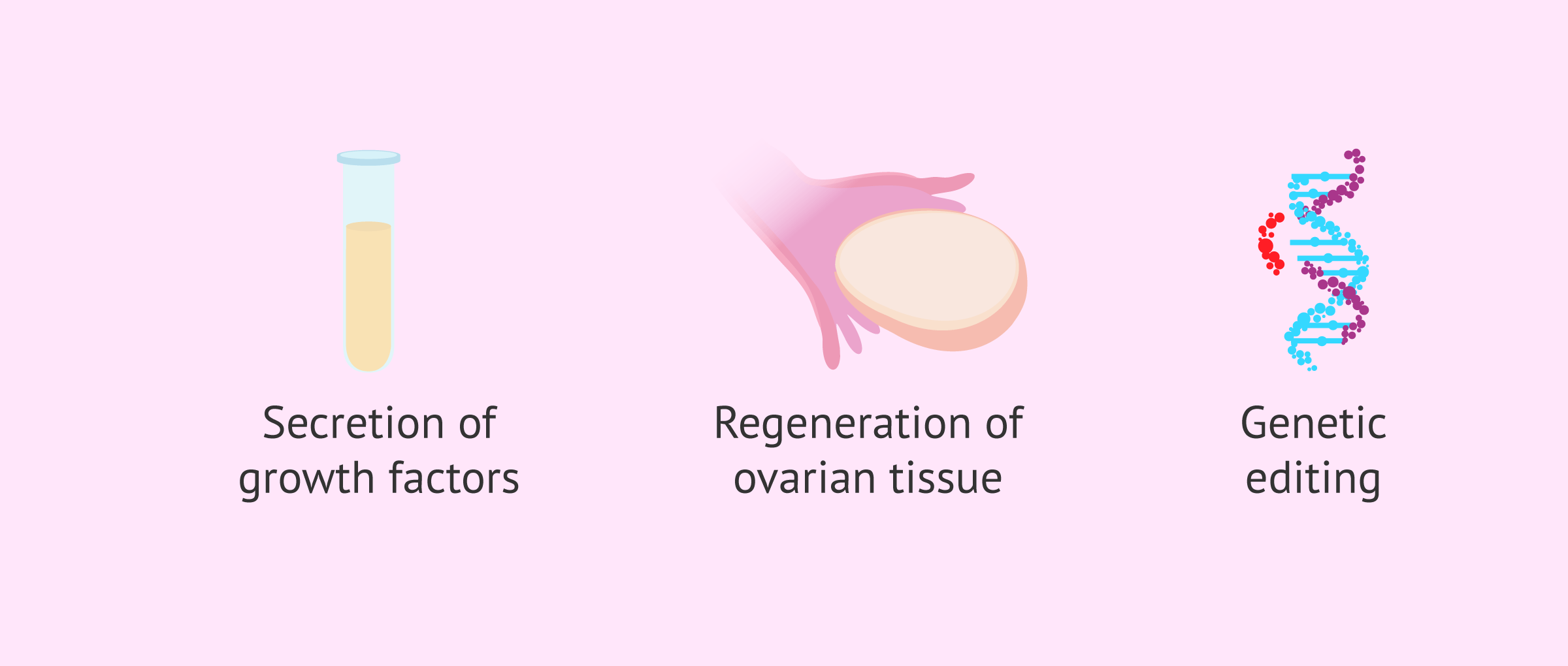
Although editing genes in human embryos for reproductive purposes remains prohibited or heavily regulated in many countries for ethical and safety reasons, this research represents a crucial step toward preventing genetic diseases before pregnancy occurs.
Community and Support
At inviTRA we work to make monthly and rigorous information accessible to everyone. If this article has helped you, consider supporting us so we can continue accompanying more people on their journey to parenthood.
References
Tenchov R, Zhou QA. Assisted Reproductive Technology: A Ray of Hope for Infertility. ACS Omega. 2025 May 23;10(22):22347-22365. doi: 10.1021/acsomega.5c01643. PMID: 40521551; PMCID: PMC12163768. (View)


