
The study of male infertility has advanced significantly by analyzing not only the sperm, but also the environment in which they are found. New evidence supports that the male reproductive microbiome influences as a potentially critical component in reproductive health.
This research work has been carried out by the authors Sohei Kuribayashi, Noopur Naik, Aaron W. Miller, and Scott D. Lundy, belonging to the Department of Urology, Glickman Urological & Kidney Institute (Cleveland Clinic); the Cleveland Clinic Lerner College of Medicine of Case Western Reserve University School of Medicine; and the Department of Cardiovascular and Metabolic Sciences of the Cleveland Clinic in the United States.
Provided below is an index with the 7 points we are going to expand on in this article.
What is the seminal microbiome?
Due to the ease of obtaining it, semen has been used as a sample to characterize the male reproductive microbiome, in addition to the direct relevance it may have on reproductive outcomes.
Modern sequencing studies suggest that changes in these seminal microorganisms can contribute to inflammation, oxidative stress, and the alteration of spermatogenesis.
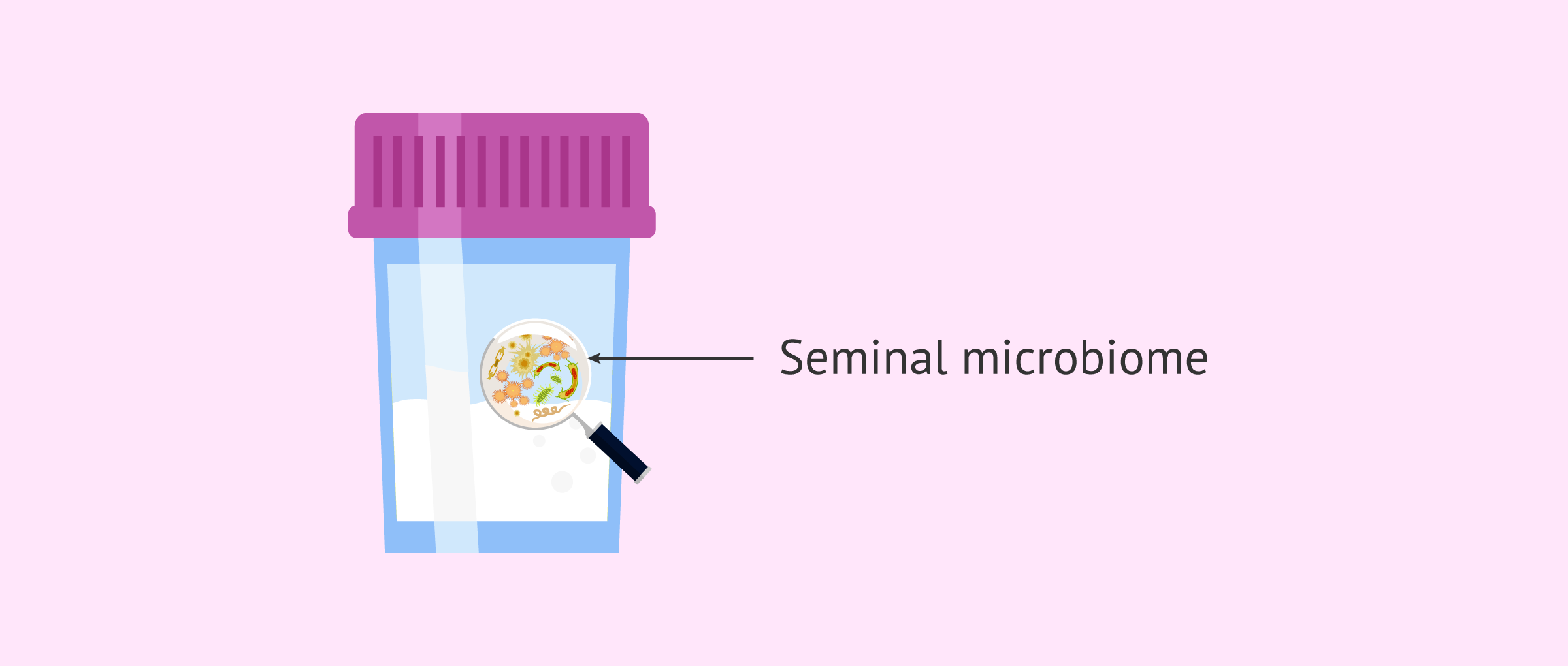
Overall, the male reproductive tract is thought to have low-abundance microbial communities, but which are biologically very active. Understanding their composition is essential to more fully evaluate male fertility and improve diagnostic approaches in fertility clinics.
Effect of bacteria on semen
The presence of certain bacteria in the male reproductive tract can be beneficial or detrimental to achieving a pregnancy. Analyzes of seminal samples reveal the following:
- Profiles rich in bacteria of the Lactobacillus genus are associated with better antioxidant status and greater sperm DNA integrity.
- Profiles with an abundance of anaerobic bacteria, such as Prevotella or Atopobium, are frequently linked to increased oxidative stress, higher DNA fragmentation, and poorer sperm motility.
- An imbalance in gut bacteria and systemic inflammation would also be related to seminal quality through the gut-testis axis.
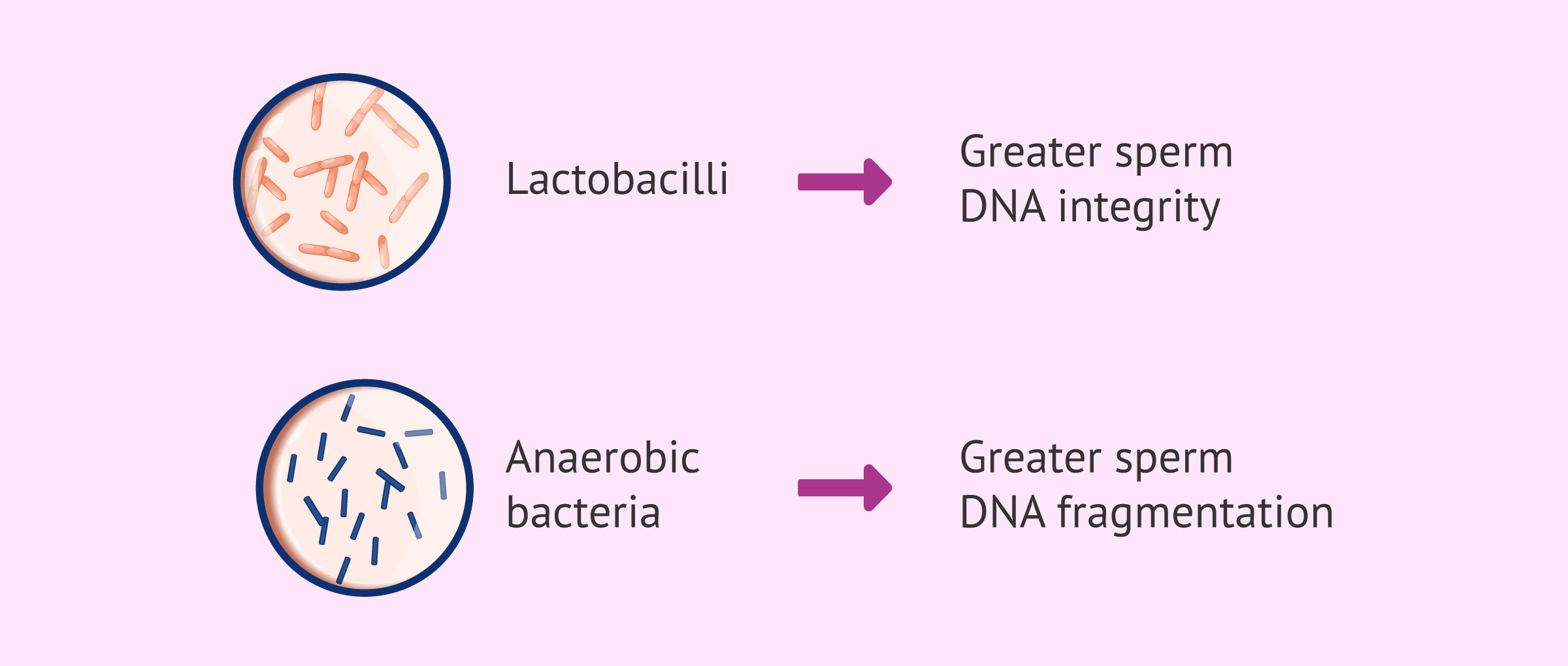
These discoveries open new doors in reproductive medicine, indicating that the bacterial environment is one of the many key factors for the sperm to successfully fertilize the egg.
Microbiome in assisted reproduction
The microbiome is not exclusive to a single member of the couple. There is evidence at the couple level showing a rapid and robust exchange of the microbiome, which can modify semen in short periods. This is of great importance in assisted reproduction treatments:
- Exposure to the female partner appears to be the predominant determinant of male genital tract communities in the short term. Furthermore, microbial transfer from female to male is observed more frequently than from male to female.
- Couples in which both members have beneficial bacterial community types achieve a higher success rate in fertility treatments, although there are certain limitations in ascertaining whether the relationship is causal.
Taking comprehensive care of the bacterial health of both partners could increase success rates in achieving pregnancy.
Treatments to improve semen
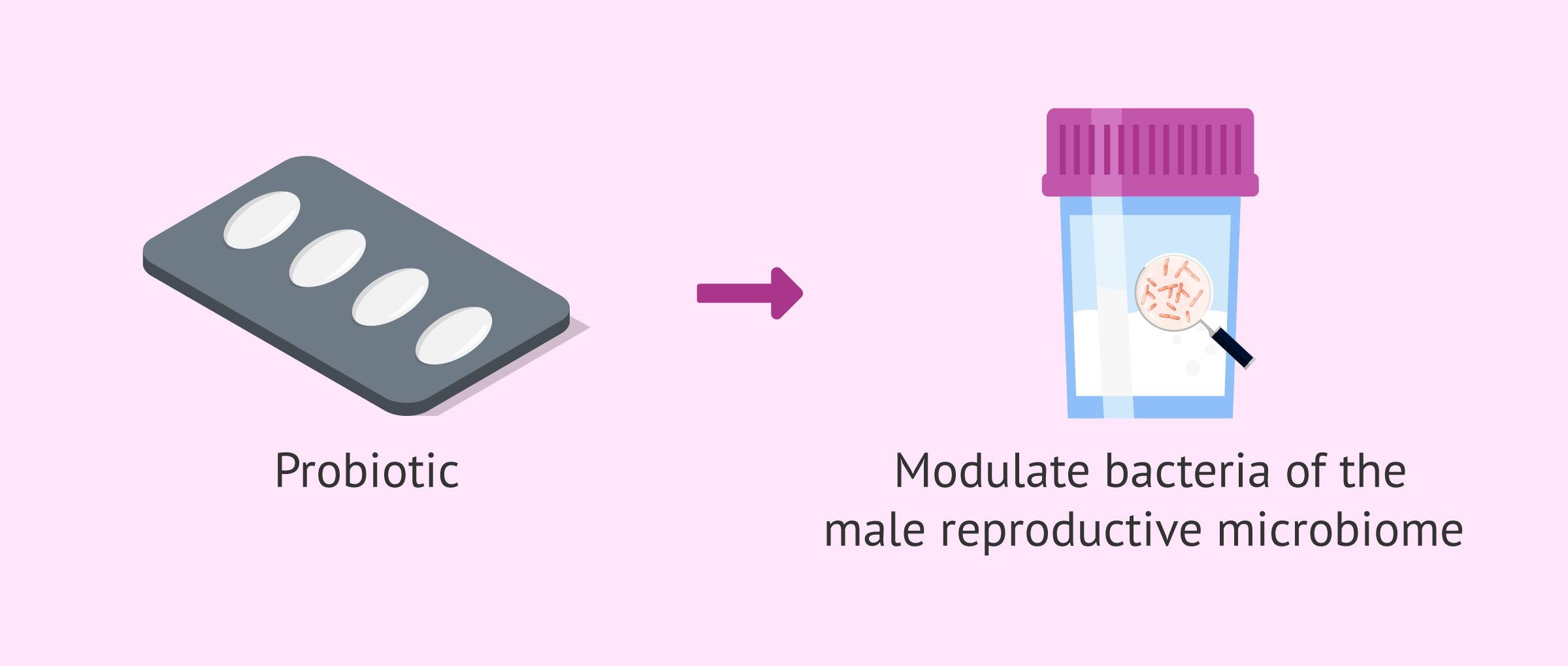
Currently, clinical options are being investigated to modulate these bacteria of the male reproductive microbiome and favor fertility. Although larger trials are still needed, current results show some avenues for intervention:
- The use of supplements with probiotics suggests an ability to improve oxidative stress markers and modestly increase sperm motility in some men.
- The use of antibiotics is strictly reserved for documented infections, as current medical guidelines do not support empirical antibiotic therapy without microbiological confirmation to treat poor semen quality.
Science continues to advance at a good pace to be able to integrate routine seminal microbiome analysis into fertility consultations in the future and make more precise therapeutic decisions.
Community and Support
At inviTRA we work to make monthly and rigorous information accessible to everyone. If this article has helped you, consider supporting us so we can continue accompanying more people on their journey to parenthood.
References
Kuribayashi S, Naik N, Miller AW, Lundy SD. Micromanagement: how the male reproductive microbiome shapes male fertility. Fertil Steril. 2026 Jan 27:S0015-0282(26)00048-8. doi: 10.1016/j.fertnstert.2026.01.019. Epub ahead of print. PMID: 41611115. (View)


