
Article

How to deal with miscarriage after an in Vitro Fertilization (IVF)?
The rate of miscarriage after IVF increases with the woman's age. It is not easy to cope with miscarriage; it takes time for both physical and emotional recovery. In addition, it is important that patients express their emotions and ask for help, if they feel it is necessary, from professionals.
Read more
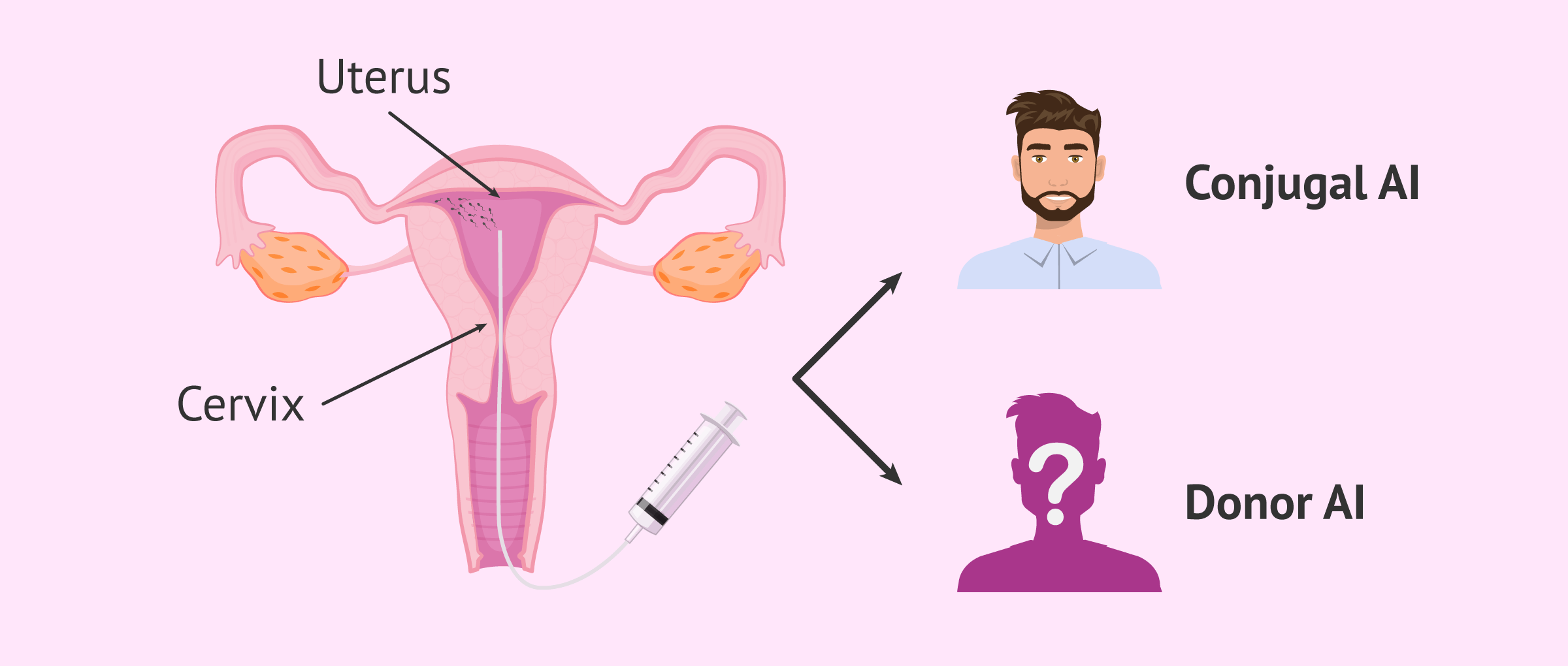
What are the advantages & disadvantages of artifical insemination?
Artificial insemination (AI) is a simple, painless and inexpensive assisted reproductive technique. However, the probability of pregnancy with AI is lower than with IVF.
Read more
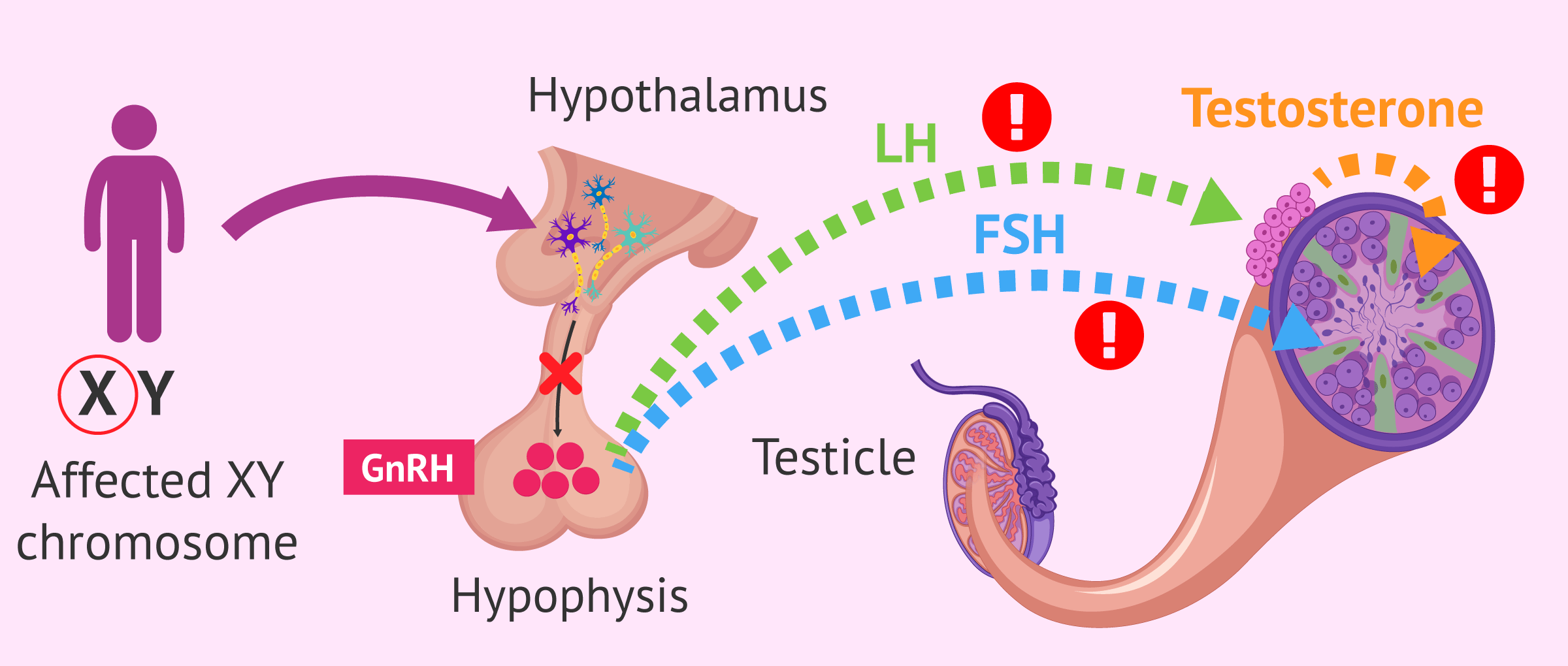
What Diseases Are Associated with Azoospermia?
There exist various diseases that can compromise sperm production in males, thereby leading to azoospermia. These include cryptorchidism, cystic fibrosis, varicocele, etc.
Read more

How Successful Is IVF with ICSI? - Pregnancy & Live Birth Rates
Los resultados de la ICSI ofrecen tasas de parto de alrededor de un 26% por transferencia. No obstante, la edad de la mujer es un factor que influye negativamente y esta tasa de éxito varía en función de la edad de la paciente. Debido a esto, el porcentaje se reduce a 11,4% si la mujer es igual o mayor de 40 años.
Read more
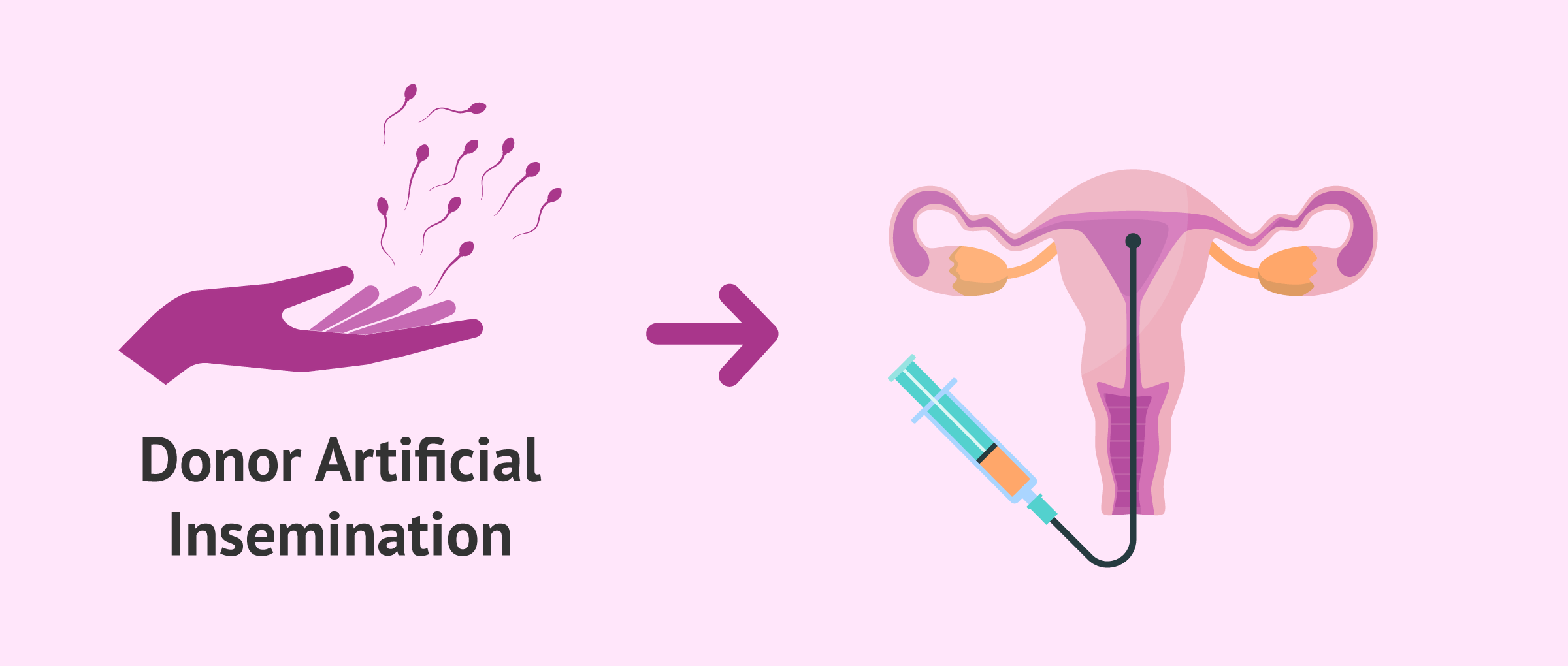
Donor intrauterine insemination: What is it and how much is it?
Donor artificial insemination (DI) is an assisted reproductive treatment in which a donor's sperm is introduced into the woman's uterus in an attempt to achieve pregnancy.
Read more
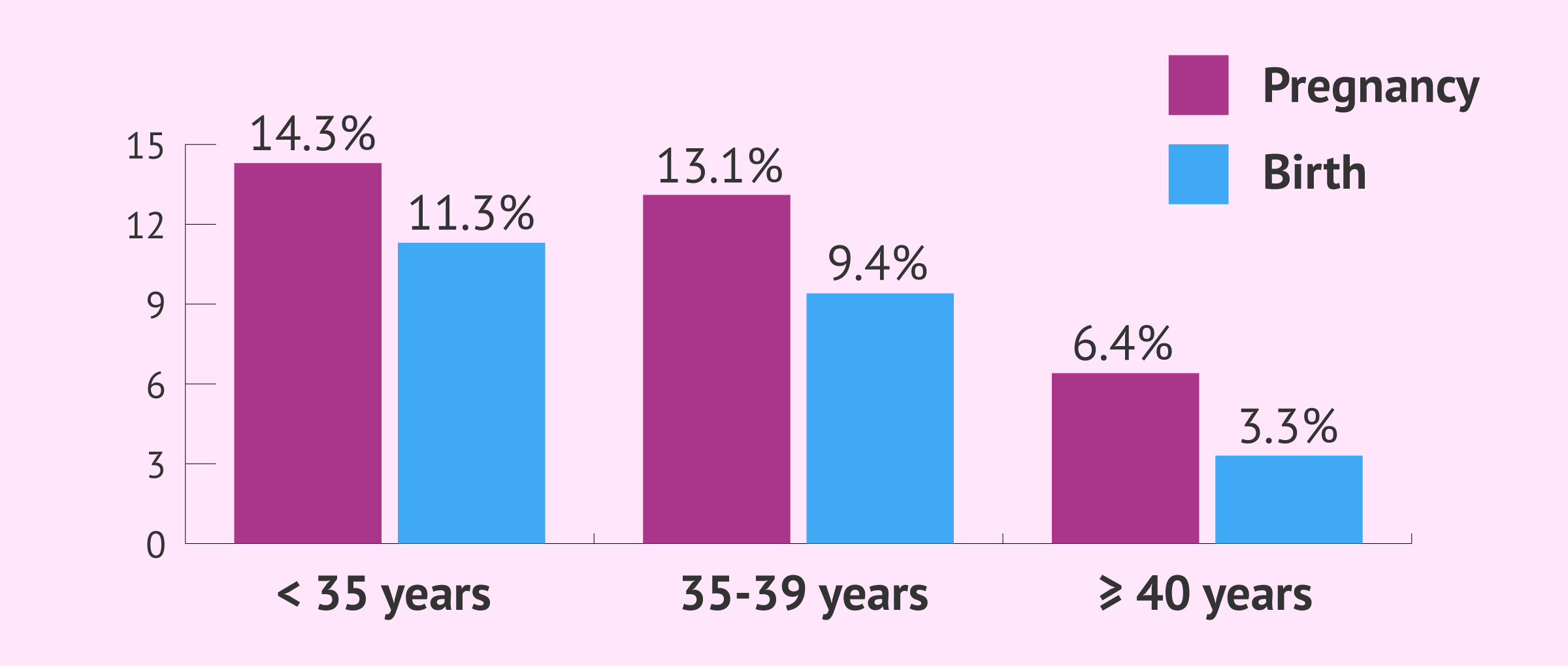
What is the probability of success of intrauterine insemination?
The chances of success of artificial insemination depend on several factors, such as using the partner's sperm or donor sperm, for example. Also, artificial insemination has a cumulative pregnancy rate, so success could be achieved after two, three, or four attempts.
Read more
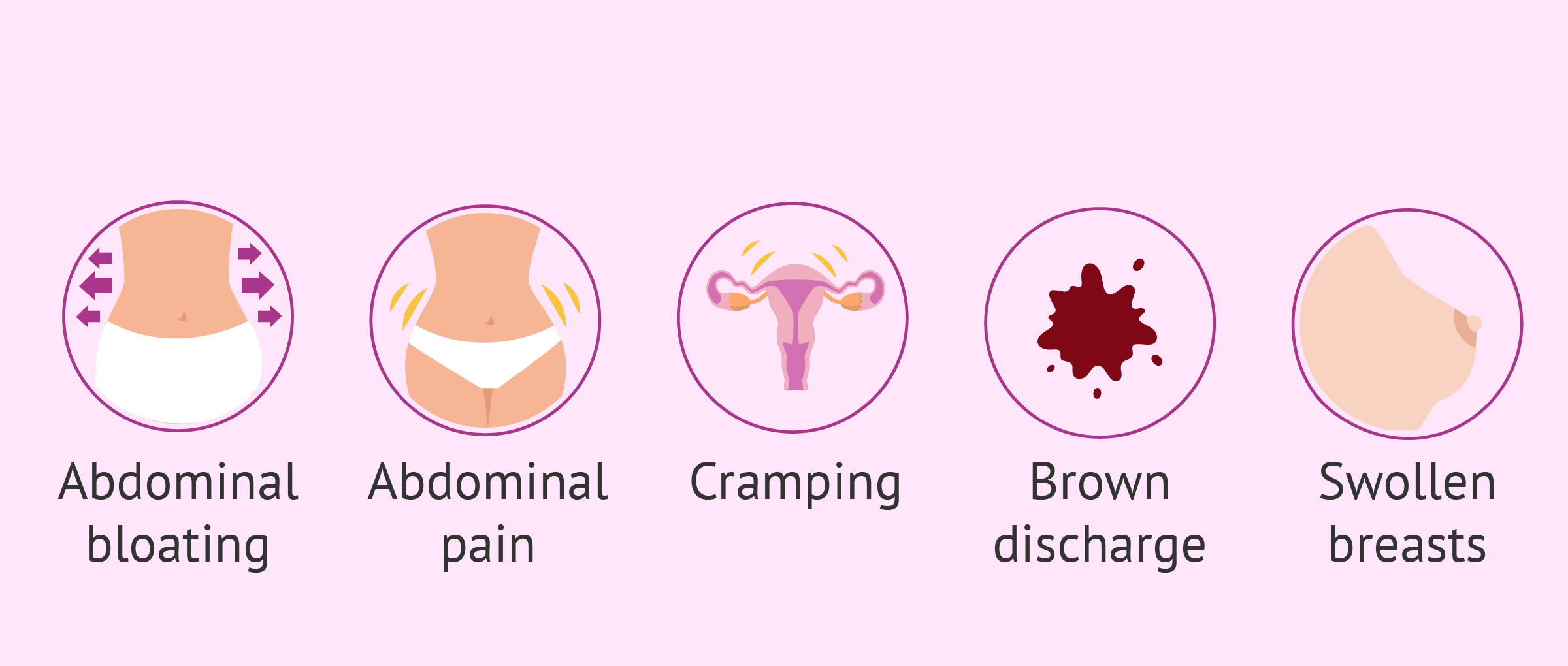
What to do after artificial insemination? Two week wait and advice
In general, rest is useless after an IUI cycle. You can continue with your usual daily routine. However, you may notice some uncomfortable symptoms caused by the use of fertility drugs.
Read more
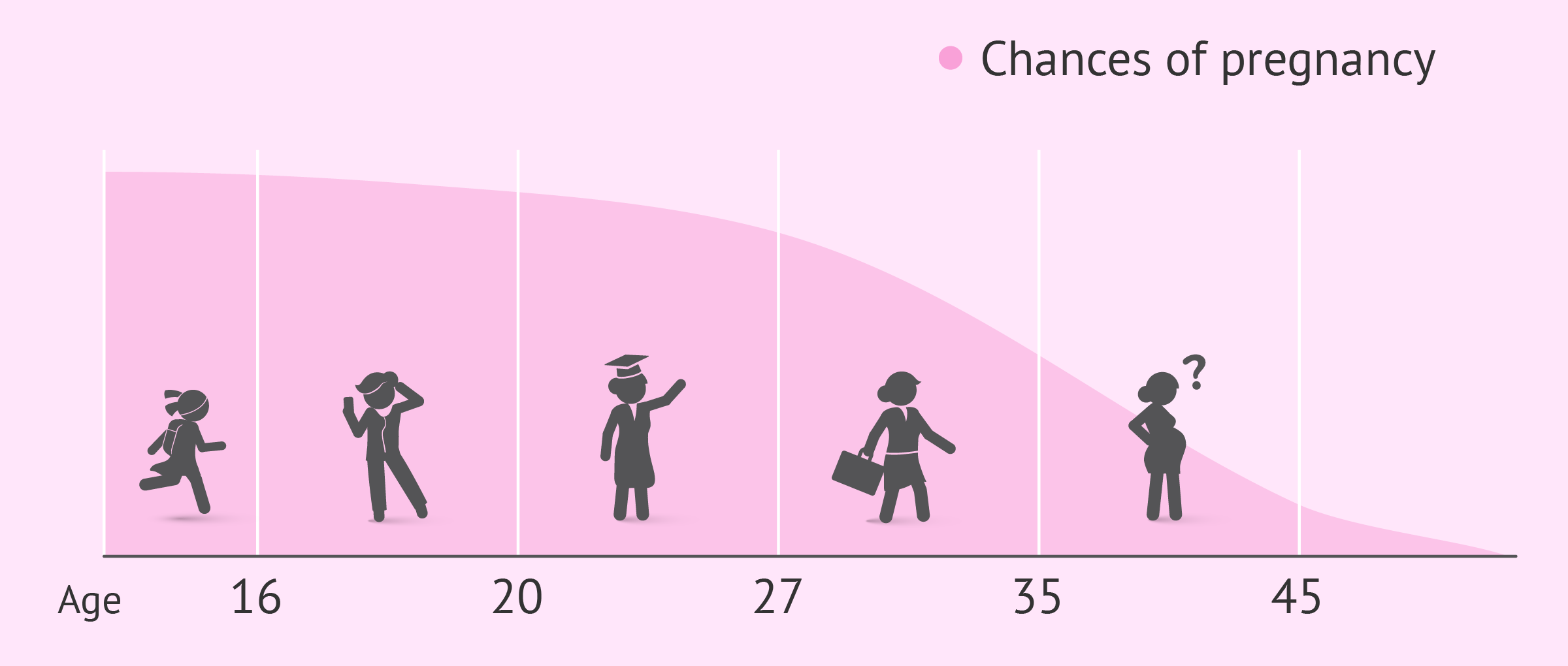
Pregnancy over the age of 40 - the options and associated risks
Late motherhood is becoming increasingly popular. Having a child at 40 due to social reasons is common today. However, fertility diminishes over time, and subsequently the risks associated with pregnancy are greater.
Read more
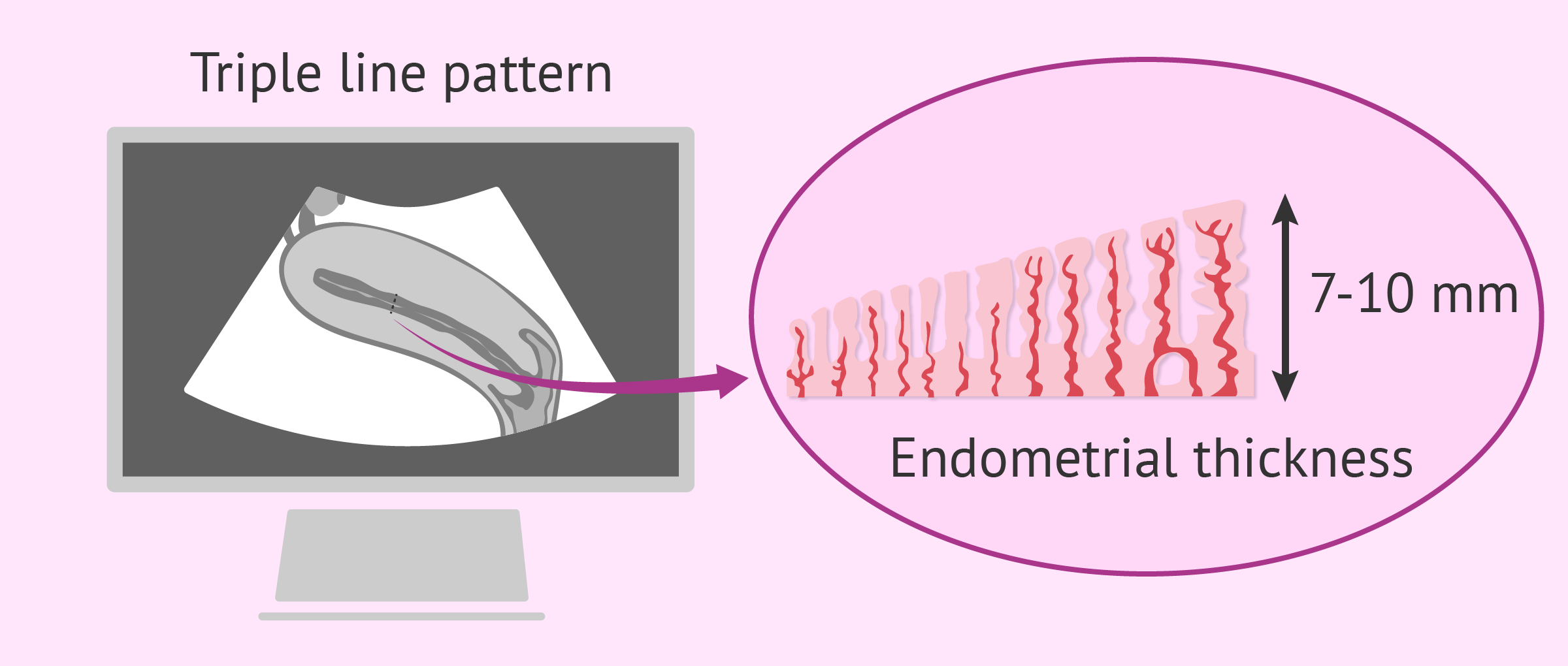
Endometrial Preparation for Implantation After IVF Embryo Transfer
Endometrial preparation or priming is necessary in all fertility treatment cycles. It paves the way for embryo implantation after the embryo transfer.
Read more
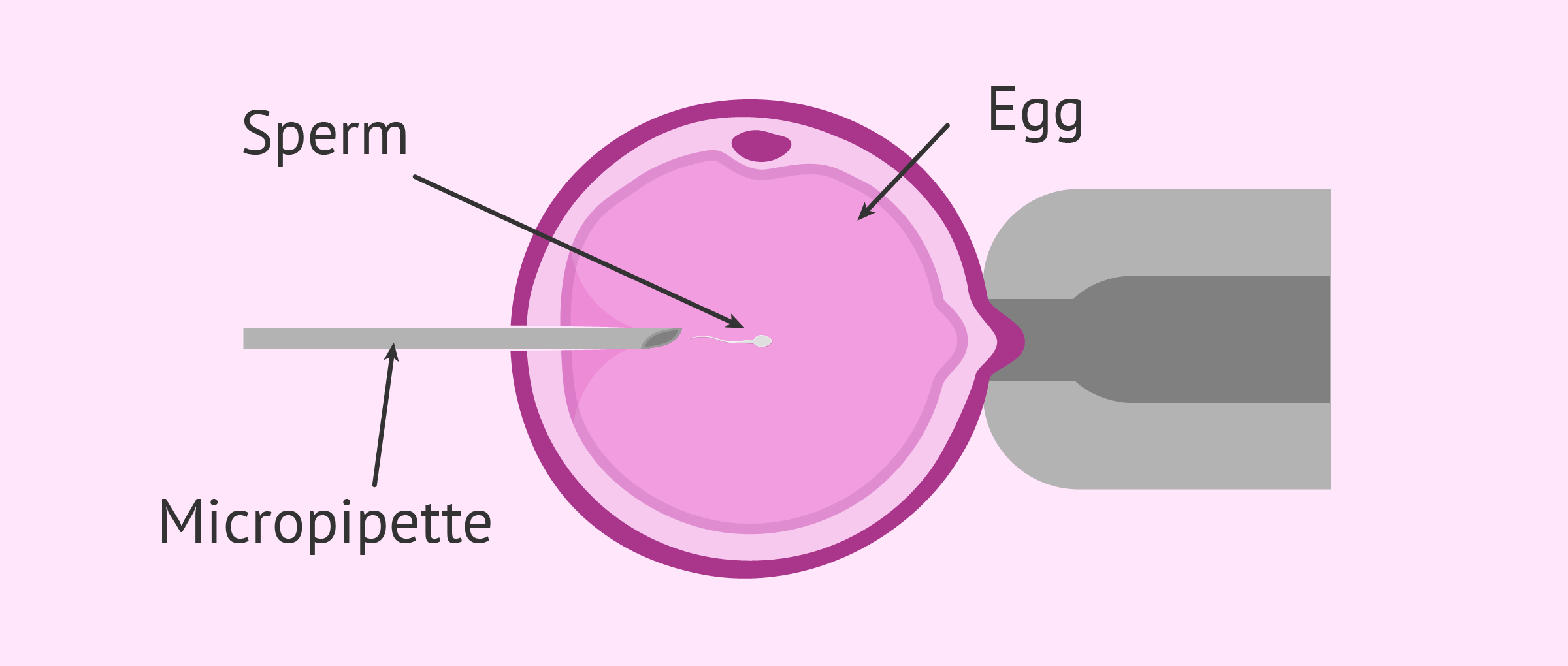
Intracytoplasmic sperm injection: What is ICSI and how much is it?
IVF with ICSI (Intracytoplasmic Sperm Injection) is a procedure that consists in injecting the sperm directly into the egg to acheive fertilization. It is used in the most severe cases of male infertility.
Read more
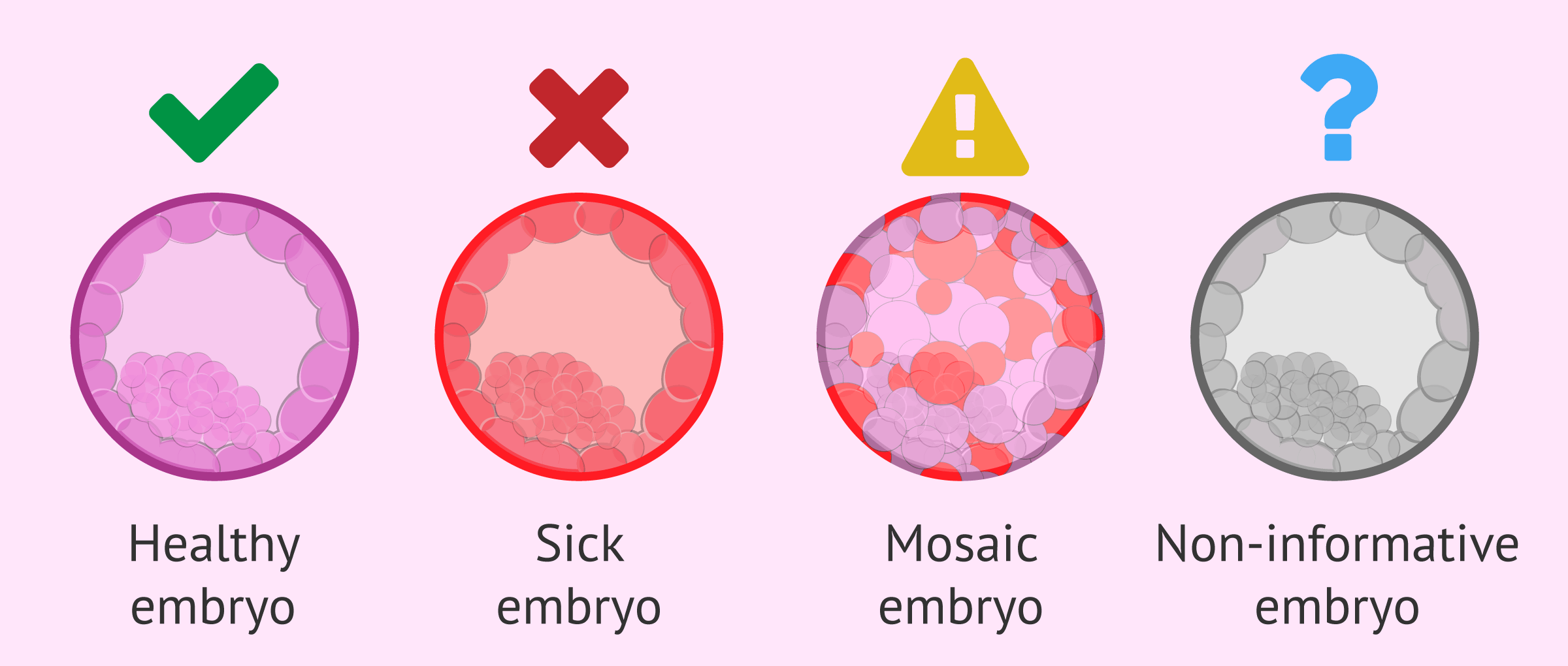
Understanding the Results of Preimplantation Genetic Diagnosis
The probability of obtaining a positive pregnancy test after an embryo transfer is higher when the embryos have been genetically analyzed with PGT. According to the latest SEF data from 2022, the pregnancy rate per transfer in IVF cycles with PGT was 52.0%.
Read more
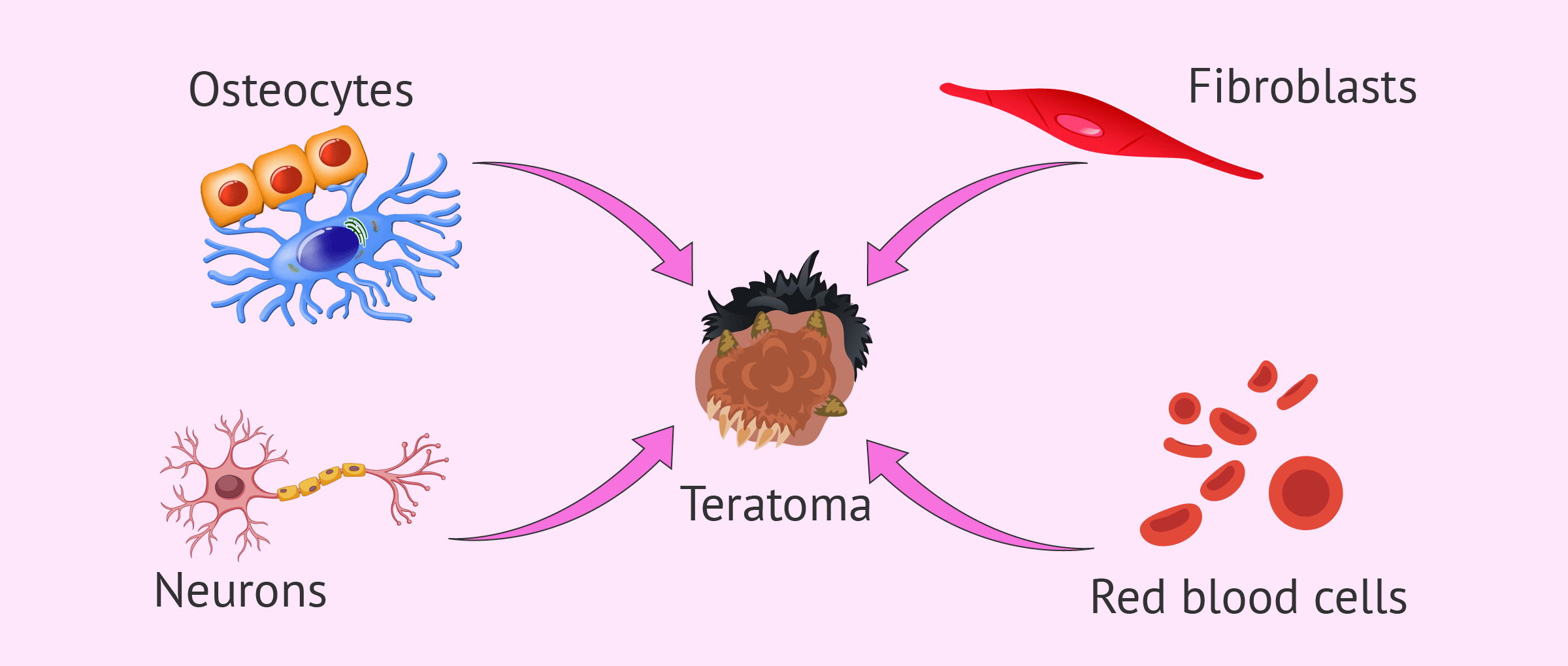
Ovarian Teratoma - Can It Contain Teeth, Hair & Other Organs?
A teratoma is a tumor of embryonic origin that can be mature or immature. Ovarian cystic teratoma is the most common in women and is benign. Symptoms will depend on the type of teratoma and complications may arise.
Read more

