
Article
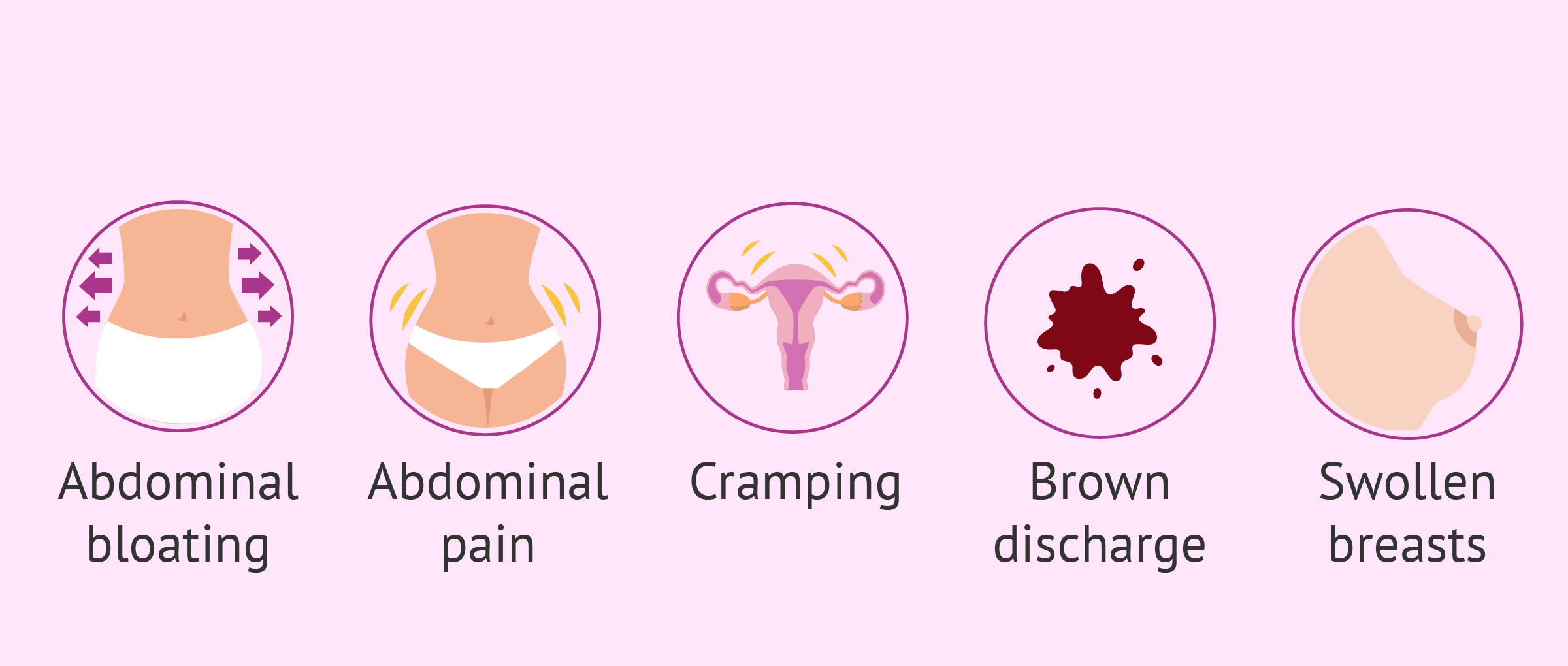
What to do after artificial insemination? Two week wait and advice
In general, rest is useless after an IUI cycle. You can continue with your usual daily routine. However, you may notice some uncomfortable symptoms caused by the use of fertility drugs.
Read more
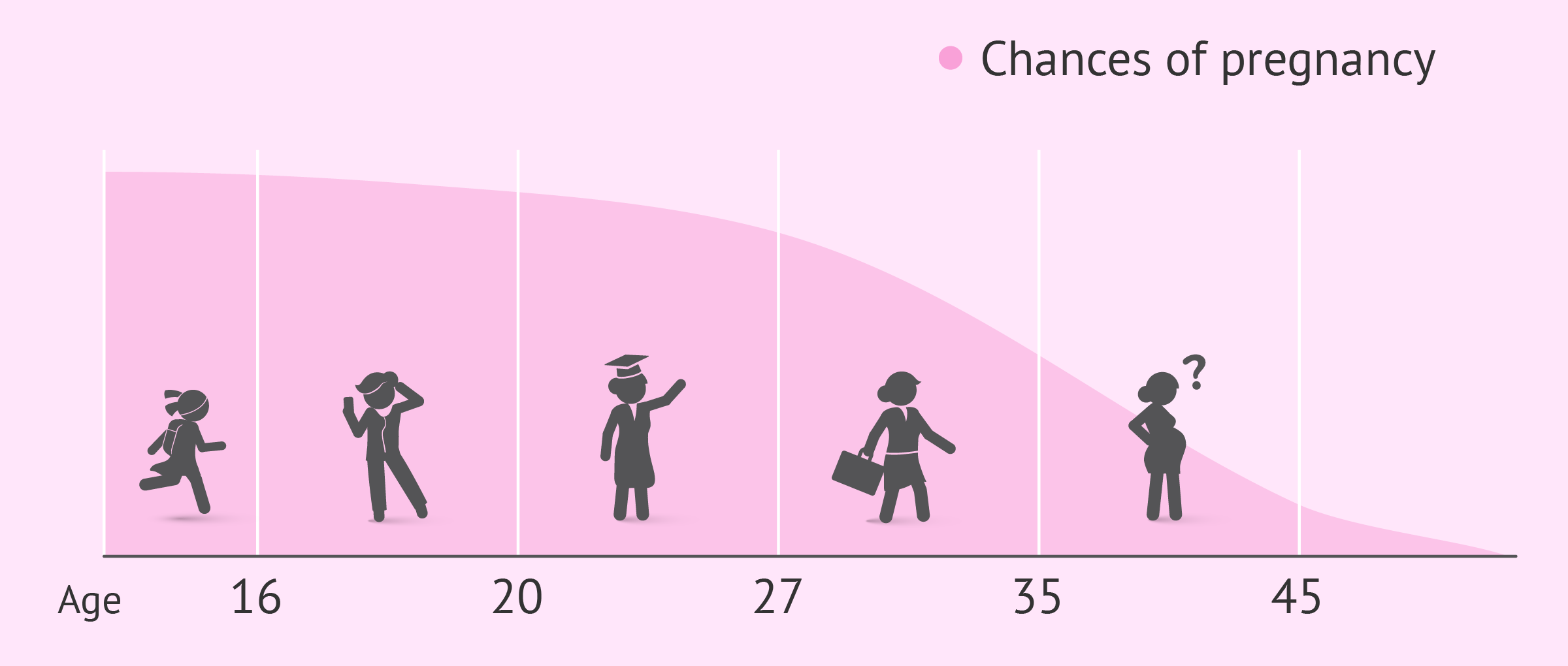
Pregnancy over the age of 40 - the options and associated risks
Late motherhood is becoming increasingly popular. Having a child at 40 due to social reasons is common today. However, fertility diminishes over time, and subsequently the risks associated with pregnancy are greater.
Read more
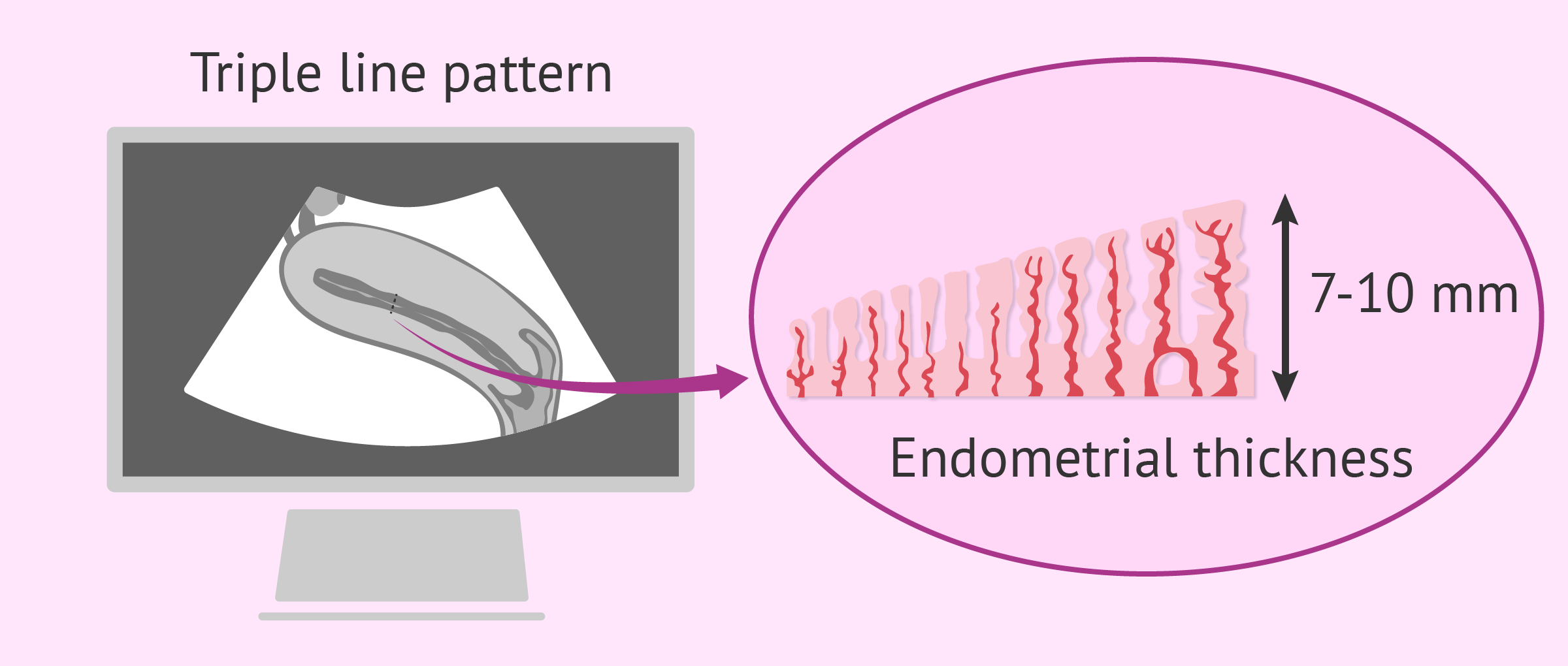
Endometrial Preparation for Implantation After IVF Embryo Transfer
Endometrial preparation or priming is necessary in all fertility treatment cycles. It paves the way for embryo implantation after the embryo transfer.
Read more
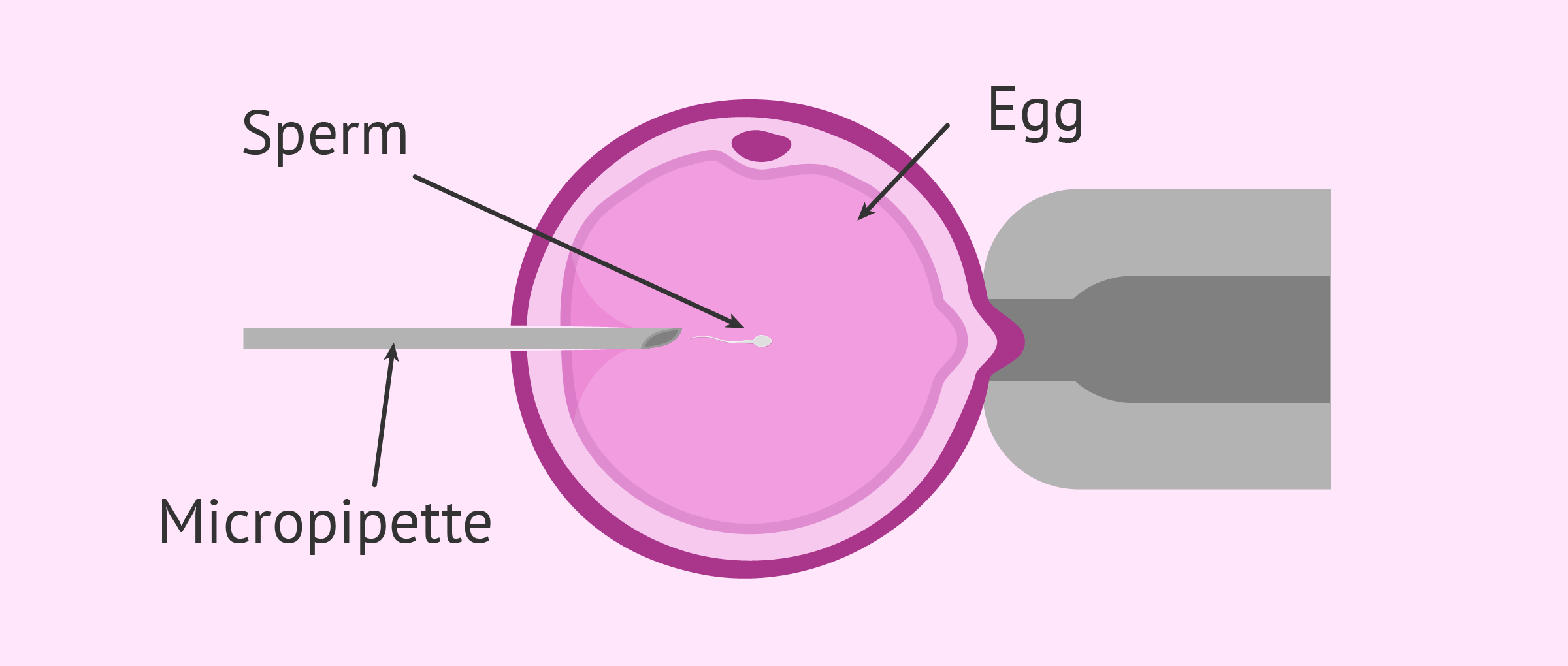
Intracytoplasmic sperm injection: What is ICSI and how much is it?
IVF with ICSI (Intracytoplasmic Sperm Injection) is a procedure that consists in injecting the sperm directly into the egg to acheive fertilization. It is used in the most severe cases of male infertility.
Read more
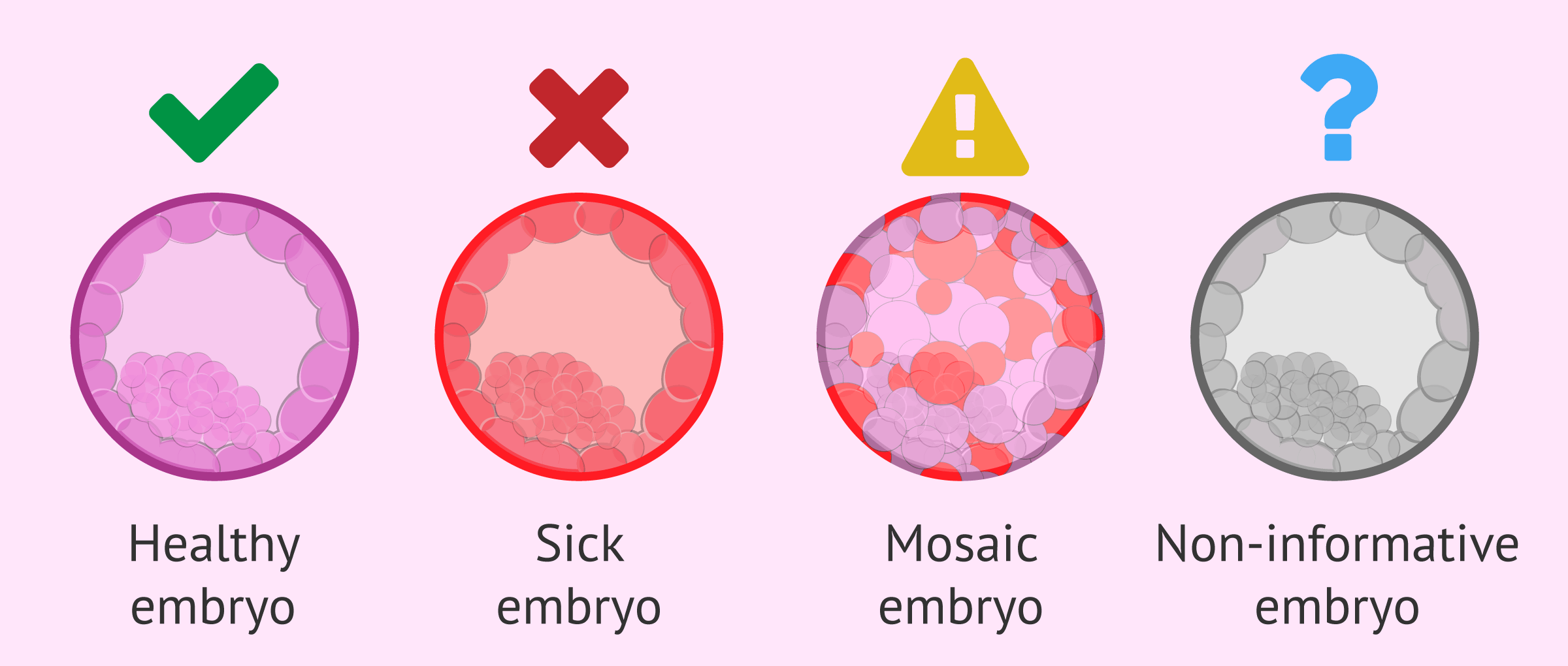
Understanding the Results of Preimplantation Genetic Diagnosis
The probability of obtaining a positive pregnancy test after an embryo transfer is higher when the embryos have been genetically analyzed with PGT. According to the latest SEF data from 2022, the pregnancy rate per transfer in IVF cycles with PGT was 52.0%.
Read more
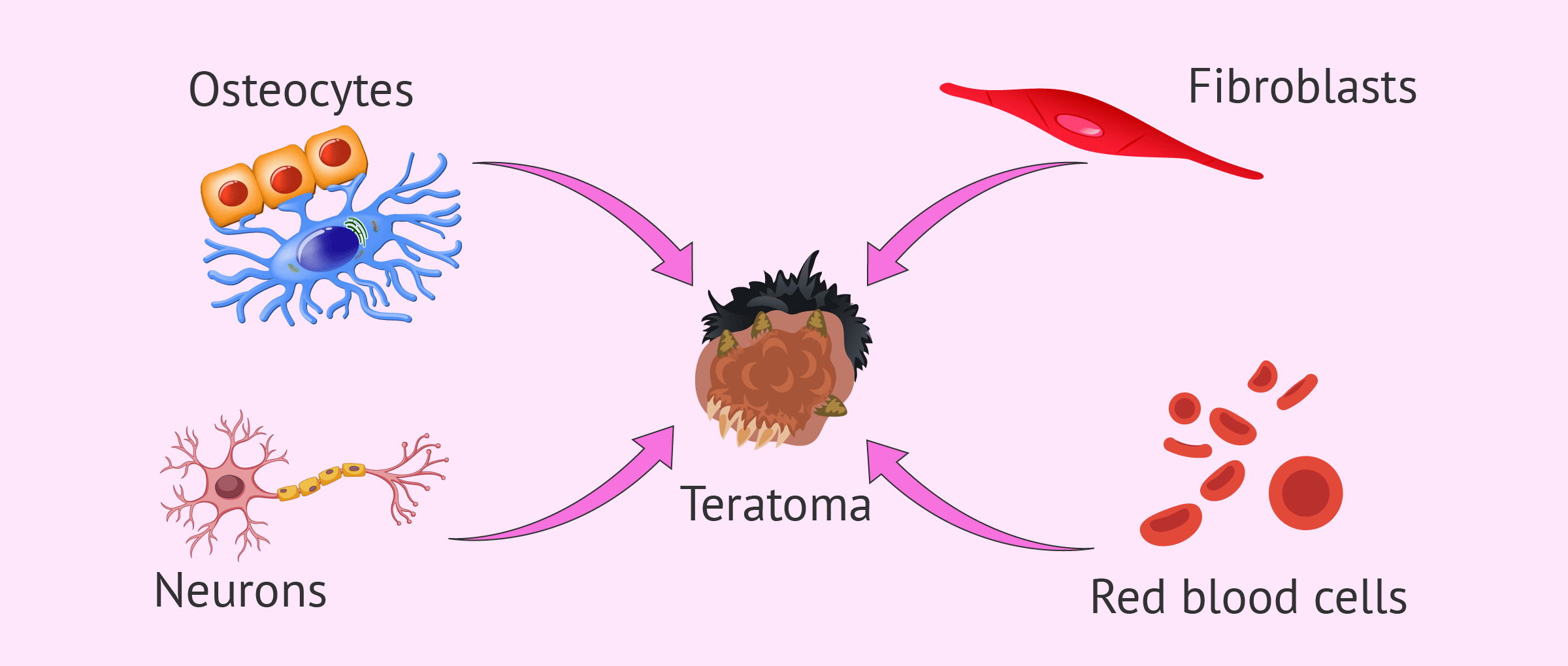
Ovarian Teratoma - Can It Contain Teeth, Hair & Other Organs?
A teratoma is a tumor of embryonic origin that can be mature or immature. Ovarian cystic teratoma is the most common in women and is benign. Symptoms will depend on the type of teratoma and complications may arise.
Read more
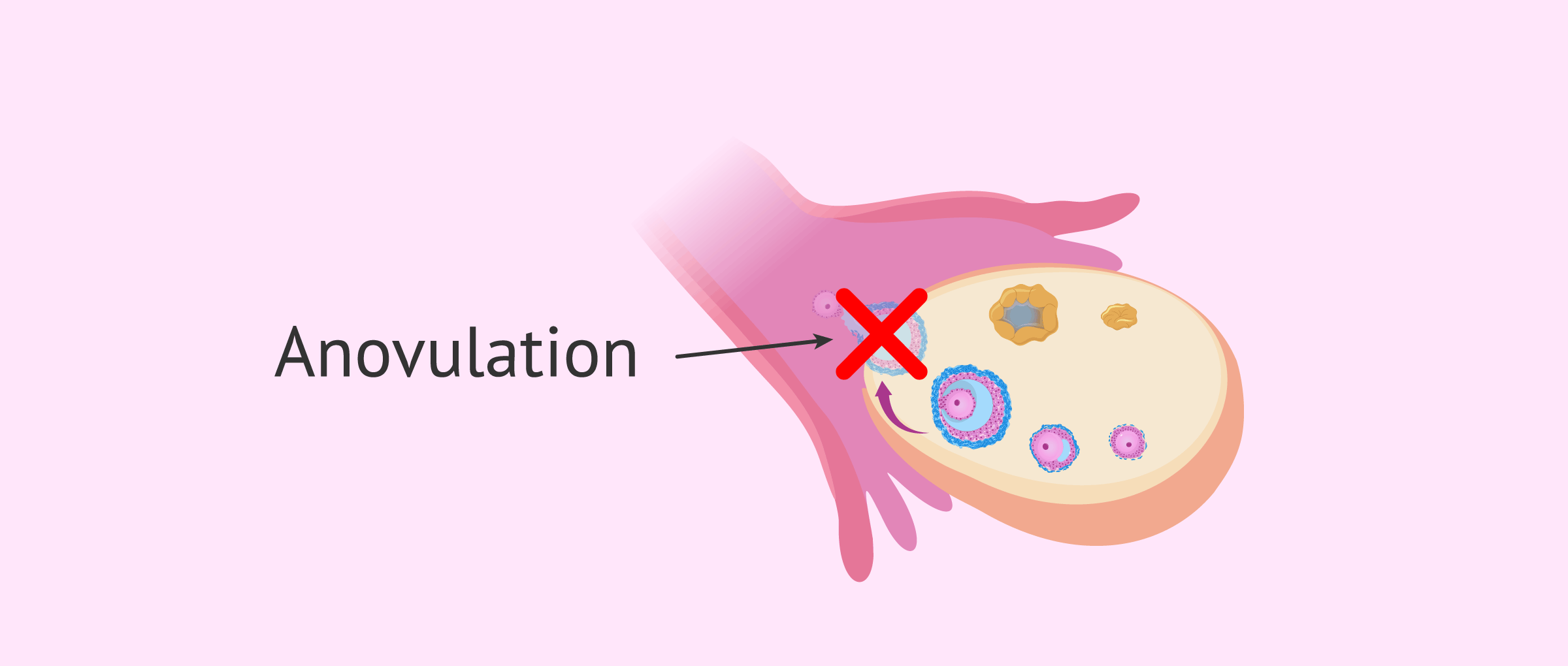
What is anovulation? - Causes, symptoms and treatment
Anovulation is a cause of female infertility mainly due to an endocrine factor. The ovaries of these women are not able to release mature eggs, so there will be no fertilization with any sperm and pregnancy will not occur.
Read more
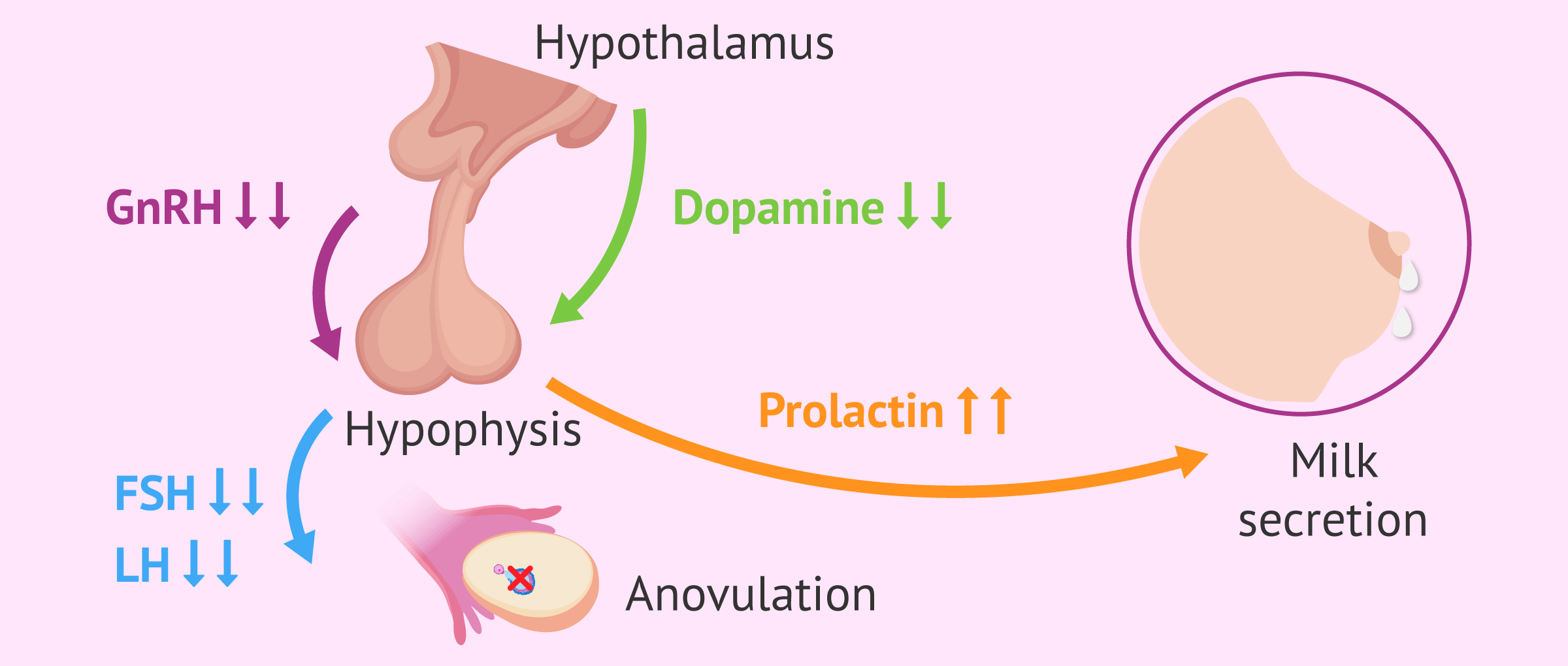
What is hyperprolactinemia? - Causes, symptoms and treatments
Hyperprolactinemia is a hormonal disorder characterized by an excess of the hormone prolactin in the blood, which can lead to female infertility due to altered menstrual cycle and anovulation. Occasionally, treatment can be established and ovarian function restored.
Read more
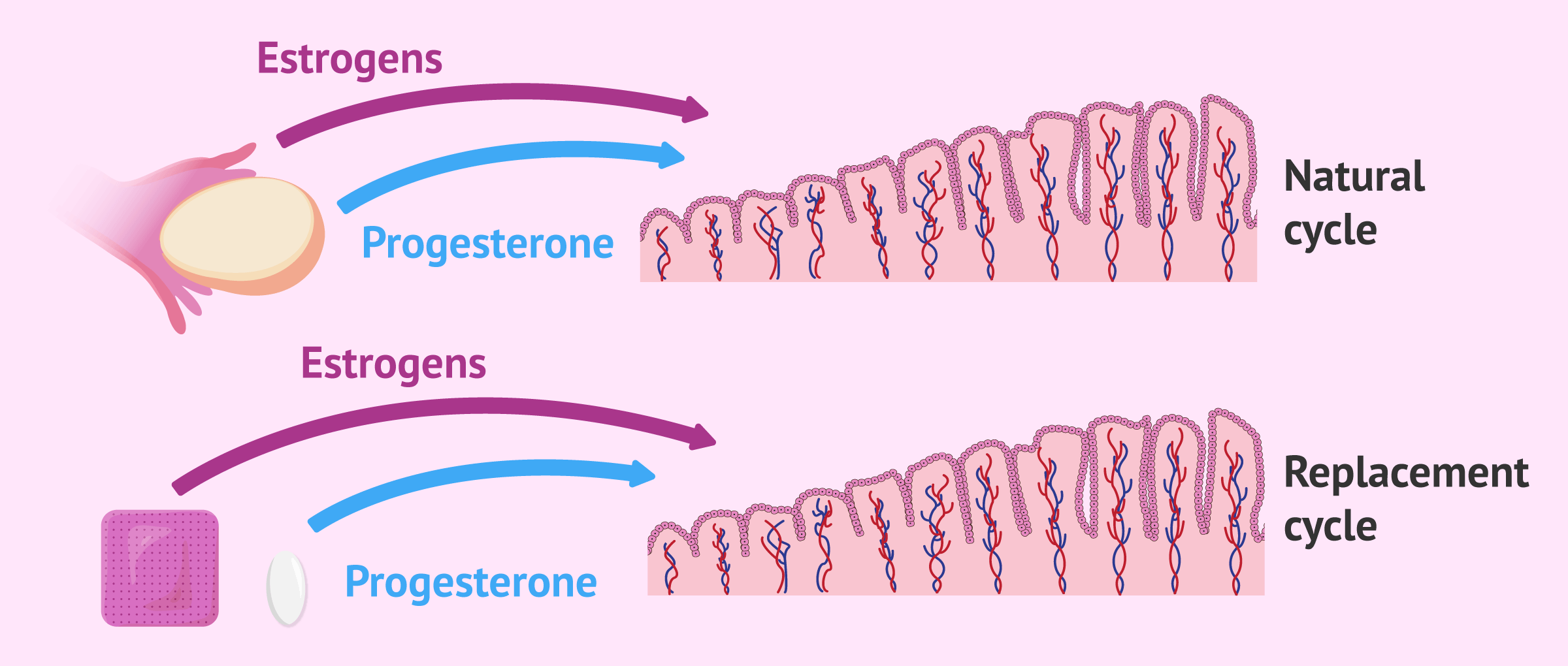
Embryo Transfer in Natural Cycles: Advantages & Disadvantages
The transfer of frozen embryos in a natural cycle consists of taking advantage of the endogenous hormone production by the ovary and the natural growth of the endometrium to carry out the transfer at the most ideal moment.
Read more

What should be considered in the 21st week of pregnancy?
During the 21st week of gestation, the woman no longer feels the typical discomfort of the first months of pregnancy, but will feel better. This week of pregnancy is a good time to do some moderate exercise to avoid fluid retention.
Read more
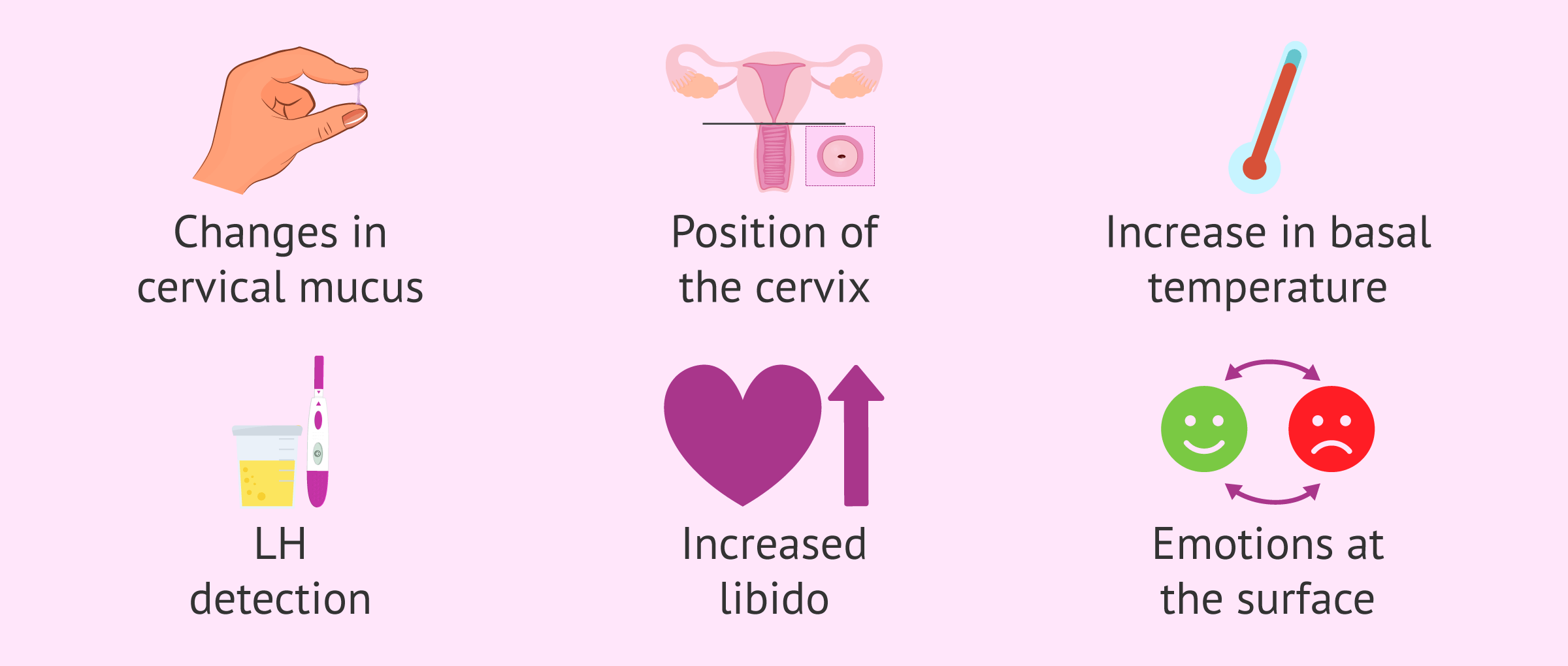
What are the signs of fertility in women?
Detecting the time of ovulation becomes very important when looking for a pregnancy, since these days are the days of greatest female fertility. There are methods that can help identify the ovulatory period, such as measuring the basal temperature, the position of the cervix and the appearance of the cervical mucus.
Read more
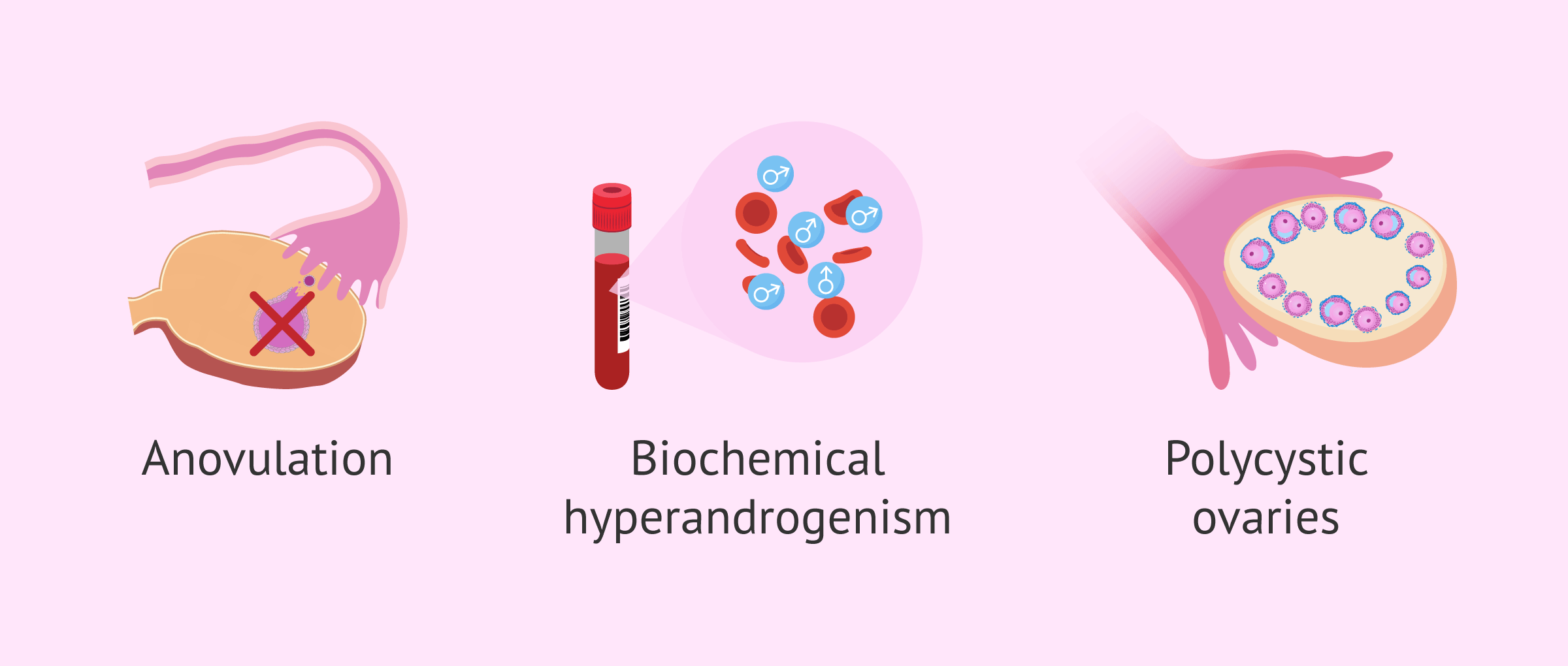
Which Methods Are Used to Diagnose PCOS?
The diagnosis of polycystic ovary syndrome (PCOS) is a complicated process, as the symptoms of this pathology can be very heterogeneous. The woman must have at least 2 of the Rotterdam criteria to diagnose PCOS.
Read more

