
Latest Publications
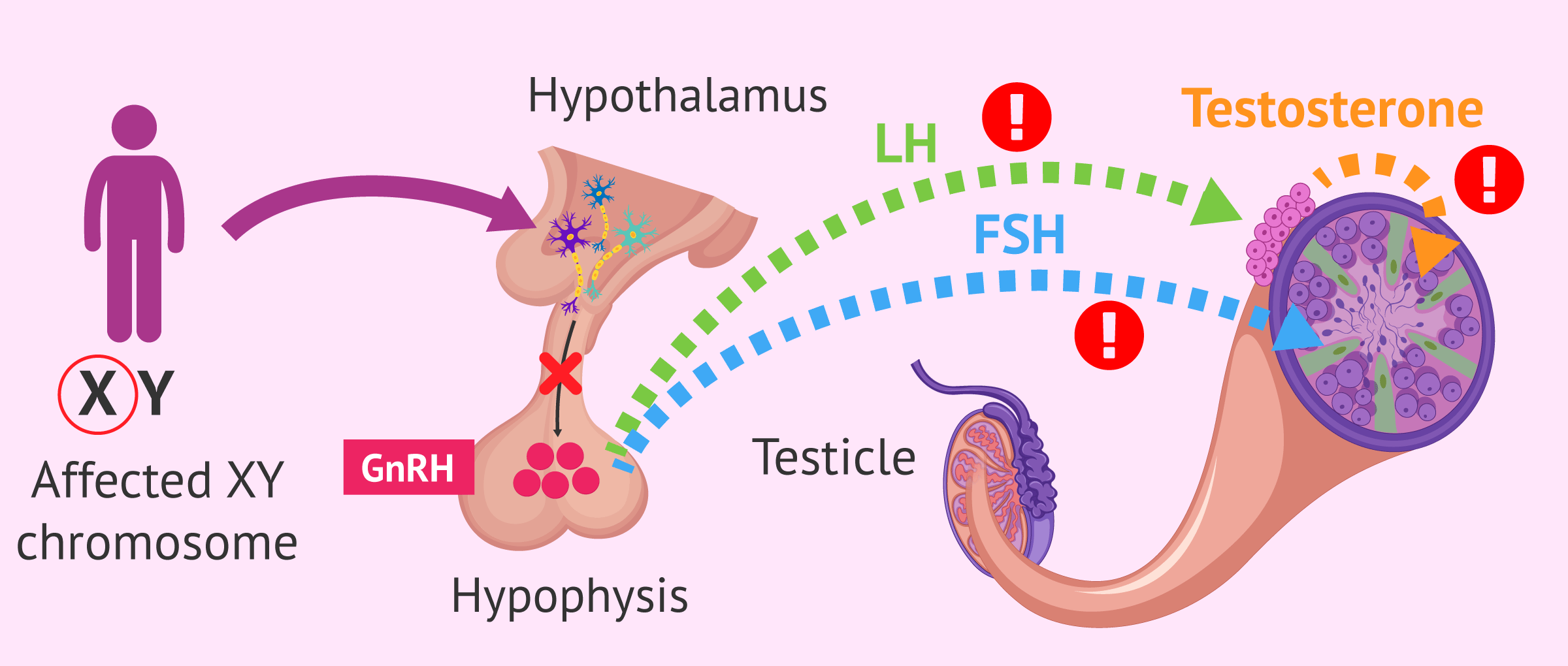
What Diseases Are Associated with Azoospermia?
There exist various diseases that can compromise sperm production in males, thereby leading to azoospermia. These include cryptorchidism, cystic fibrosis, varicocele, etc. Read more

How Successful Is IVF with ICSI? - Pregnancy & Live Birth Rates
Los resultados de la ICSI ofrecen tasas de parto de alrededor de un 26% por transferencia. No obstante, la edad de la mujer es un factor que influye negativamente y esta tasa de éxito varía en función de la edad de la paciente. Debido a esto, el porcentaje se reduce a 11,4% si la mujer es igual o mayor de 40 años. Read more
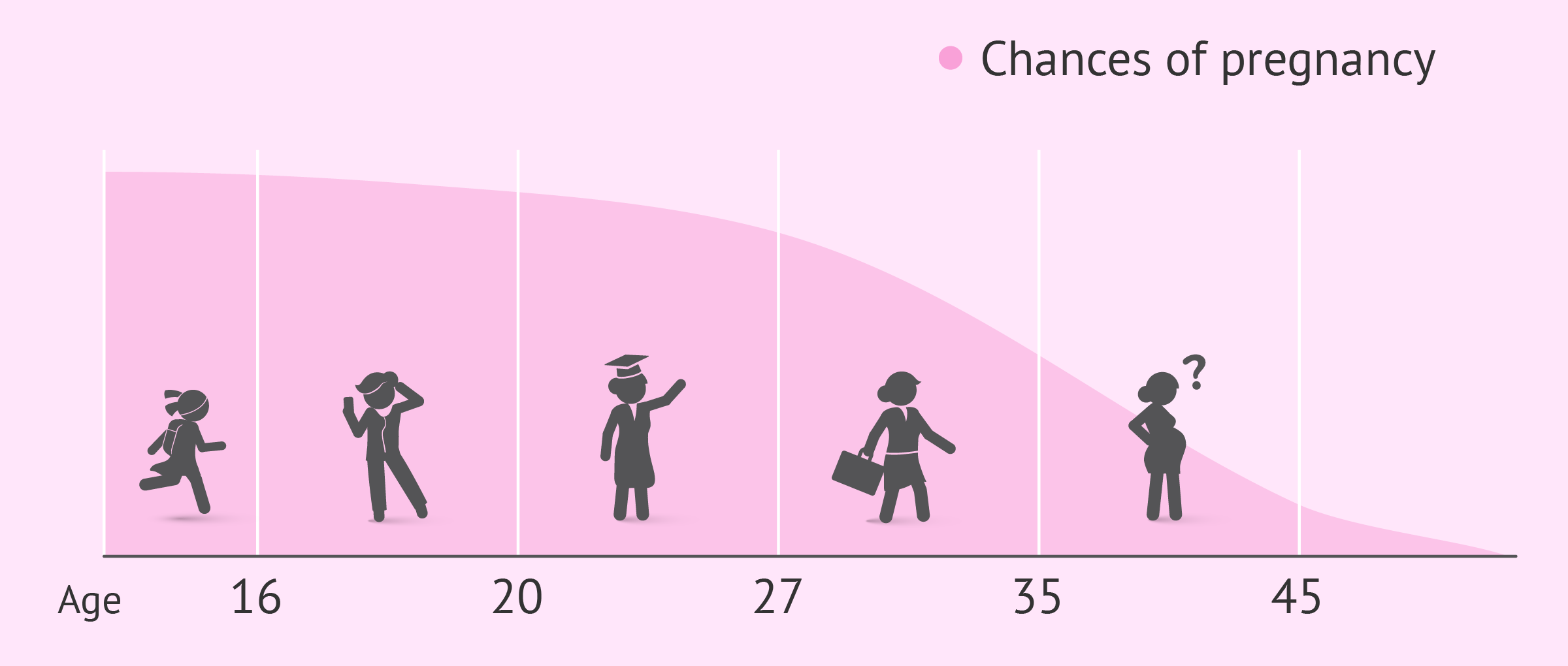
Pregnancy over the age of 40 - the options and associated risks
Late motherhood is becoming increasingly popular. Having a child at 40 due to social reasons is common today. However, fertility diminishes over time, and subsequently the risks associated with pregnancy are greater. Read more
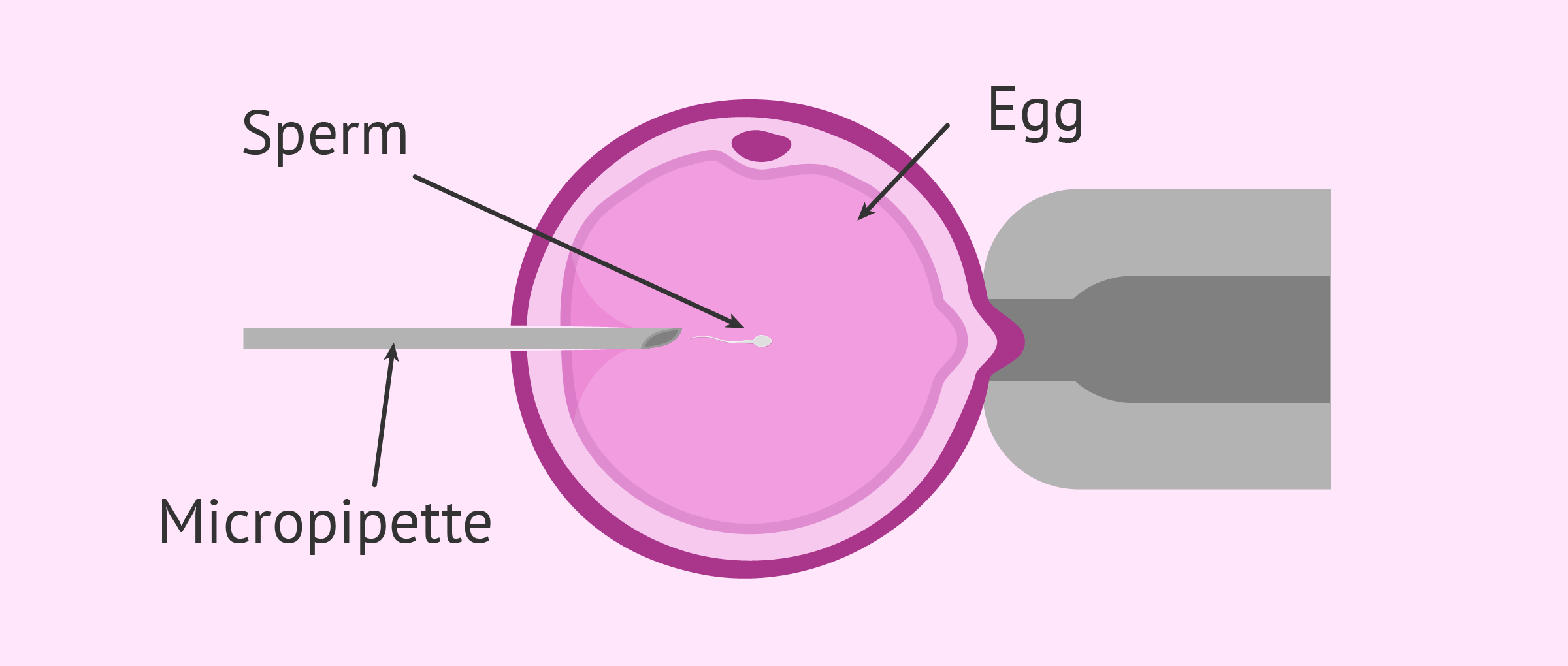
Intracytoplasmic sperm injection: What is ICSI and how much is it?
IVF with ICSI (Intracytoplasmic Sperm Injection) is a procedure that consists in injecting the sperm directly into the egg to acheive fertilization. It is used in the most severe cases of male infertility. Read more
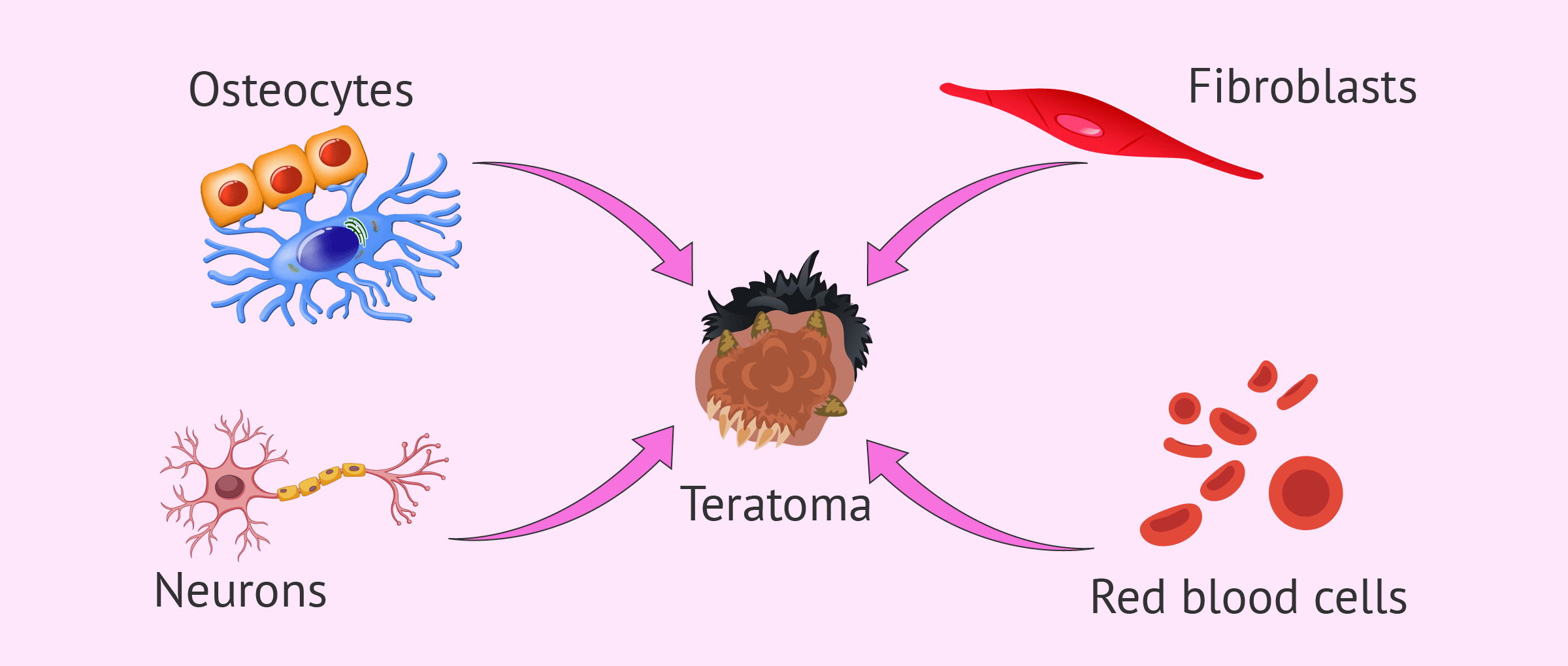
Ovarian Teratoma - Can It Contain Teeth, Hair & Other Organs?
A teratoma is a tumor of embryonic origin that can be mature or immature. Ovarian cystic teratoma is the most common in women and is benign. Symptoms will depend on the type of teratoma and complications may arise. Read more
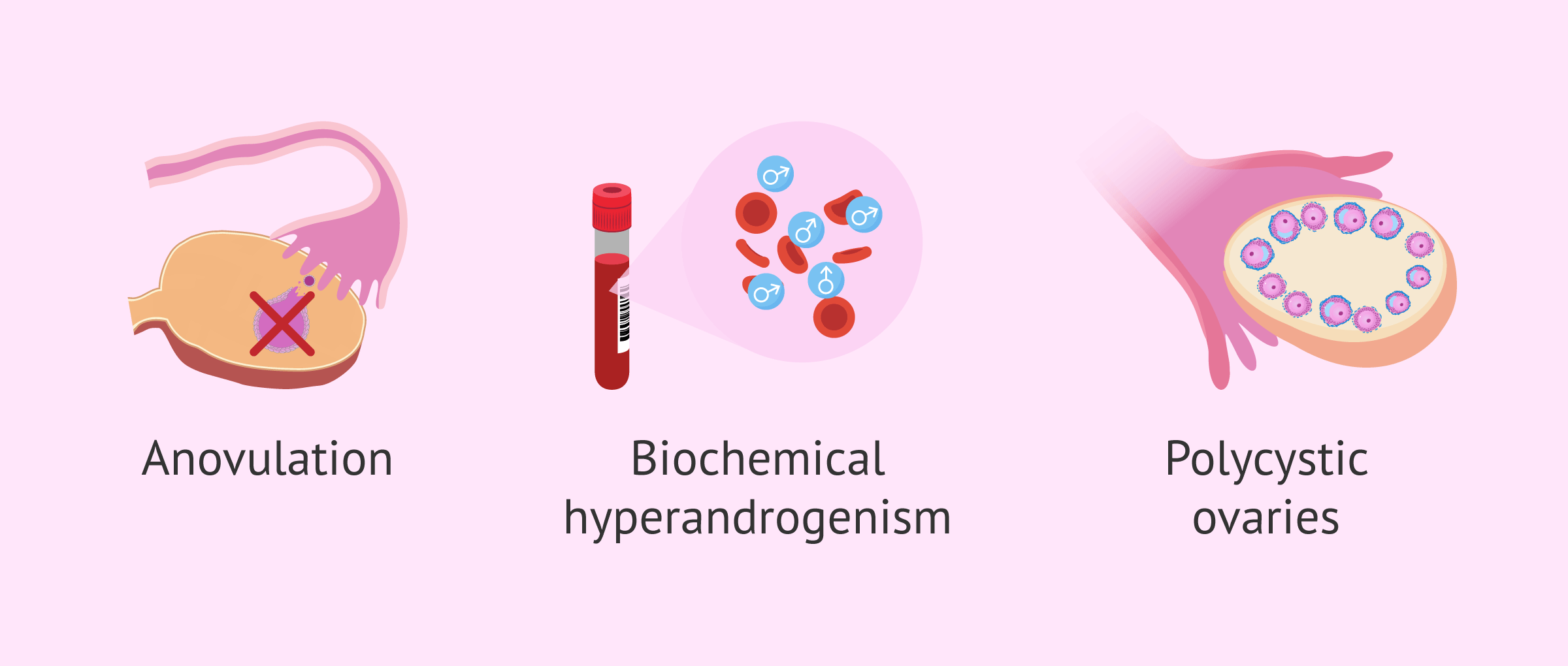
Which Methods Are Used to Diagnose PCOS?
The diagnosis of polycystic ovary syndrome (PCOS) is a complicated process, as the symptoms of this pathology can be very heterogeneous. The woman must have at least 2 of the Rotterdam criteria to diagnose PCOS. Read more
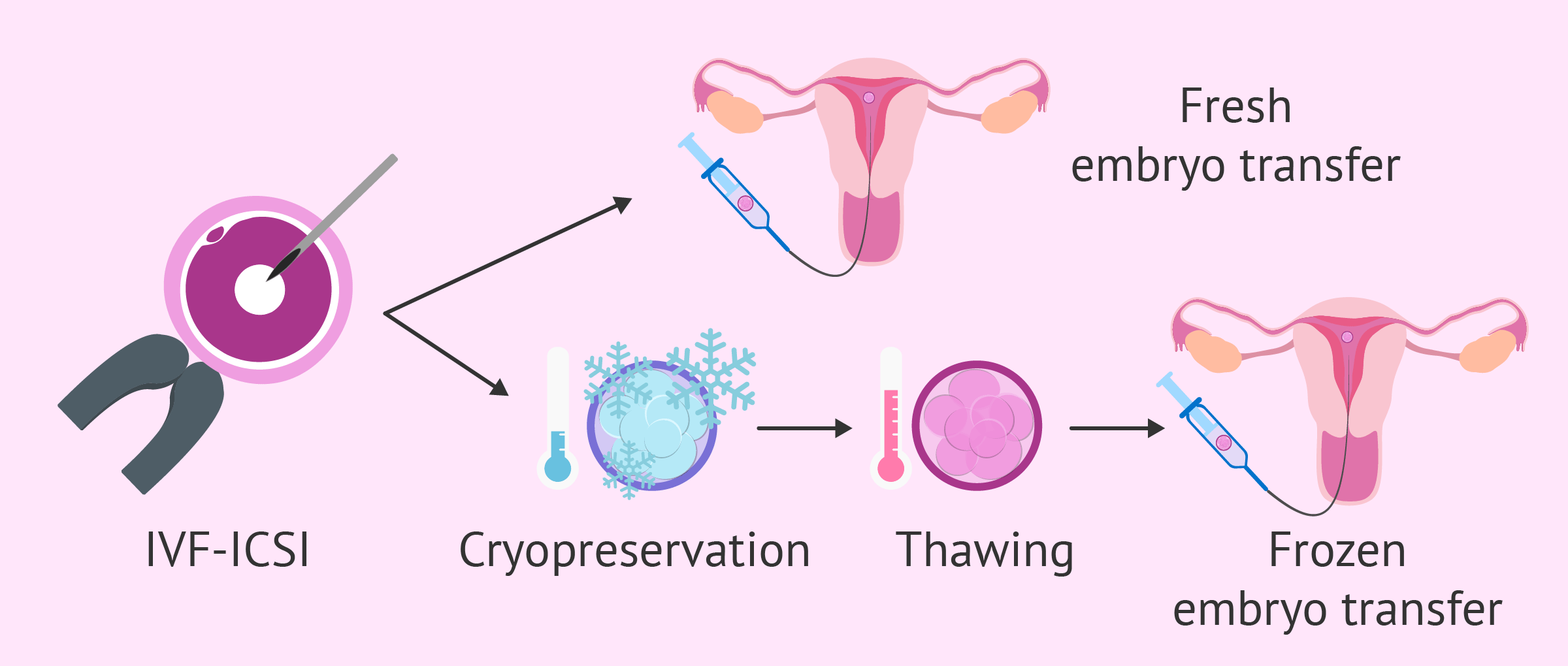
How Does the Frozen Embryo Transfer (FET) Procedure Work?
Frozen embryo transfer, also known as delayed embryo transfer, is an option that can be performed in both natural and surrogate cycles. The cost of frozen embryo transfer is lower than IVF. Read more

Sperm freezing: indications, process, result and price
Semen freezing is a technique to preserve male fertility. It is a procedure that allows cryopreserved seminal samples to be stored in semen banks. In this way, patients will be able to use these samples in the future to carry out assisted reproduction treatments. Read more
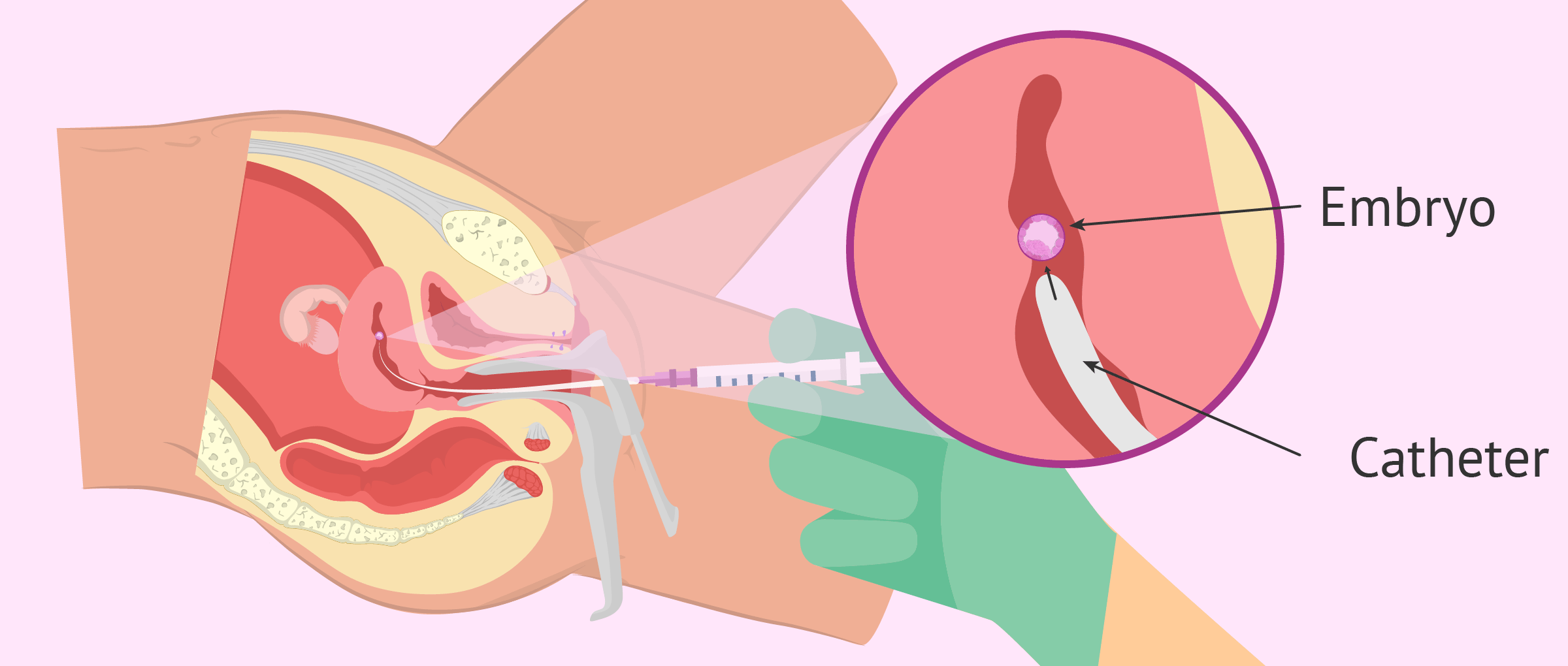
Embryo transfer: when and how is it done?
In the embryo transfer, the best quality embryos created in the laboratory by IVF/ICSI are introduced into the patient's uterus. It is a simple process that does not require anesthesia and after which the patient returns home with a normal life, but avoiding great physical efforts. Read more

IVF or ICSI: What is the difference? Which is better?
The conventional IVF technique and intracytoplasmic sperm injection (ICSI) have certain differences, although both are in vitro fertilization (IVF) techniques. Each of these techniques is characterized by the way in which it promotes fertilization of the egg by the sperm. Read more
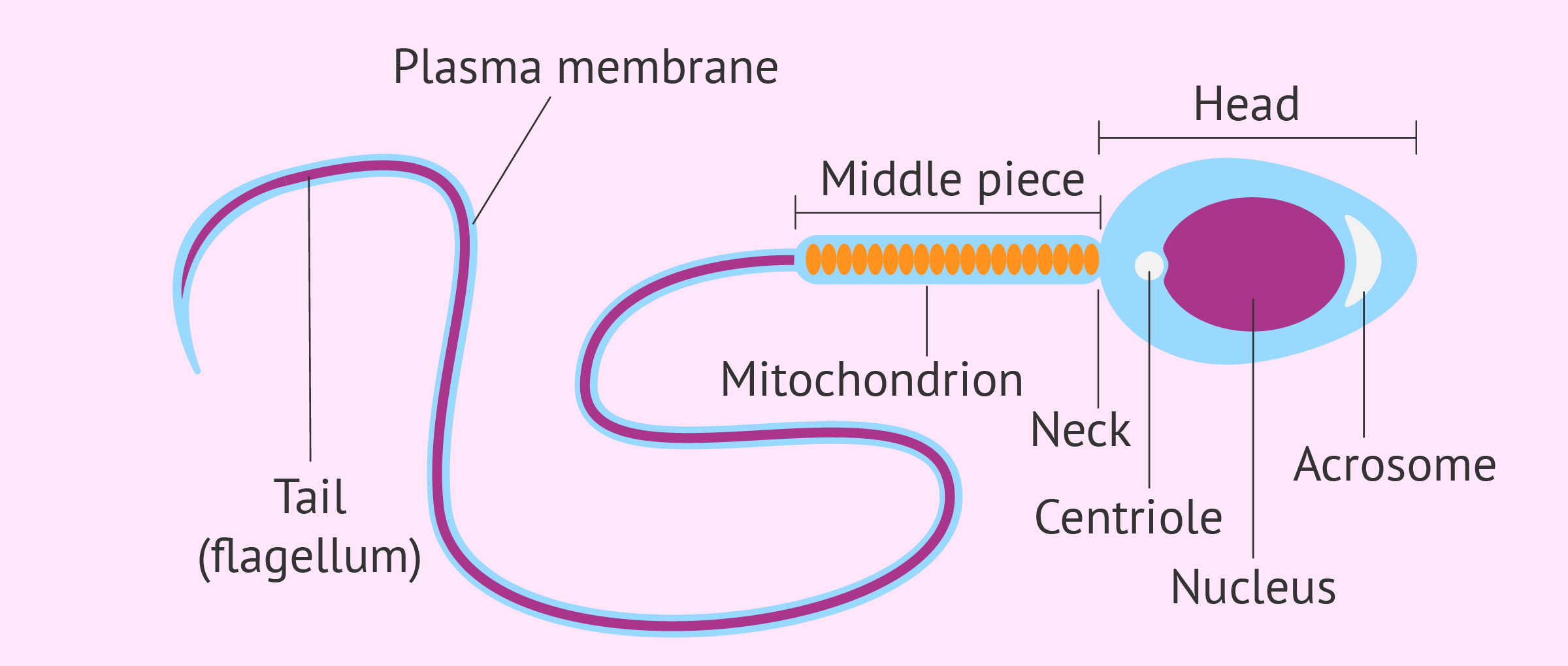
What is a sperm cell like? Its structure, parts and functions
Spermatozoa or sperm cells are the male reproductive cells. They are composed of three parts: head, middle-piece and tail. Learn about their functions here. Read more
What are the differences between primary and secondary infertility?
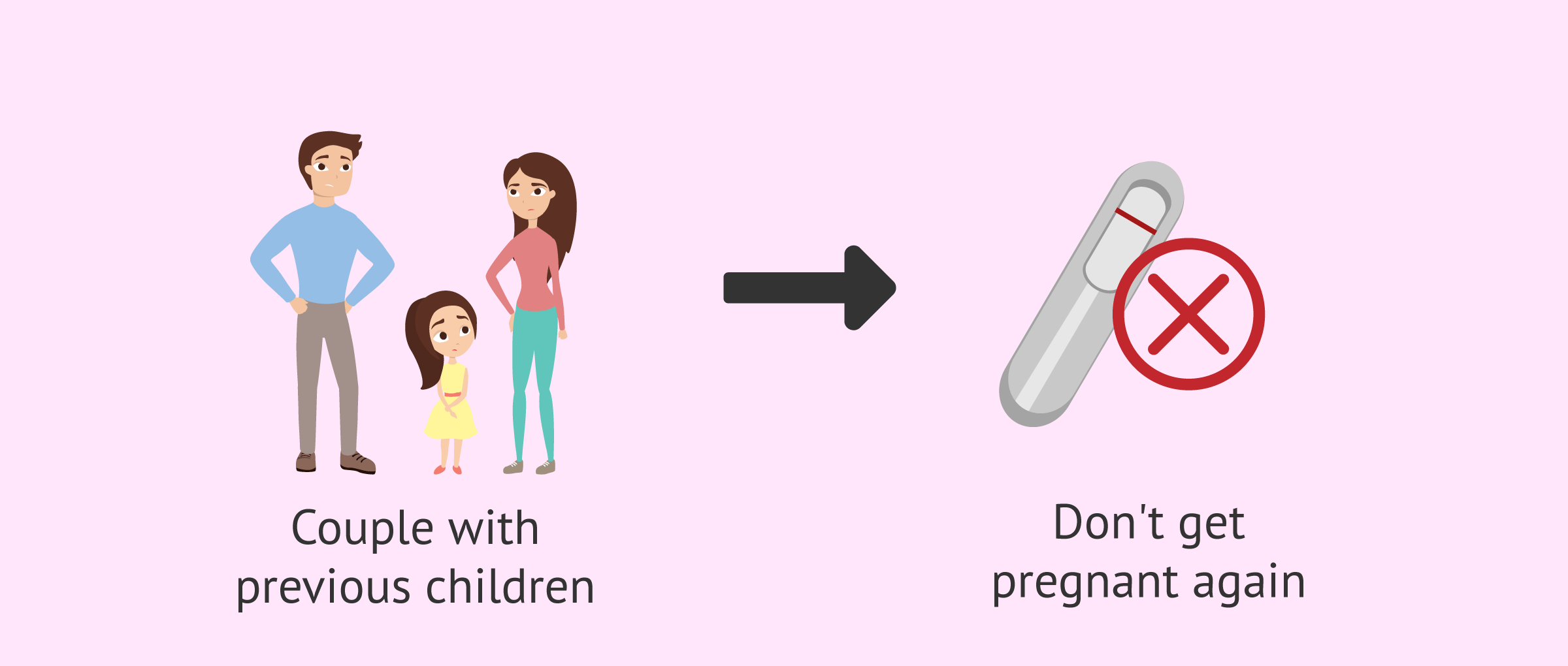
The main difference between primary and secondary infertility is whether the couple has had a previous child or not. In the case of not having children, the couple will suffer primary infertility and if they have already had a baby in the past but now they have not, the infertility will be considered secondary Read more

