
Latest Publications
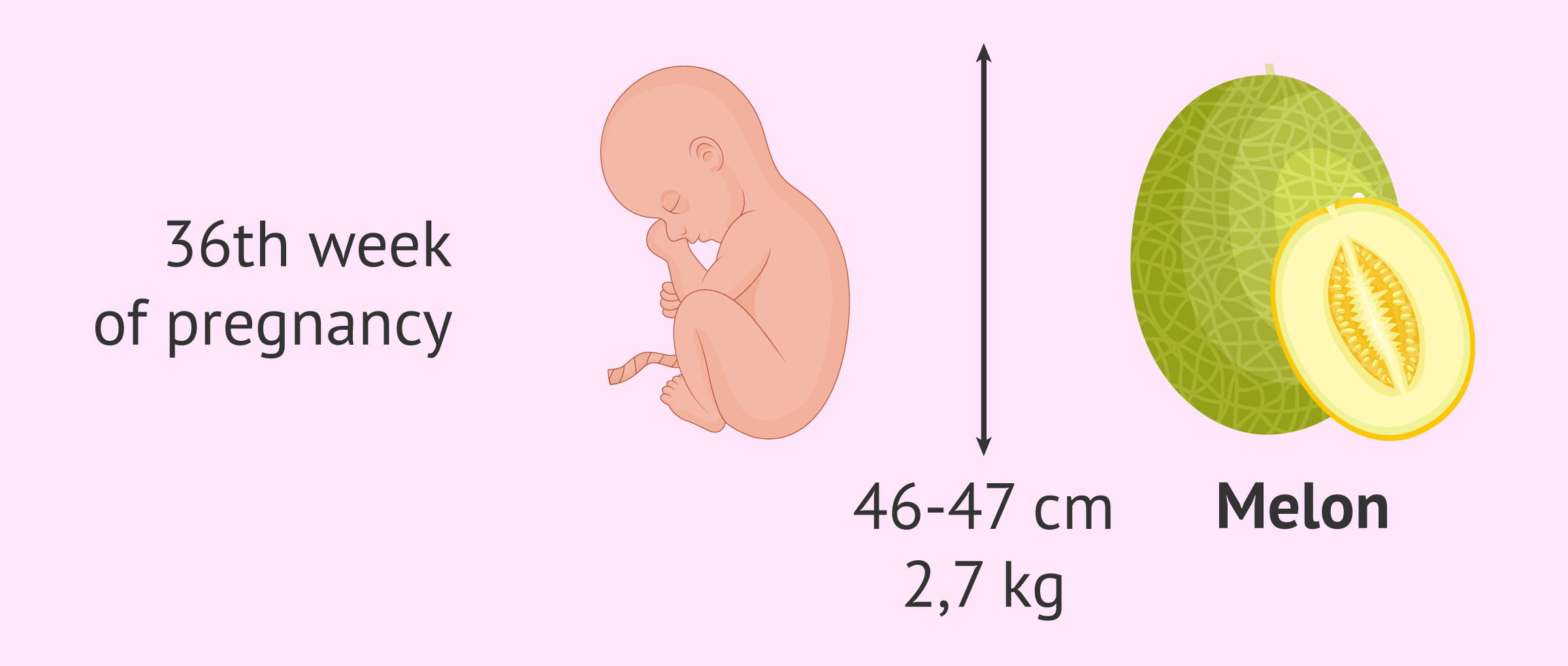
36th week of pregnancy: changes in the baby and symptoms in the mother
In the 36th week of pregnancy the baby is already 46-47 centimetres in size and weighs around 2700 grams. However, if the baby is born at this time, it is still premature. On the other hand, the mother will have symptoms and discomfort due to the size of her belly at this stage of pregnancy. Read more
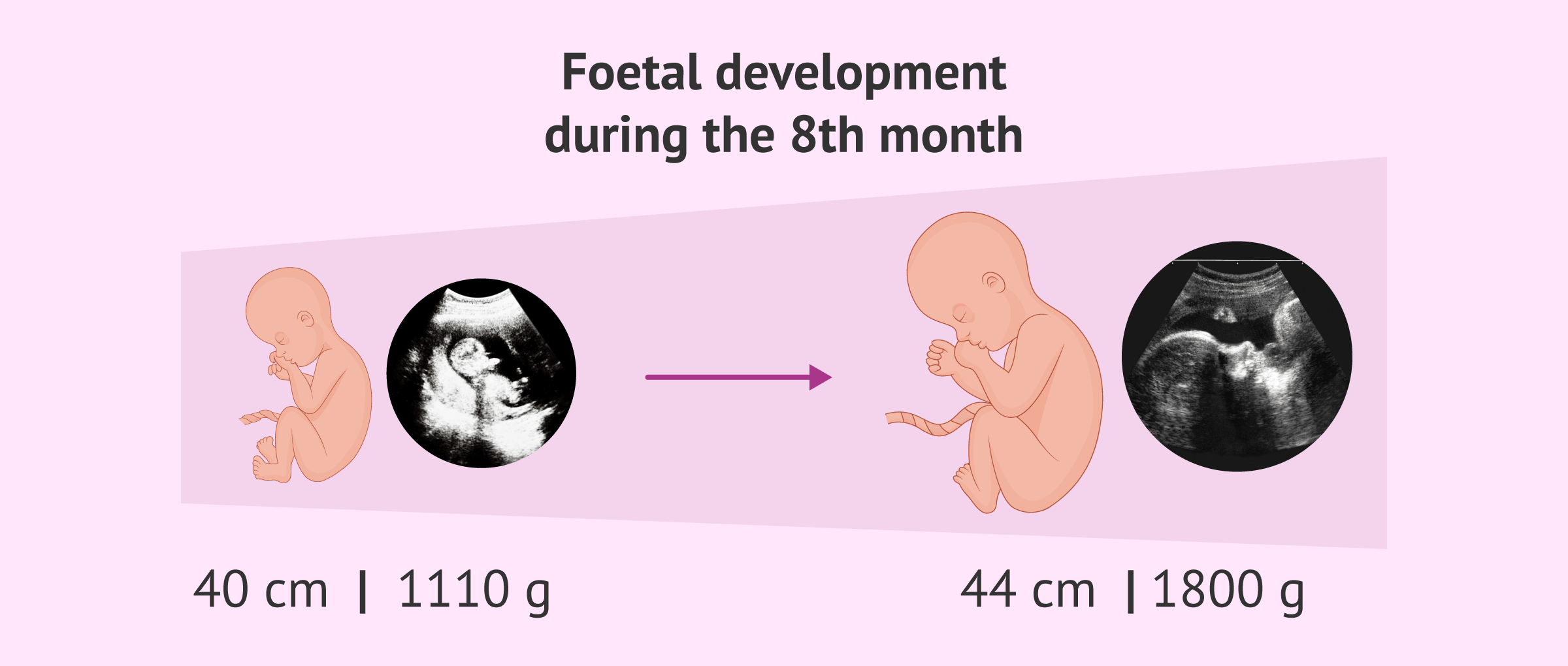
What Happens during the Eighth Month of Pregnancy?
Being 8 months pregnant means that the day of labor is getting closer. You should pay special attention to any symptom and take special care. Read more
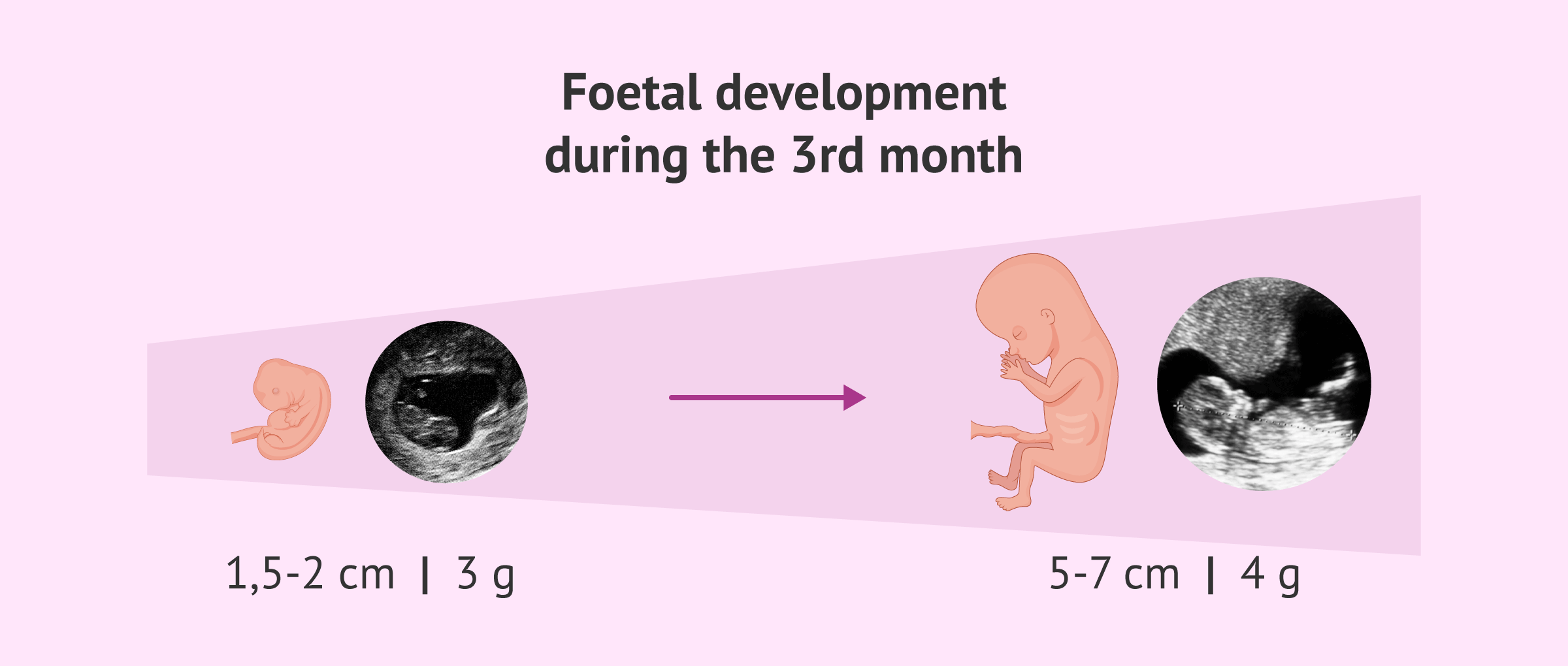
3 Months Pregnant - Baby Development, Symptoms & Tips
In month 3 of pregnancy, the embryo becomes recognizable as a pre-human, and unpleasant symptoms as nausea disappear. You will start showing. In short, you will start looking pregnant. Read more
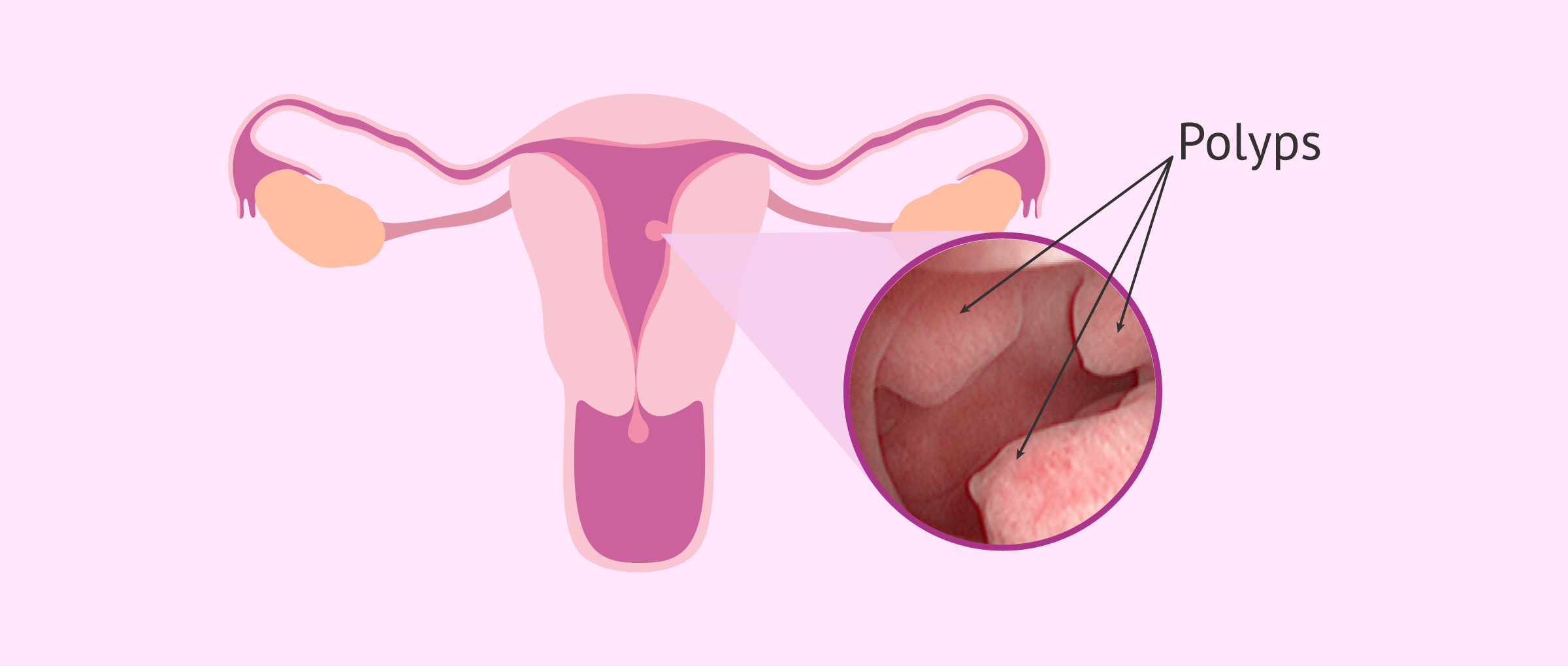
Malignant uterine polyps: types, symptoms and treatments
Overgrowth of cells in the endometrium (lining of the uterus) cause the formation of uterine or endometrial polyps. They are usually non-cancerous or benign, but it is estimated that about 5% may turn into cancer. Polyps should be removed by a surgical procedure called polypectomy. Read more

Diagnosing oligozoospermia via semen analysis and hormone tests
Rendering a diagnosis of oligospermia is possible with a simple semen analysis and bloodwork to determine the levels of male hormones. Read more
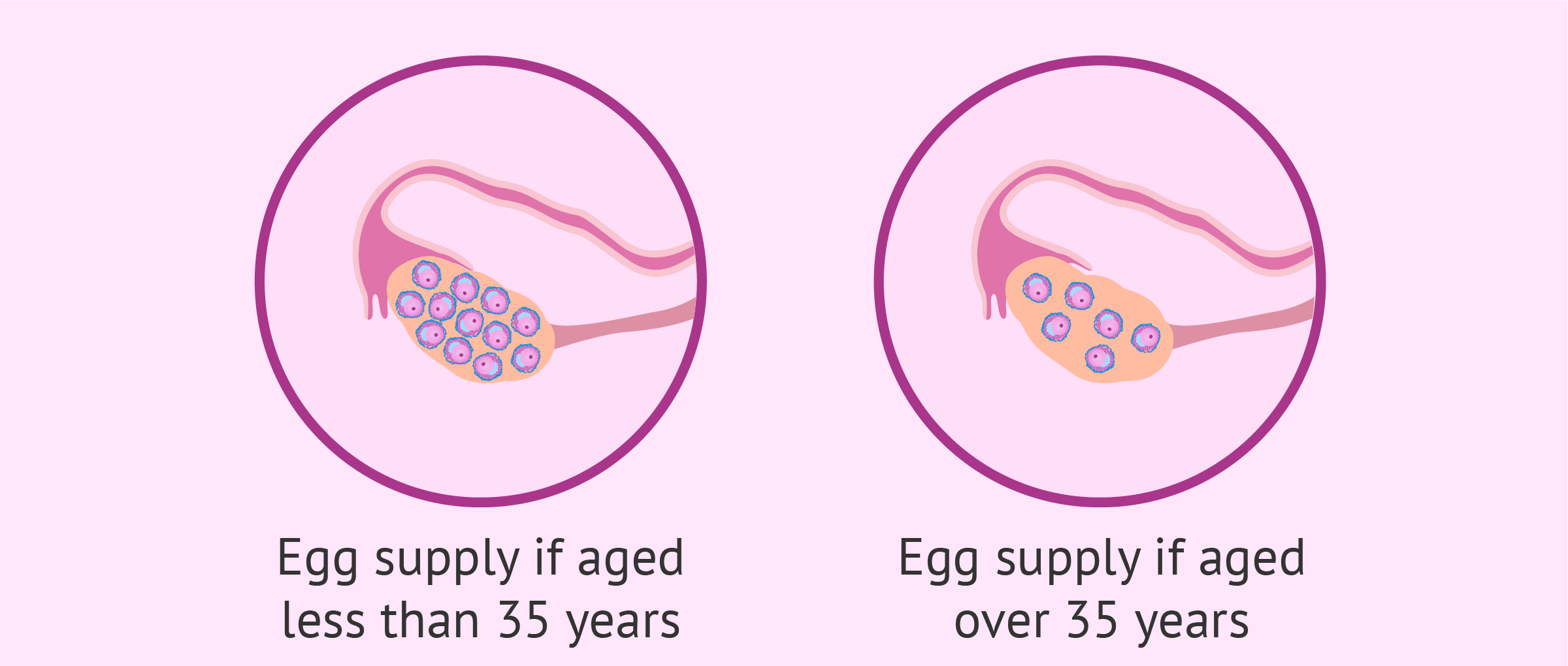
What is a woman's ovarian reserve & how does it affect fertility?
Ovarian reserve refers to the number of eggs available in a woman. There are different tests to assess ovarian reserve. Low ovarian reserve is one of the most common fertility problems today, mainly due to advanced maternal age. Read more

Week two of pregnancy: symptoms and advice for the mother-to-be
During the first two weeks of pregnancy, the woman is not pregnant yet. Her body is still preparing for ovulation and egg fertilization. If you are TTC, do not miss this guide to get useful tips on what to do during week 2 of pregnancy. Read more

Male hormone analysis: what should the normal hormone levels be?
Testing the levels of male hormones, such as testosterone or dihydrotestosterone, can help discover the cause of infertility and treat it. The levels of these hormones, as well as FSH, LH and prolactin can be analysed in a simple blood test. Read more
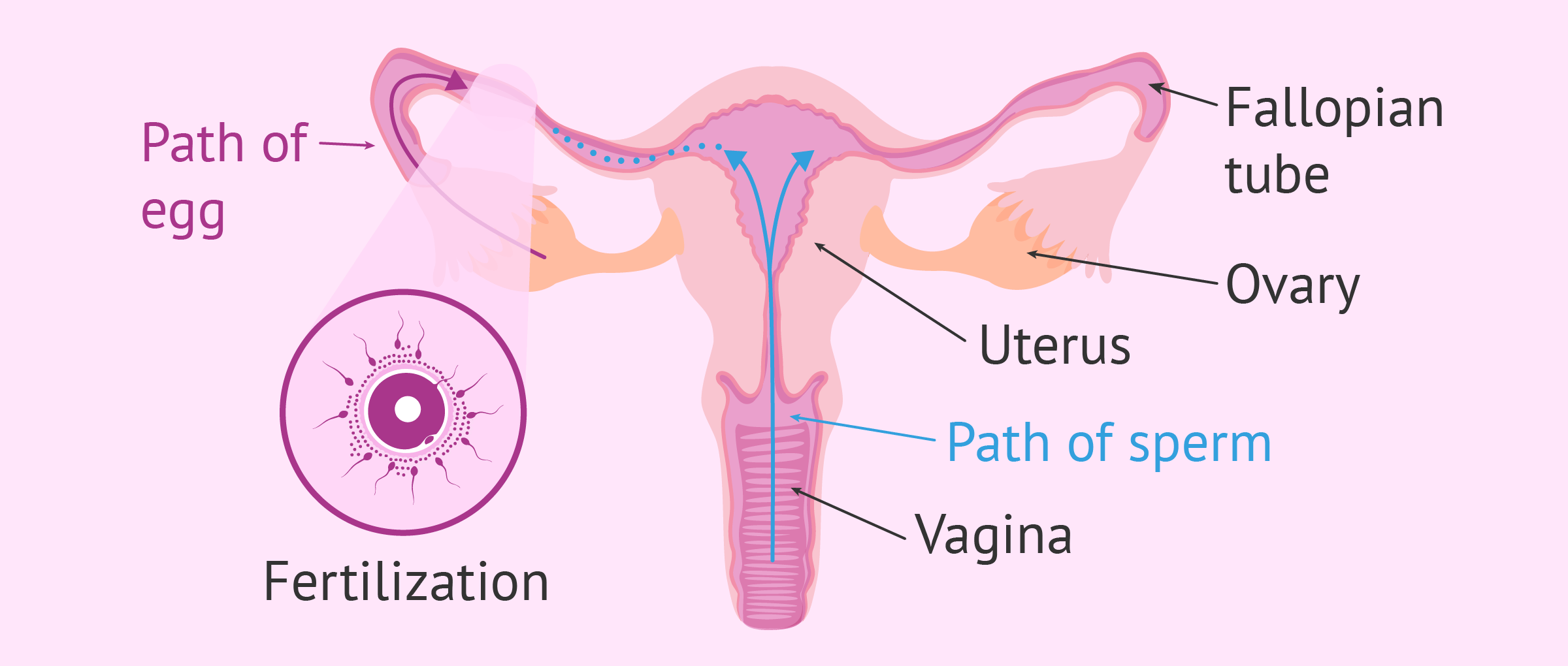
How sperm meets egg: a journey from production to fertilization
How long does it take a sperm to reach the egg, what is its route? We answer these and other questions about the race to fertilization. How long does it take a sperm to reach the egg, what is its route? The journey of the sperm from its formation until it reaches the egg to fertilize it is not easy. The sperm will have to go through a series of barriers and obstacles to reach the egg. Read more

Why do in vitro fertilization cycles sometimes get cancelled?
Certain critical stages of the IVF process may lead to IVF cancellation, including during ovarian stimulation, egg retrieval, semen collection, or embryo transfer. Read more
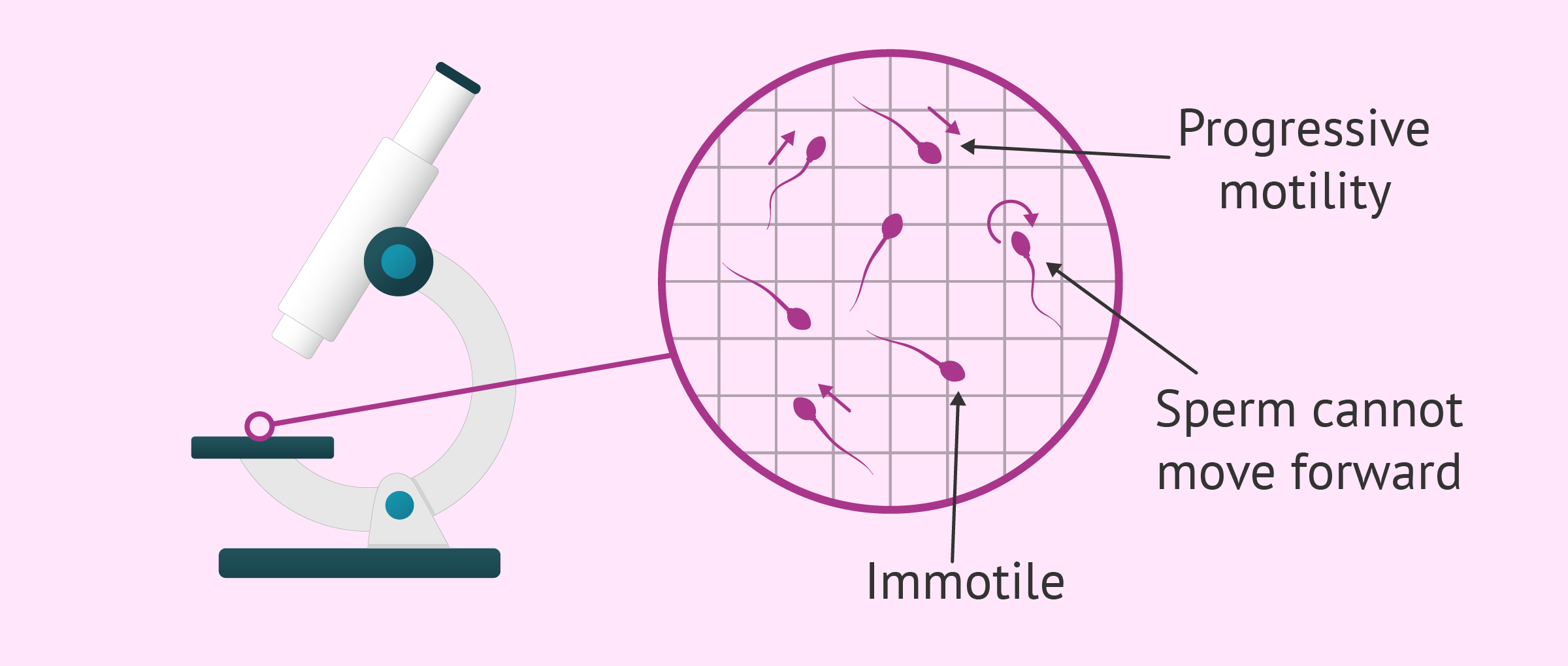
What is asthenozoospermia? - definition, causes and treatment
Asthenozoospermia is a decrease or absence of sperm motility, making it difficult for the sperm to meet the egg for fertilization. It is a very common cause of infertility in men and is diagnosed by means of a seminogram. Read more
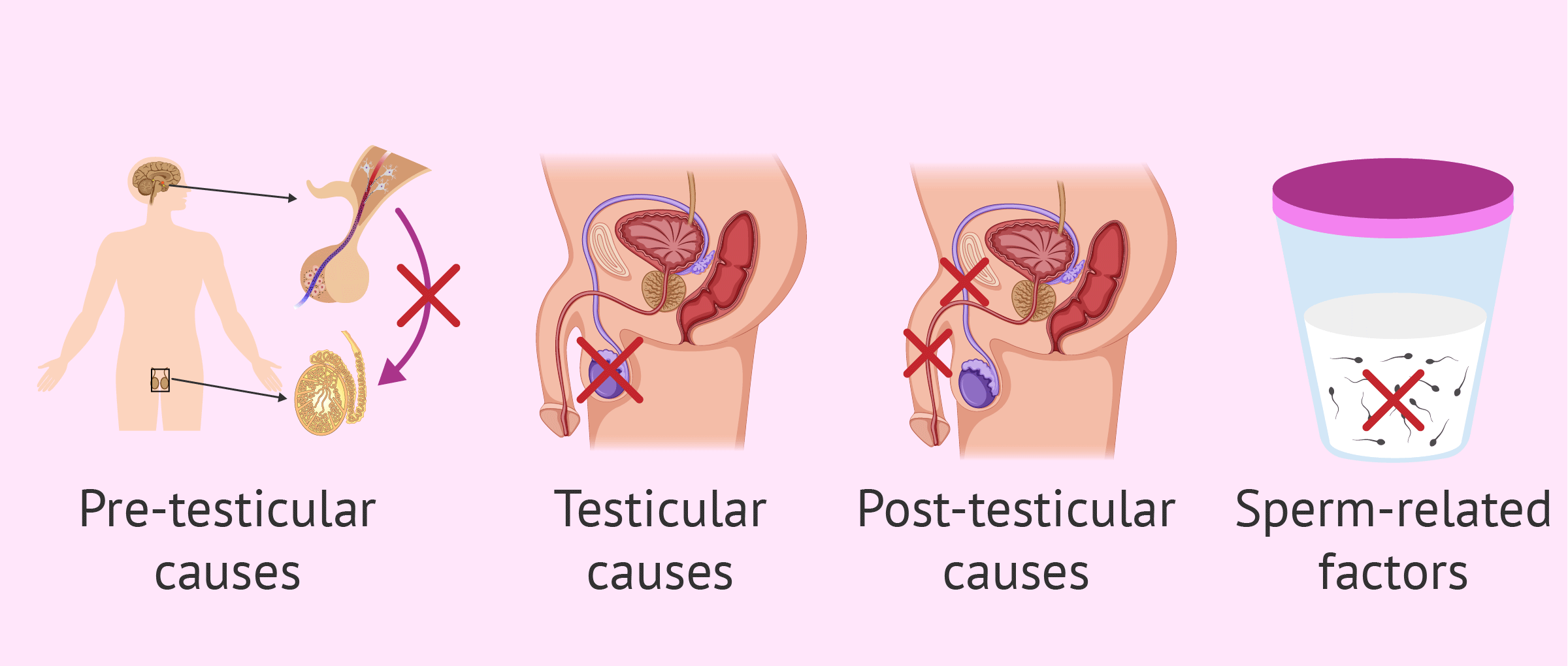
What are the causes of male infertility? - Symptoms & solutions
Male sterility may be caused by several facrtors. Each factor requires a spefiic treatment in order to have children. Male infertility is the cause in 30% of sterility cases. Read more

