
Latest Publications
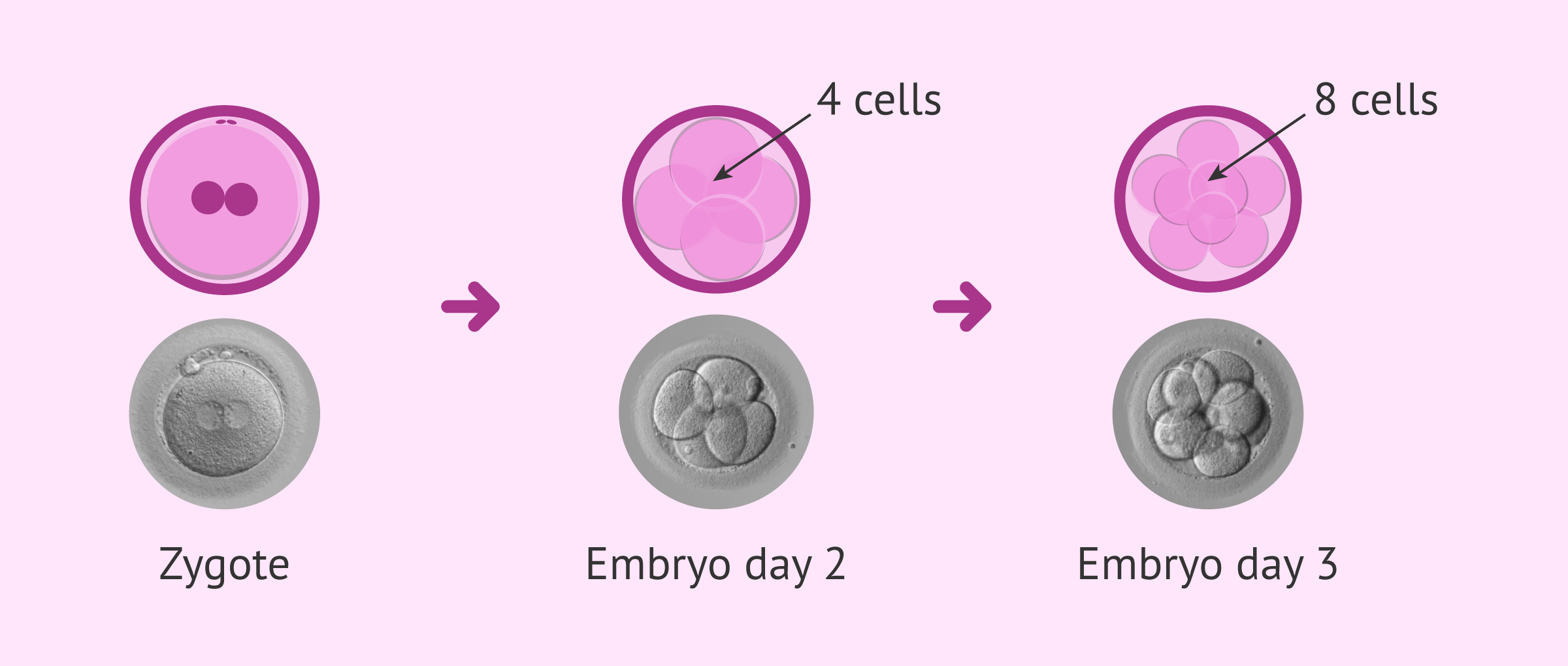
What's the Difference Between Zygote, Embryo & Fetus?
Embryonic development consists of different stages. From fertilisation to birth we distinguish between zygote, embryo, foetus and baby. Specifically, the term embryo is used until the 8th week of gestation, after which it is called foetus until the baby is born. Read more
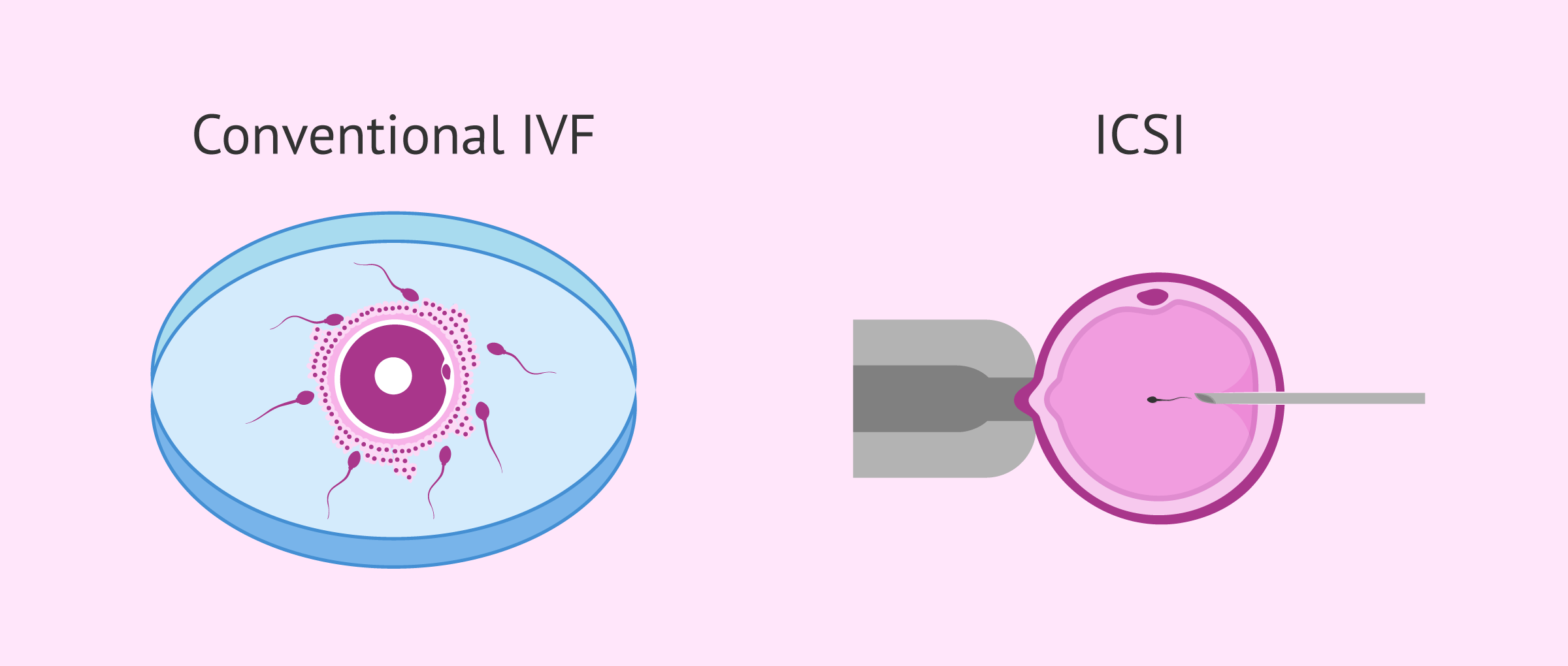
What Is In Vitro Fertilization (IVF)? - Process, Cost & Success Rates
In vitro fertilization or IVF is a widely used assisted reproduction technique that allows couples with infertility problems to achieve pregnancy. It is a technique in which the woman's eggs are extracted by follicular puncture to be fertilized in the laboratory with the man's sperm. Read more
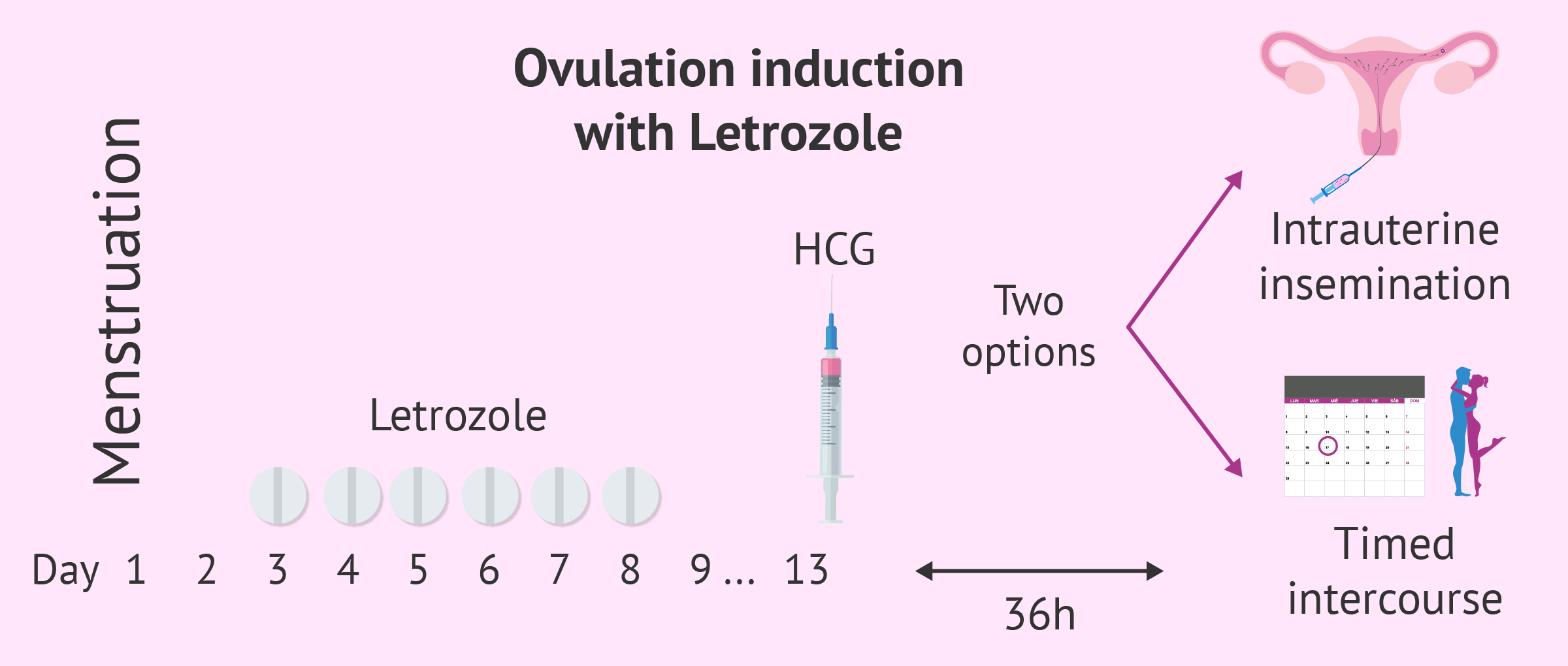
What Are the Different Treatment Options for PCOS?
The treatment of polycystic ovary syndrome or PCOS can be approached naturally, pharmacologically and even surgically (ovarian drilling or cuneiform resection). Following a balanced diet and practicing sports can help to lose weight, thus helping to regulate the menstrual cycle. Read more
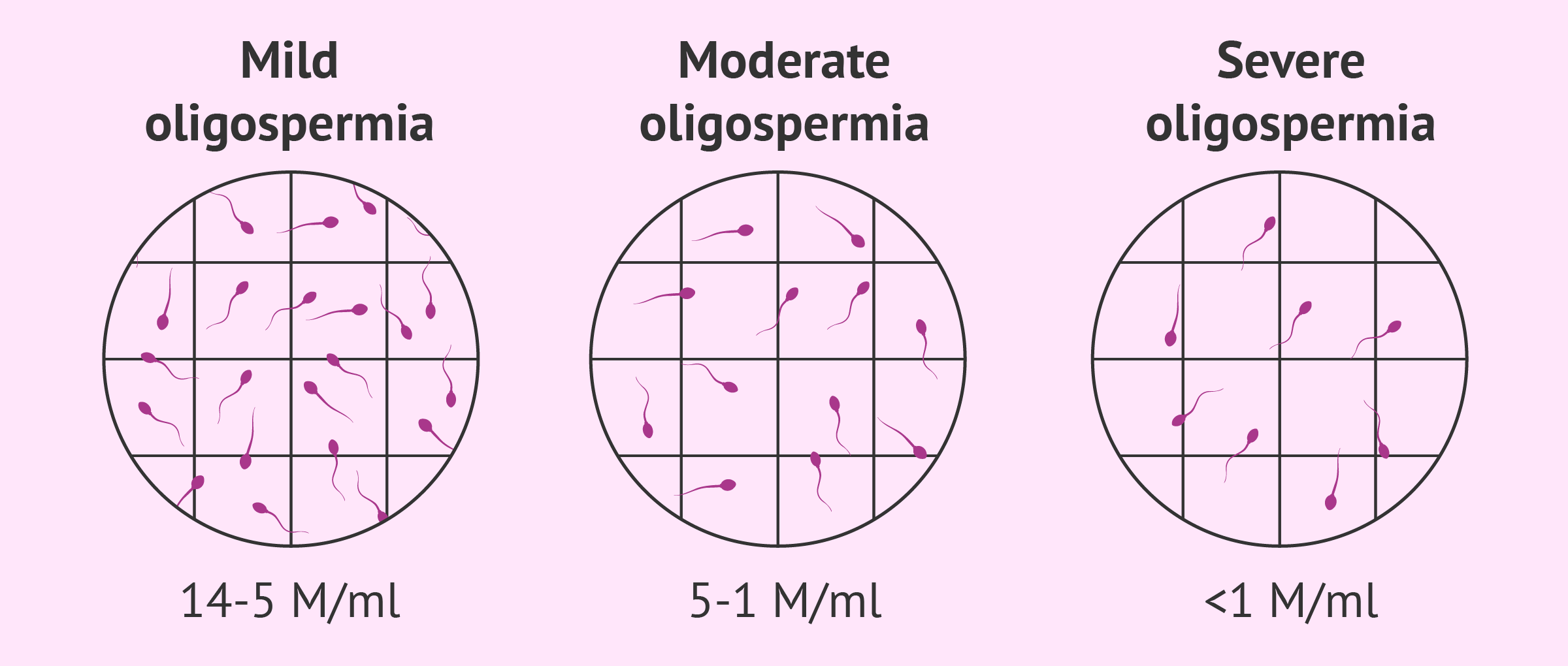
The different grades of oligozoospermia: mild, moderate and severe
Oligospermia or oligozoospermia can be classified into three types based on the level of severity: mild, moderate, and severe. Read more
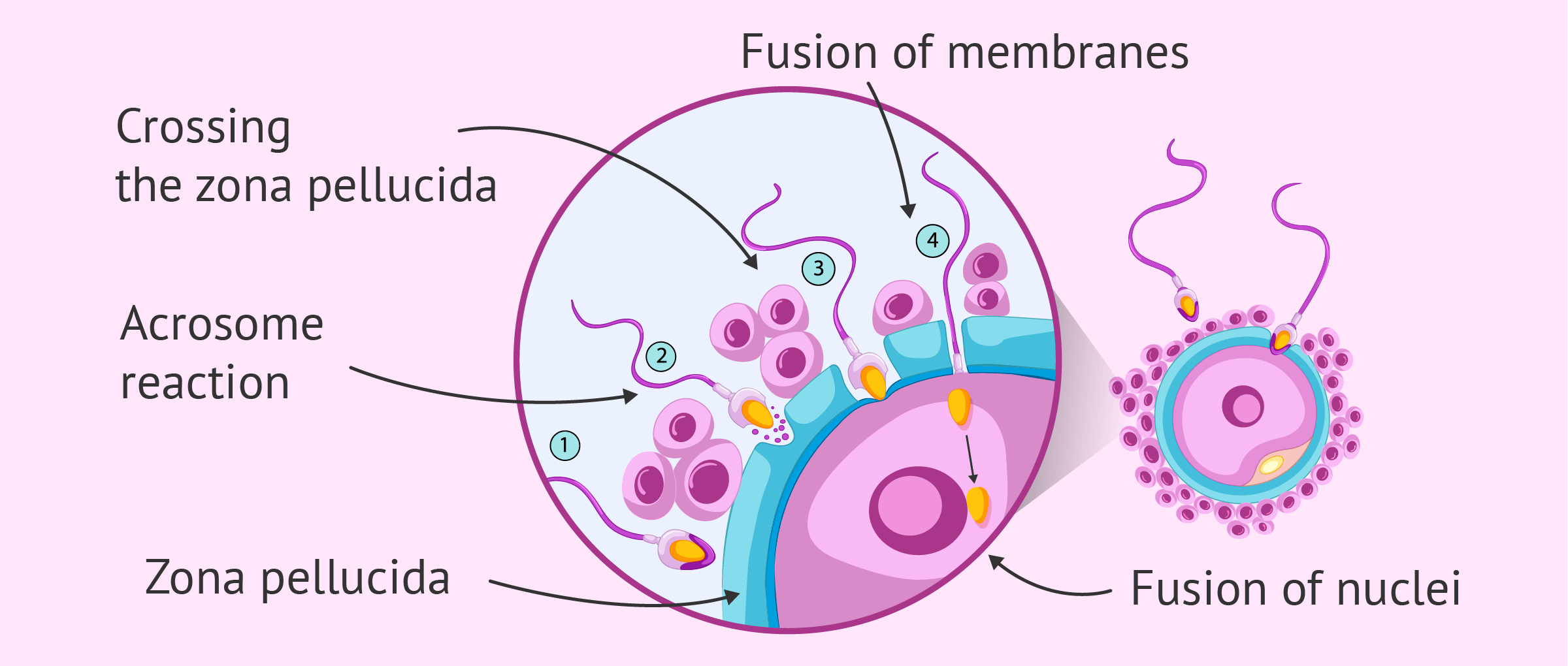
What Are the Steps of Fertilization in Humans?
Fertilization of the egg is essential for pregnancy to occur. The union of the egg and sperm can occur naturally in the fallopian tubes or in vitro in the laboratory. Once the egg is fertilized, the zygote is formed, which will divide and move until it reaches the uterus. Read more
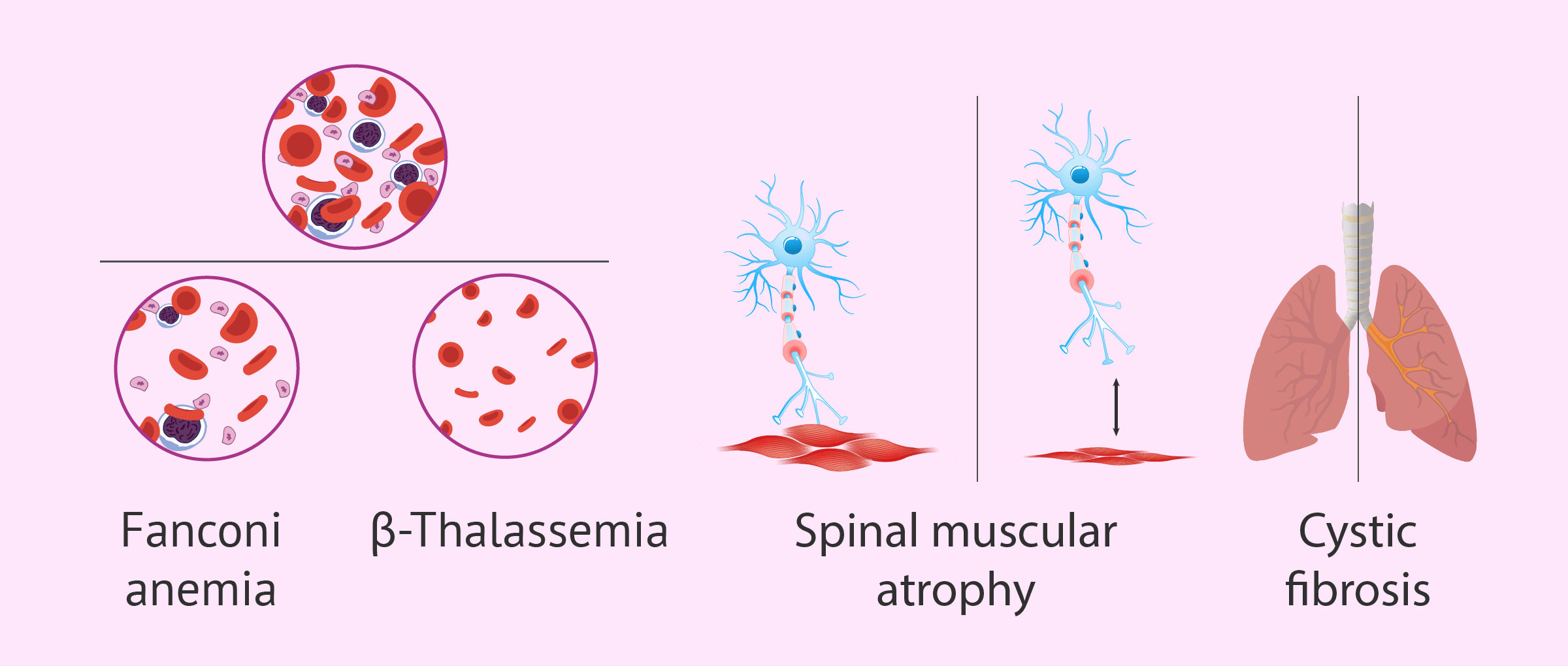
What Are Monogenic Disorders? - Classification & Most Common Types
Monogenic diseases are those caused by the mutation of a specific gene in an individual's genome. The inheritance of these genetic diseases can be dominant, recessive or linked to sex chromosomes. To prevent their transmission to offspring, it is possible to undergo IVF treatment with PGD. Read more

What treatment options exist for oligospermia (low sperm count)?
The most appropriate treatment to cure oligospermia (low sperm concentration) depends on the cause of the oligospermia, and can be natural, pharmacological or surgical. Read more
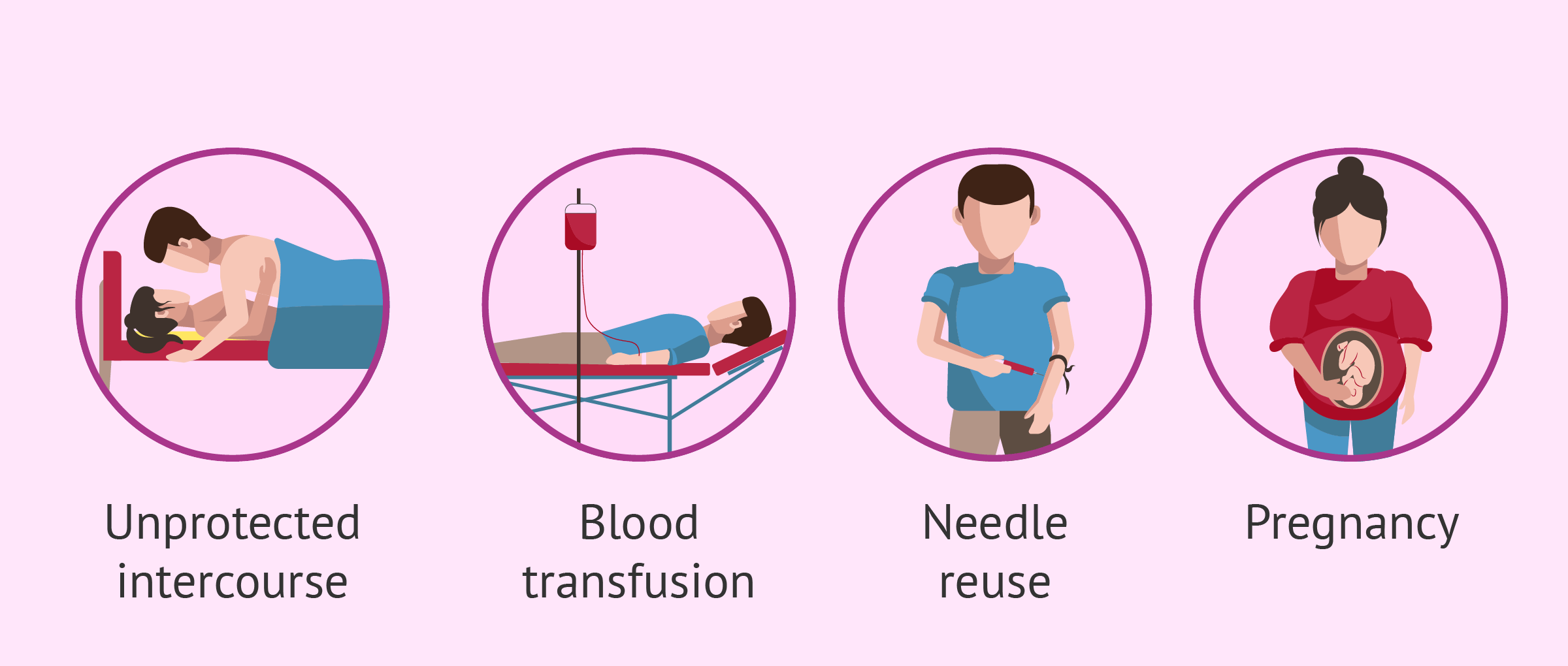
What Are Sexually Transmitted Diseases (STDs)? - Symptoms & Types
Sexually Transmitted Diseases (STDs) are infections caused by bacterial agents, viruses or parasites, which are transmitted through sexual contact, either vaginally, anally, or orally. Read more
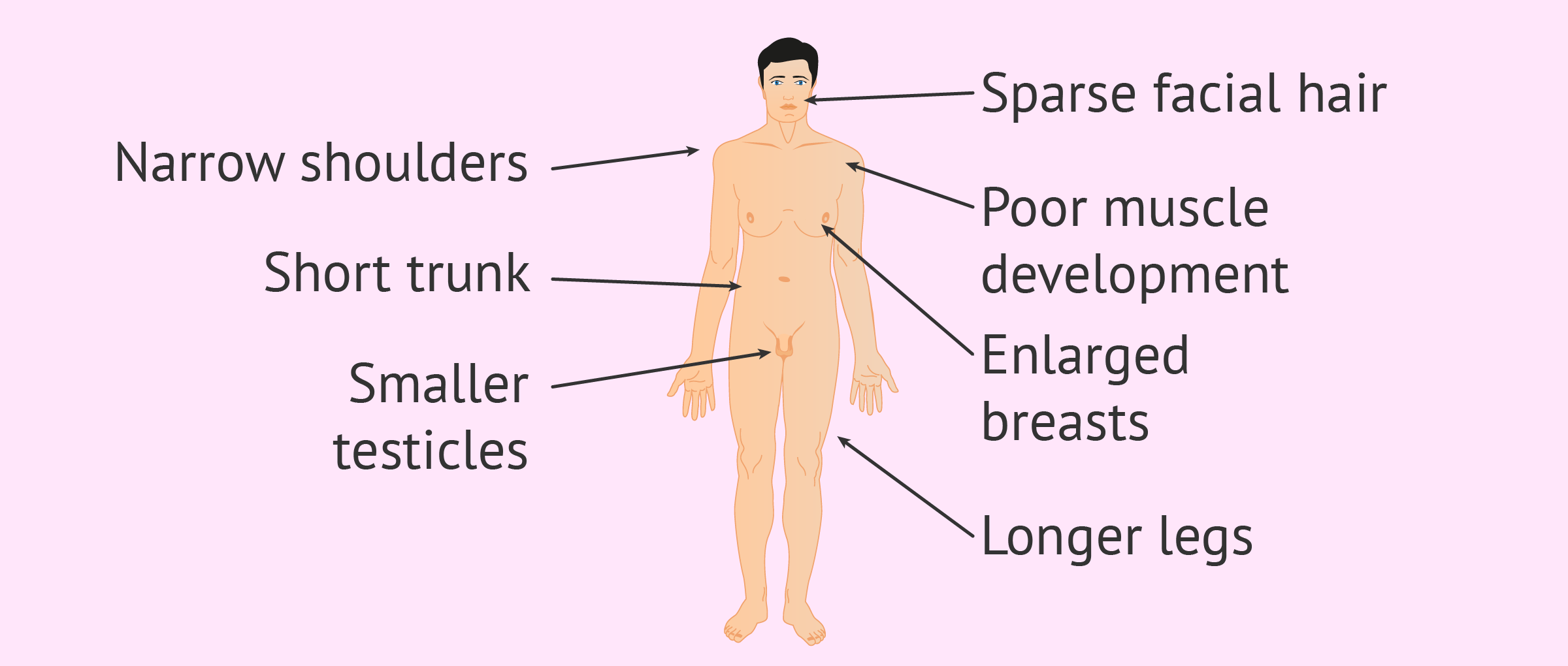
Klinefelter Syndrome (XXY Syndrome) - Symptoms, Causes & Fertility
Klinefelter syndrome is a disorder of genetic cause that affects males, who are born with an extra X chromosome, their genotype being 47, XXY. Males with Klinefelter syndrome suffer infertility due to secretory azoospermia. Read more
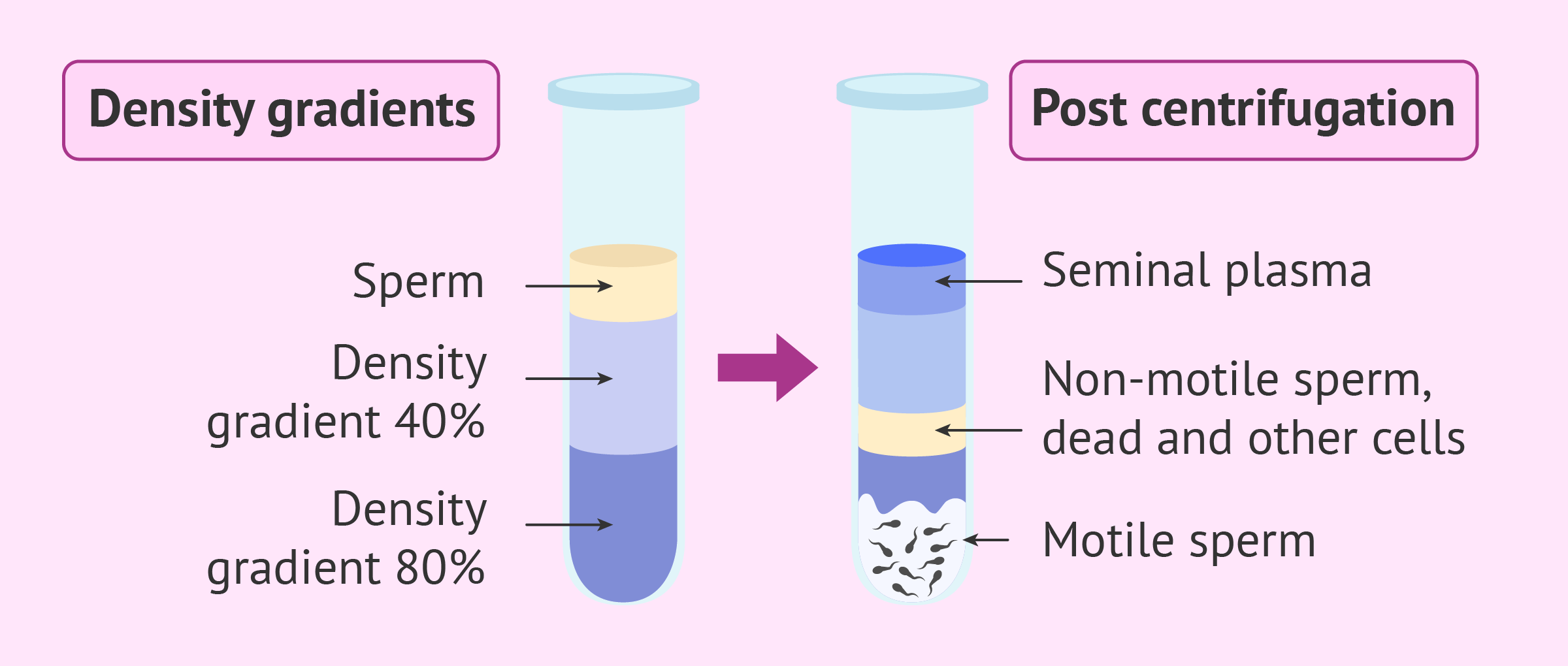
What is sperm cell capacitation? - definition and the in vitro techniques
"In vitro" sperm capacitation is a process that can be carried out using two techniques: swim-up or density gradient centrifugation. When "in vivo", it occurs within the female reproductive system. Read more
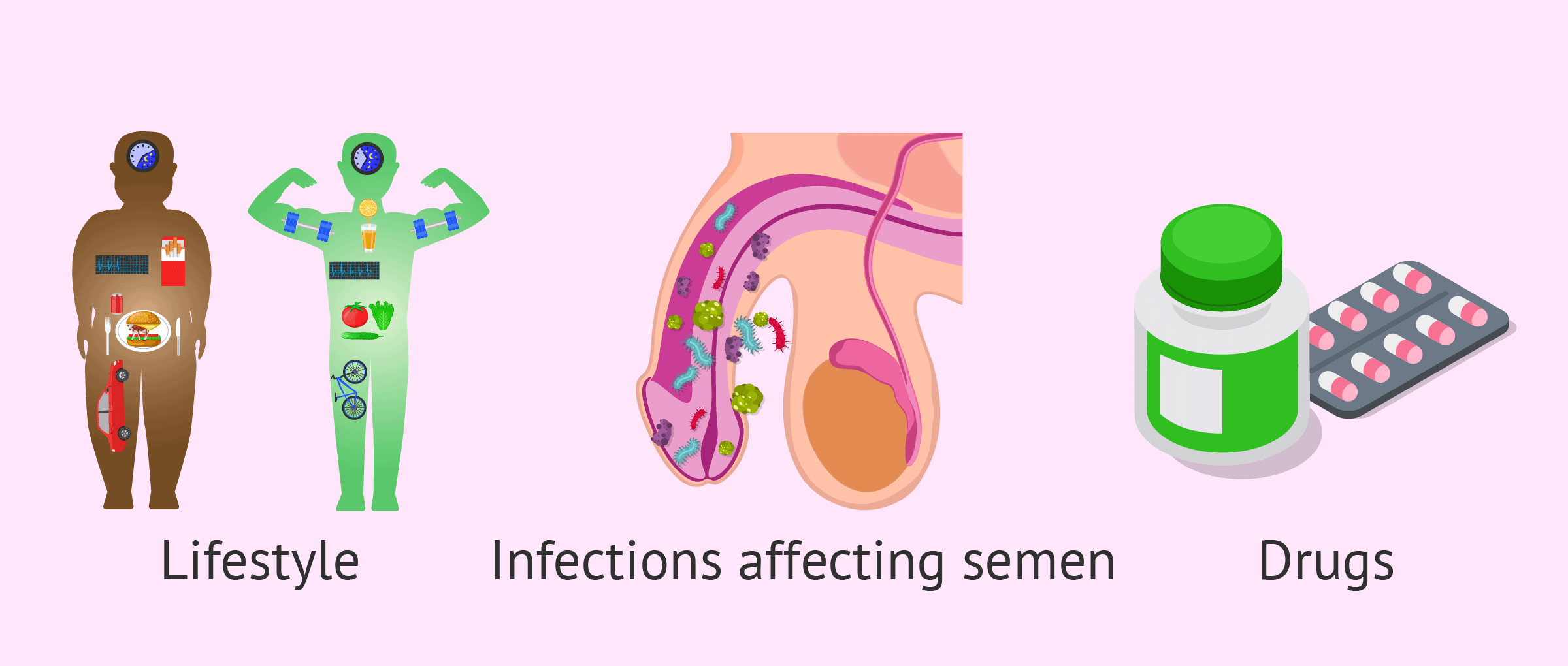
Are the causes of teratozoospermia reversible or not?
The causes of teratozoospermia or teratospermia are varied, and sometimes undetectable. In fact, depending on the cause, teratozoospermia can be treatable or untreatable. Read more
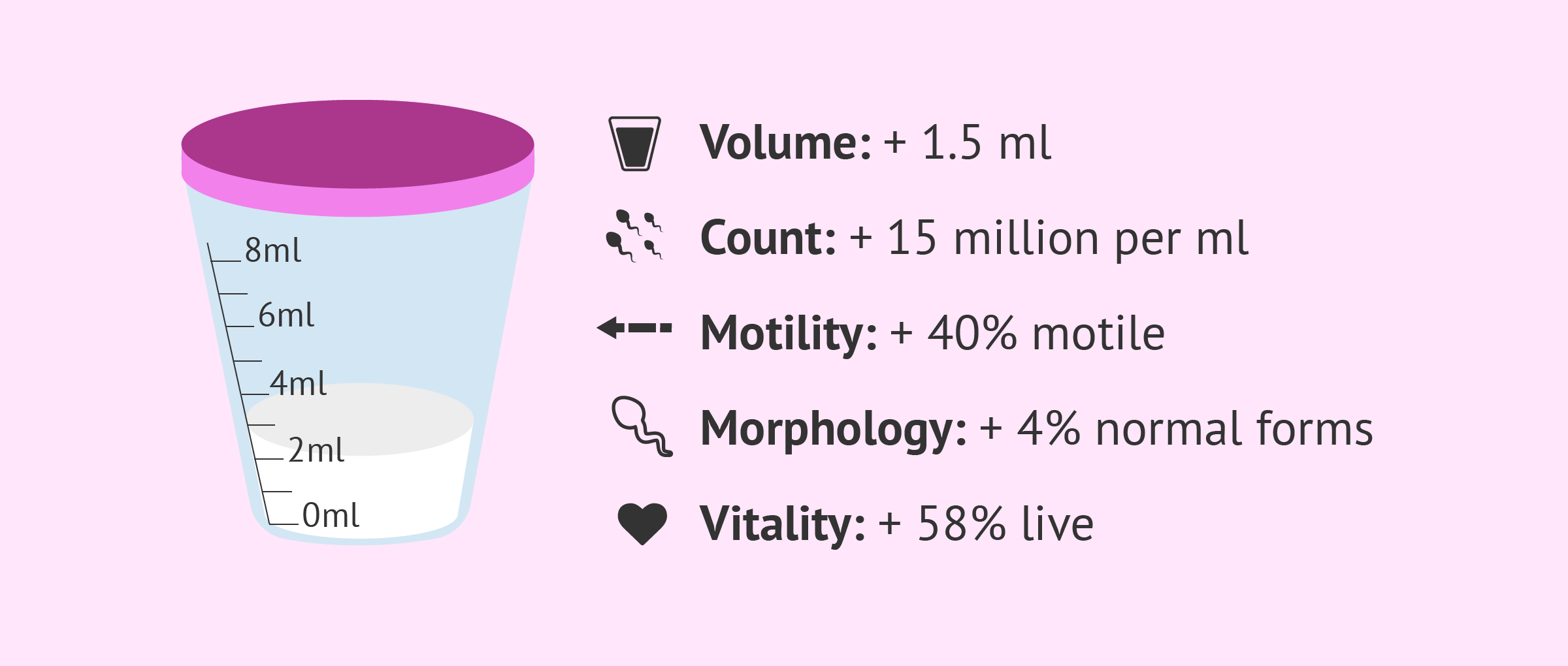
What Is Normozoospermia? - Meaning & Diagnosis
Normospermia is the medical term used to refer to normal sperm analysis results after examining the different sperm parameters. Thus, normozoospermia is every man's wish. Read more

