Chronic endometritis: the great truth in implantation failure
A team of researchers formed by Pavel Yakovlev, Darya Supranovich, Lyubov Yakovleva, Mariia Kornilova and Arina Kordys, from Next Generation Clinic, EVACLINIC IVF, Chuvash State University named after I.N. Ulyanov, Mari State University and Wesleyan University, has thoroughly analyzed the relationship between chronic endometritis and recurrent implantation failure.
Their conclusions shed light on one of the greatest doubts in assisted reproduction treatments.
The different sections of this article have been assembled into the following table of contents.
Contents
- 1.
- 2.
- 3.
- 4.
- 5.
What is chronic endometritis?
Chronic endometritis is a localized and persistent inflammatory alteration in the endometrium (the inner lining of the uterus), characterized by the infiltration of plasma cells (immune system cells).
In the field of fertility and assisted reproduction, it has been proposed that this silent and almost always asymptomatic inflammation could be to blame for good quality embryos failing to nest in the uterus, that is, as a factor that could contribute to recurrent implantation failure.

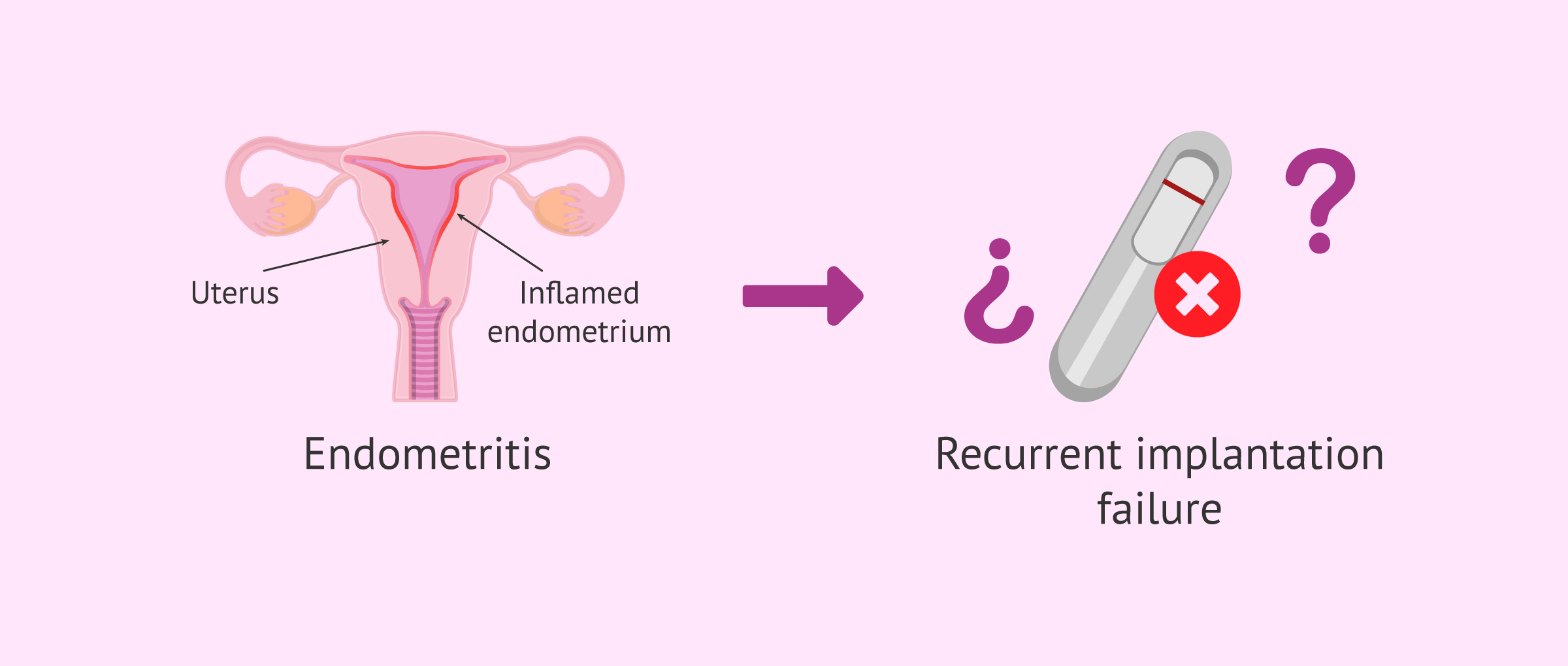
This has made it a topic of great interest in assisted reproduction clinics.
The "myth" of implantation failure
Recent scientific data offer a much more reassuring perspective. True recurrent implantation failure, defined as repeated failure after the transfer of euploid embryos (with a normal chromosomal makeup), affects only a small percentage of patients, specifically between 2% and 5%.
Current clinical data on transfers of euploid embryos (genetically analyzed) show that cumulative implantation rates are high:
- 1st transfer: 55-65%.
- 2nd transfer: 80-85%.
- 3rd transfer: ~90%.
- 4th and 5th transfers: ~95% and ~98% respectively.
Furthermore, comparative studies suggest that the prevalence of chronic endometritis in women with recurrent implantation failure is no higher than in control populations. These findings indicate that the real impact of chronic endometritis on implantation failures might be much lower than previously assumed.
Difficulties in diagnosis
Accurately diagnosing this alteration remains a considerable medical challenge. Currently, its diagnosis is problematic due to the absence of standardized thresholds, the great variability in the timing of the cycle when the biopsy is performed, and the lack of consistency in histological interpretation.
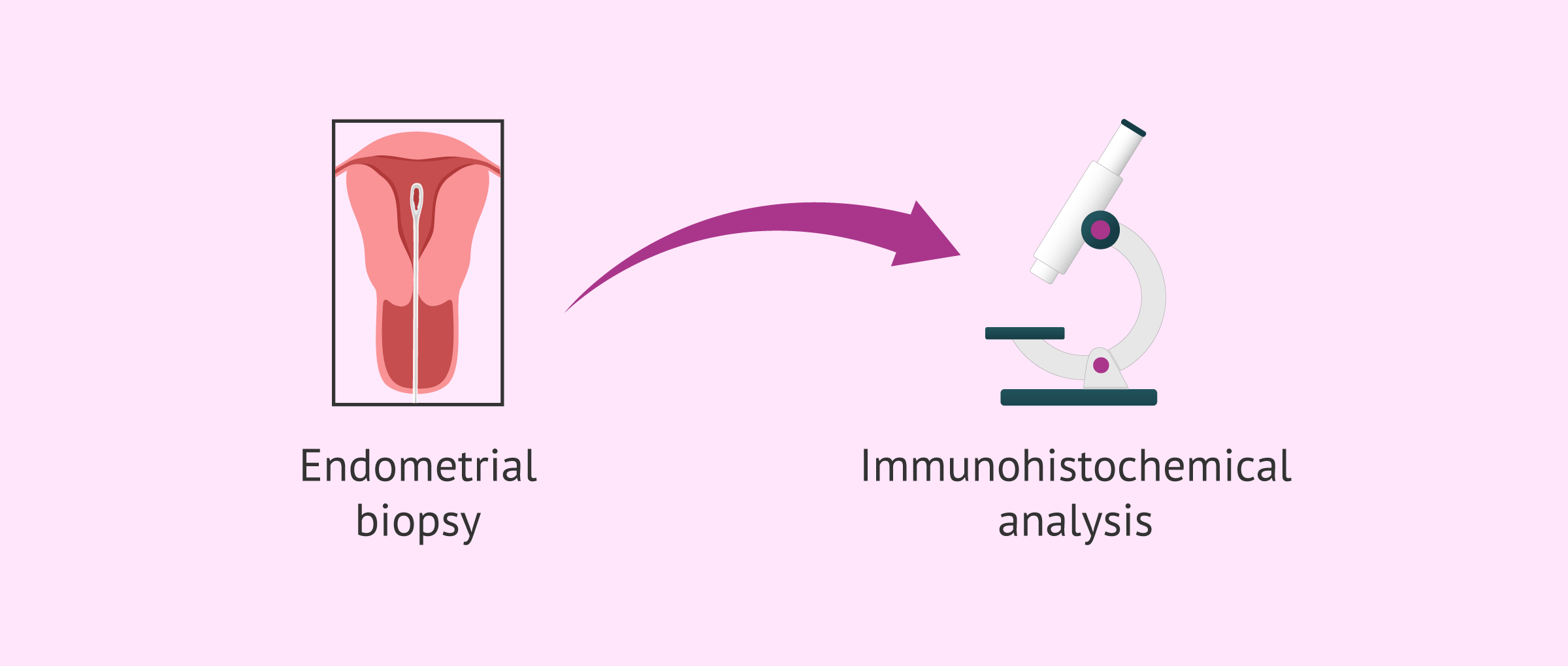
All this can lead to patients frequently being overdiagnosed with endometritis.
The risk of using antibiotics
Faced with this diagnostic uncertainty, antibiotic treatments are very frequently prescribed without having confirmed the presence of the causative pathogens. This routine practice raises serious medical concern. Evidence of its therapeutic benefit is very limited and inconsistent, which increases the risk of overdiagnosis, overtreatment, and fosters the dreaded antibiotic resistance due to unnecessary exposure.
Ultimately, the scientific community advocates that routine evaluation of this condition is not generally recommended and a selective and cautious clinical approach should be followed.
We make a great effort to provide you with the highest quality information.
🙏 Please share this article if you liked it. 💜💜 You help us continue!
References
Yakovlev P, Supranovich D, Yakovleva L, Kornilova M, Kordys A. Chronic Endometritis and Recurrent Implantation Failure: A Narrative Review of Clinical Relevance and Diagnostic Challenges. Reprod Fertil. 2026 May 22:RAF-25-0166. doi: 10.1530/RAF-25-0166. Epub ahead of print. PMID: 42171438. (View)