
The corpus luteum, latin for "yellow body", is a structure formed from the Graff follicle. The formation of this body takes place after ovulation, that is, when the secretory phase of the menstrual cycle begins.
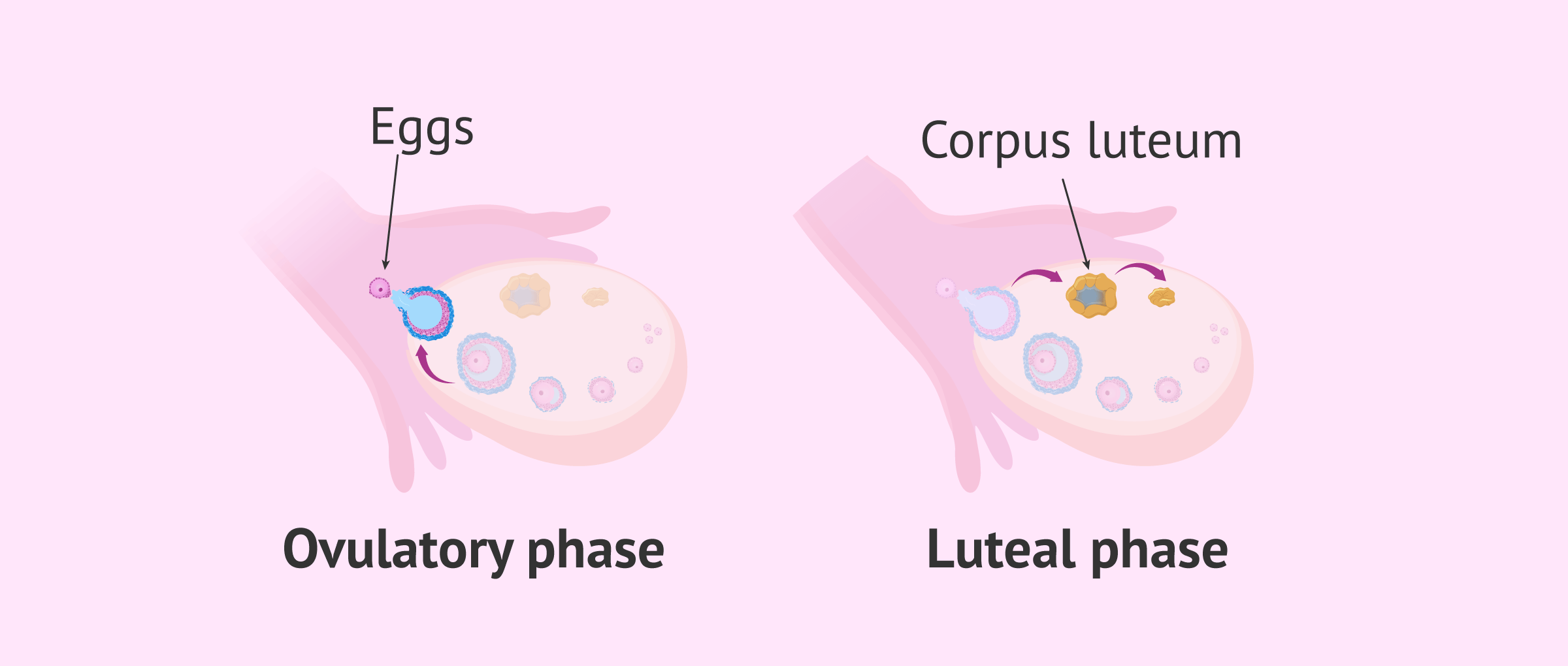
The corpus luteum is responsible for producing estrogen and progesterone. For this reason, the corpus luteum becomes larger when the egg is fertilized and can thus release hormones to help in pregnancy. On the other hand, the corpus luteum degenerates if fertilization of the released egg does not take place.
Community and Support
At inviTRA we work to make monthly and rigorous information accessible to everyone. If this article has helped you, consider supporting us so we can continue accompanying more people on their journey to parenthood.
Author

Find the latest news on assisted reproduction in our channels.

