11th week of pregnancy: troublesome symptoms diminish
From the 11th week of pregnancy, hormones begin to balance in the woman's body and, therefore, the morning sickness of the first week decreases.
The woman will feel much better, even if she already feels weight gain and discomfort in the lower abdomen due to the growing uterus.
The fetus looks more like a human baby in the 11th week of gestation, as its neck has stretched and its development continues very rapidly.
The different sections of this article have been assembled into the following table of contents.
Contents
- 1.
- 2.
- 3.
- 3.1.
- 3.2.
- 4.
- 4.1.
- 4.2.
- 4.3.
- 5.
- 6.
Growth of the fetus
In the eleventh week of pregnancy, the fetus is about 4-5 cm long and weighs approximately 7-8 g. It is still very small, but many of its major organs are already formed and beginning to function.


The most prominent changes in the fetus during this 11th week are as follows:
- The head stretches and the ears migrate to their final position. It is now more like that of a baby.
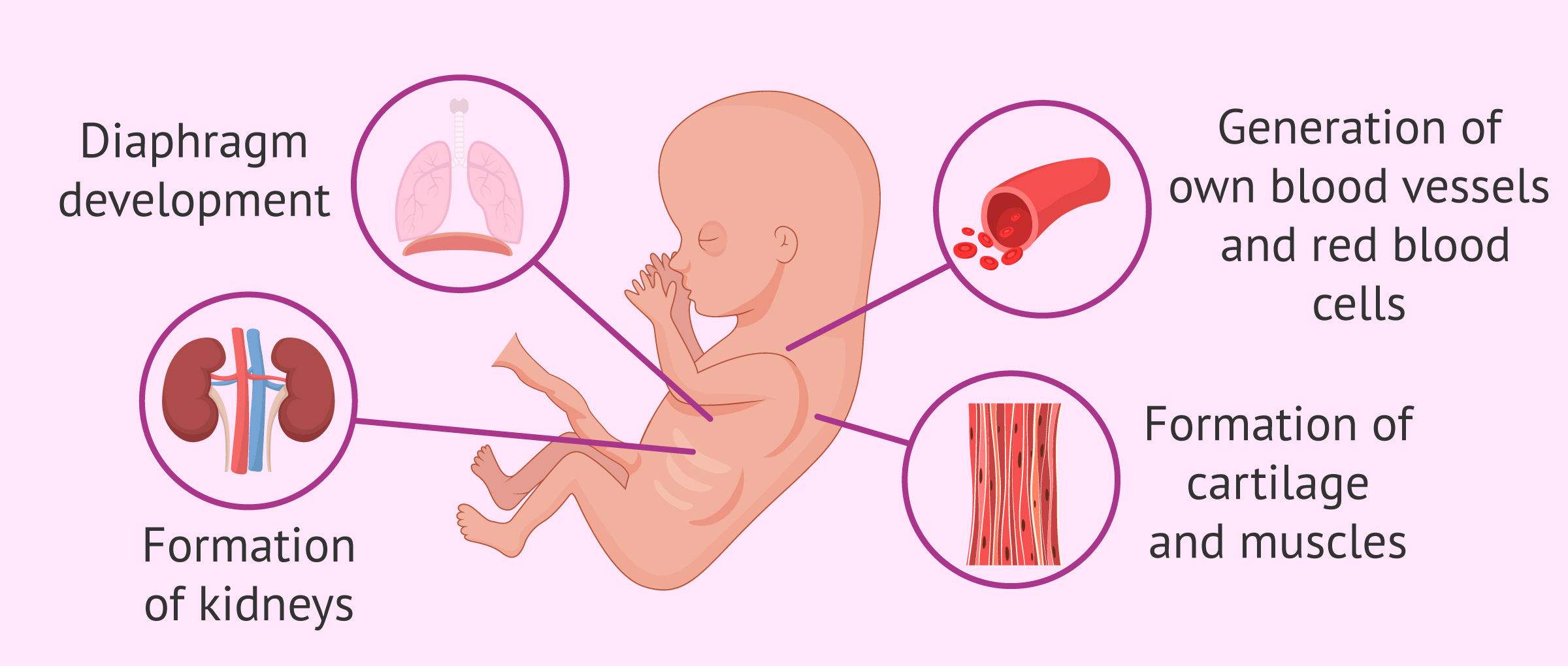
- Formation of kidneys that will produce fetal urine, the main component of amniotic fluid.
- Formation of blood vessels, cartilage and muscles.
- The fetus begins to generate its own red blood cells.
- Development of the diaphragm and appearance of hiccups. This is normal, as the fetus begins to swallow and make respiratory movements, which leads to aspiration of amniotic fluid.
- Formation of the teeth inside the gums.
- Development of the reproductive system: testicles or ovaries appear, depending on the sex, although they are not yet detected by ultrasound.
In addition, due to the growth of the fetus, the development of its muscles, and the strengthening of its bones, the fetus can move freely through the amniotic fluid: it stretches, kicks and moves its head.

The nourishment of the fetus depends solely on the placenta, which provides all the nutrients and vitamins necessary for its development through the blood that arrives through the umbilical cord.
The placenta is also responsible for the production of various hormones, including estrogens and progesterone, throughout gestation. It has already acquired its definitive shape but will continue to grow and thicken in the uterine wall.
Symptoms in the mother
The changes experienced by the mother in this week of pregnancy are positive. From now on, morning sickness and vomiting disappear, although some moms may take a little longer to get rid of this discomfort.
The volume of blood circulating in the body increases. This may cause the woman to feel fatigued, tire quickly, or have slight dizziness.
In addition, other symptoms that a woman may have in the 11th week of pregnancy include the following:
- Changes in nails or hair. Some feel it stronger and others weaker.
- The sense of smell becomes sharper and there is also increased salivation.
- Appearance of sun spots on the skin (chloasma gravidarum).
- Sensitive gums that may bleed. This is an effect of the hormone progesterone.
- Gastrointestinal discomfort: heartburn, gas and/or constipation.
- Leg cramps due to compression of the uterus in the veins that hinders venous return.

The uterus increases in size and some women already start to notice their belly. Stretching of the ligaments and muscles of the pelvis to accommodate pregnancy can cause discomfort in this area. Abdominal pain may also occur due to compression and distension of the round ligaments.
Care
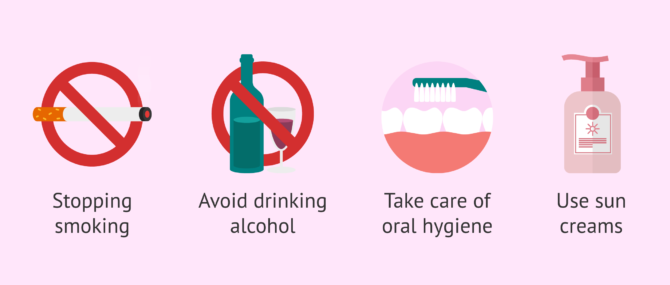
It is very important to start taking care of maternal health from the moment pregnancy is discovered. The first measures to adopt, as we have already mentioned in previous posts, are to stop smoking and drinking alcohol, as these habits are harmful to the fetus.
Other recommendations that can be taken into account in the third month of pregnancy are aimed at reducing bothersome symptoms. For example, taking care of oral hygiene and visiting the dentist.
As for the spots that may appear on the face due to the sun's rays, it is advisable to use sunscreen with a high protection factor or total sunscreen throughout pregnancy, especially in summer.
There is no contraindication to coloring or perming your hair during pregnancy. However, the hair may be much more sensitive at this stage and could become even weaker.
It is not yet necessary to buy maternity clothes, but it is advisable to start wearing looser clothes to be more comfortable and that do not tighten the belly.
Finally, special care throughout pregnancy is based on a healthy diet and daily exercise. These sections will be discussed below.
Nutrition
Nutrition is something that must be taken care of throughout pregnancy to ensure the development of a healthy and strong baby.
In general, pregnant women should eat a balanced diet based on fruits, vegetables, legumes, vegetables, and cereals.
Saturated fats or high-calorie foods should be consumed in moderation so as not to gain excess weight.
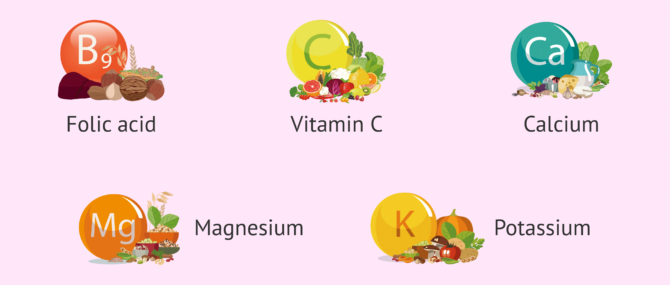
The most important is the supply of vitamins and minerals necessary for proper fetal development, such as folic acid, vitamin C, calcium, magnesium, and potassium. If these are not consumed in sufficient quantities through the diet, prenatal supplements will be necessary.
Strengthening the pelvic floor
Practicing sports is very beneficial for your health, but even more so during pregnancy. Exercise will improve a woman's strength and endurance and prepare her for childbirth. Pilates and swimming are some of the most recommended activities.
It is also very important to walk every day to reduce fatigue, insomnia, and cramps.
In addition, exercise helps pregnant women strengthen the pelvic floor. This is the set of muscles and ligaments that support and sustain the pelvic organs: the bladder, uterus, and rectum.

The pelvic floor has to bear a lot of weight during pregnancy and therefore tends to weaken as the weeks of gestation progress. The consequences of this are urinary incontinence, sexual dysfunction, and prolapse (dropping of an intra-abdominal organ), which poses a risk of premature delivery.
To exercise the pelvic floor muscles, pregnant women can do Kegel exercises daily: contracting and relaxing the muscles of the vagina.
If you want to get more detailed information about this, we recommend you to go to the following post: What are Kegel exercises?
FAQs from users
How many months are 11 weeks of pregnancy?
The eleventh week of gestation corresponds to the third month. Therefore, the first trimester is about to end.
Do I have to have an ultrasound at 11 weeks gestation?
If you are pregnant and have not yet had an ultrasound, you should visit your gynecologist to check that everything is going well and follow his or her instructions.
If you have already had your first ultrasound in a previous week, it is advisable to wait until week 12 to have the first trimester ultrasound, in which the fetal nuchal translucency is measured and the combined screening is performed.
Can you detect a twin pregnancy at 11 weeks?
Yes, an ultrasound scan will show both babies inside the uterus. In addition, the belly will have grown more and can already be seen at 11 weeks gestation.
Recommended readings
If you are in week 11, you are probably interested in reading more about how your pregnancy will progress. We recommend you to read the following article: 12th week of pregnancy.
From the 11th week of pregnancy, the fetal DNA detection test in maternal blood can also be performed to detect some genetic alterations. If you want to know what this consists of, you can visit the following article: Fetal DNA test in maternal blood.
We make a great effort to provide you with the highest quality information.
🙏 Please share this article if you liked it. 💜💜 You help us continue!
References
Antoni Borrell, Julian N Robinson, Joaquin Santolaya-Forgas. Clinical value of the 11- to 13+6-week sonogram for detection of congenital malformations: a review. Am J Perinatol. 2011 Feb;28(2):117-24. doi: 10.1055/s-0030-1263302 (View)
A Syngelaki, A Hammami, S Bower, V Zidere, R Akolekar, K H Nicolaides. Diagnosis of fetal non-chromosomal abnormalities on routine ultrasound examination at 11-13 weeks' gestation. Ultrasound Obstet Gynecol. 2019 Oct;54(4):468-476. doi: 10.1002/uog.20844 (View)
K H Nicolaides, V Heath, A W Liao. The 11-14 week scan. Baillieres Best Pract Res Clin Obstet Gynaecol. 2000 Aug;14(4):581-94.
K O Kagan, I Staboulidou, A Syngelaki, J Cruz, K H Nicolaides. The 11-13-week scan: diagnosis and outcome of holoprosencephaly, exomphalos and megacystis. Ultrasound Obstet Gynecol. 2010 Jul;36(1):10-4. doi: 10.1002/uog.7646 (View)