Goodbye PCOS: the new term that will change how we understand it
Durante décadas, millones de mujeres han convivido con un diagnóstico cuyo nombre, en realidad, no reflejaba adecuadamente lo que sucedía en sus cuerpos. Una reciente publicación histórica llevada a cabo por los especialistas Helena J Teede, Mahnaz Bahri Khomami, Rachel Morman, Joop SE Laven, Anju E Joham, Michael F Costello, Madhuri Patil, D Aled Rees, Lorna Berry, Melanie G Cree, Han Zhao, Robert J Norman, Anuja Dokras y Terhi Piltonen; Global Name Change Consortium, ha impulsado un cambio de paradigma a nivel mundial.
Juntos han determinado que el nombre clásico del síndrome de ovario poliquístico (SOP) obstaculizaba la atención médica y han establecido una nueva denominación oficial.
The different sections of this article have been assembled into the following table of contents.
Contents
- 1.
- 2.
- 3.
- 4.
- 5.
The historical mistake of the term PCOS
Polycystic ovary syndrome (PCOS) is a very common condition in gynecology and assisted reproduction clinics, as it affects one in eight women. However, the scientific community has recognized that the term PCOS is inaccurate, as it misleadingly suggests the existence of pathological ovarian cysts.
In reality, what is observed in the ovaries are not true pathological cysts, but follicles whose development has stopped. The use of an incorrect term has had serious consequences:
- It hides the patient's various endocrine and metabolic characteristics.
- It contributes to significant delays in diagnosis, leaving up to 70% of affected people without a clear diagnosis.
Furthermore, it fosters stigmatization and fragmentation in medical care.
PMOS: The key new diagnosis
Faced with this need for evolution, an unprecedented global consensus process has emerged. The result is that the condition previously known as polycystic ovary syndrome now has a new name: polyendocrine metabolic ovarian syndrome, known by its acronym as PMOS. This new name was carefully chosen because it accurately reflects the multisystemic pathophysiology of the condition.

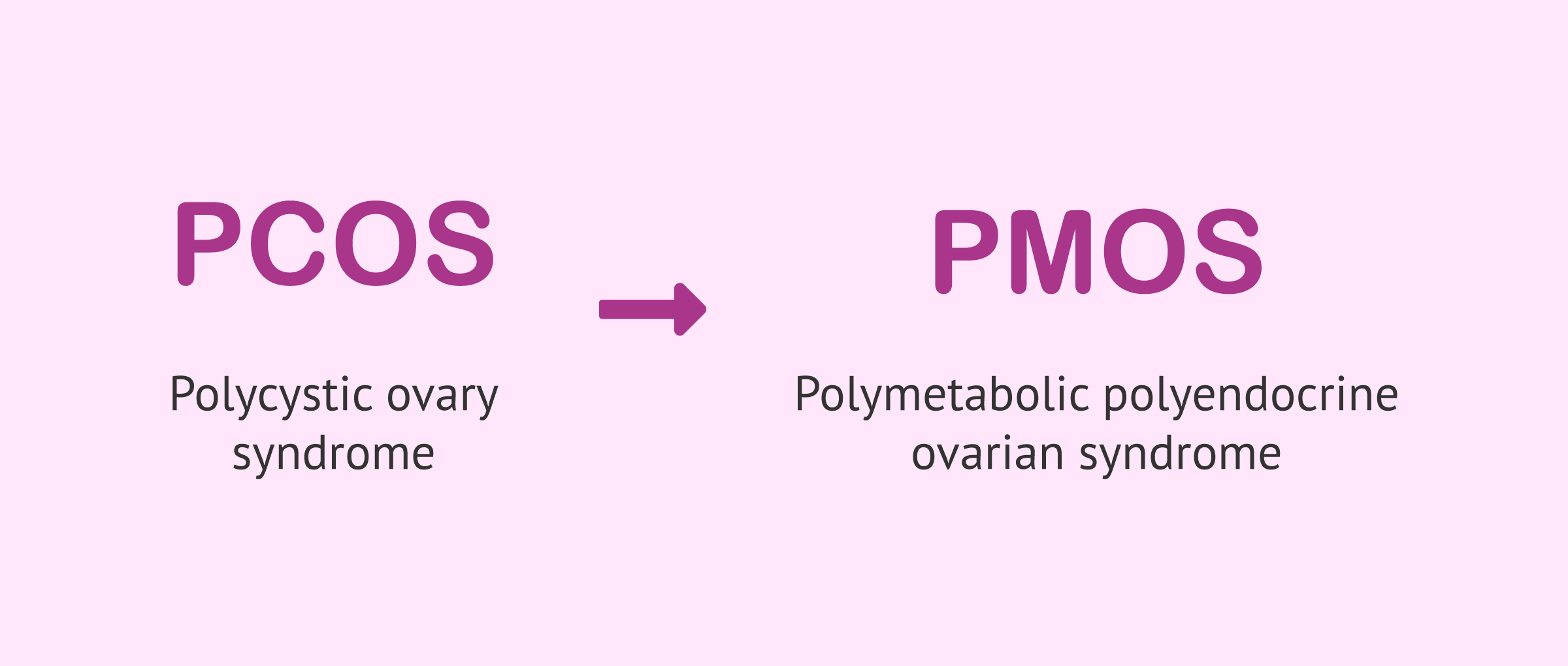
By omitting the word cysts, generalized confusion is eliminated and the true essence of the condition is captured: a combined endocrine, metabolic, and ovarian dysfunction.
Real impact of PMOS on health
To understand the importance of PMOS, it is necessary to understand that its characteristics go far beyond a simple ovarian or gynecological problem. Science and international guidelines have shown that this condition is underpinned by endocrine alterations related to insulin, androgens, and ovarian hormones. The syndrome encompasses multiple body systems:
- Reproductive traits: ovulatory alterations, irregular menstrual cycles, difficulties in achieving pregnancy, gestational complications, and endometrial cancer.
- Metabolic traits: greater predisposition to glucose alterations, hypertension, dyslipidemia, and even sleep apnea.
- Dermatological traits: acne, alopecia, or hair growth in areas that are not common in women.
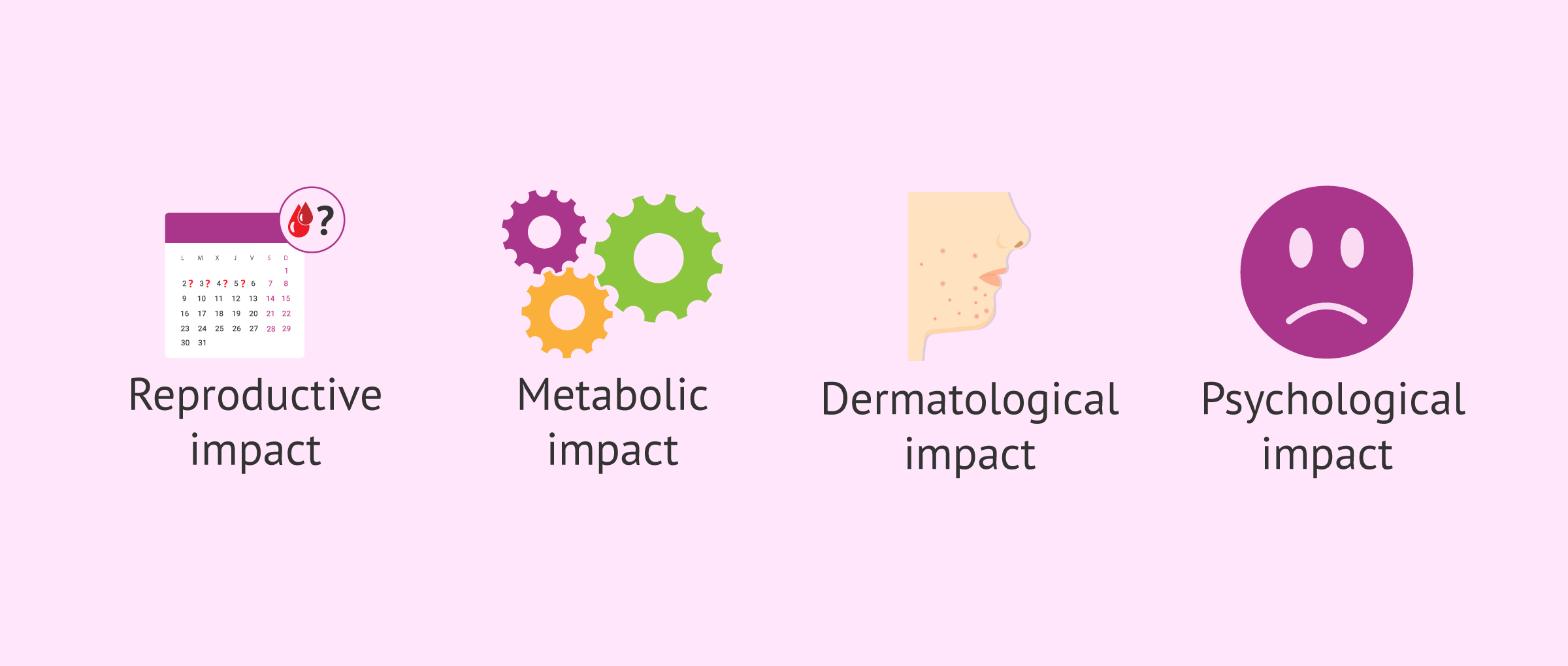
In addition, it also has psychological traits, such as depression, anxiety, poor quality of life, and eating disorders.
The future of patients with PMOS
The path towards the full adoption of the name polyendocrine metabolic ovarian syndrome (PMOS) is already underway. A global implementation strategy has been designed that includes a structured transition and refinement period over 3 years.
This scientific evolution will allow for greater awareness, improving diagnosis and the quality of medical care, eliminating the anxiety caused by an obsolete name and providing a truly comprehensive approach to women suffering from this syndrome.
We make a great effort to provide you with the highest quality information.
🙏 Please share this article if you liked it. 💜💜 You help us continue!
References
Teede HJ, Khomami MB, Morman R, Laven JSE, Joham AE, Costello MF, Patil M, Rees DA, Berry L, Cree MG, Zhao H, Norman RJ, Dokras A, Piltonen T; Global Name Change Consortium. Polyendocrine metabolic ovarian syndrome, the new name for polycystic ovary syndrome: a multistep global consensus process. Lancet. 2026 May 12:S0140-6736(26)00717-8. doi: 10.1016/S0140-6736(26)00717-8. Epub ahead of print. PMID: 42119588. (View)