
A new review study addresses how male age influences fertility and assisted reproduction treatments. The research has been carried out by the authors Dimitrios Diamantidis, Konstantinos Nikolettos, Nektaria Kritsotaki, Angeliki Tiptiri-Kourpeti, Nikolaos Nikolettos, Georgios Tsakaldimis, Stilianos Giannakopoulos and Christos Kalaitzis.
These experts belong to the Department of Urology, the Department of Obstetrics and Gynecology and the Laboratory of Reproductive Physiology-IVF of the Democritus University of Thrace (Greece); to the Department of Gynaecological Oncology of the Maidstone and Tunbridge Wells NHS Trust (United Kingdom); and to the Genesis Athens-Thrace Medically Assisted Reproduction Unit (Greece).
The study analyzes whether delaying fatherhood affects embryo development or outcomes.
Provided below is an index with the 6 points we are going to expand on in this article.
How does paternal age affect?
As men get older, especially from 40 or 45 years of age, changes occur in the sperm. Although conventional semen analysis (seminogram) may appear normal, male aging is linked to invisible alterations in sperm:
- Increased DNA fragmentation: the genetic material of the sperm can suffer more damage or breakage.
- Oxidative stress: reproductive cells are more exposed to oxidation.
- Epigenetic changes: the way sperm DNA is expressed is modified.
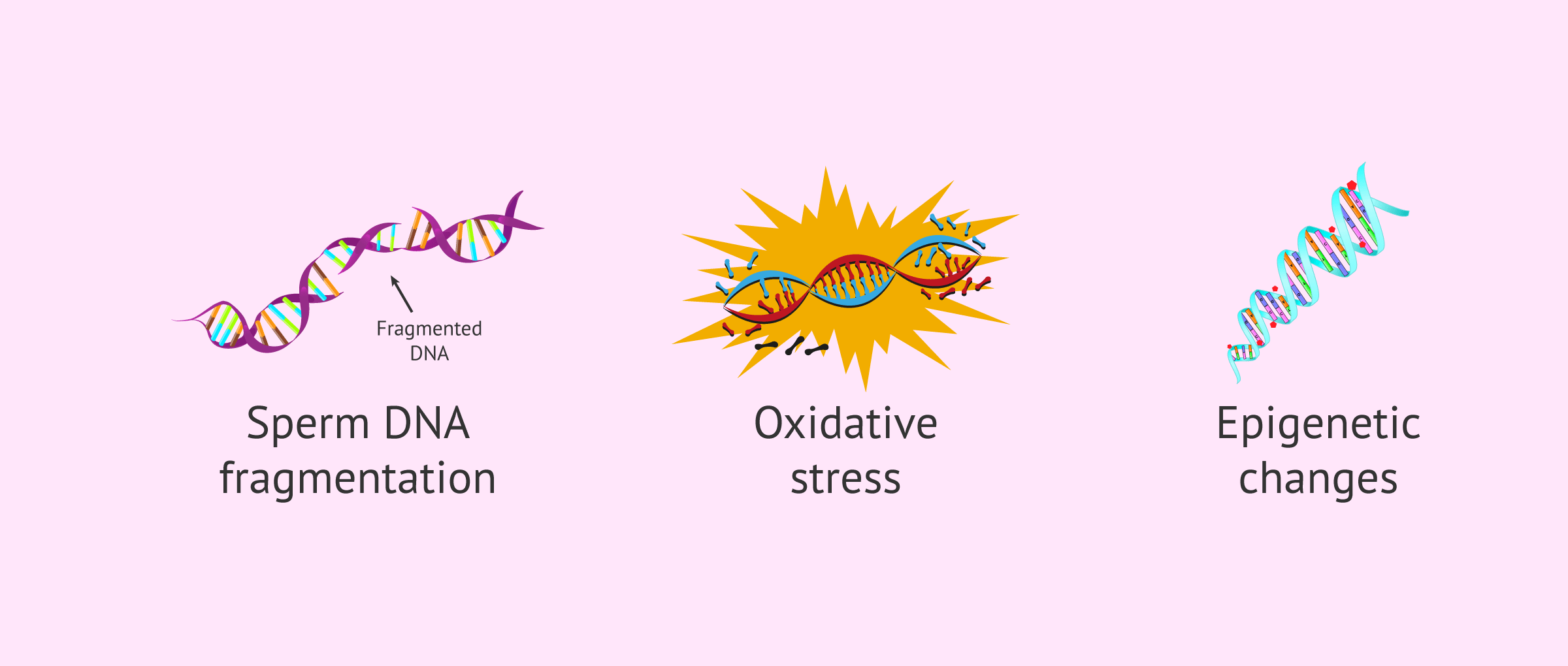
Despite these biological changes, the real impact on the success rates of assisted reproduction treatments is moderate. At very advanced ages, around 50 years or older, some studies point to an increased risk of miscarriage and a lower live birth rate.
Key role of maternal age
It is essential to understand that paternal age works as a risk-modifying factor, but it is not the main cause of preimplantation failures. The woman's age would be the most important determining factor.
- The risk of alterations in the number of chromosomes of the embryo depends largely on the maternal egg.
- Once maternal age data is taken into account, the independent effect of the father's age on blastocyst formation is very small.
Therefore, when evaluating the chances of achieving an ongoing pregnancy, specialists analyze the overall context of the couple, but always giving high priority to the quality of the egg.
Recommendations for fathers
If a man is considering becoming a father after the age of 40, there are various strategies to optimize sperm quality and improve reproductive outcomes:
- Improve lifestyle: maintaining a healthy weight, avoiding tobacco, and taking care of the diet helps reduce oxidative stress in the body.
- Complementary tests: in cases of repeated failure to reach the blastocyst stage or recurrent miscarriages, it may be useful to analyze sperm DNA fragmentation.
- Reproduction laboratory: it is vital that embryologists use techniques that minimize oxidative stress during the handling of the seminal sample.
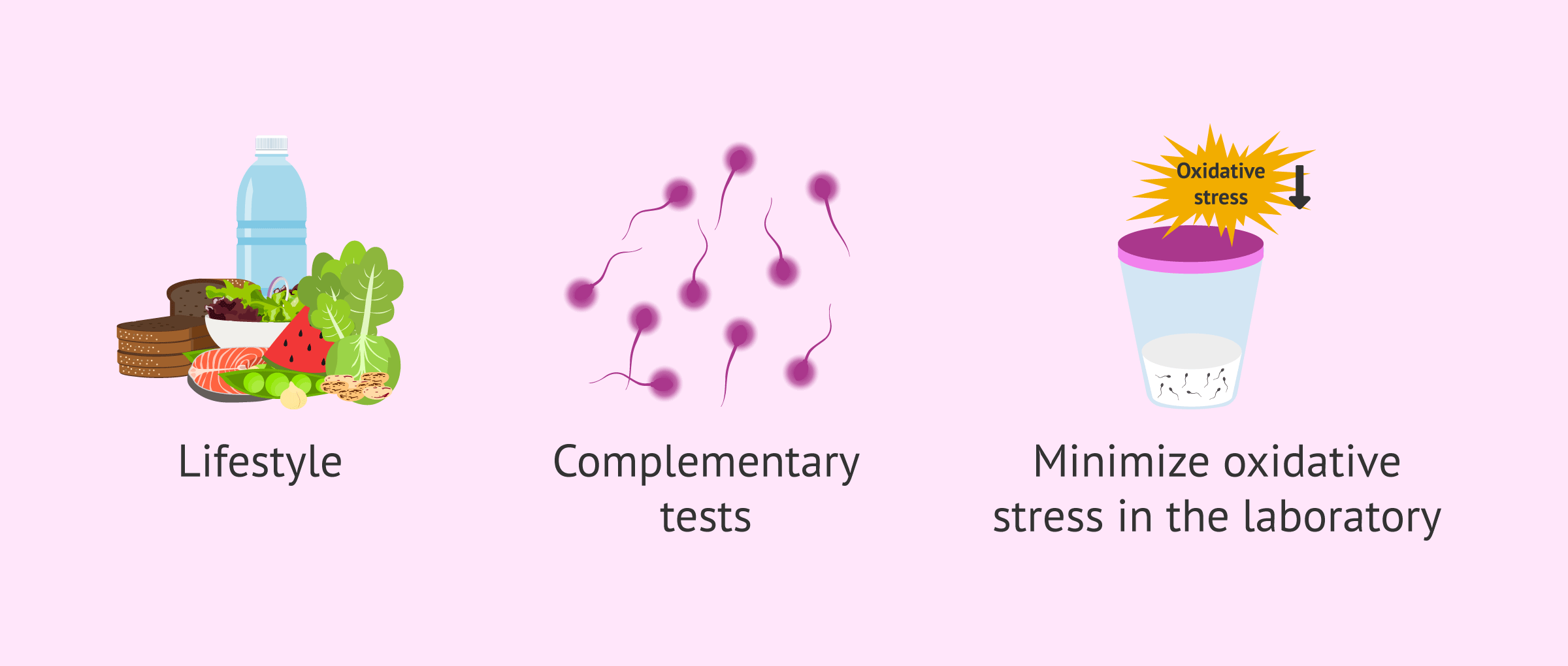
In conclusion, although the male biological clock is also ticking, the adoption of healthy habits and good advice at the clinic are the best tools to achieve the desire to become parents.
Community and Support
At inviTRA we work to make monthly and rigorous information accessible to everyone. If this article has helped you, consider supporting us so we can continue accompanying more people on their journey to parenthood.
References
Diamantidis D, Nikolettos K, Kritsotaki N, Tiptiri-Kourpeti A, Nikolettos N, Tsakaldimis G, Giannakopoulos S, Kalaitzis C. Clinical Implications of Paternal Age in Assisted Reproduction: Integrating Sperm Epigenetic Evidence. J Clin Med. 2026 Feb 7;15(4):1324. doi: 10.3390/jcm15041324. PMID: 41753012; PMCID: PMC12941033. (View)


