
A team of researchers consisting of Francesca Masiello, Ilaria Pati, Vanessa Piccinini, Simonetta Pupella, Vincenzo De Angelis, and Mario Cruciani, from the National Blood Centre of the Italian National Institute of Health in Rome, has published a comprehensive review on the use of platelet-rich plasma (PRP) in assisted reproduction.
This study pools data from 25 systematic reviews to assess whether this technique truly improves the chances of achieving a full-term pregnancy.
Provided below is an index with the 6 points we are going to expand on in this article.
Benefits of PRP in fertility
Platelet-rich plasma is a derivative of one's own blood that contains a high concentration of platelets and growth factors. In recent years, it has begun to be used in fertility treatments to try to regenerate tissues and improve uterine receptivity.
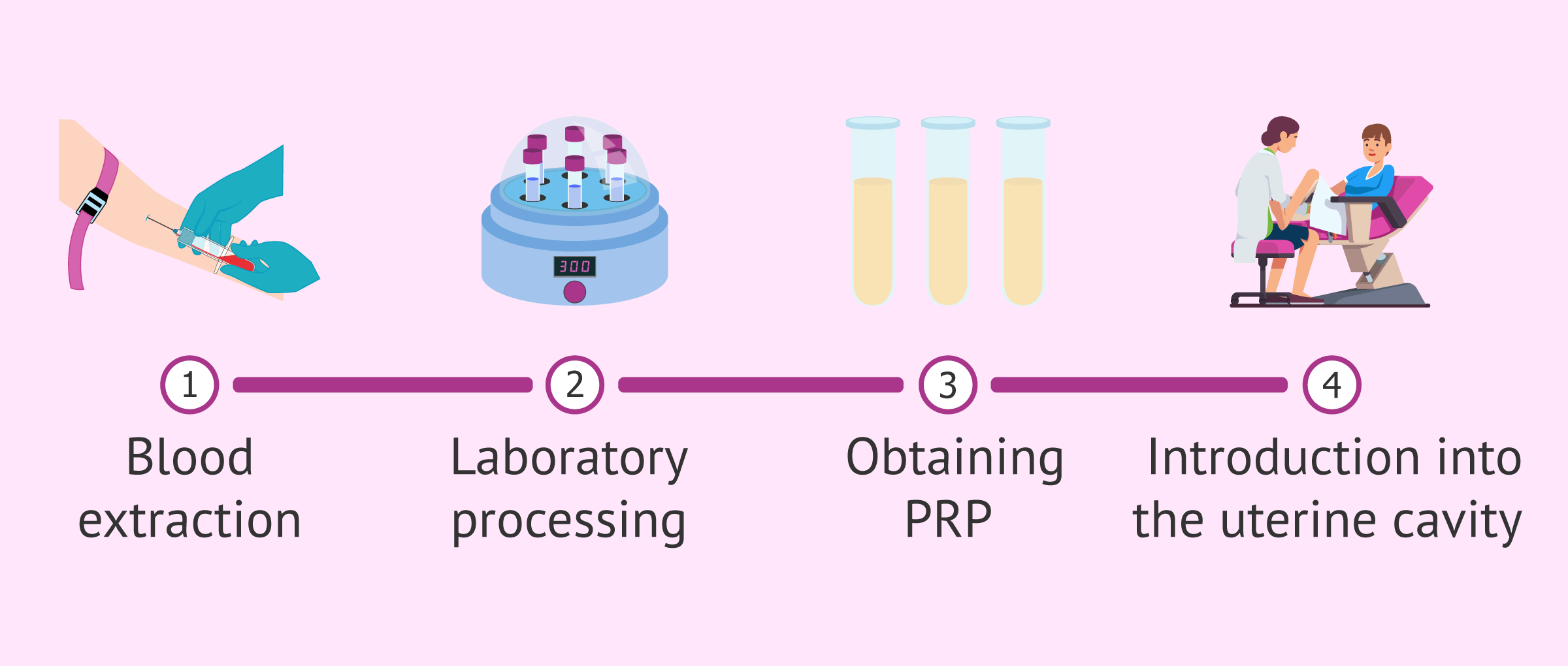
This preparation, PRP, when introduced into the uterine cavity or ovaries, stimulates proliferation and angiogenesis processes that help the tissues become more favorable for the complex reproductive process.
Improved outcomes with platelet plasma
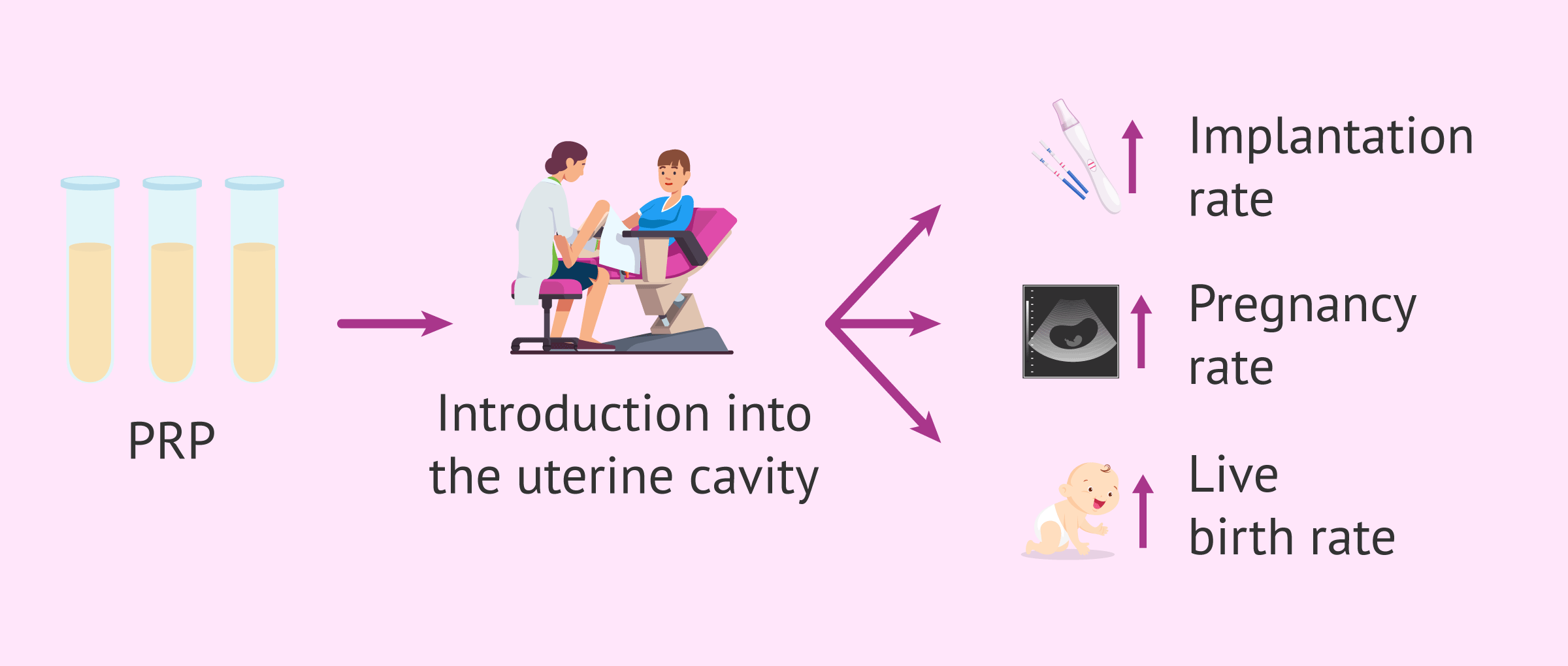
After analyzing several studies with different approaches, the results of the review indicate that PRP provides advantages in fertility treatments. When comparing women who received the PRP infusion with those who followed a standard or control treatment, the following findings were observed:
- Increase in clinical pregnancy and biochemical pregnancy rates.
- Improvement in embryo implantation rates in the uterus.
- Increase in the final probability of having a live-born baby.
The certainty of these benefits ranges from very low to high, commonly being of low or moderate level. This is due to differences in how the treatments were applied in each study included in the systematic reviews analyzed in this review.
Therefore, further research is necessary to draw clearer and more robust conclusions regarding PRP in assisted reproduction treatments.
Security and effects of PRP therapy
When considering complementary techniques in reproductive medicine, safety is an indispensable factor. The compiled research shows a highly favorable profile regarding possible complications derived from the treatment:
- Adverse events directly related to PRP administration (such as pain, infections, or allergic reactions) are very rare and seldom reported.
- No differences in the miscarriage rate have been detected between groups using PRP and control groups.
- The risk of suffering an ectopic pregnancy or a multiple pregnancy also does not show an increase linked to the use of this plasma.
Despite confirming its clinical viability, the scientific community insists on the future need to establish highly standardized protocols regarding the exact doses and the optimal timing for PRP infusion, thus guaranteeing the best possible results consistently.
Community and Support
At inviTRA we work to make monthly and rigorous information accessible to everyone. If this article has helped you, consider supporting us so we can continue accompanying more people on their journey to parenthood.
References
Masiello F, Pati I, Piccinini V, Pupella S, De Angelis V, Cruciani M. Platelet rich plasma for assisted reproduction: an overview of systematic reviews. Blood Transfus. 2025 Jul-Aug;23(4):322-337. doi: 10.2450/BloodTransfus.937. Epub 2025 Apr 15. PMID: 40423588; PMCID: PMC12274202. (View)


