
ovarian stimulation
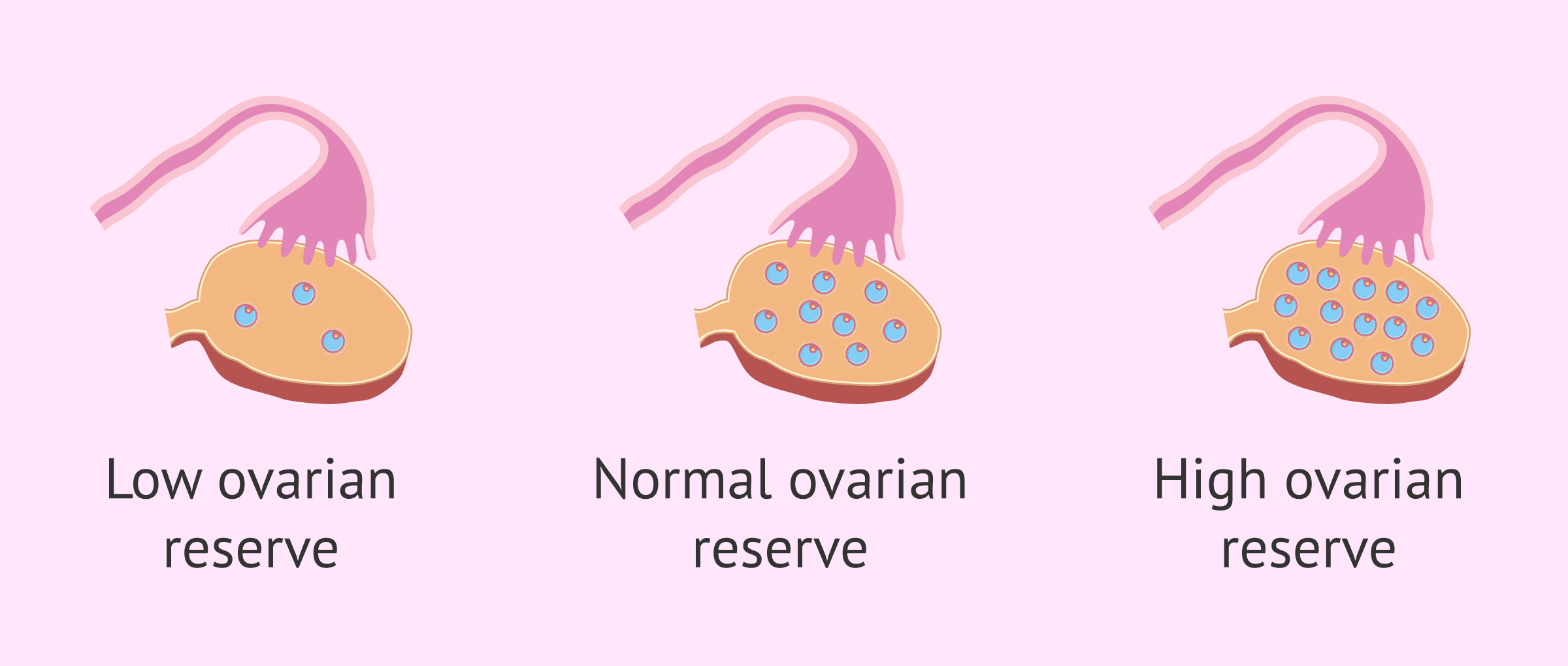
Ovarian reserve tests: What they are and how to interpret them
Ovarian reserve refers to the number of eggs still remaining in a woman's ovary at a given time. Currently, there are several methods to measure a woman's ovarian reserve, but the most commonly used are antral follicle count (AFR) and anti-Müllerian hormone (AMH) determination. Read more
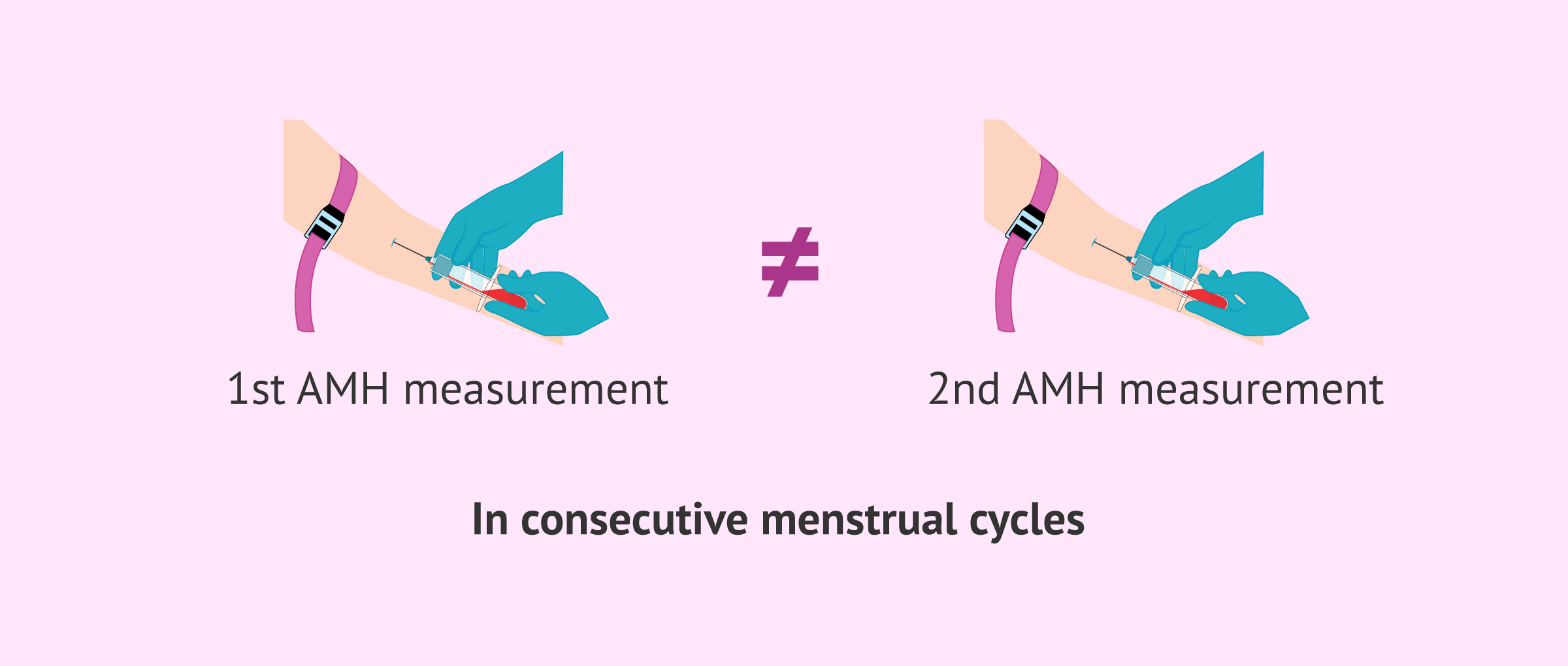
Anti-Müllerian Hormone: Is a single ovarian reserve test enough?
A new study reveals that Anti-Müllerian Hormone (AMH) varies by 44% from one cycle to another, which can cause misdiagnoses of ovarian reserve. Discover why repeating the test just before treatment improves the prognosis of the eggs obtained. Read more
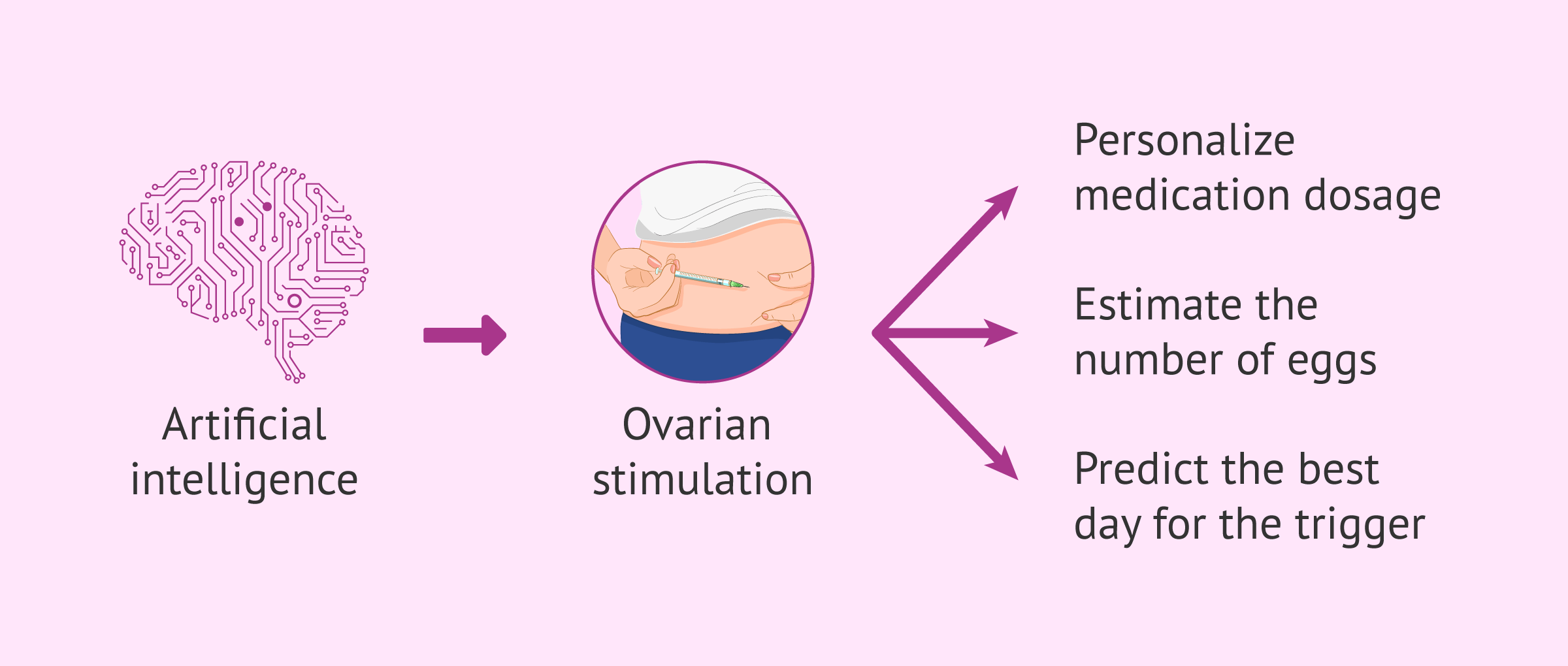
Artificial Intelligence in IVF: Advances for Fertility
Artificial intelligence is revolutionizing assisted reproduction. This technology allows for the personalization of ovarian stimulation, improves the selection of eggs, sperm, and embryos, and optimizes laboratory work, which promises to significantly increase success rates in the near future.
Read more
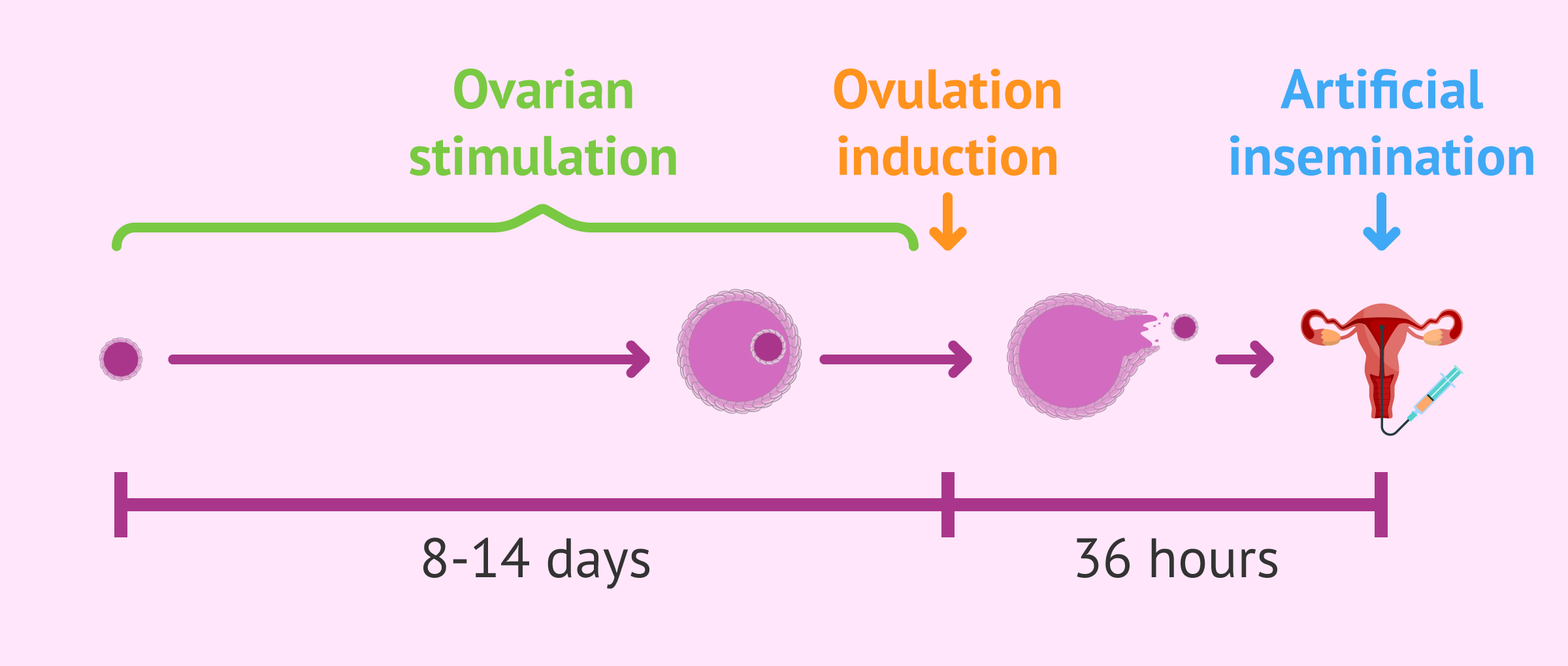
Controlled ovarian stimulation in Artificial Insemination (AI)
The drugs used in artificial insemination produce a controlled ovarian stimulation in order to increase the probability of pregnancy. Read more

The role of men in assisted reproduction techniques
The woman gets most of the attention when a heterosexual couple visits a fertility center. However, the man's role should not be in the background, but both should feel involved and active to achieve a common vital project such as having their baby. Read more

What differences exist between artificial insemination and IVF?
Artificial insemination and in vitro fertilization are two widely used assisted reproductive techniques to help infertile couples achieve pregnancy. Both techniques differ in terms of difficulty, price and success rates. Read more

Menopur: Patient's Manual for Ovarian Stimulation in IVF
Menopur is the name of a medicine used in some assisted reproduction techniques in order to stimulate the woman’s ovulation. It is chemically composed by the Human Menopausal Gonadotropin. Read more
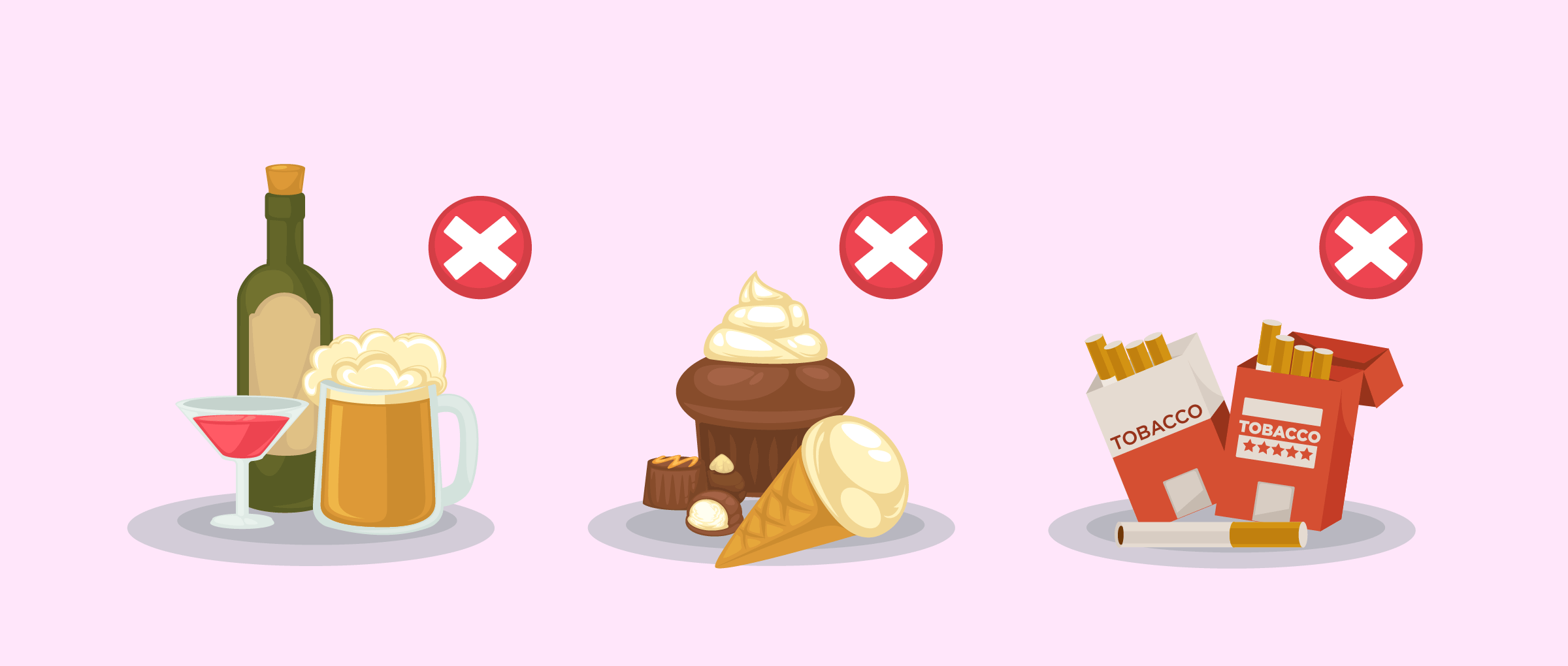
To What Extent Do Lifestyle Factors Affect Reproductive Health?
Unhealthy lifestyle habits, including tobacco and alcohol use, decrease the chances for couples to conceive naturally, as well as the outcomes of fertility treatments. They affect pregnancy and fetal health, too. Read more

What is Utrogestan? - Contraindications and adverse effects
Utrogestan is a natural progestogen used in assisted reproduction treatments as well as for other menstrual cycle disorders. Read more

hMG (human menopausal gonadotropin): administration and price
hMG is a gonadotropin that is used as a drug for controlled ovarian stimulation in in vitro fertilization and artificial insemination cycles. Read more

What Is Ovitrelle & What Is It Used For?
Ovitrelle is a medicine used in assisted reproduction in order to optimise endometrial receptivity, increasing thus the number of eggs available to be used within the prescribed treatment. Read more

Fertility treatments for couples: how to achieve pregnancy?
Each couple is different and, therefore, assisted reproduction treatments are not universal or the same for all patients. In each fertility treatment, a personalized diagnosis and follow-up is performed to increase the chances of success and achieve the ultimate goal: pregnancy. Read more

