
Article
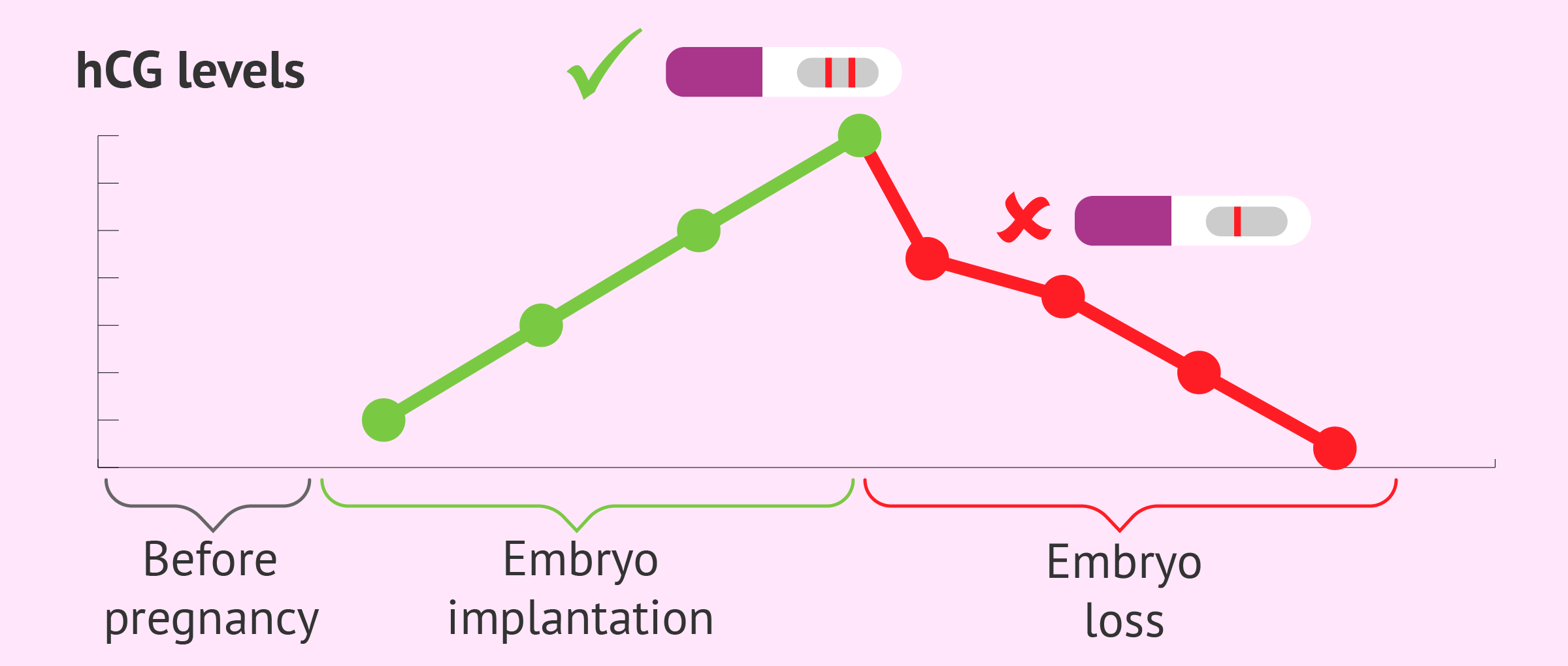
What Is a Chemical Pregnancy? - Symptoms, Causes & Treatment
A chemical pregnancy, also known as biochemical pregnancy, is a very early pregnancy loss that doesn't compromise a woman's future fertility or her chances of succeeding in subsequent IVF cycles.
Read more

Uncomfortable questions about fertility and assisted reproduction
Asking a couple when they are going to have children is always uncomfortable for them, since it is a subject that belongs to their privacy and intimacy. In addition, if the couple has fertility problems or has even had a previous miscarriage, such questions are especially painful.
Read more

What does the baby look like in the 38th week of pregnancy?
The probable due date is two weeks away, but it is an estimate and it is not known exactly when the baby will be born. Therefore, a woman should be attentive to any symptoms or changes she feels in her body that indicate that the time of delivery has arrived.
Read more

hMG (human menopausal gonadotropin): administration and price
hMG is a gonadotropin that is used as a drug for controlled ovarian stimulation in in vitro fertilization and artificial insemination cycles.
Read more

How to be a single mother? Fertility treatments and prices
Single women can become mothers through artificial insemination and in vitro fertilisation techniques thanks to a sperm donor. Another alternative for single women to become mothers is embryo adoption or donor sperm donation.
Read more

What Is Ovitrelle & What Is It Used For?
Ovitrelle is a medicine used in assisted reproduction in order to optimise endometrial receptivity, increasing thus the number of eggs available to be used within the prescribed treatment.
Read more
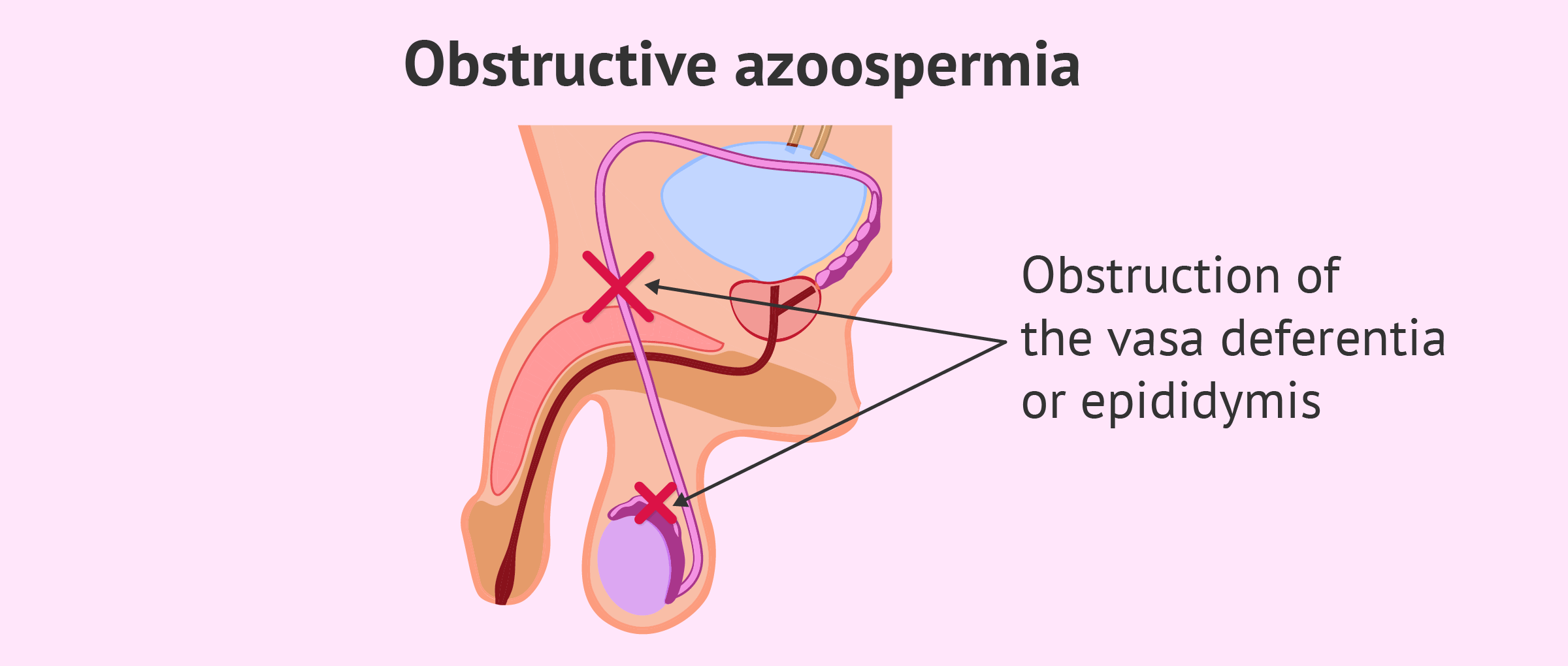
Obstructive Azoospermia - Causes & Treatment Options
Obstruction (blockages) of the seminal ducts prevent the embryos from being expelled to the outside during ejaculation.
Read more
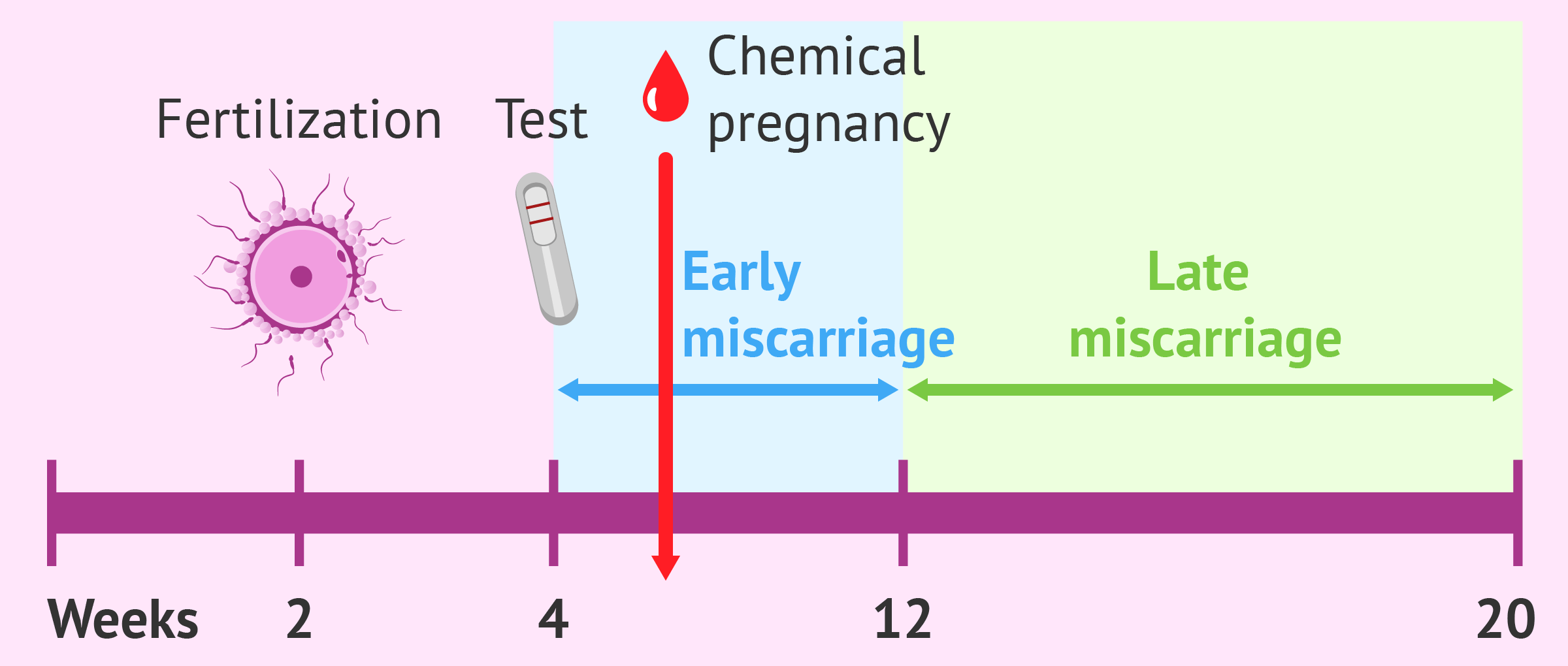
What Are the Different Types of Miscarriage? - Definition & Causes
There are several types of miscarriage, depending on her pregnancy history: miscarriage and recurrent abortion, the latter being the loss of a newborn three times in a row.
Read more

Invasive and Non-Invasive Prenatal Diagnostic Tests
Prenatal diagnostic tests that help analyze a baby's risk for disease differ in invasive and noninvasive. Depending on each case, the pregnant woman may be screened in the first trimester, tested for fetal DNA in maternal blood or amniocentesis.
Read more
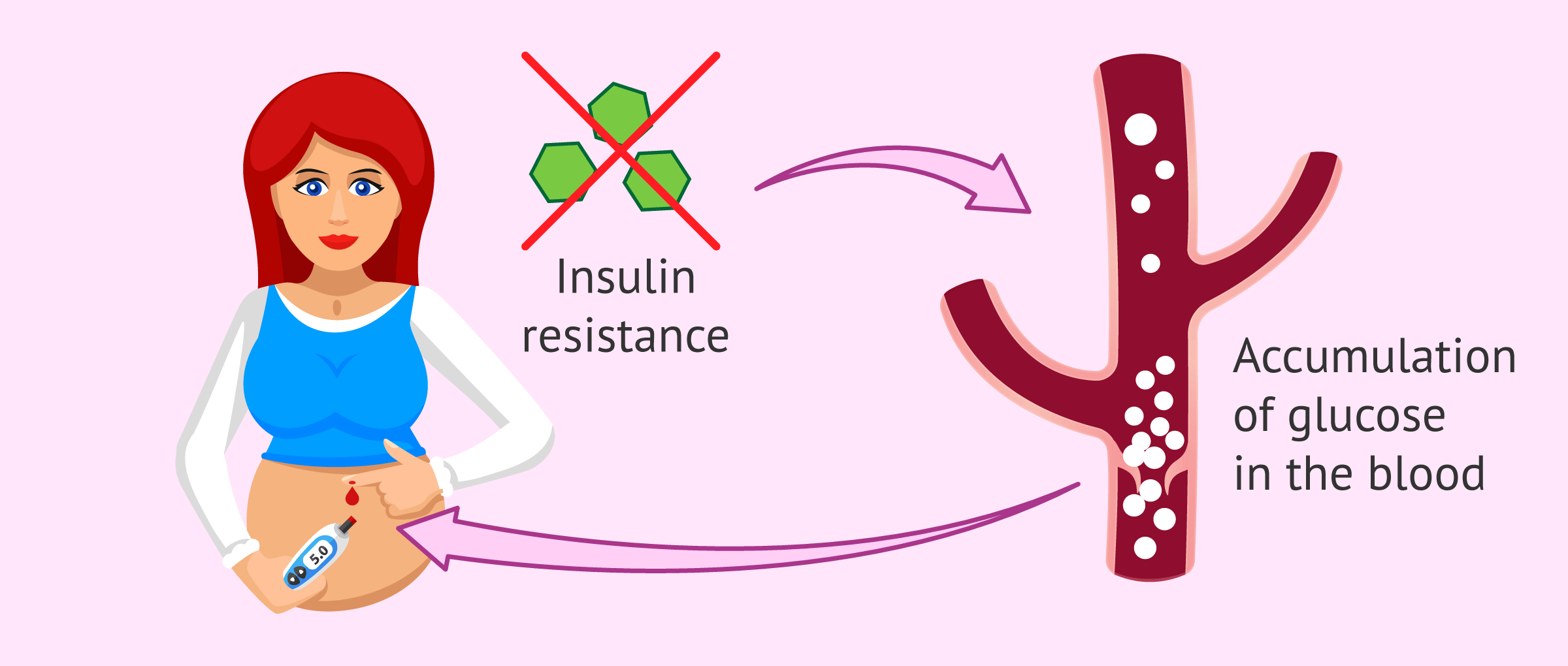
What Is Gestational Diabetes? - Symptoms, Causes and Treatment
Gestational diabetes occurs when the pregnant woman’s body does not produce enough amounts of insulin, which is necessary to reduce the increase in glucose levels that happens during pregnancy.
Read more

Success rates achieved for in vitro fertilization treatments (IVF)
The probability of achieving a pregnancy with in vitro fertilization (IVF) treatment depends on many factors, the most important of which is the woman's age. According to the latest data published by the SEF, the rate of delivery by embryo transfer is 25.8% when the woman's own eggs are used.
Read more

Uterine curettage - procedure, recovery and complications
Curettage is a gynecological technique that consists of scraping the tissue lining the inside of the uterus, that is, the endometrium, with the main purpose of removing the remains of an abortion or to obtain an endometrial sample for analysis. It is a simple procedure, which only takes about 15 minutes.
Read more

