Daily habits hide severe sperm DNA damage
La integridad del material genético del espermatozoide es vital para lograr un embarazo exitoso. Investigadores como Sandro C. Esteves y Peter Humaidan, pertenecientes a centros como ANDROFERT, la Universidad de Campinas, la Universidad de Aarhus y el Hospital Regional de Skive, han analizado a fondo cómo los daños en este ADN afectan a la reproducción.
The different sections of this article have been assembled into the following table of contents.
Contents
- 1.
- 2.
- 3.
- 4.
- 5.
What is sperm DNA fragmentation
It refers to small breaks or lesions in the DNA strands inside the sperm. When these breaks exceed the egg's natural capacity to repair them, which happens more frequently as maternal age advances, reproductive outcomes can worsen.
This situation increases the risk of implantation failure, pregnancy loss, and can compromise the health of the future baby.
Causes of DNA fragmentation in sperm
One of the hypotheses explains the origin of this damage through a two-stage process. First, an error occurs during sperm formation in the testicle, leaving its genetic material vulnerable.
Second, this sperm undergoes what is known as oxidative stress, which ultimately breaks its DNA strands. The most common causes include:
- Advanced paternal age: over the years, a man's antioxidant defenses decrease, and more genetic damage accumulates in the sperm.
- Lifestyle factors: conditions such as obesity, diabetes, or smoking increase inflammation and cellular damage.
- Medical conditions: genital tract infections and varicocele (enlarged veins in the scrotum) are determining risk factors.

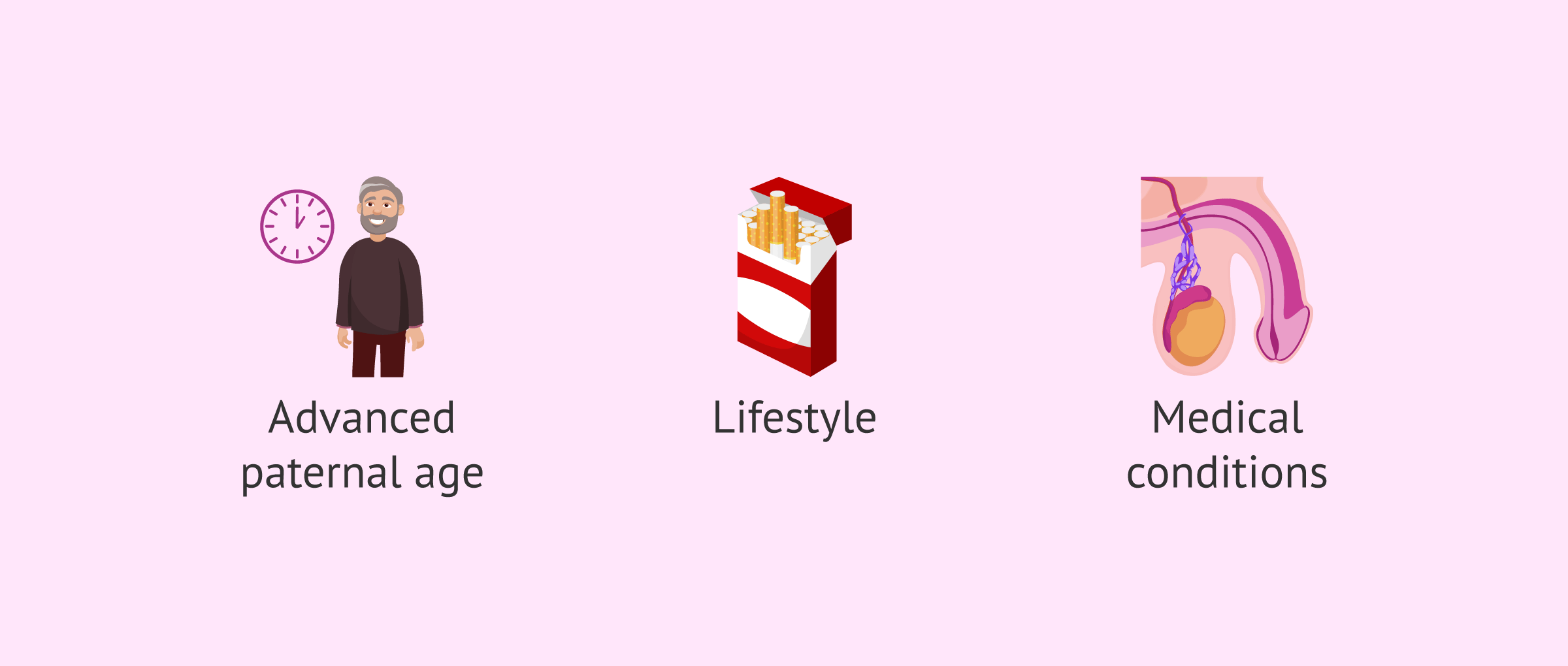
These factors demonstrate that sperm quality is highly sensitive to the environment and the man's overall health.
When should a sperm test be performed
A conventional semen analysis, or seminogram, does not detect these lesions, as it only evaluates the shape, count, and motility of the sperm. Therefore, there are specific advanced tests (such as TUNEL, SCSA, SCD, and Comet) that directly assess the levels of genetic breakage.
In general, this test is not recommended for all patients, but only in specific cases:
- Couples with unexplained infertility or when previous assisted reproduction treatments have failed.
- Patients who have suffered recurrent miscarriages.
- Men with clinical varicocele or those of advanced paternal age.
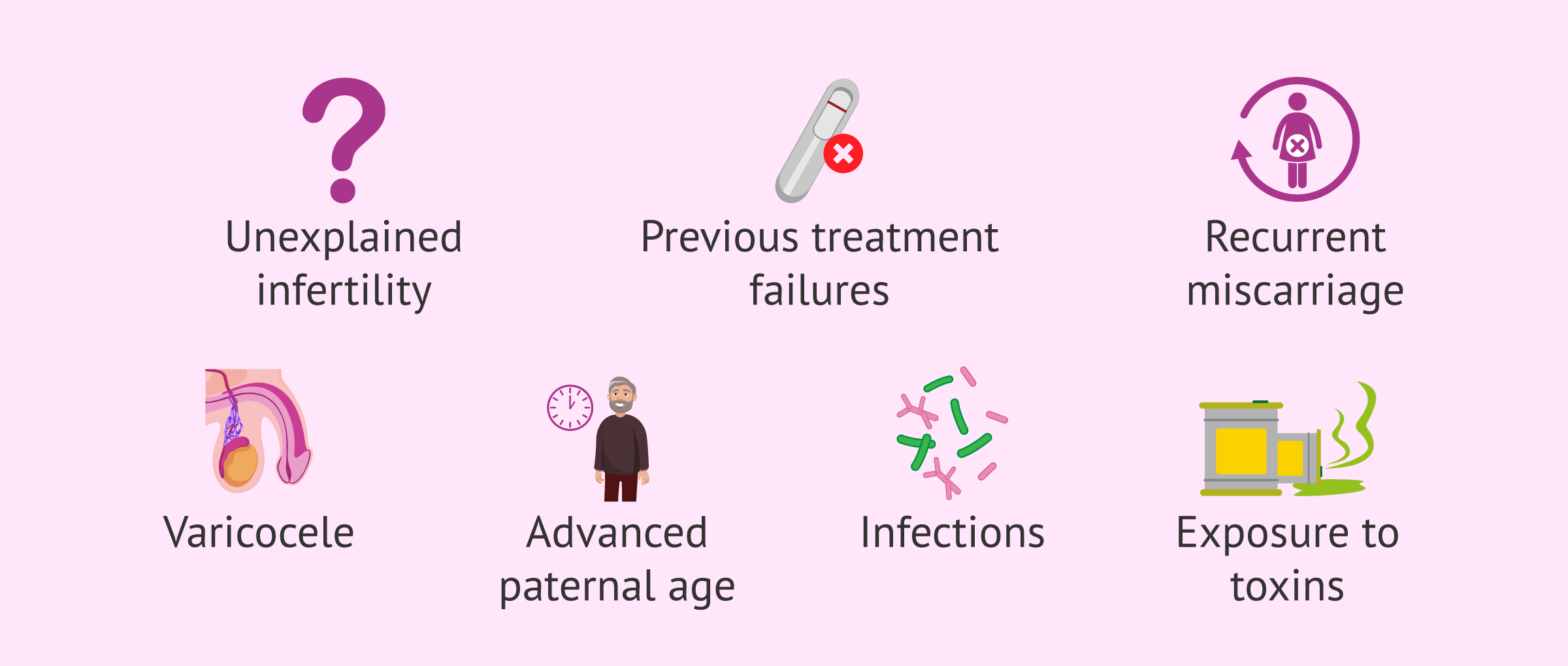
Also with genital tract infections, exposure to toxins, and states of systemic oxidative stress such as obesity, diabetes, or smoking.
Effective solutions for damaged DNA
Fortunately, many of the factors that cause this damage are modifiable. The first clinical approach usually includes lifestyle changes, weight reduction, treating possible genital infections, or surgical repair of varicocele. Antioxidants can also be used, although always under strict medical indication, as well as reducing the ejaculatory abstinence time.
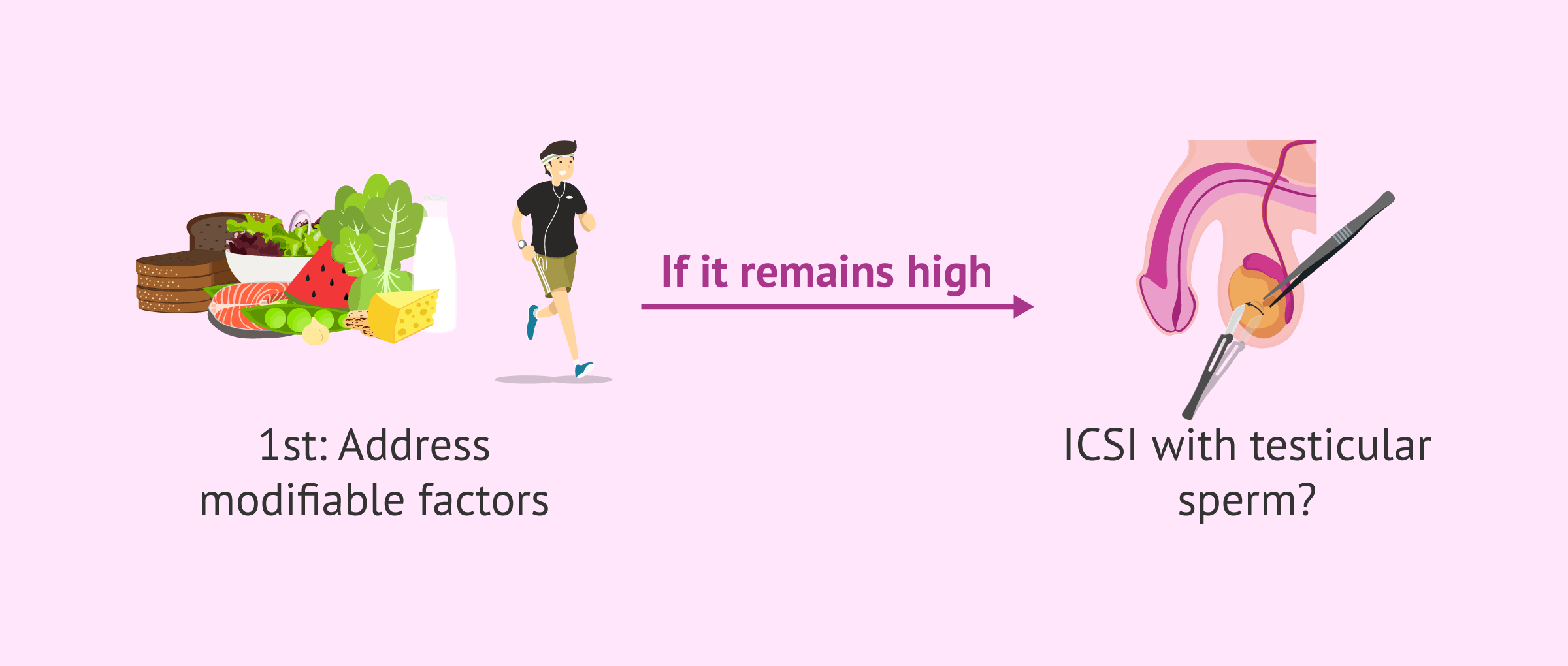
If after a complete cycle of sperm formation (approximately three months) the level of sperm DNA fragmentation remains high, there are alternatives. One of the most prominent options when fragmentation remains high despite efforts to optimize it, is to use sperm extracted directly from the testicle. These testicular sperm have barely suffered oxidative stress and, therefore, present fewer breaks in their DNA, which has shown a significant reduction in miscarriage rates in these patients.
We make a great effort to provide you with the highest quality information.
🙏 Please share this article if you liked it. 💜💜 You help us continue!
References
Esteves SC, Humaidan P. Sperm DNA fragmentation: how to test, when to test, and what to do with abnormal results-a pragmatic mini-review for clinical practice. Hum Reprod. 2026 Apr 28:deag056. doi: 10.1093/humrep/deag056. Epub ahead of print. PMID: 42049202. (View)