
New joint research by Sheba Medical Center, Genea Fertility, Emek Medical Center, Technion Institute of Technology, and the University of Haifa, led by authors Shmuel Somer, Simon Nothman, Shira Baram, Ido Izhaki, Nitzan Dana Sela, and Ronit Beck-Fruchter, has shed light on a technique that is changing the way eggs are retrieved in assisted reproduction treatments.
The study shows how a small adjustment in the final medication can make a big difference in fertilization and embryonic development outcomes.
Provided below is an index with the 7 points we are going to expand on in this article.
What is the trigger in assisted reproduction?
In any in vitro fertilization (IVF) treatment, the step prior to egg retrieval is known as the trigger or ovulation trigger. Historically, this step has been performed by administering a single hormone called hCG. This hormone acts as a substitute for the natural hormonal peak that occurs in the body so that the eggs finish maturing before being retrieved in the operating room.
However, medical science advances and protocols are optimized to try to imitate the nature of the human body as accurately as possible.
Double trigger: the new revolution
Currently, a therapeutic strategy known as the double trigger or dual trigger has emerged. Instead of using a single hCG injection, hCG is combined with another medication called a GnRH agonist.
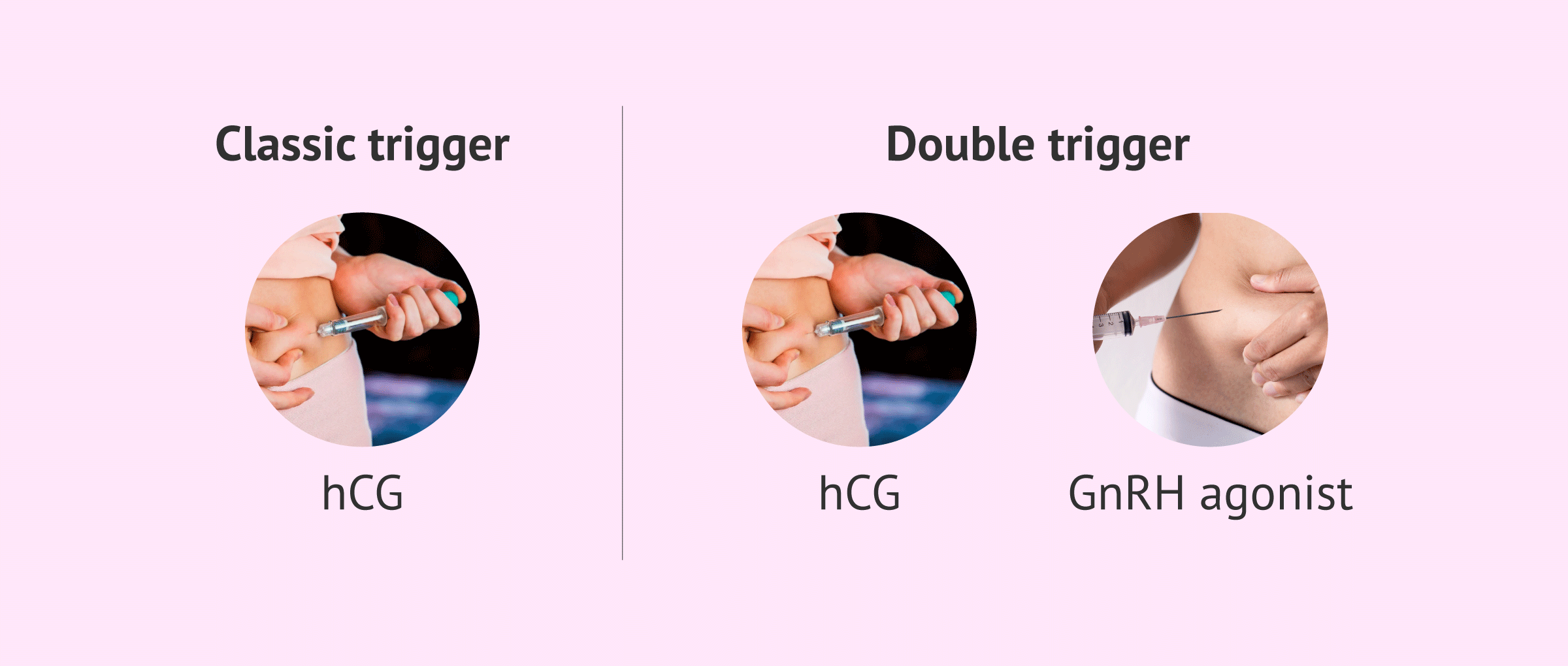
This study retrospectively analyzed data from 1,291 in vitro fertilization cycles to verify whether this double medication truly represented an advantage over the classic protocol. The findings indicated that the use of the double trigger achieves a much more complete stimulus for egg maturation.
Advantages demonstrated by science
The data obtained in the research show statistically significant benefits in favor of using the double trigger in IVF cycles:
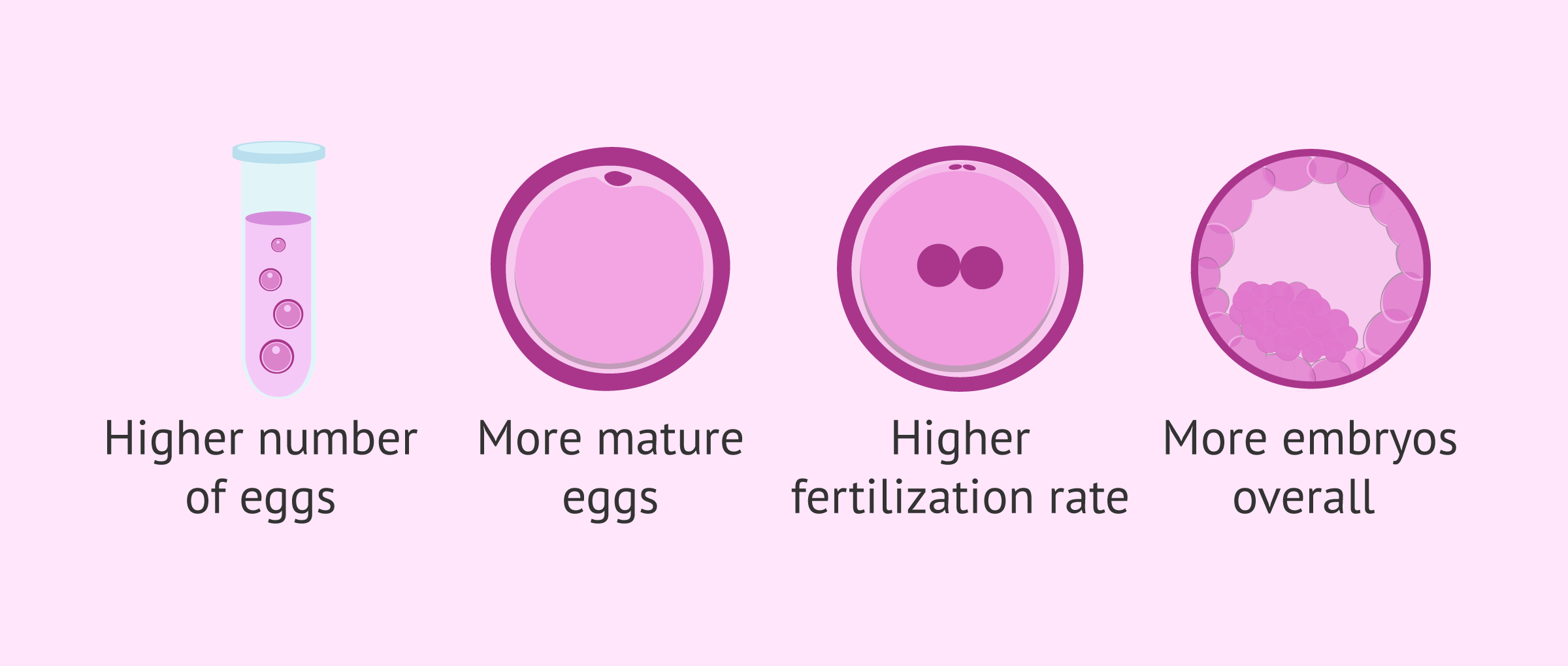
- Higher quantity of eggs: a higher average of total retrieved eggs was obtained (7.50 versus 6.12 with the classic hCG injection).
- More mature eggs: the number of eggs that achieved the appropriate maturity stage to be fertilized was also higher (5.67 versus 5.01).
- Fewer cancellations: there was a significantly lower number of cycles in which no eggs were retrieved (1.3% versus 3.8%).
- Better fertilization rate: in cycles where the intracytoplasmic sperm injection (ICSI) technique was used, the fertilized egg rate rose notably (64.93% versus 52.22%).
- More total embryos: at the end of the laboratory process, patients achieved a greater number of available embryos (2.43 versus 2.00).
A change in the usual protocol
The increase in the number of retrieved eggs, mature eggs, and fertilized eggs ultimately increases the number of embryos with the double trigger. All this translates into a clear improvement in the chances of treatment success.
These results show that, by better mimicking the body's natural hormonal environment, the double trigger positions itself as a highly valuable clinical tool to boost the success of assisted reproduction.
Community and Support
At inviTRA we work to make monthly and rigorous information accessible to everyone. If this article has helped you, consider supporting us so we can continue accompanying more people on their journey to parenthood.
References
Somer S, Nothman S, Baram S, Izhaki I, Sela ND, Beck-Fruchter R. Effect of Ovarian Stimulation and Trigger Protocols on Oocyte and Embryo Numbers-Real World Experience. J Clin Med. 2025 Aug 28;14(17):6096. doi: 10.3390/jcm14176096. PMID: 40943855; PMCID: PMC12429546. (View)


