
A recent retrospective study conducted by researchers Ya-Bin Guo, Bin Tang, Ling Zhang, Xue Wu, and Zhi-Hua Huang, from the Center of Reproductive Medicine and the Department of Neurology of Changde Hospital, Xiangya School of Medicine, Central South University (The First People's Hospital of Changde City), has analyzed the clinical and psychological impact in assisted reproduction treatments.
This research evaluates in detail the emotional burden that recurrent implantation failure entails for patients and the clinical benefits of applying the endometrial receptivity test in frozen embryo transfers.
Provided below is an index with the 7 points we are going to expand on in this article.
Emotional impact after implantation failures
Recurrent implantation failure is defined as the inability to achieve a successful implantation after the transfer of 3 or more good quality embryos. This complex situation generates a profound psychosocial burden. According to the research results, the prevalence of mood disorders is very high at this stage of treatment:
- 55.0% of the patients presented symptoms of anxiety.
- 61.2% showed signs compatible with depression.
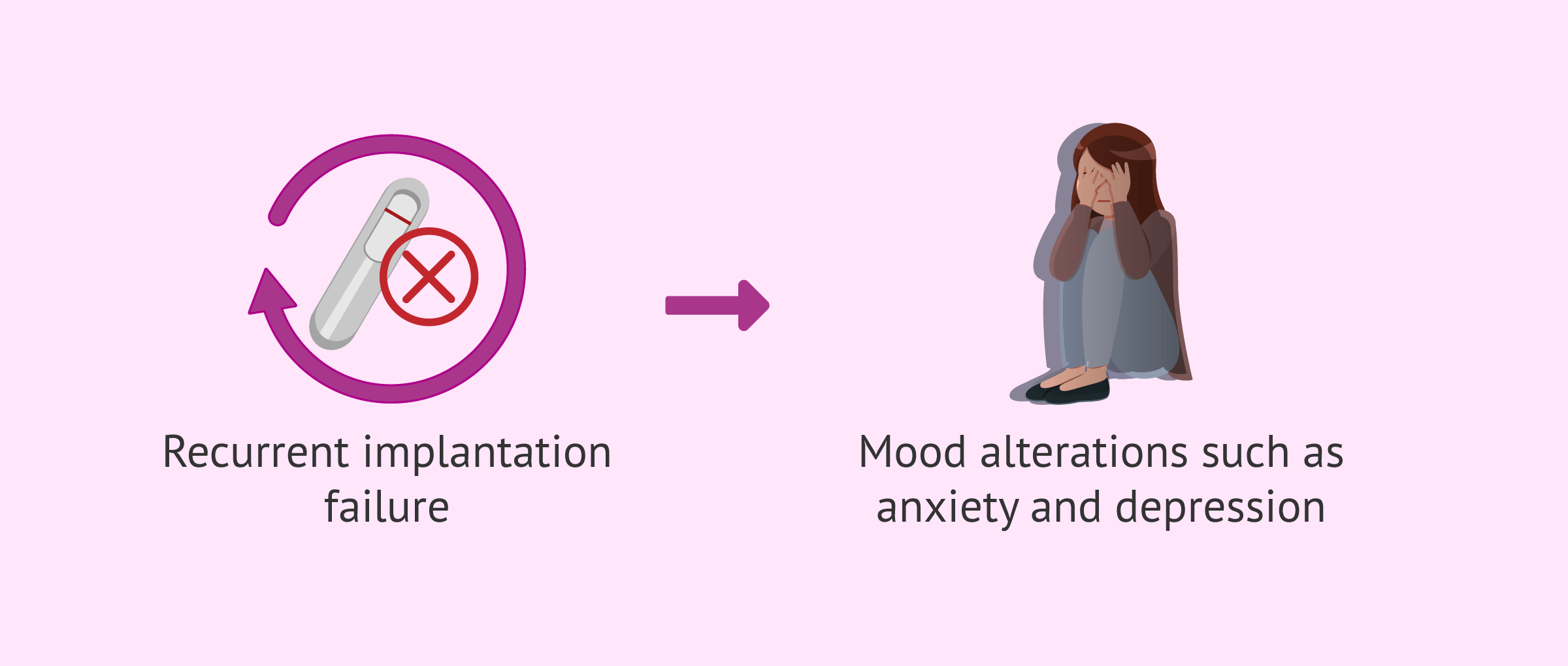
The researchers observed that the accumulation of failed attempts directly influences emotional and physical exhaustion facing the next steps of fertility treatment.
Factors that increase anxiety and depression
There are various psychosocial and medical determinants that increase the risk of suffering from these emotional disorders. Among the main factors that raise the probability of experiencing anxiety or depression are:
- Advanced maternal age, specifically over 35 years old.
- Accumulating three or more failed embryo transfer attempts.
- Being immersed in treatments to achieve pregnancy for more than five years as a risk factor for anxiety.
- Having an infertility diagnosis for more than three years, which is associated with a higher risk of depression.
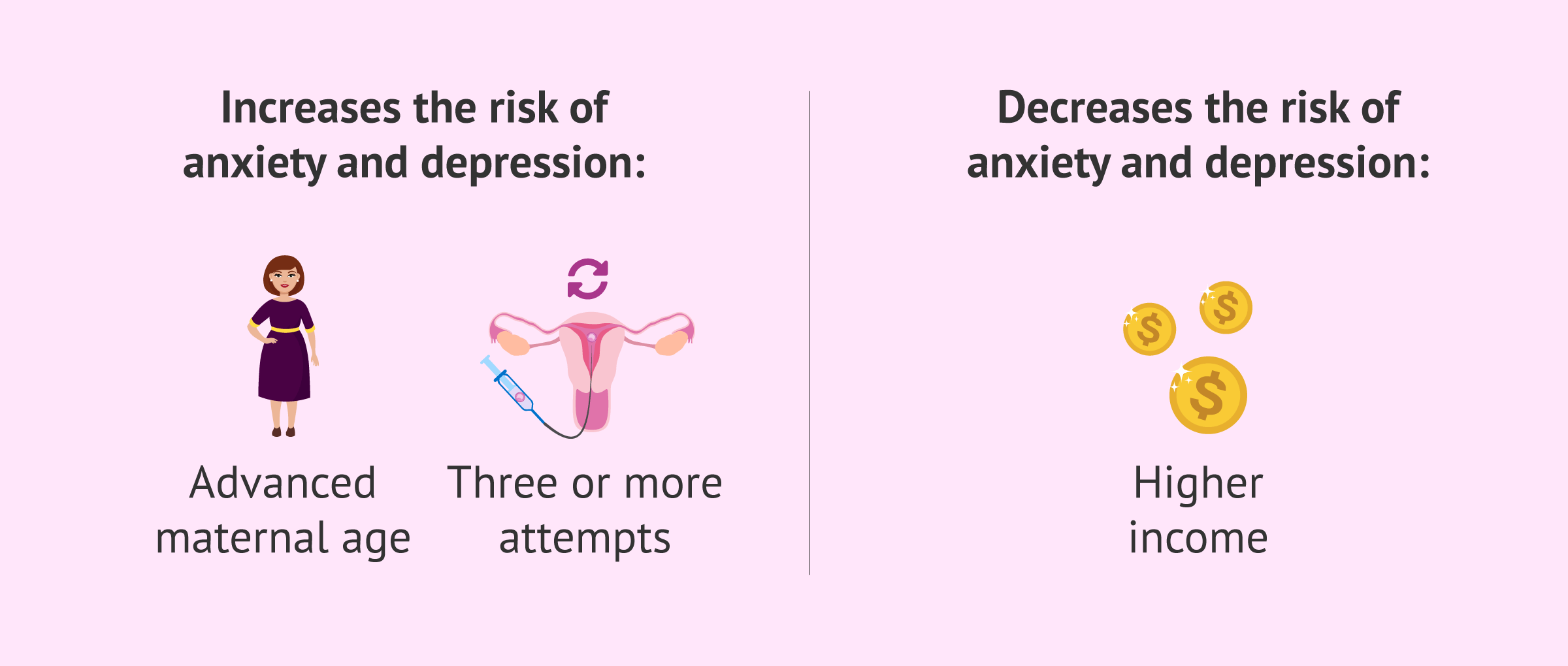
On the contrary, the study reveals that having higher economic income acts as a protective factor against both disorders, primarily by mitigating the financial stress caused by prolonged assisted reproduction treatments. Likewise, residing in an urban environment was also identified as a factor that reduces the risk of depression.
Can the endometrial receptivity test help?
To improve success rates in people with this diagnosis of repeated implantation failure, current reproductive medicine has tools such as the endometrial receptivity test. This test analyzes the gene expression profile of the endometrial tissue to determine the exact moment when the uterus is prepared to accept the embryo, a brief period known as the window of implantation.
The clinical data provided demonstrate that embryo transfers guided by this receptivity test achieve a significantly higher clinical pregnancy rate compared to those transfers performed following standard transfer time protocols. Furthermore, its application contributed to notably reducing the miscarriage rate.
Keys to pregnancy with implantation failure
In addition to personalizing the treatment through the endometrial receptivity study, the clinical analysis allowed identifying some fundamental factors to achieve the desired pregnancy after several failed attempts. The most effective strategies reflected in the research include:
- Performing the embryo transfer in the blastocyst stage, as this prolonged culture improves selection and physiological synchronization with the endometrium.
- Greater endometrial thickness on the exact day of the transfer.
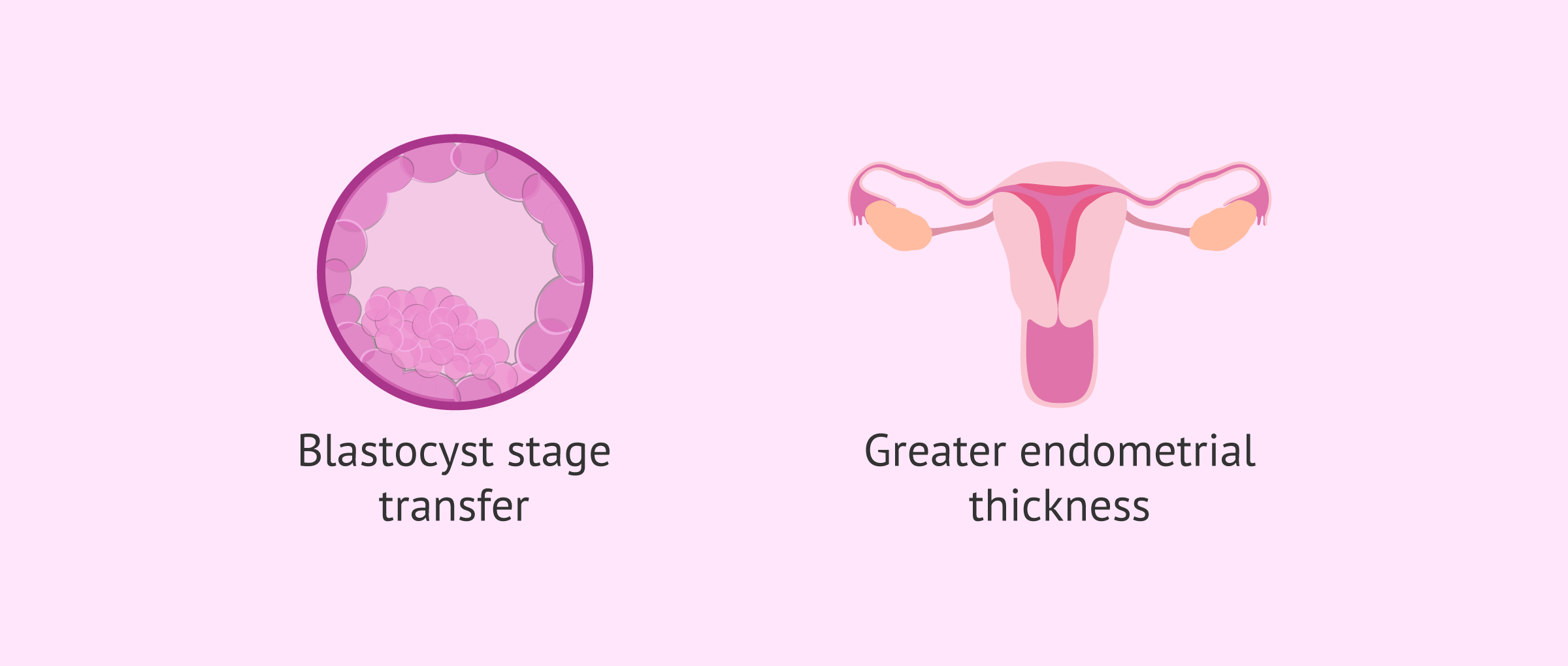
In conclusion, the medical approach to repeated implantation failures must be completely comprehensive: it is vital to offer specialized psychological support and, in parallel, use advanced diagnostic tools to maximize the chances of achieving pregnancy.
Community and Support
At inviTRA we work to make monthly and rigorous information accessible to everyone. If this article has helped you, consider supporting us so we can continue accompanying more people on their journey to parenthood.
References
Guo YB, Tang B, Zhang L, Wu X, Huang ZH. Anxiety and depression in recurrent implantation failure after frozen-thawed embryo transfer and efficacy of endometrial receptivity testing. World J Psychiatry. 2025 Sep 19;15(9):109175. doi: 10.5498/wjp.v15.i9.109175. PMID: 40933169; PMCID: PMC12417924. (View)


