
artificial insemination
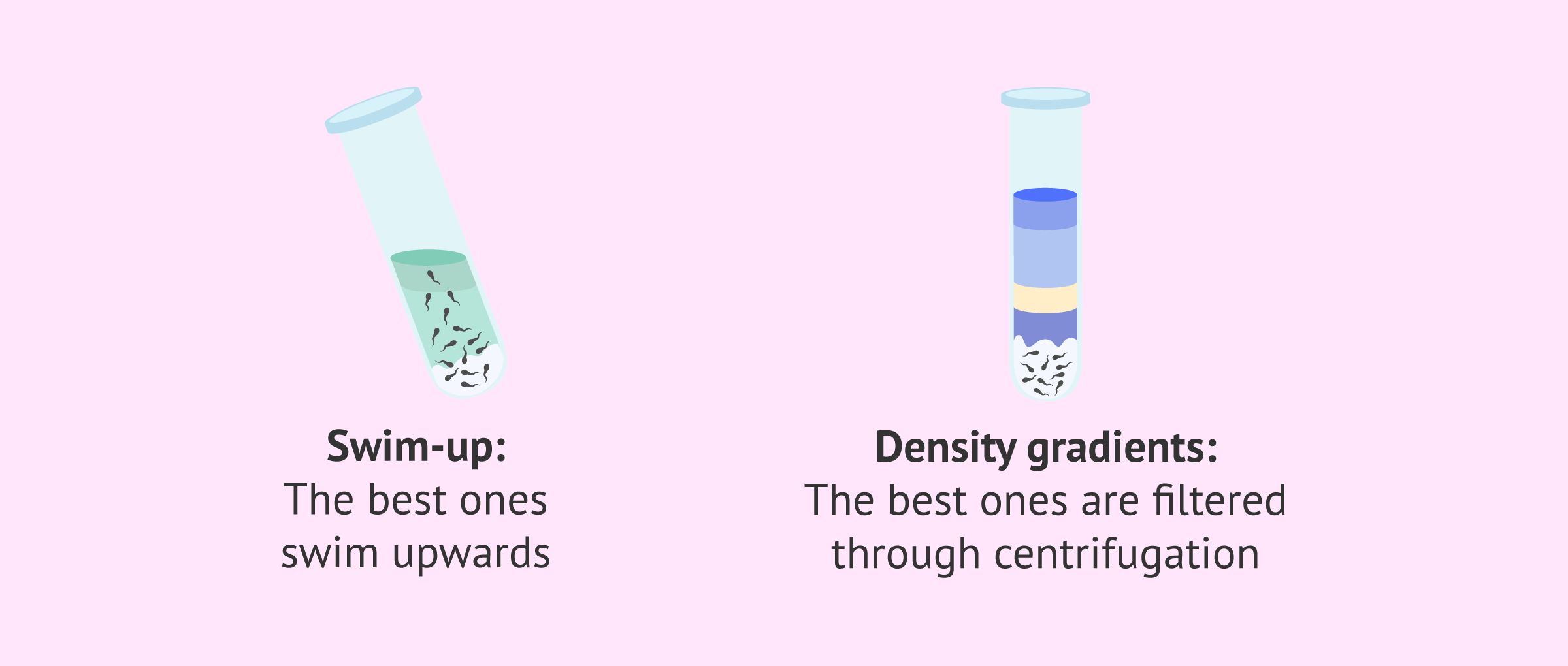
Semen preparation: science debunks a false belief about success
A recent clinical trial analyzes swim-up and density gradient techniques for semen preparation in artificial insemination treatments. We explain simply which method offers a higher probability of achieving a pregnancy and a live birth. Read more
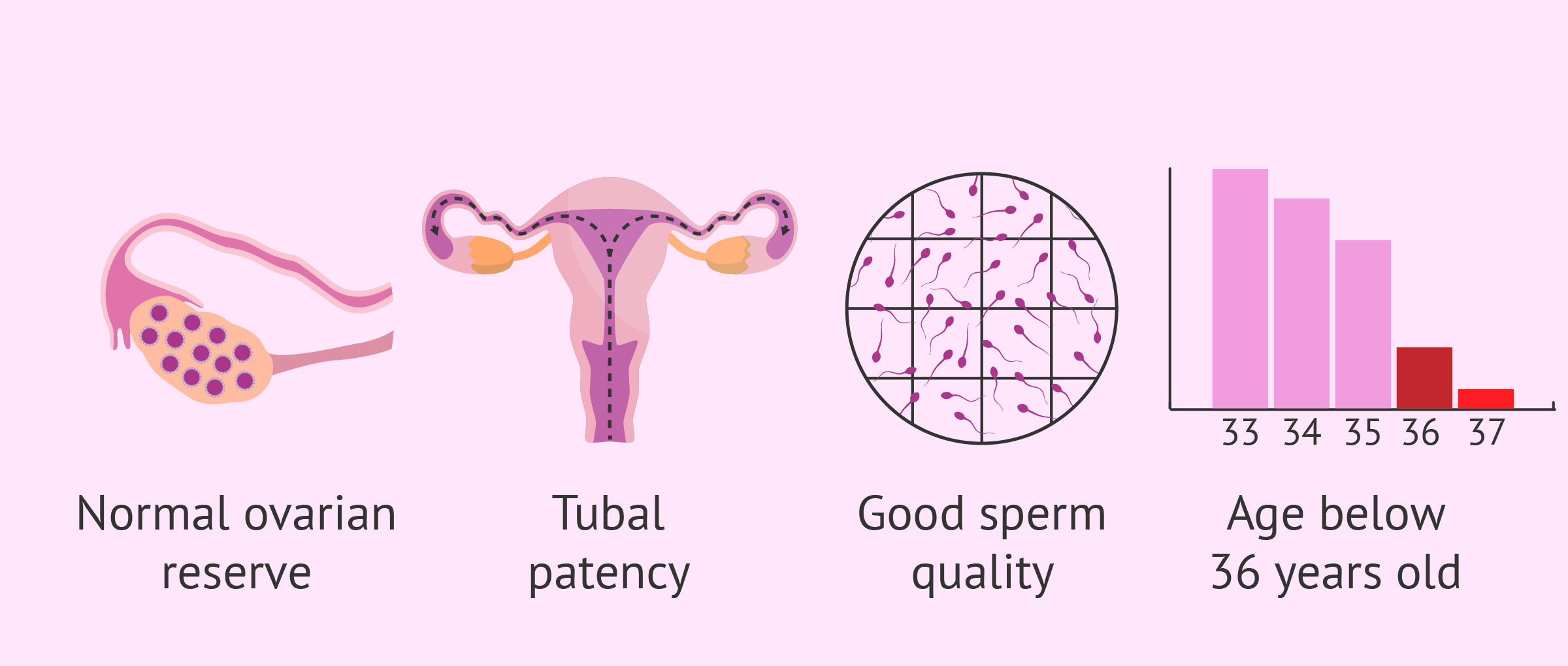
What are the requirements for intrauterine artificial insemination?
The requirements for intrauterine artificial insemination (AI), with either partner or donor sperm, are patency of the fallopian tubes, good ovarian reserve, and sperm quality of 3 million or more motile spermatozoa in the REM seminogram. Read more
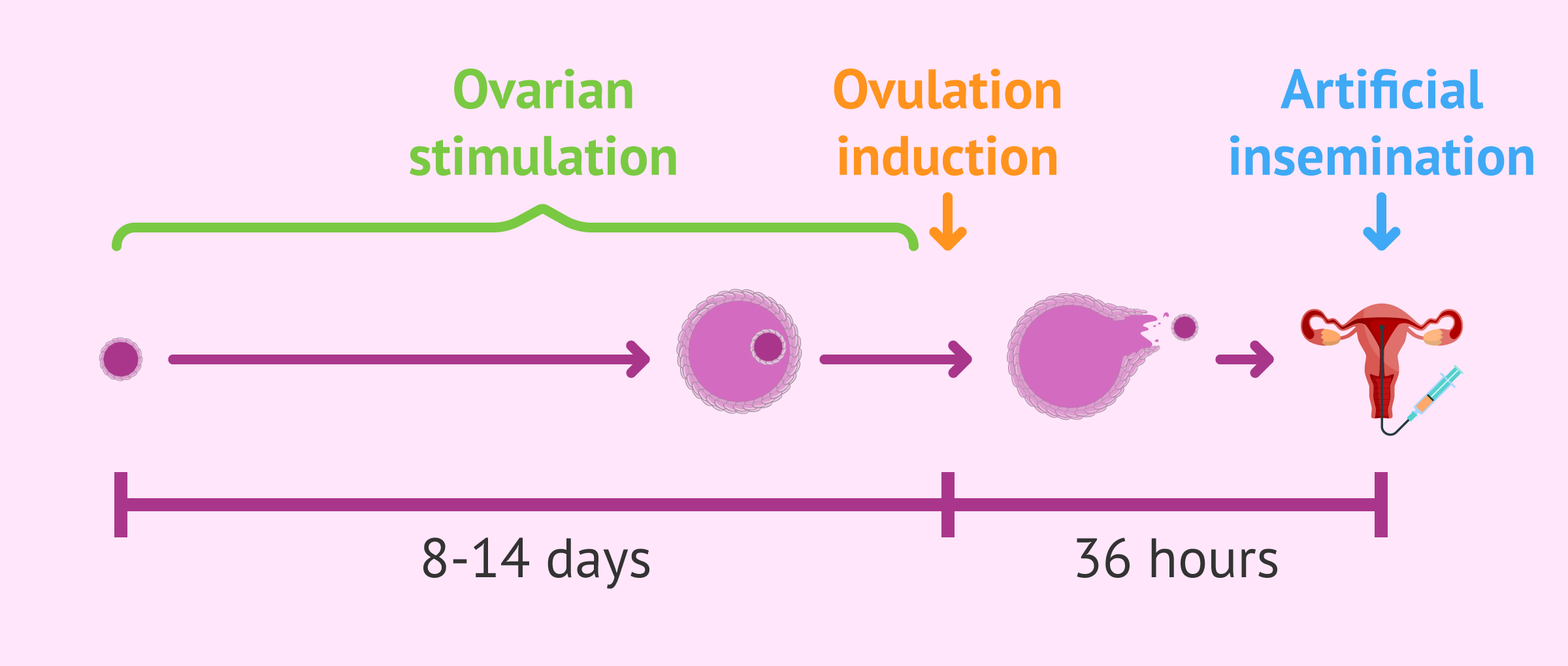
Controlled ovarian stimulation in Artificial Insemination (AI)
The drugs used in artificial insemination produce a controlled ovarian stimulation in order to increase the probability of pregnancy. Read more
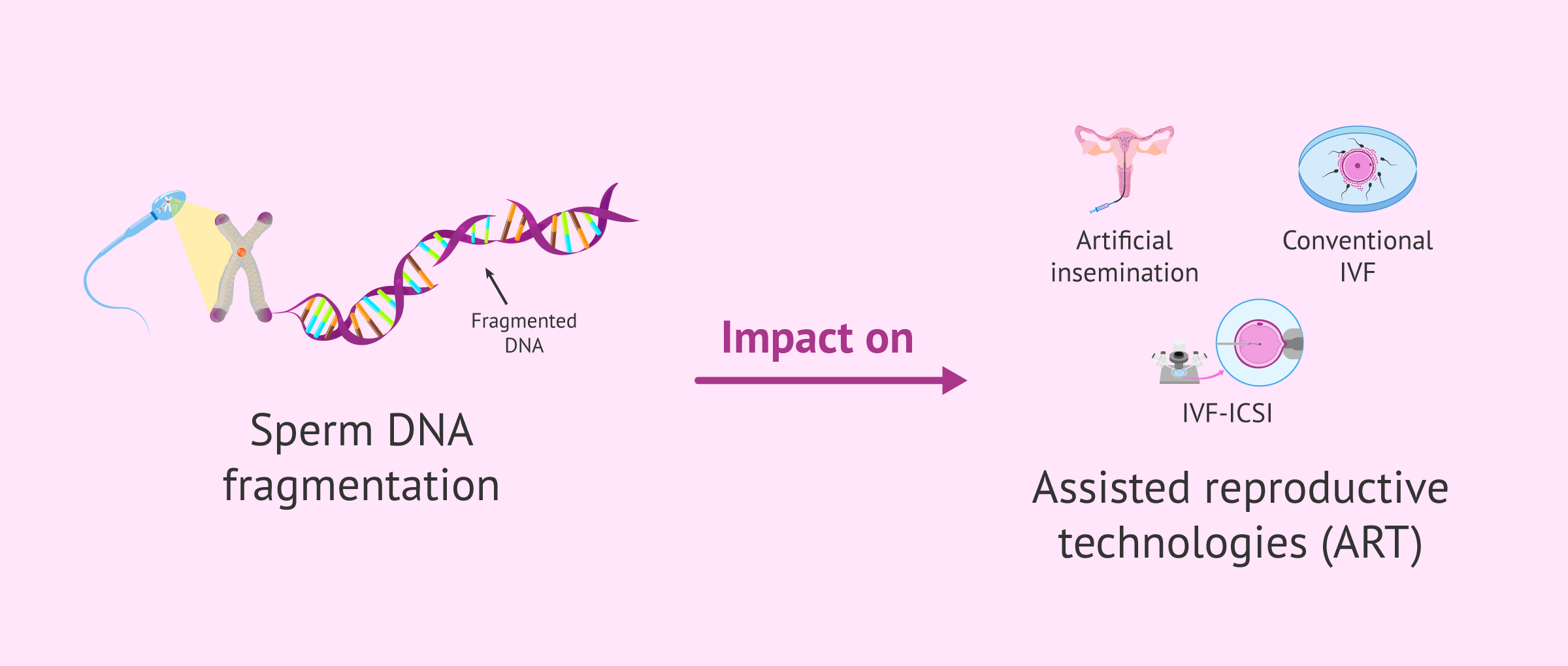
Damaged sperm DNA: impact on IVF, ICSI, and insemination
A systematic review assesses the impact of sperm DNA fragmentation on fertility. The results show a lower clinical pregnancy rate in IVF and artificial insemination, and a strong link with the risk of spontaneous abortion in ICSI cycles, suggesting the need for specific tests. Read more

Ovoclinic Marbella
02/24/2026|49
Ovoclinic Marbella, based in the Spanish province of Málaga, is a fertility clinic equipped with cutting-edge technology, and made up of a highly-experienced medical team. Read more
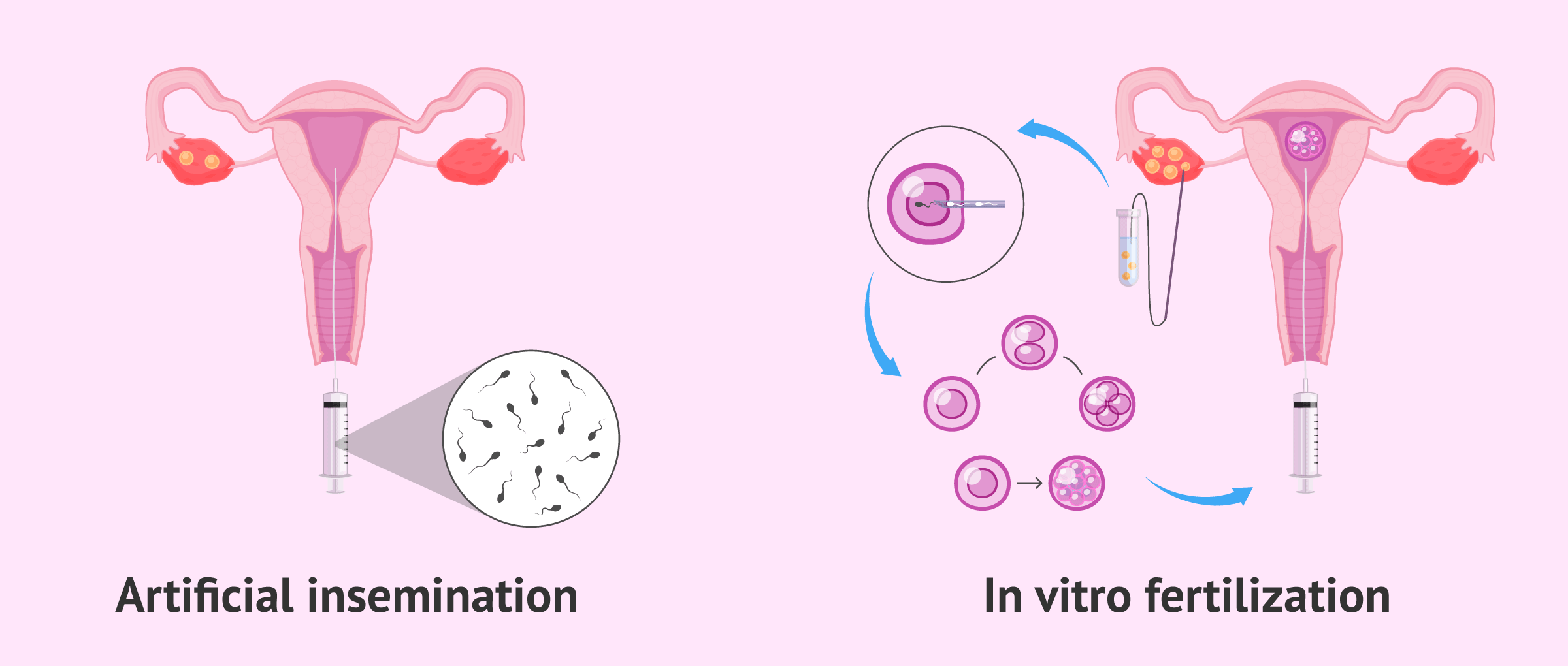
What are Assisted Reproductive Techniques (ART)? - Types & Costs
Assisted Reproductive Technology (ART) is the set of techniques and treatments recommended in cases of male and female infertility to achieve pregnancy. Read more
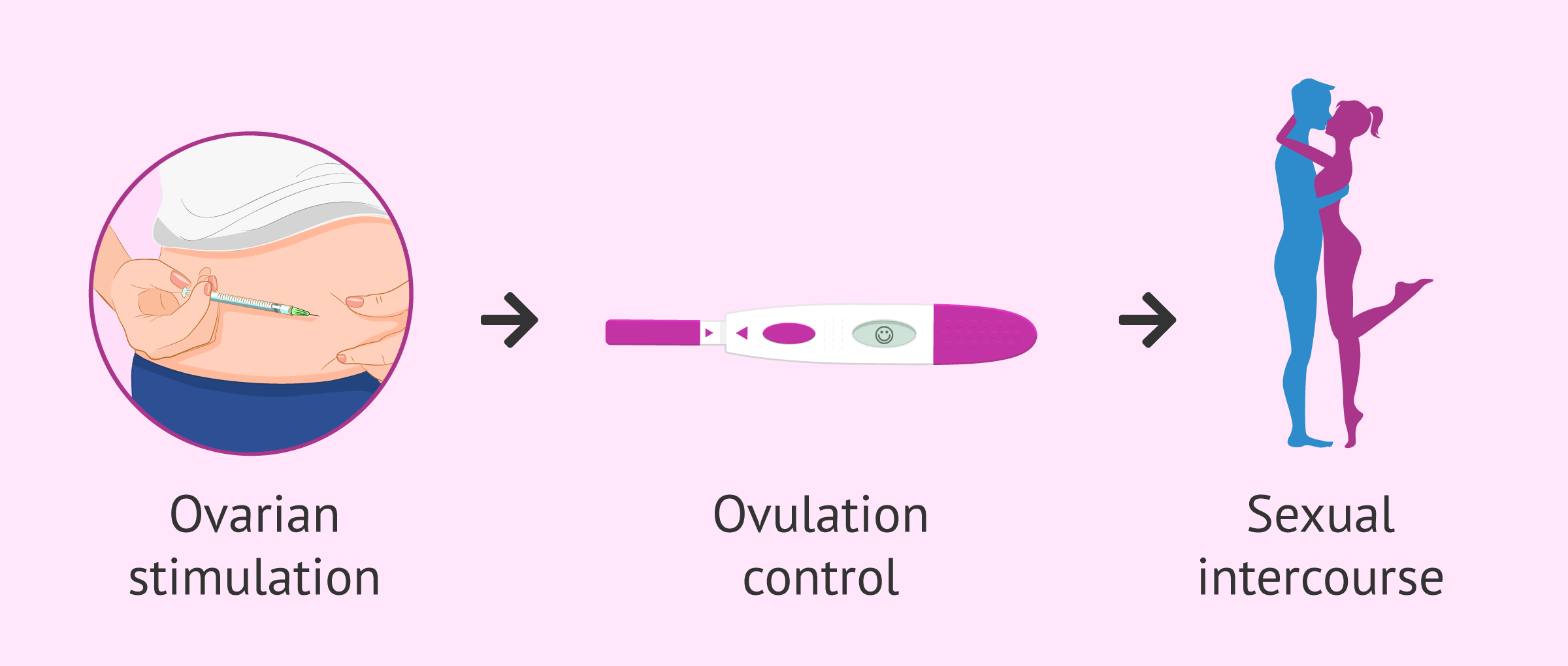
Is programmed intercourse or artificial insemination better?
Timed intercourse is a very simple technique for attempting pregnancy, but artificial insemination has a higher guarantee of success. Read more
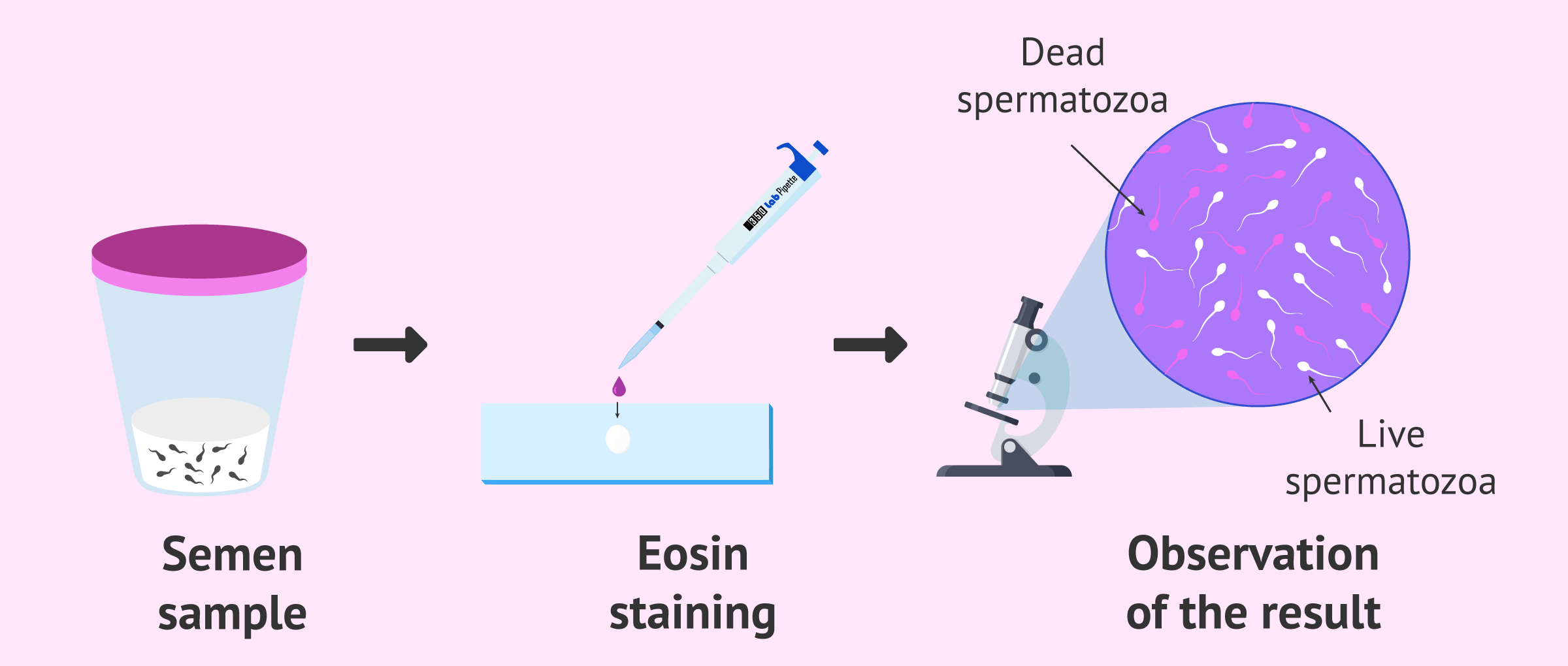
Which Methods Are Used to Assess Sperm Vitality?
The determination of live and dead spermatozoa (vitality index) is made when the percentage of immotile spermatozoa in the spermogram is high. Read more
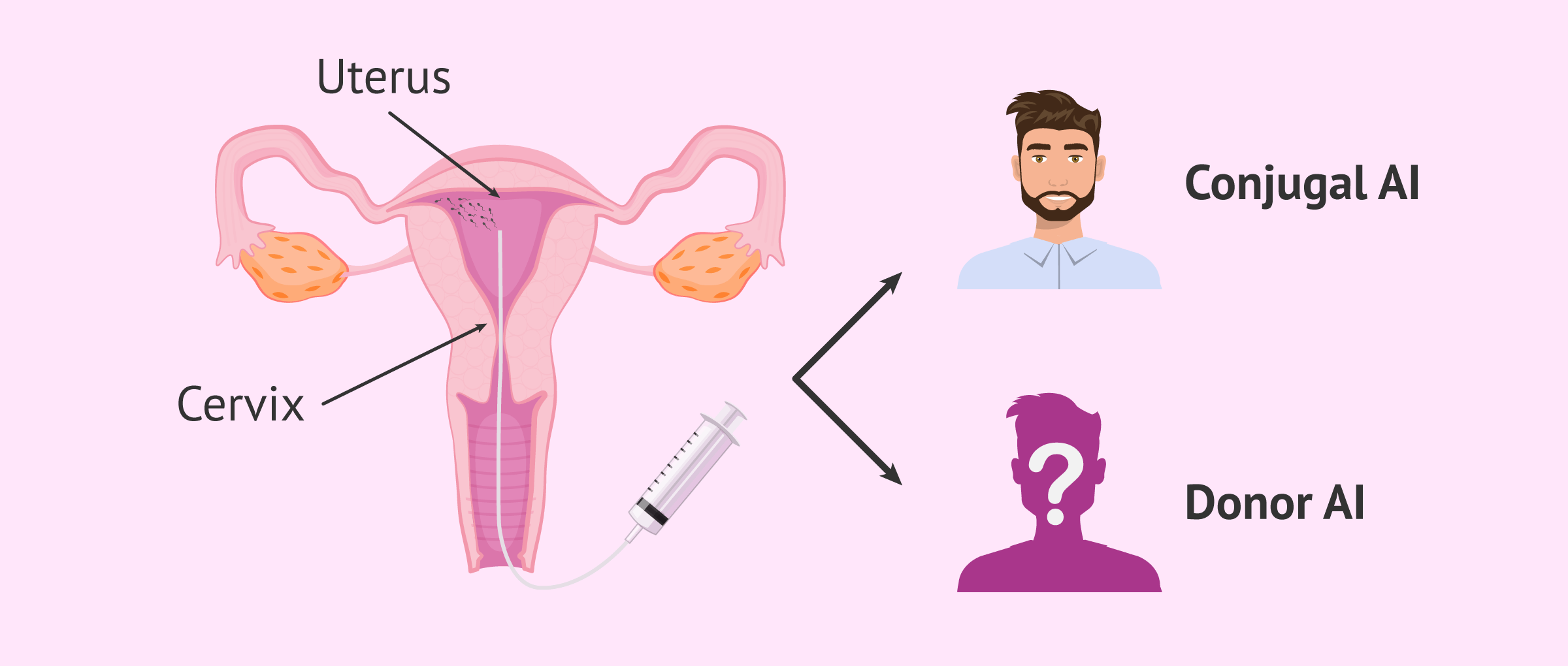
What are the advantages & disadvantages of artifical insemination?
Artificial insemination (AI) is a simple, painless and inexpensive assisted reproductive technique. However, the probability of pregnancy with AI is lower than with IVF. Read more
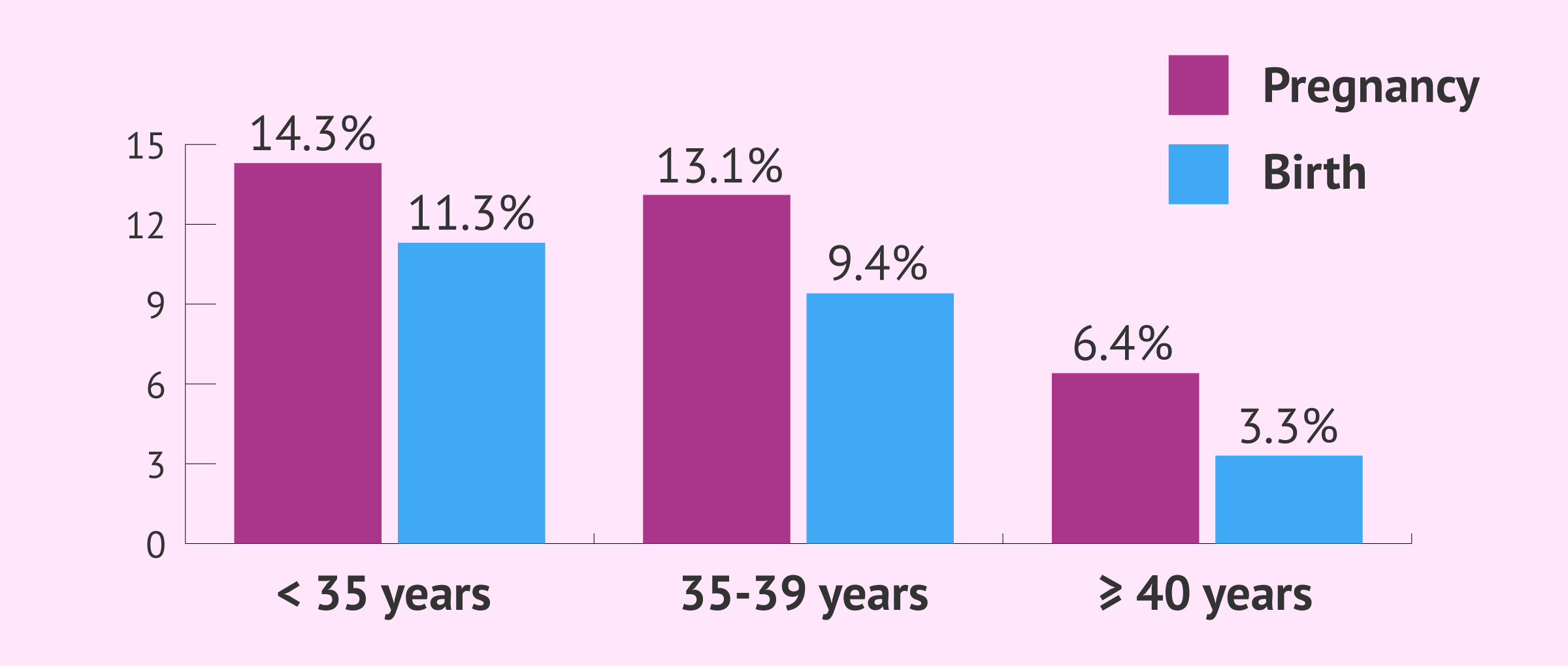
What is the probability of success of intrauterine insemination?
The chances of success of artificial insemination depend on several factors, such as using the partner's sperm or donor sperm, for example. Also, artificial insemination has a cumulative pregnancy rate, so success could be achieved after two, three, or four attempts. Read more
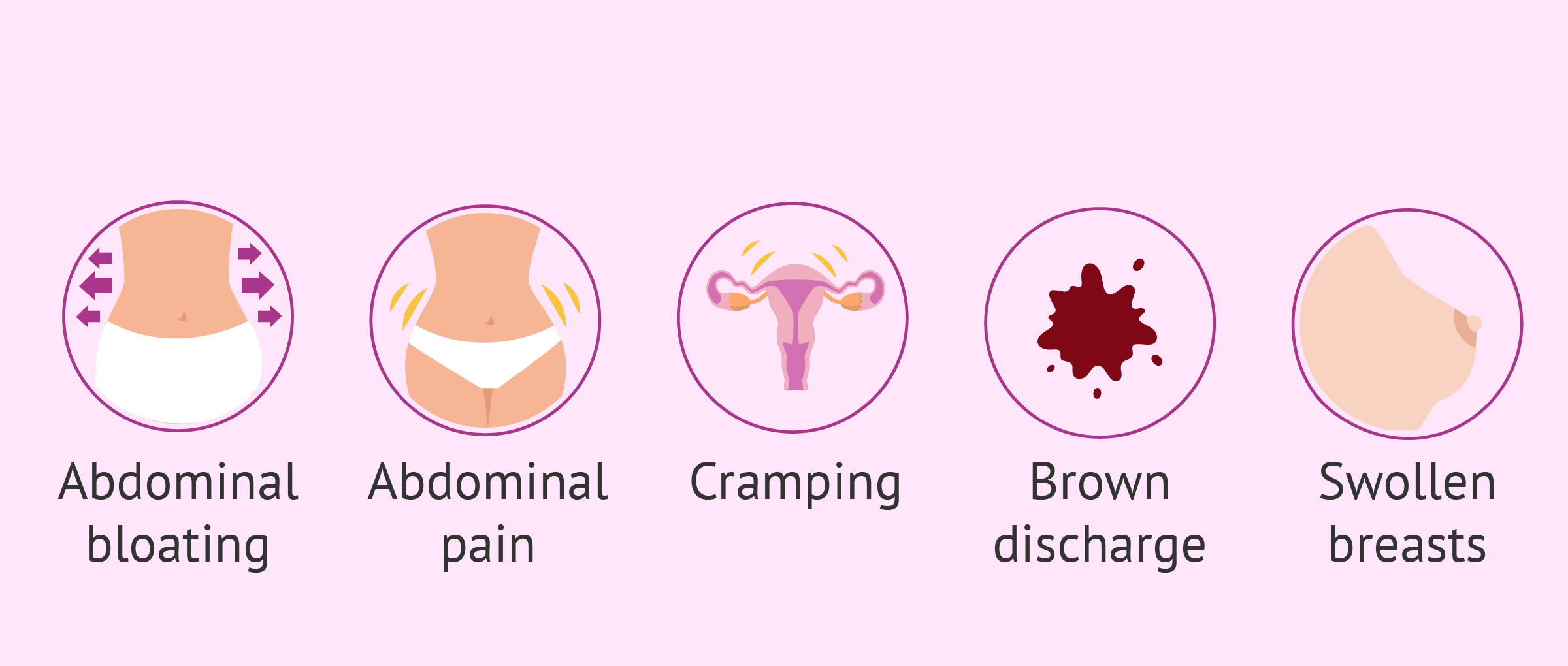
What to do after artificial insemination? Two week wait and advice
In general, rest is useless after an IUI cycle. You can continue with your usual daily routine. However, you may notice some uncomfortable symptoms caused by the use of fertility drugs. Read more

IVF or ICSI: What is the difference? Which is better?
The conventional IVF technique and intracytoplasmic sperm injection (ICSI) have certain differences, although both are in vitro fertilization (IVF) techniques. Each of these techniques is characterized by the way in which it promotes fertilization of the egg by the sperm. Read more

