
ovulation

What are Estrogens? Types, Functions and Drugs
Estrogens are sex hormones found mainly in women whose function is to stimulate the development of female sex organs, the appearance of secondary sex characteristics and regulate the menstrual cycle. Read more
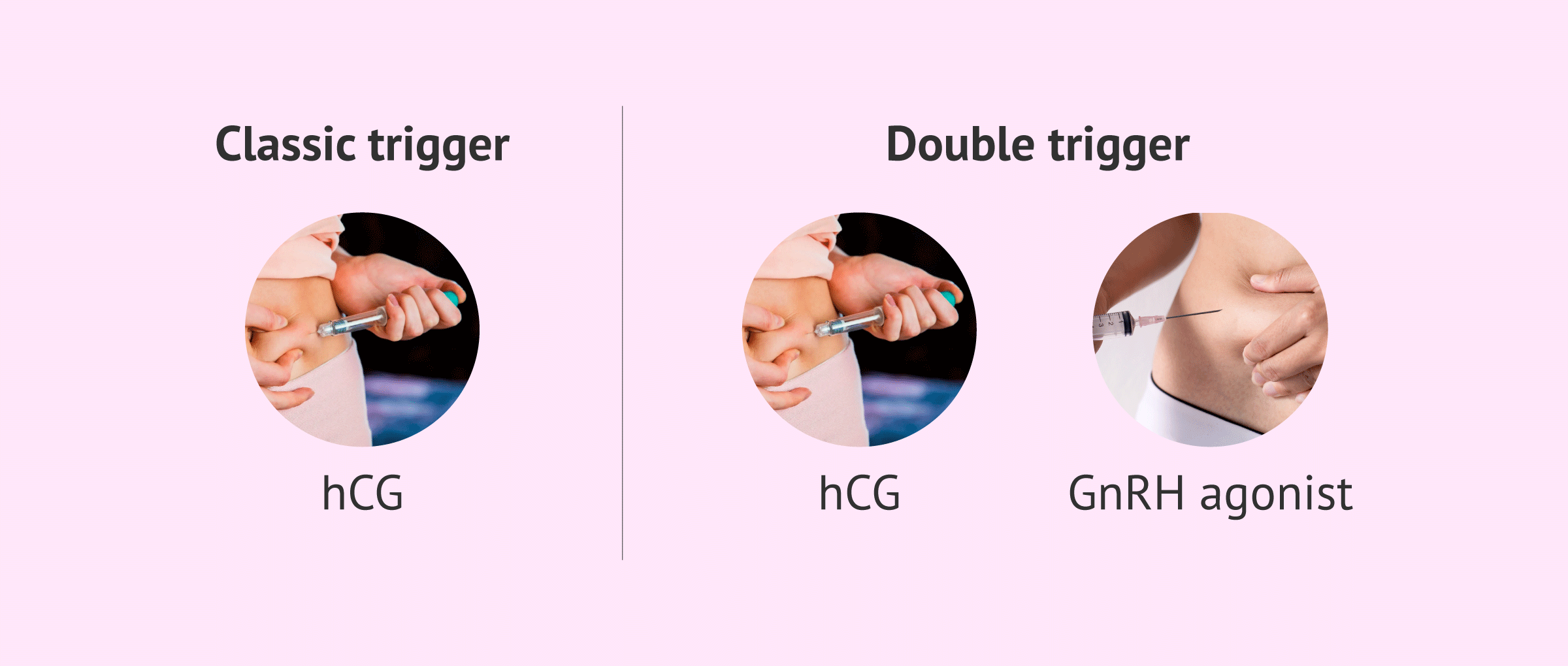
Double trigger: the classic injection for ovulation might not be ideal
A recent study shows that using a "double trigger" protocol to induce ovulation in IVF treatments achieves more mature eggs and a greater number of embryos. Learn the details of this scientific advance that improves success rates in assisted reproduction. Read more
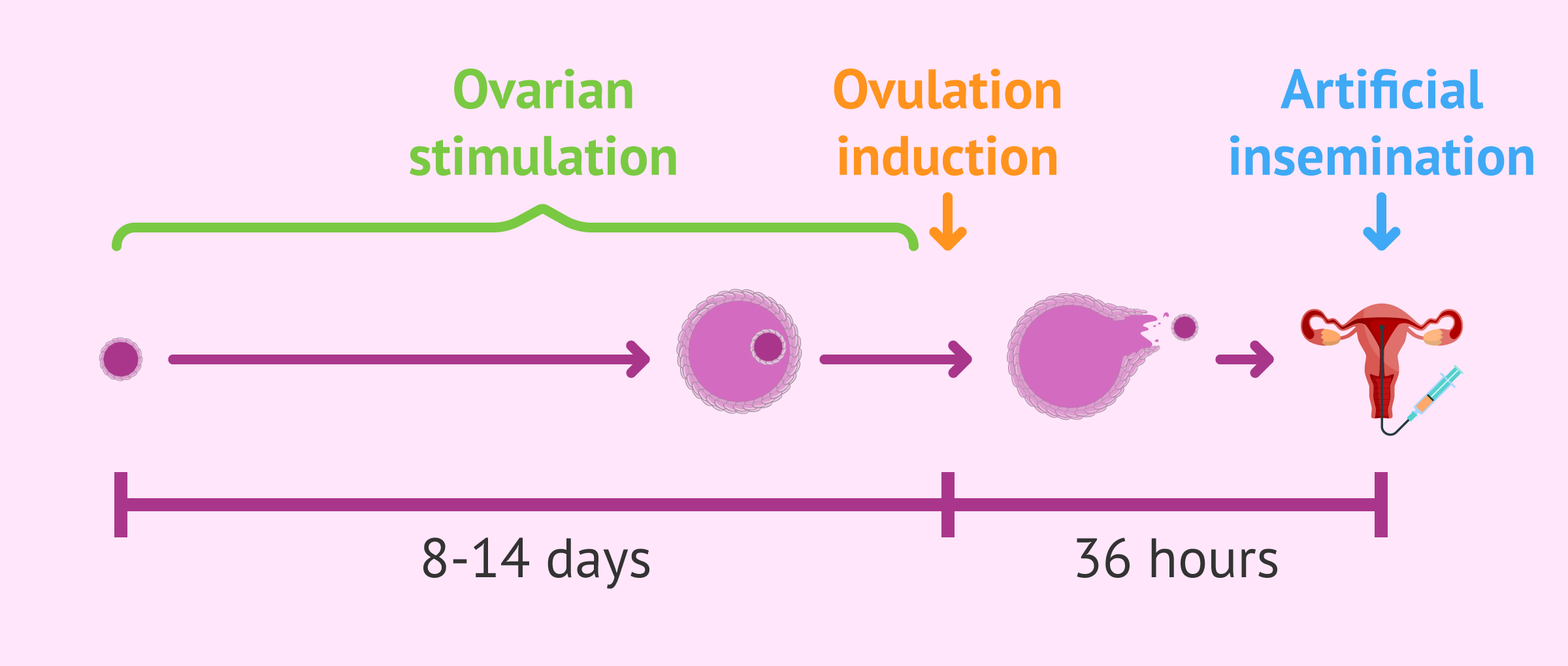
Controlled ovarian stimulation in Artificial Insemination (AI)
The drugs used in artificial insemination produce a controlled ovarian stimulation in order to increase the probability of pregnancy. Read more
When does ovulation occur? What are the symptoms of it?
Ovulation is the phase of the menstrual cycle when an egg is released from the ovary to the Fallopian tube. It marks the beginning of the fertility window in women. Read more
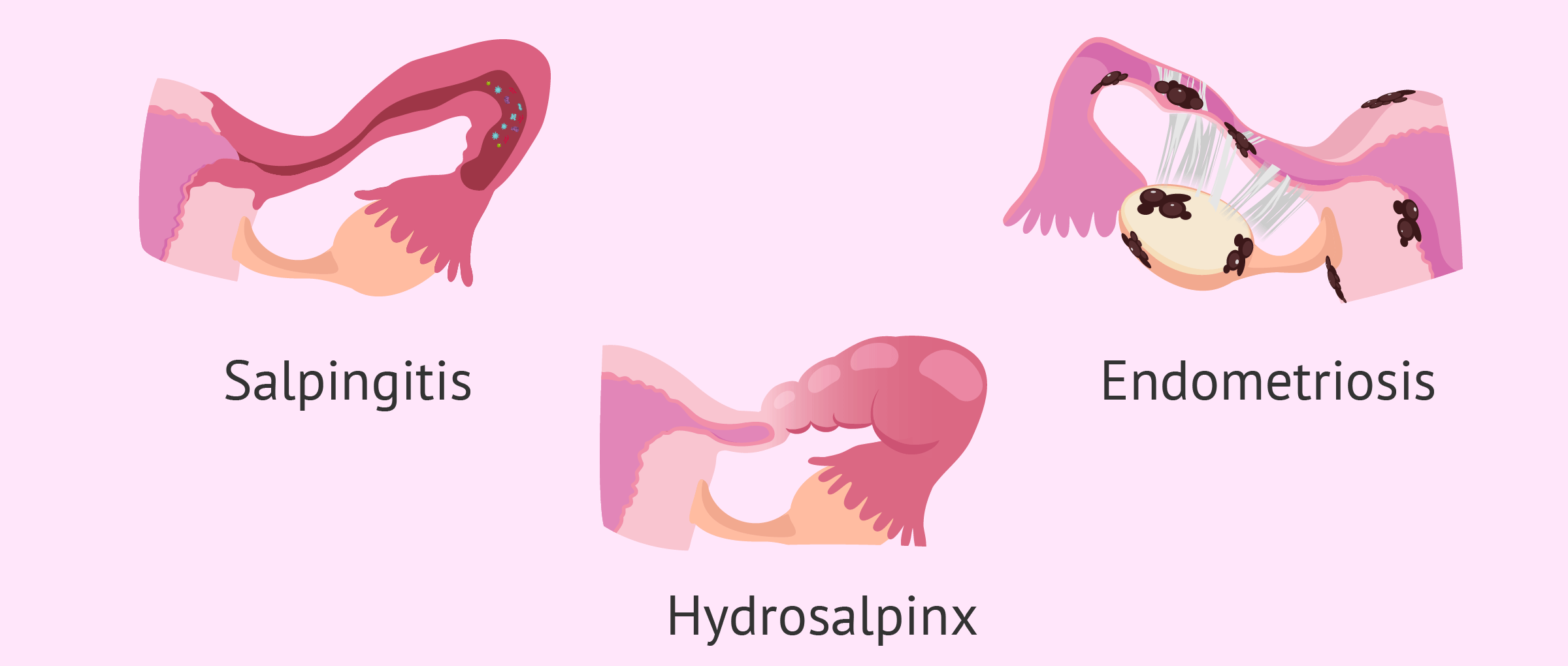
Blocked Fallopian Tubes - Causes, Diagnosis & Treatment
Blocked Fallopian tubes is one of the most common causes of female infertility. In Vitro Fertilization (IVF) is recommended in most cases to achieve pregnancy with success. Read more
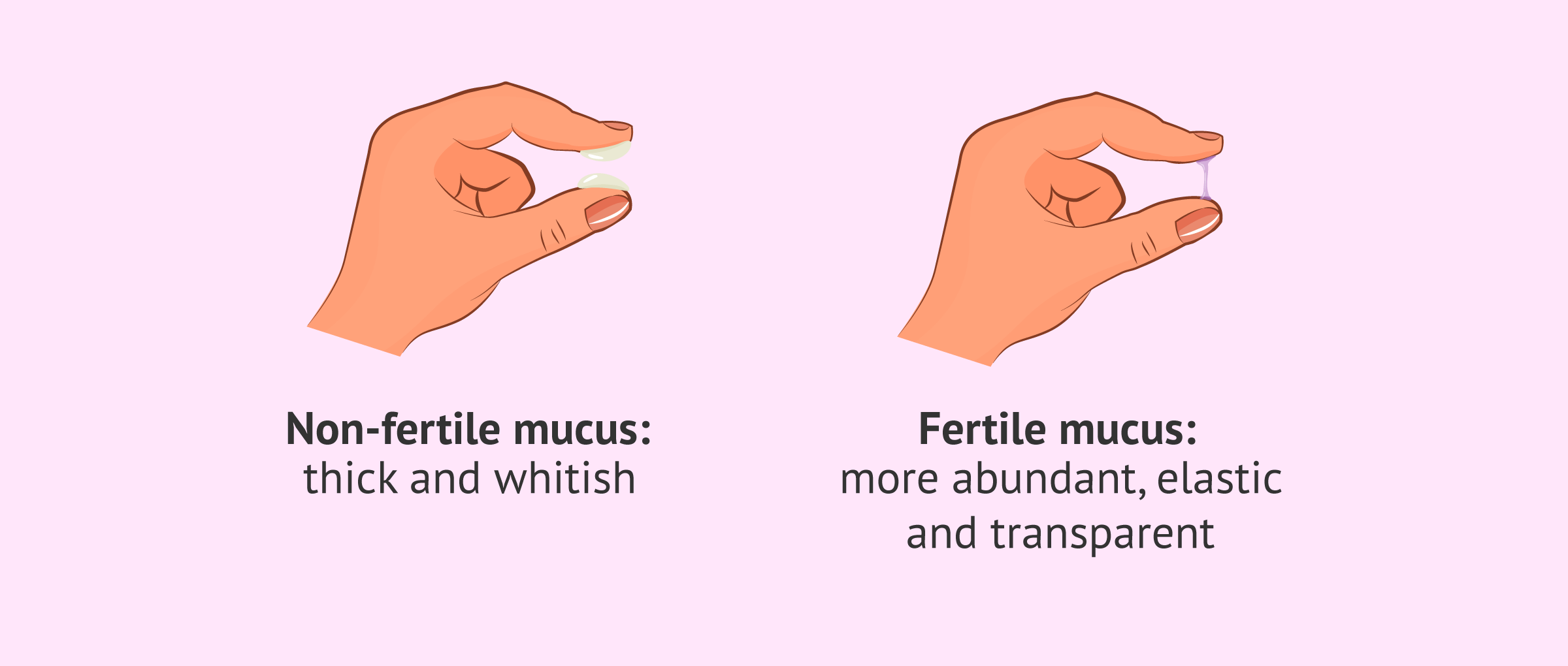
What alterations can occur in cervical mucus?
Cervical mucus is a secretion produced by the uterine cervix. This fluid presents variations that predict the time of ovulation. Alterations in the mucus can produce secondary infertility. In assisted reproduction, a poor mucus-sperm interaction can be solved by AI. Read more
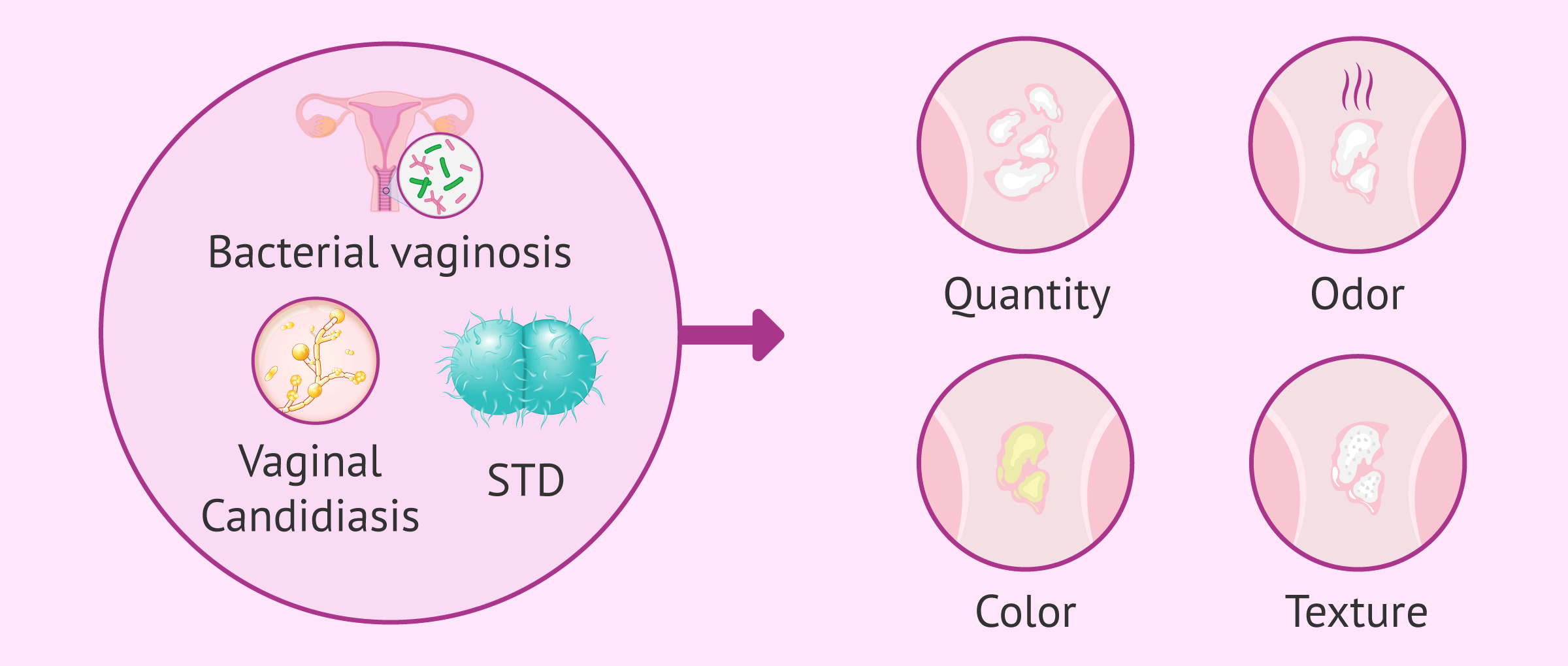
Is it normal to have vaginal discharge, what is it for and when is it abnormal?
Vaginal discharge is often a source of concern for many women who worry about whether their vaginal discharge is normal or not. It is true that there are normal variations in vaginal discharge throughout the menstrual cycle, but sudden changes in odor, color, texture or quantity could be indicative of infection. Read more
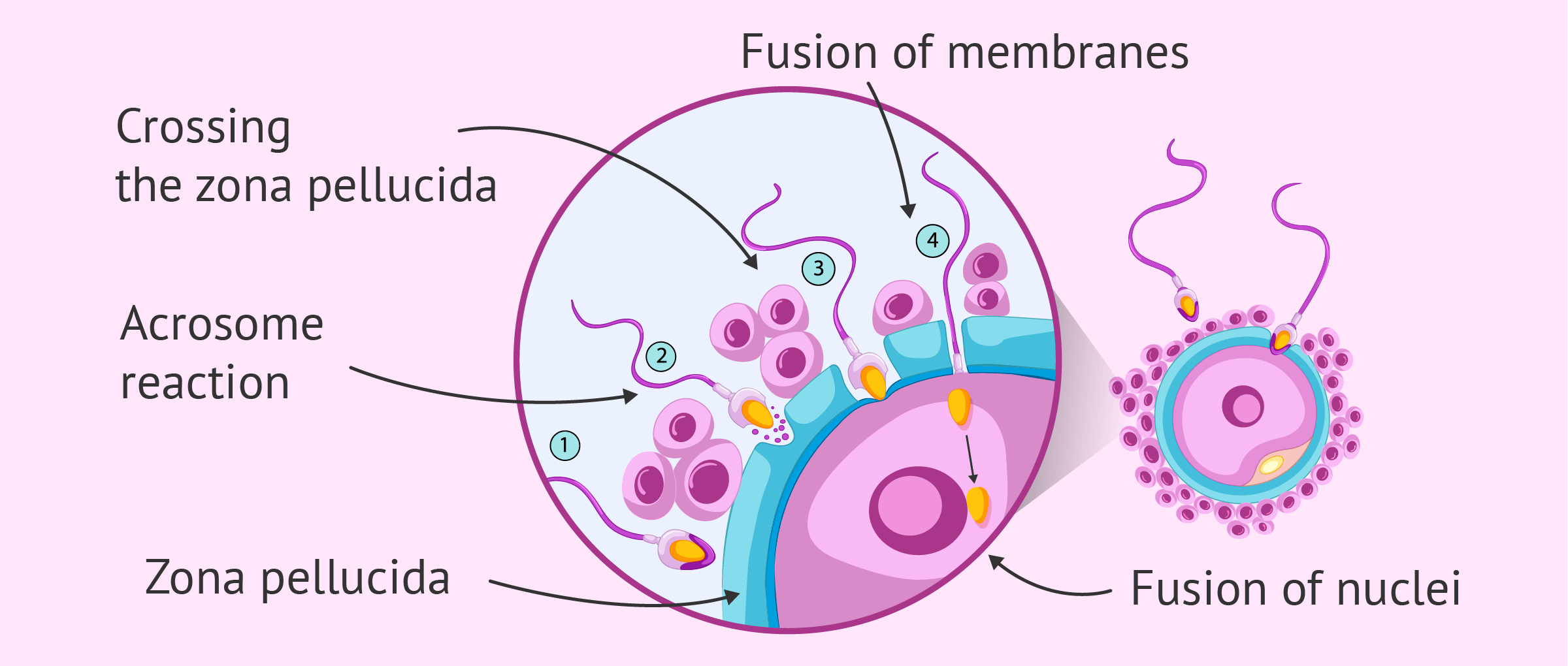
What Are the Steps of Fertilization in Humans?
Fertilization of the egg is essential for pregnancy to occur. The union of the egg and sperm can occur naturally in the fallopian tubes or in vitro in the laboratory. Once the egg is fertilized, the zygote is formed, which will divide and move until it reaches the uterus. Read more
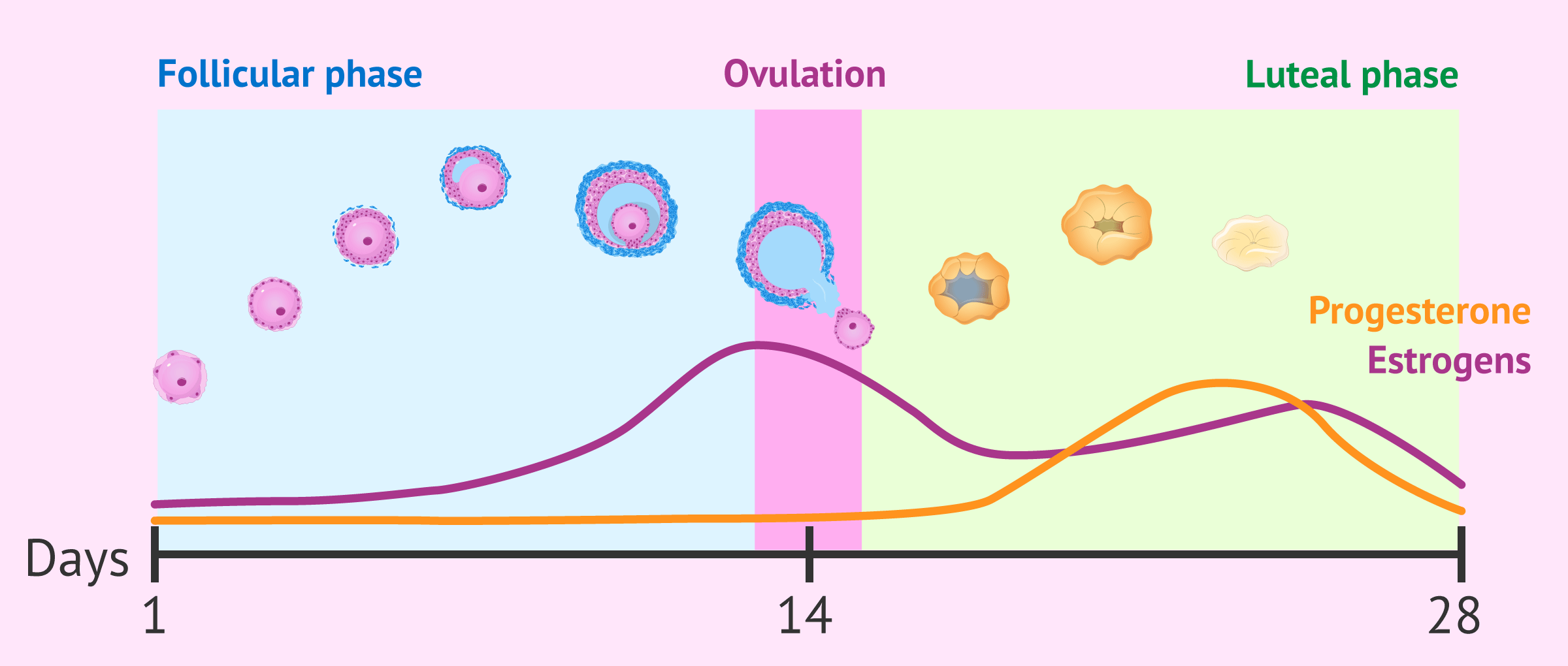
What is the luteal phase of the menstrual cycle and how long does it last?
The luteal phase is a phase of a woman's menstrual cycle in which her body prepares for a possible pregnancy. If pregnancy does not occur, the end of the luteal phase triggers menstruation and the beginning of the next menstrual cycle. Read more
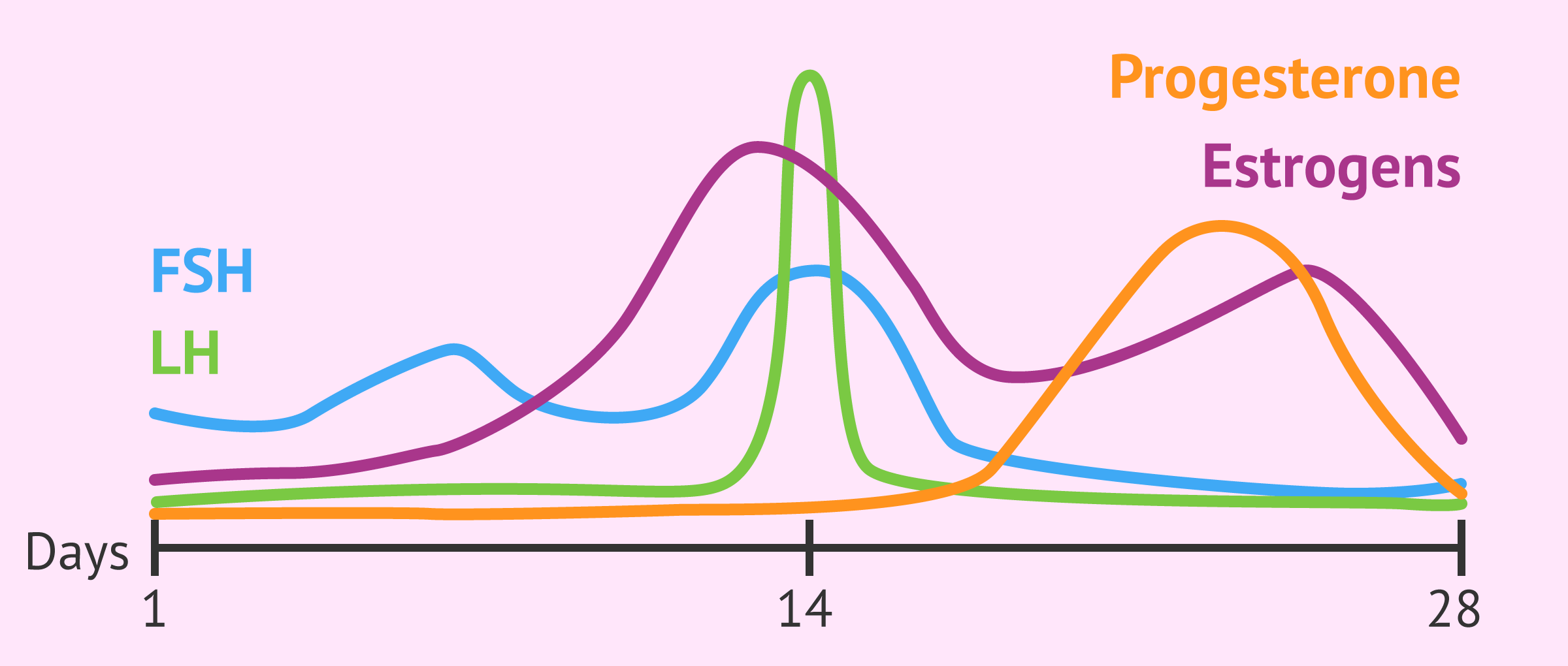
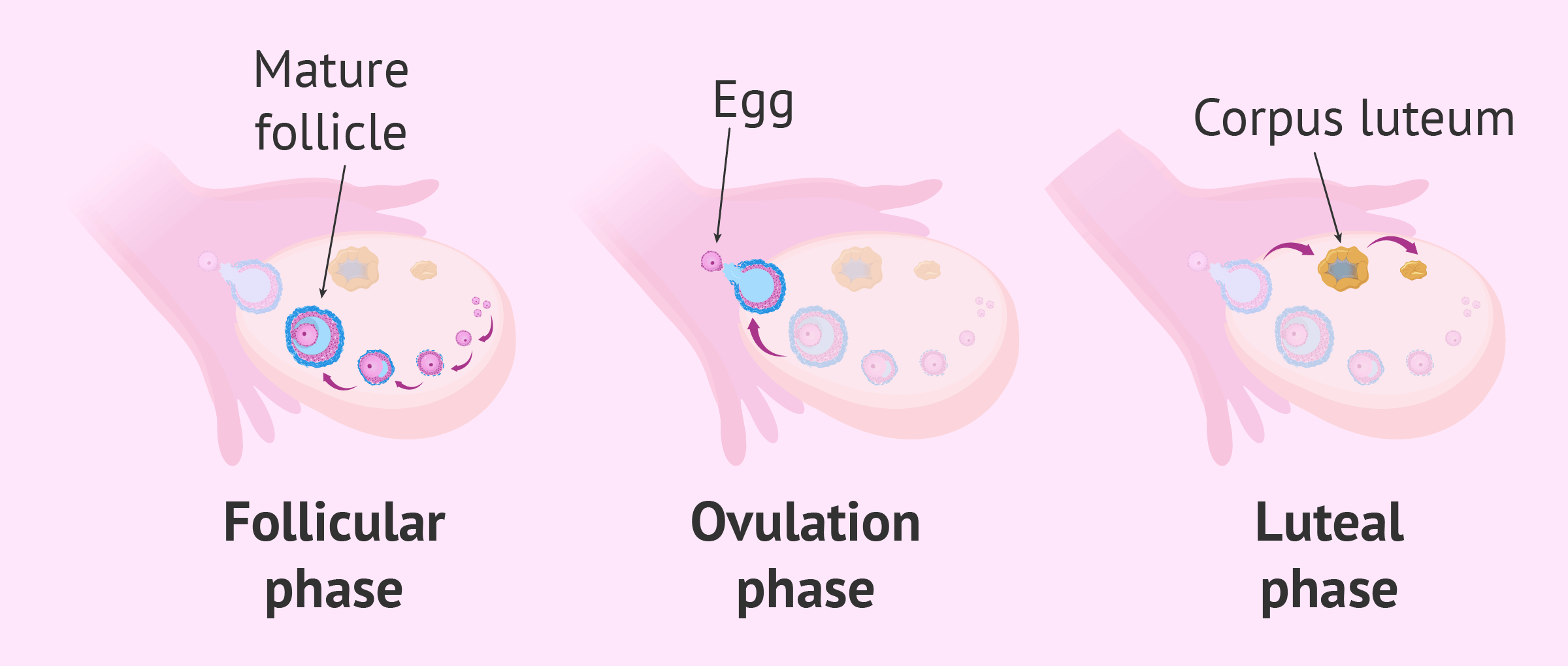
The menstrual cycle: what happens in each of its phases?
Regulated by hormones, the ovarian cycle consists fundamentally of three phases: the follicular phase, the ovulatory phase, and finally the luteal phase. At each phase, different sets of hormones take part. Read more
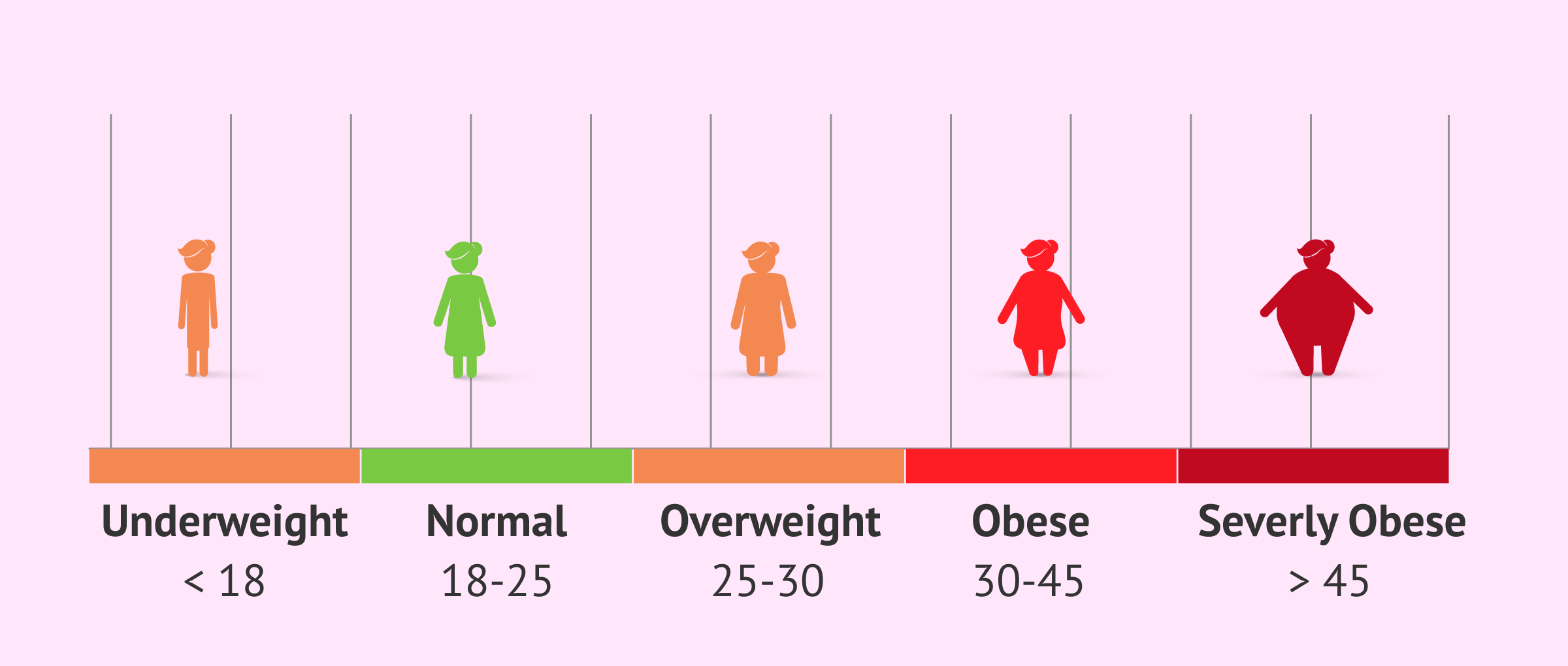
Infertility and body mass index: How does BMI affect Fertility?
Having an adequate body mass index (BMI) is very important when considering pregnancy, as excessive thinness and overweight can lead to alterations in fertility and an increased risk of obstetric complications. Read more
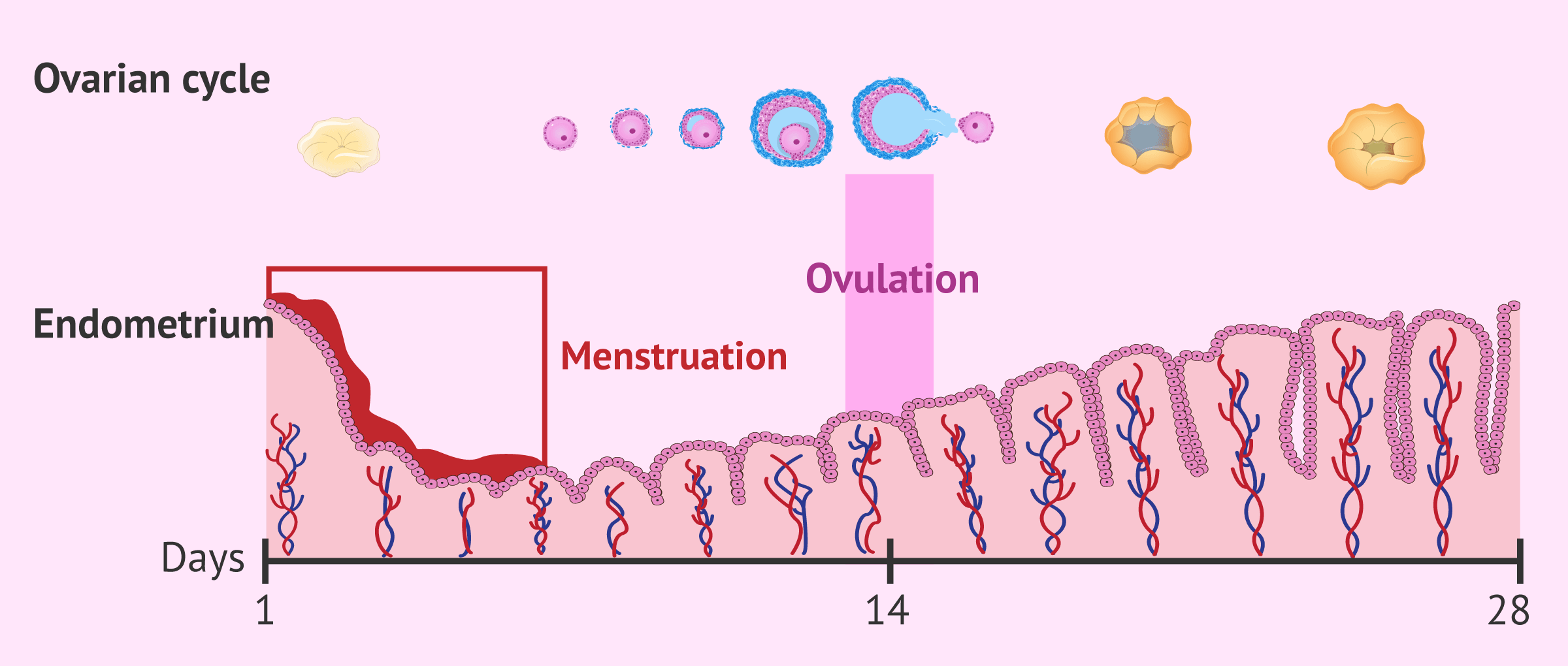
Ovulation and menstruation at the same time: is this possible?
Ovulation usually begins midway through the menstrual cycle. However, in either short or long menstrual cycles, ovulation can happen almost at the same time as menstruation. Read more

