
Article

When is absolute rest indicated in pregnancy?
Hay algunas embarazadas que, ante alguna complicación en la gestación, deben hacer reposo absoluto. El ginecólogo puede recomendar el reposo absoluto ante varias situaciones, como una amenaza de aborto o placenta previa. Sin embargo, el reposo absoluto no está exento de riesgos, además de ser duro psicológicamente.
Read more
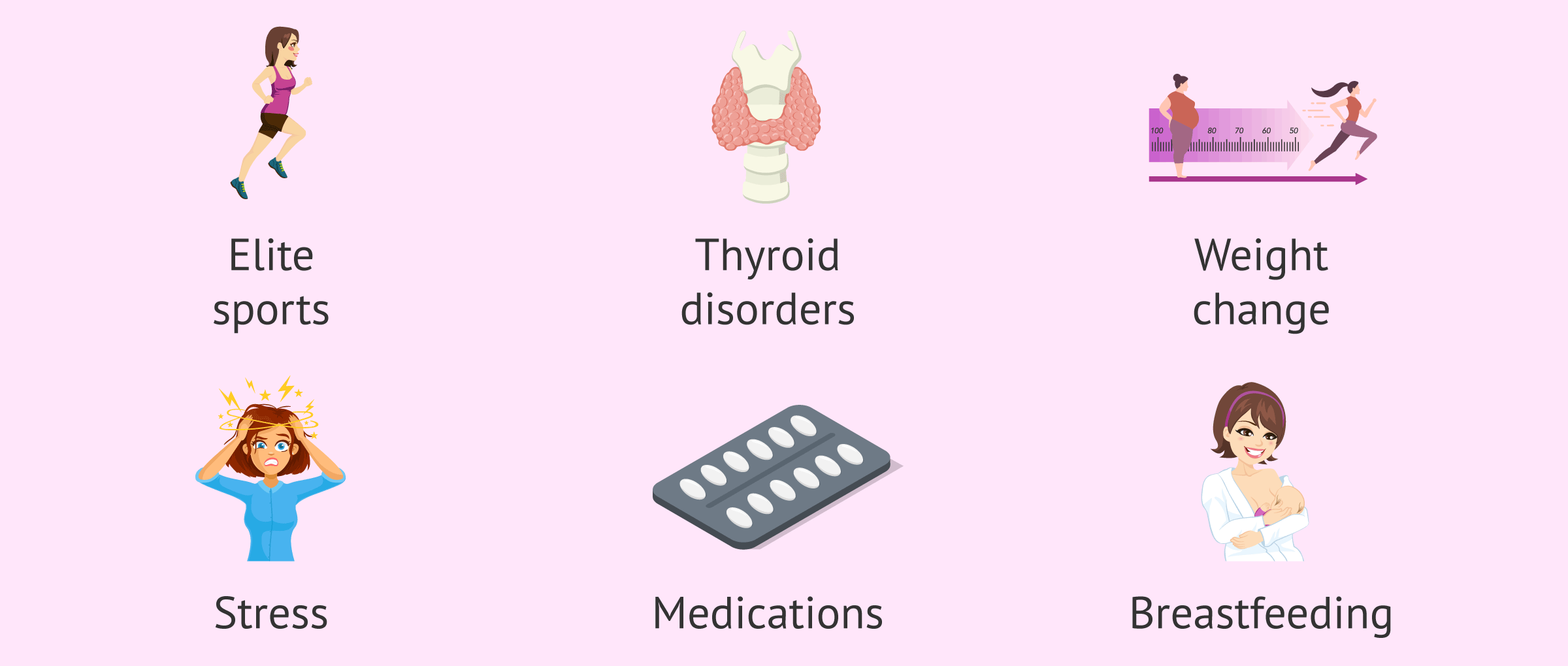
What may be the reason for a menstrual delay?
Menstrual bleeding does not always come in a timely manner, so delays in menstruation can occur. Pregnancy is one of the best known causes of menstrual delay, but it can be caused by many other reasons, including stress or rapid weight change.
Read more

Can physical exercise be performed during ovarian stimulation?
The question of whether it is possible to do sports during ovarian stimulation is frequently asked, especially if the woman is exercising prior to the assisted reproduction treatment. The truth is that it is possible to do sport during the stimulation, but adapting it to avoid the risk of ovarian torsion.
Read more
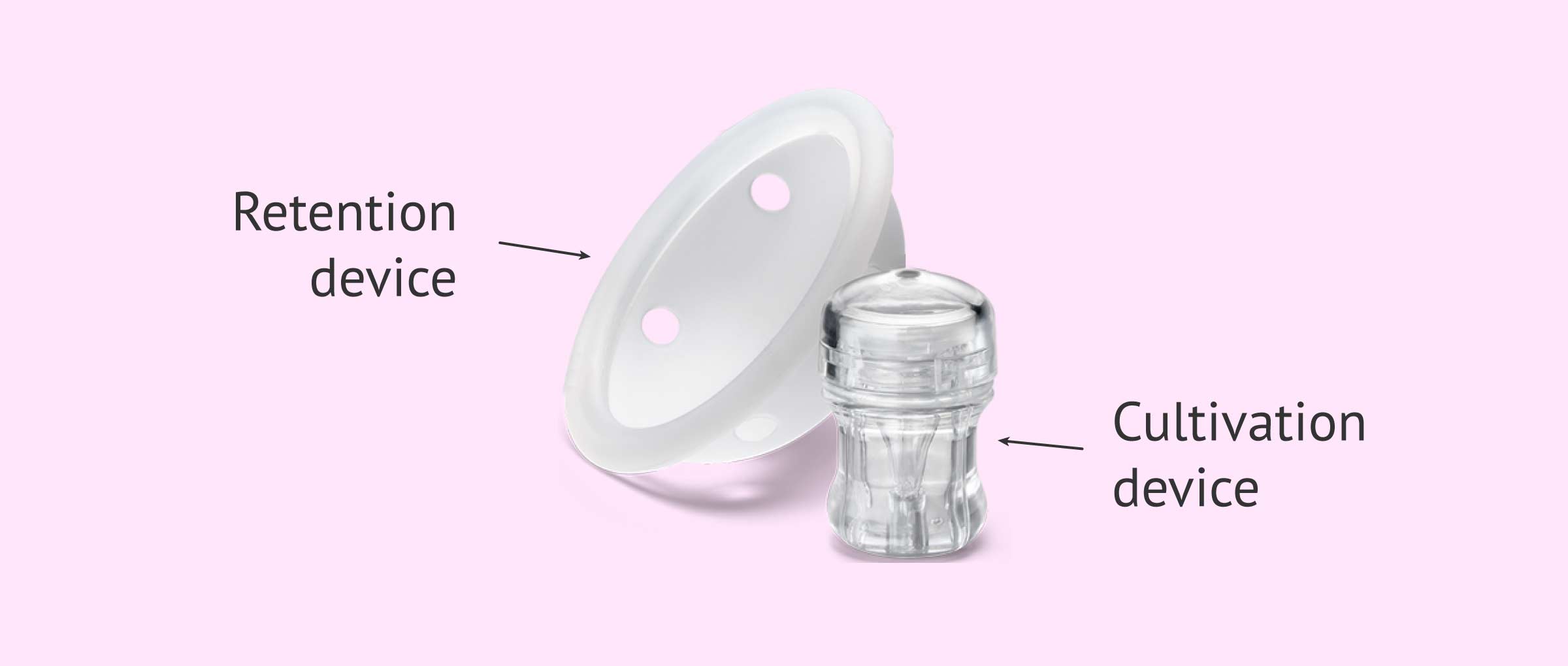
What is INVO? - Advantages and disadvantages of this method
The INVO method consists of a device that contains the eggs and sperm together with the culture medium. It is introduced inside the body so that the embryos are formed. The embryos are then observed and the best quality one is transferred.
Read more
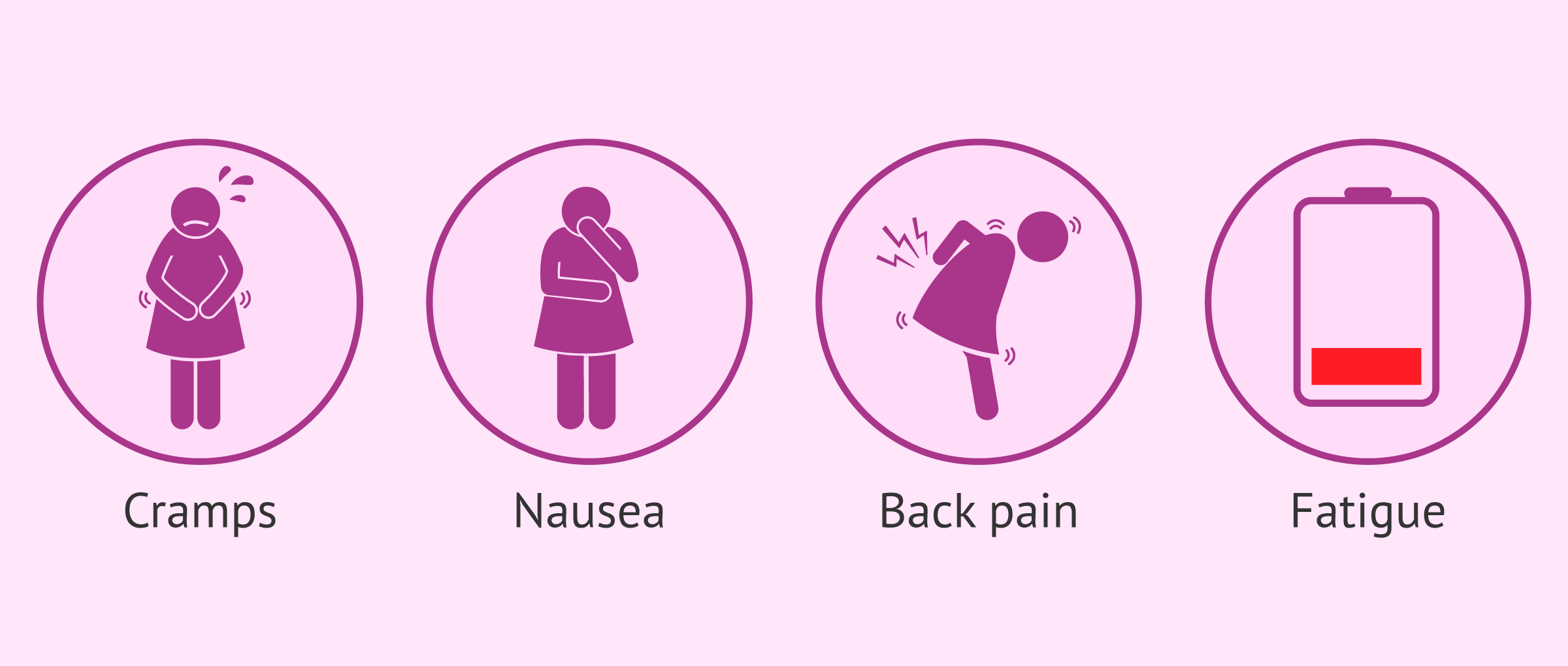
What happens in the 39th week of pregnancy? Expulsion of the mucus plug
It is the penultimate week of the tenth month of pregnancy: the labour can take place at any time now, as it normally happens, according to the doctors, between the 38th and the 40th week of pregnancy.
Read more
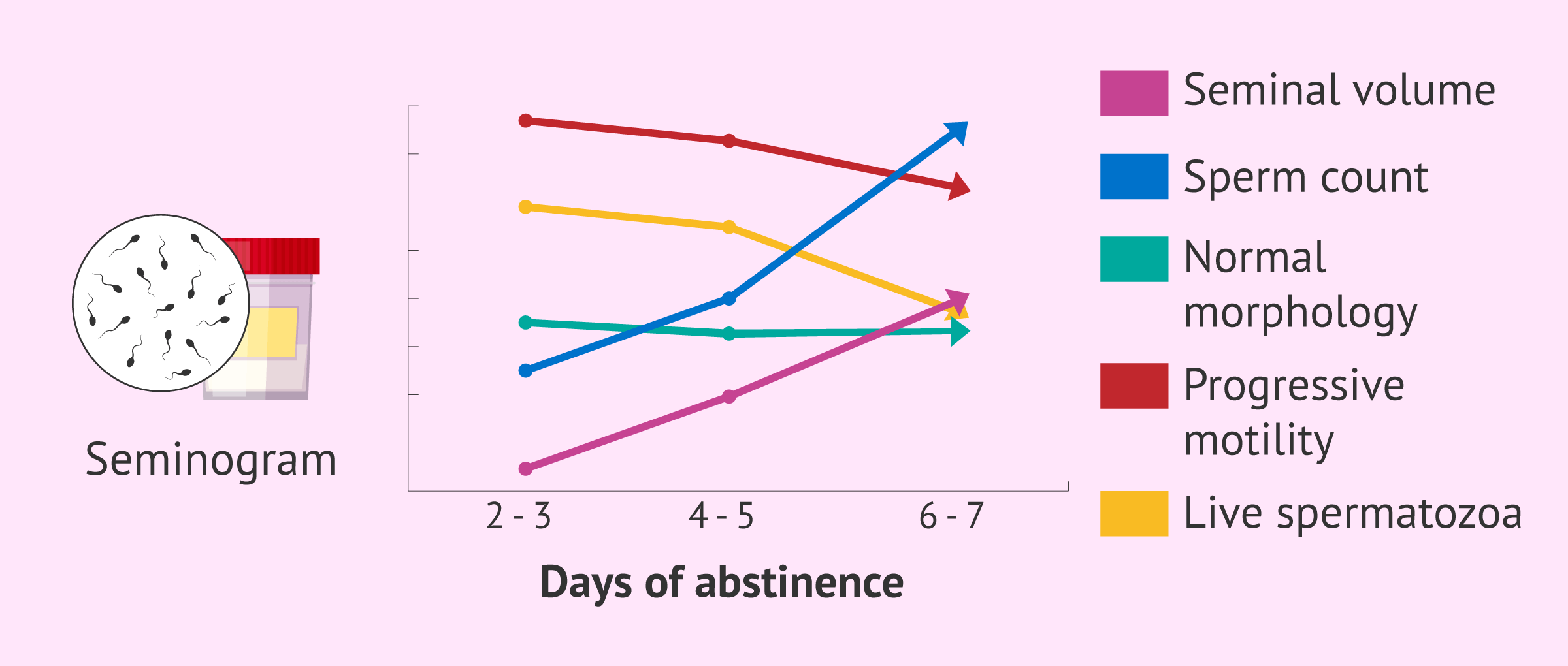
How Does Sexual Abstinence Affect Sperm Quality?
Contrary to popular belief, exceeded abstinence days may worsen semen quality due to an increased sperm concentration. This may affect sperm motility.
Read more

What Is Endometriosis? - Causes, Symptoms and Treatment
Endometriosis is a common disease that can hinder pregnancy in women. There are different degrees and its diagnosis can be difficult. To date, the exact causes of endometriosis are not known, although there are several accepted theories.
Read more
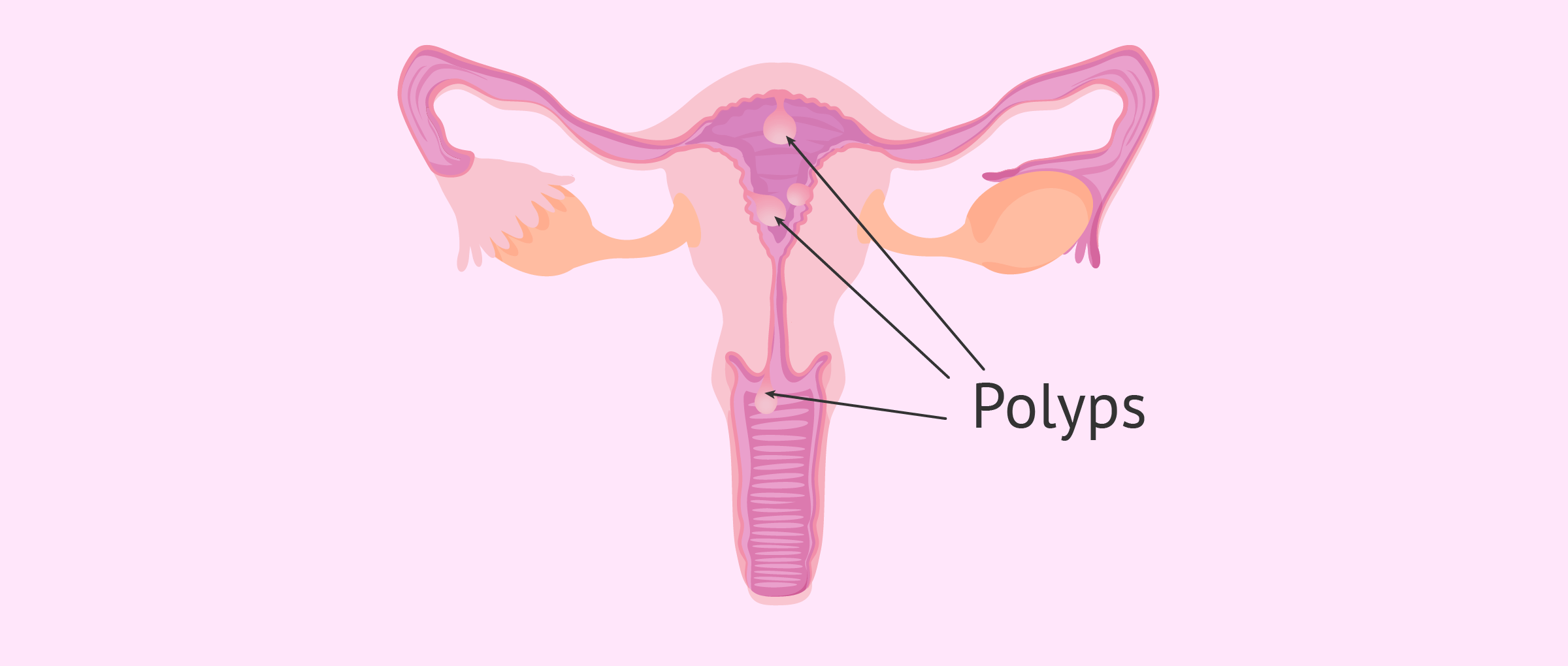
What is an endometrial or uterine polyp? - Symptoms and treatment
A common symptom of endometrial polyps is bleeding. They hinder pregnancy and some can cause cancer. The treatment is hysteroscopy.
Read more
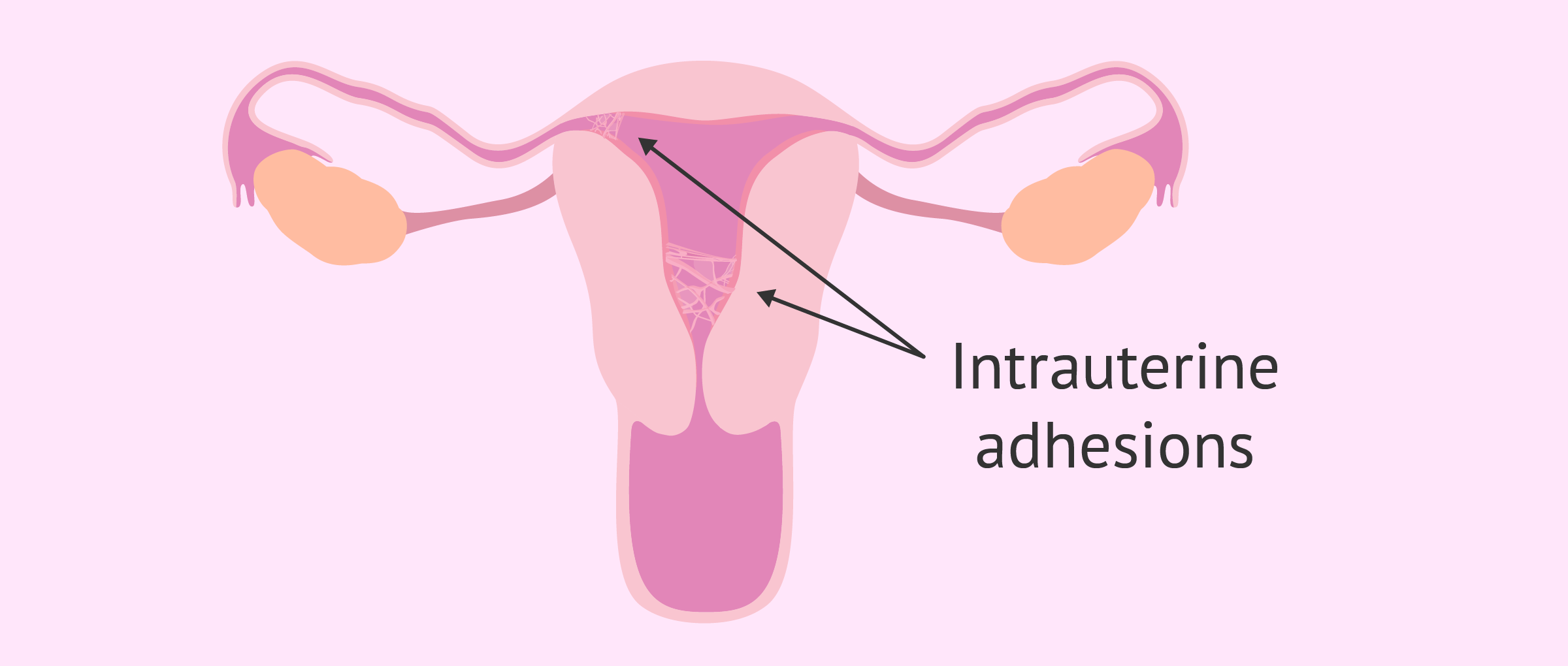
Asherman’s Syndrome - Signs, Treatment & Chances of Pregnancy
Asherman's syndrome is a pathology characterized by the presence of uterine adhesions or synechiae that cause adhesion between the walls of the uterus. This syndrome is frequently caused by uterine curettage and can cause fertility problems in women.
Read more
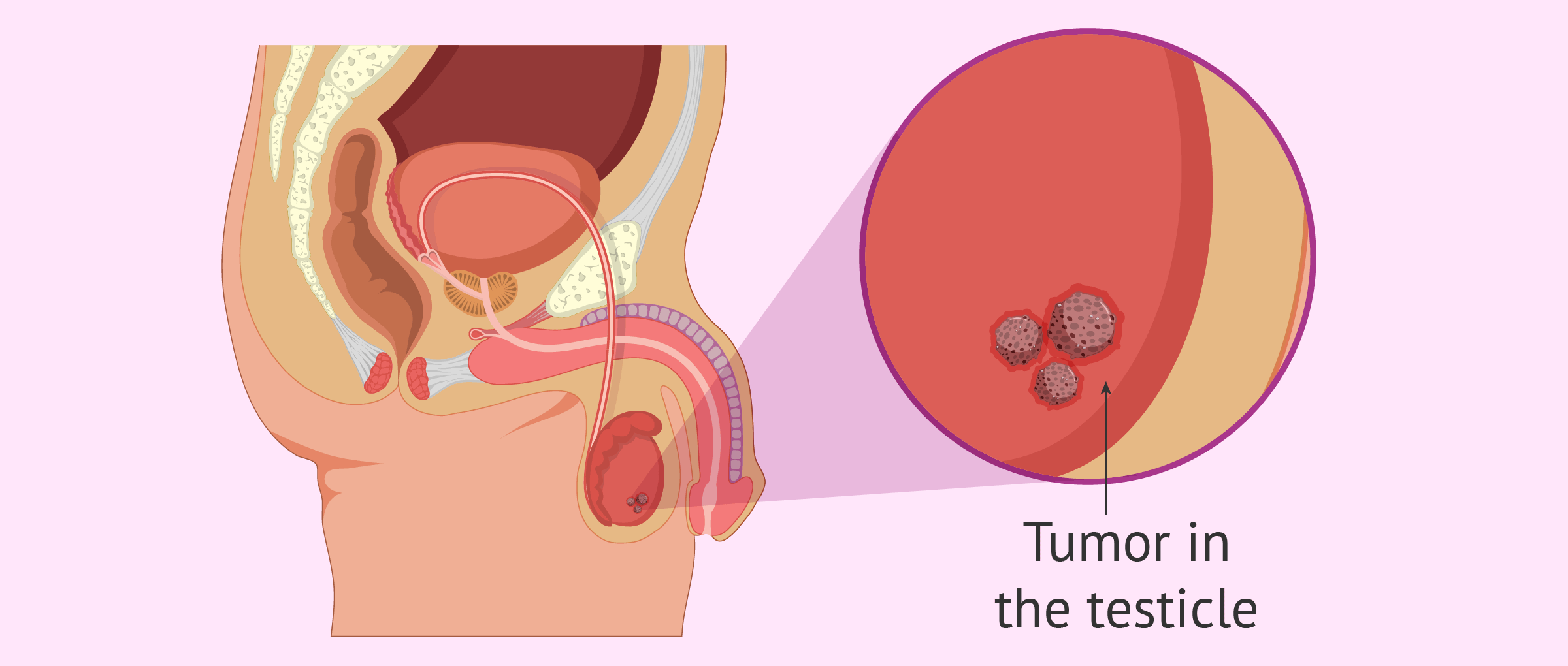
Testicular Cancer: Causes, Symptoms, Diagnosis & Treatment
Testicular cancer affects young men of childbearing age, so their fertility may be compromised if they do not freeze semen.
Read more
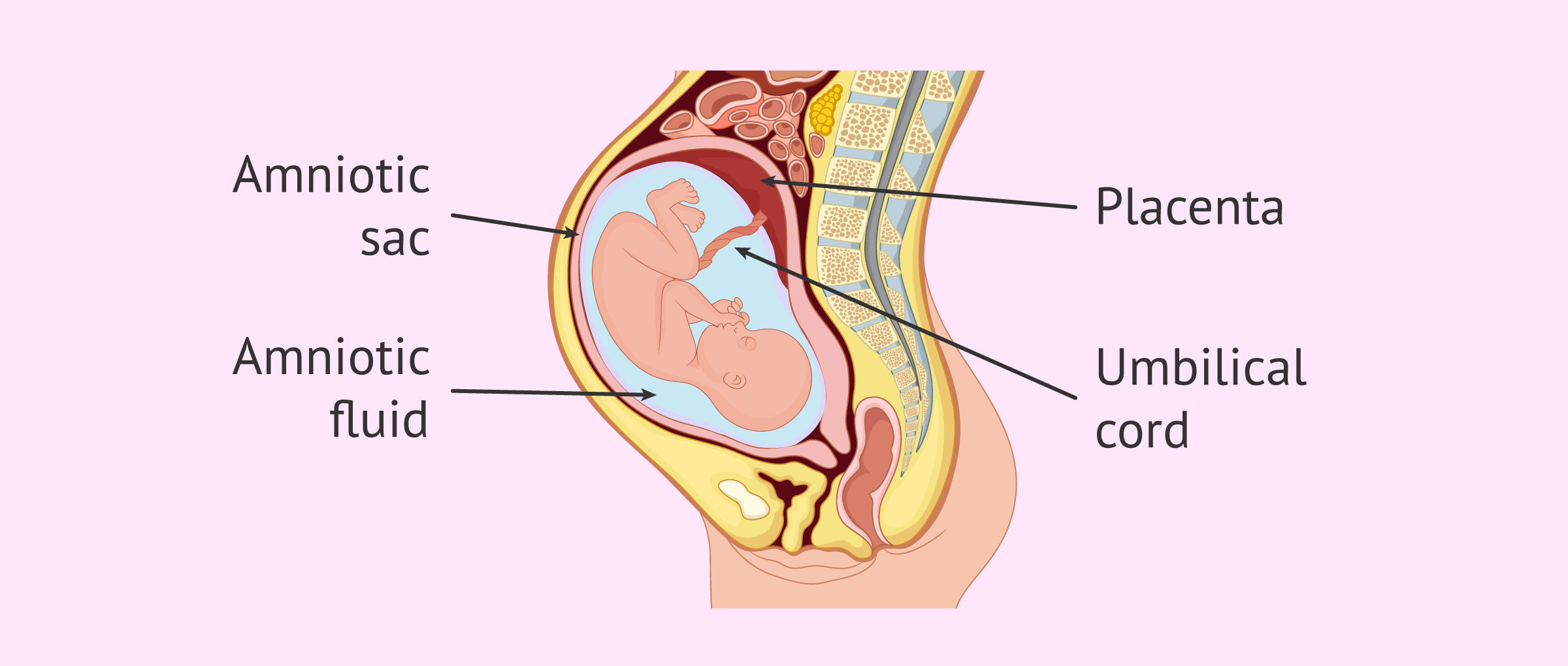
Amniotic fluid: what is it and what is it used for in pregnancy?
Amniotic fluid envelops the fetus throughout pregnancy. Its main function is to protect the fetus, keep its temperature constant and cushion the mother's movements so that they do not cause any harm.
Read more
When should you take a pregnancy test for it to be reliable?
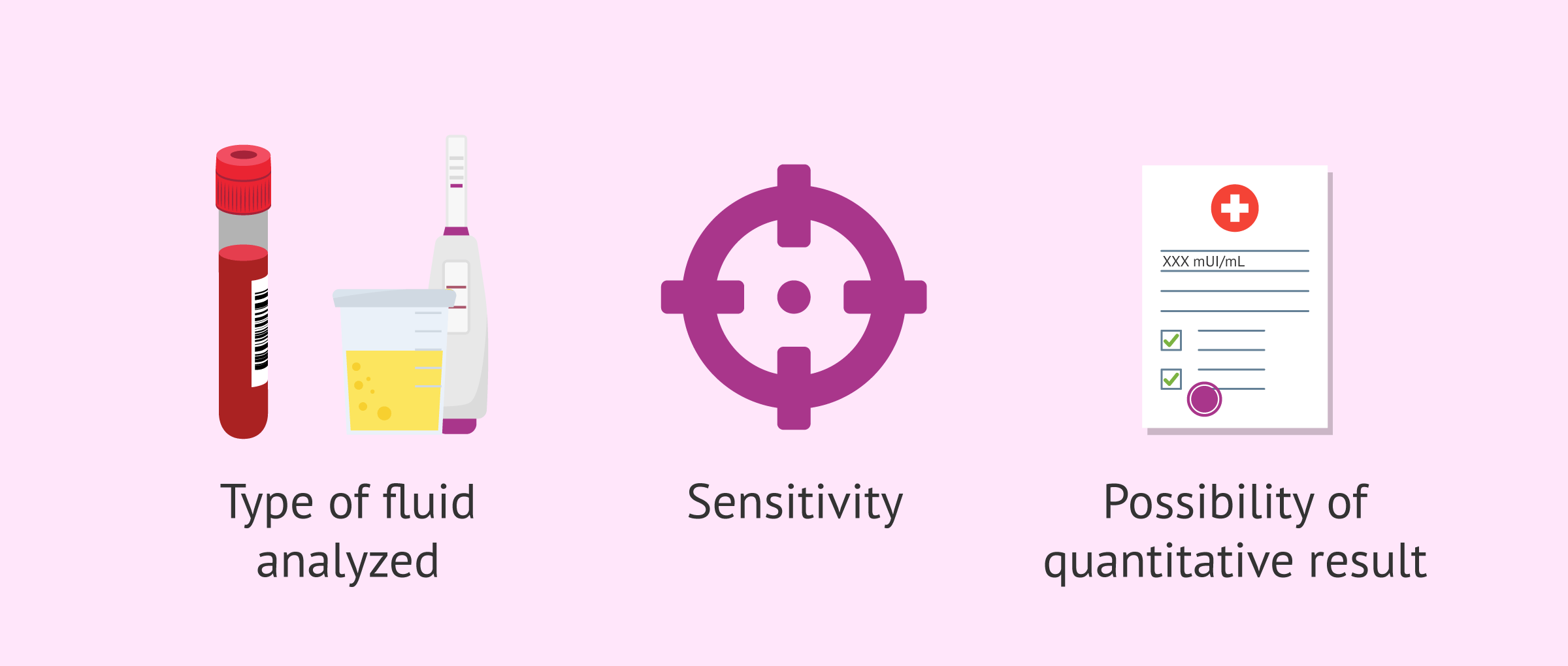
Pregnancy tests are highly accurate as long as they are done the first day after you period is delayed, or 15 days after engaging in sexual activity without contraception. However, blood tests are more accurate than urine tests at detecting pregnancy.
Read more

