
Article
When should you see a fertility specialist?
The moment when a couple should see a specialist is when, after more than a year of frequent unprotected sexual intercourse, pregnancy is not achieved. In the case of single women or lesbian couples, professionals should be consulted when they wish to achieve their desire to become mothers.
Read more

Do fibroids affect fertility and IVF outcome?
When a woman is diagnosed with uterine fibroids, she often wonders whether they affect her fertility and even the results of in vitro fertilization (IVF). In general, submucous fibroids are the ones that have been most associated with greater reproductive impairment.
Read more
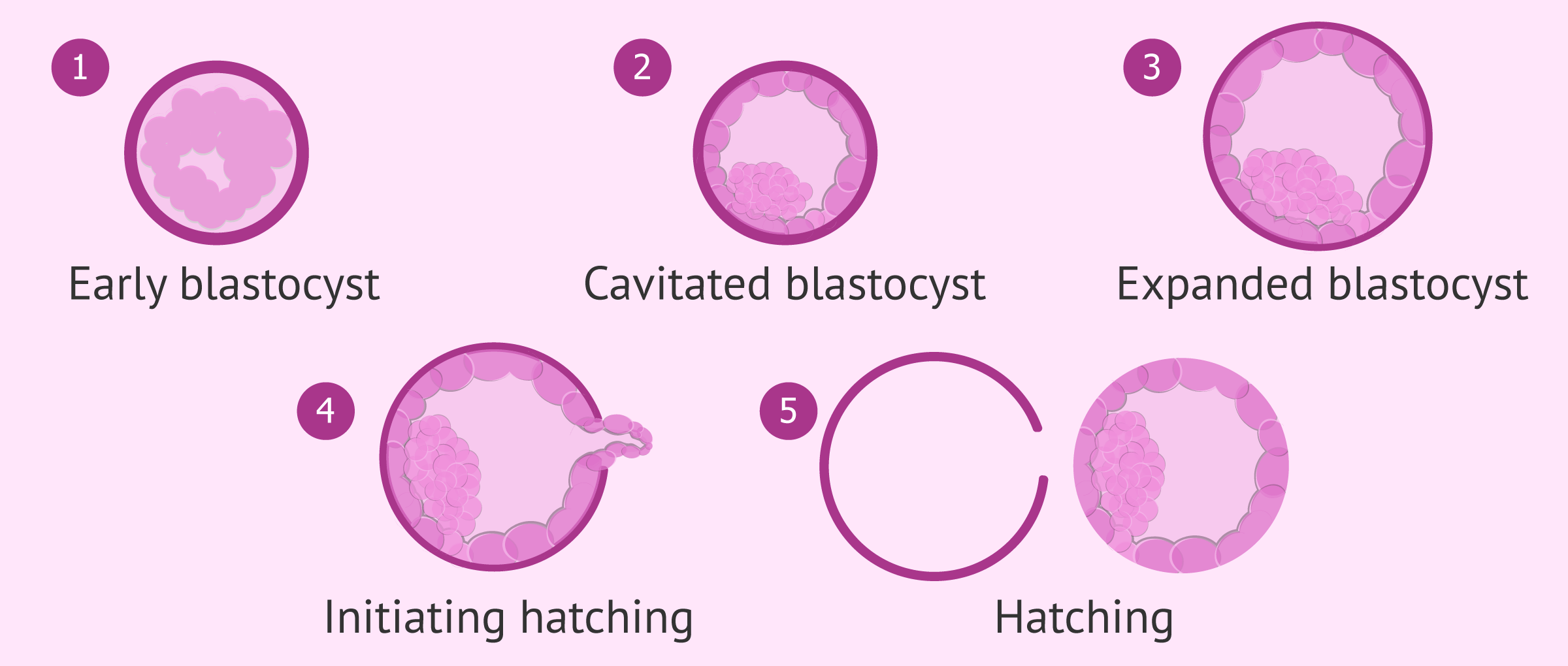
How are embryos classified according to their day of development?
In in vitro fertilization (IVF) treatments, it is essential to classify the embryos according to their quality in order to decide which ones to transfer to the uterus, which ones to freeze, and which ones are discarded. Depending on the day of embryo development, the classification will be different.
Read more
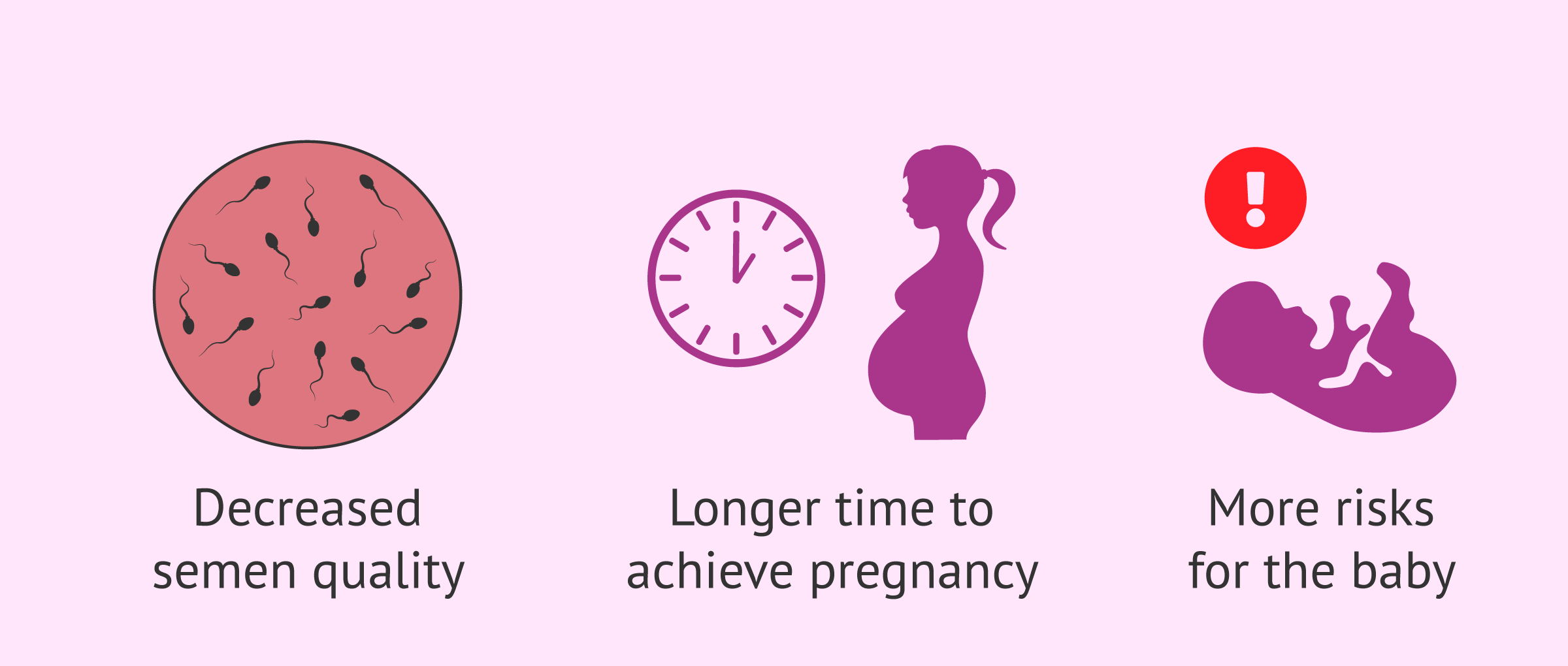
Are men also at the optimum age to become fathers?
Men are generally not concerned about whether age affects their fertility. However, a man's fertility may be reduced at an older age, and the risk of obstetric complications and certain diseases in the offspring may be increased.
Read more
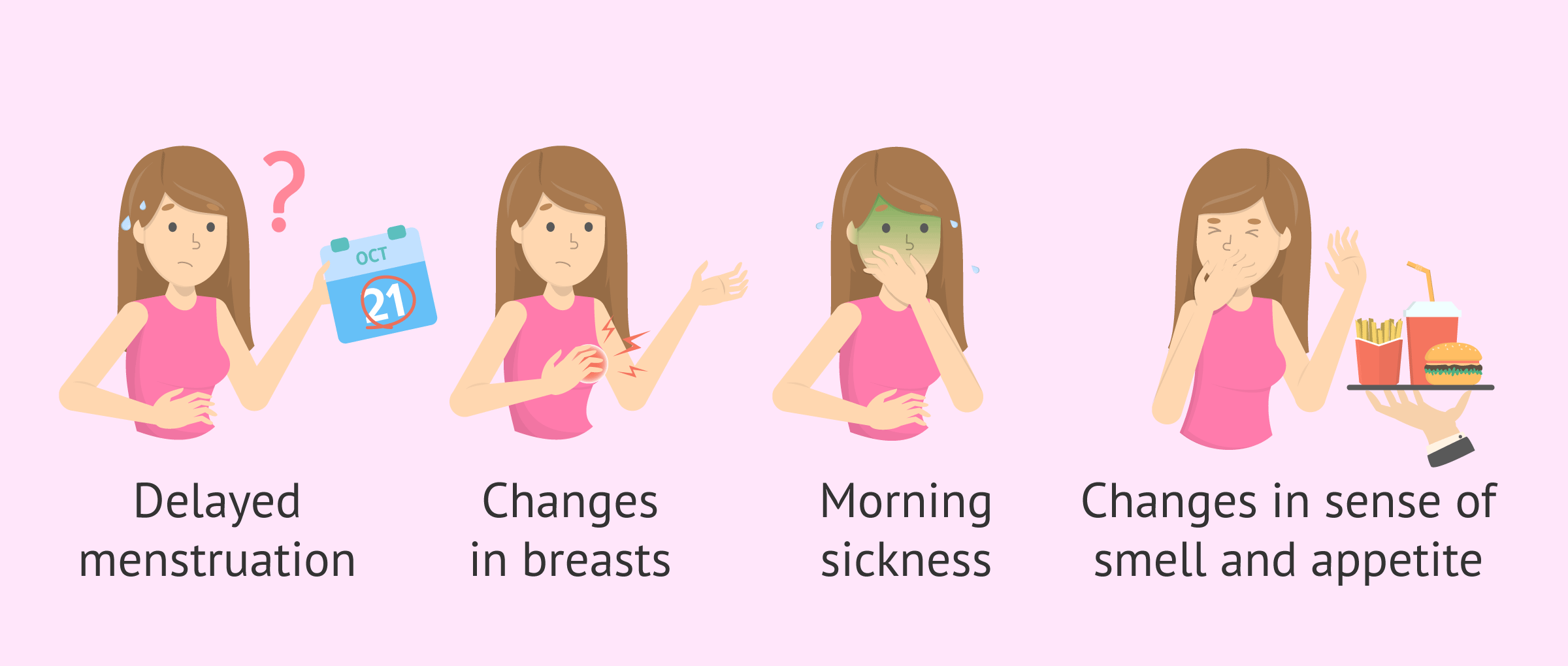
What are the symptoms of pregnancy throughout the nine months?
The most typical symptoms of pregnancy are menstrual delay, breast changes, nausea and vomiting, fatigue and frequent urination, among others. However, not all women and not all pregnancies are the same, so different symptoms may be experienced in each case.
Read more
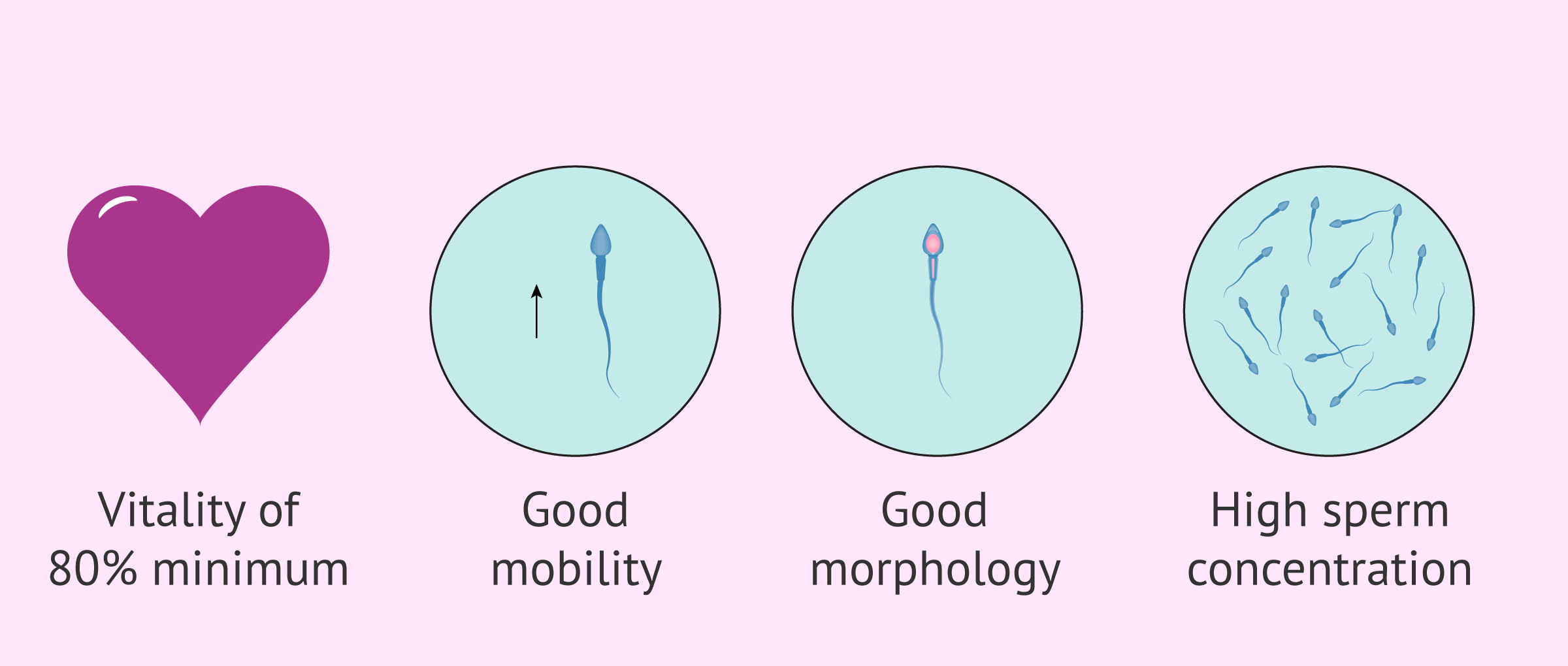
What's Being a Sperm Donor Like? - Things to Consider
How does becoming a sperm donor work? What are the requirements? Is anonymity a prerequisite? Learn about the criteria for selecting sperm donors here.
Read more
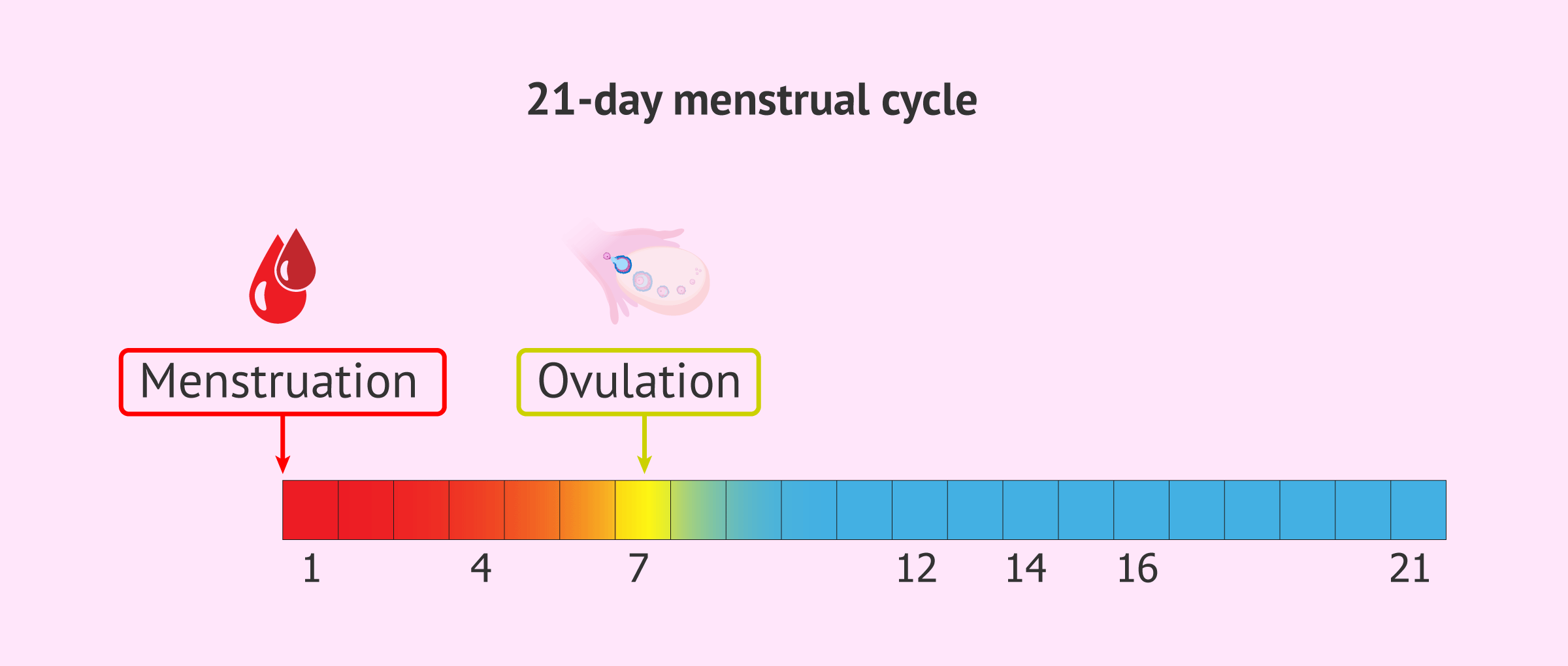
Can I get pregnant while on my period?
Although it is true that the probability is small, a woman can become pregnant if she has sexual intercourse without contraceptive protection during menstruation, especially if her menstrual cycles are short. For this reason, it is advisable to use a contraceptive method if pregnancy is not desired.
Read more
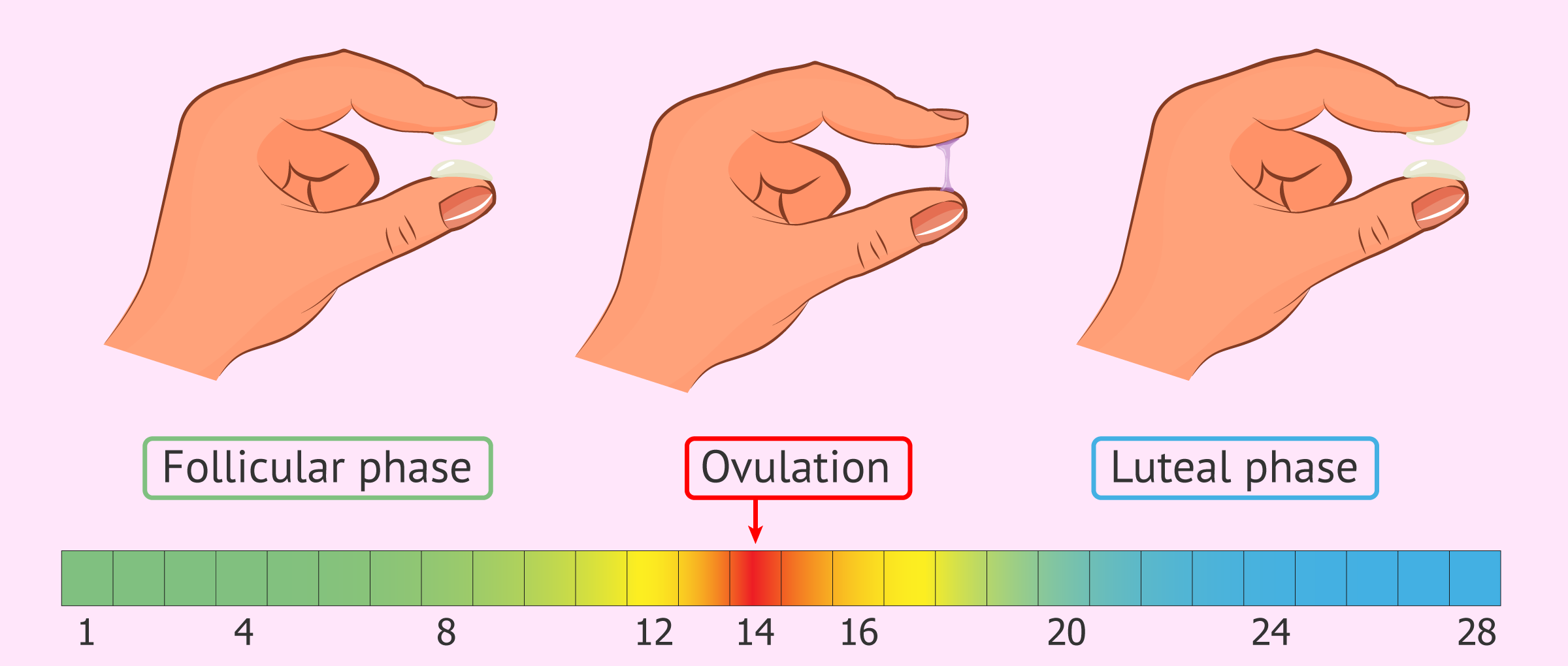
Use of Cervical Mucus as a Fertility Indicator
The cervical mucus undergoes a series of changes during the menstrual cycle, which allows a woman to estimate when ovulation will occur. Thus, by observing the characteristics of the cervical mucus, a woman's most fertile days can be calculated to increase her chances of becoming pregnant.
Read more
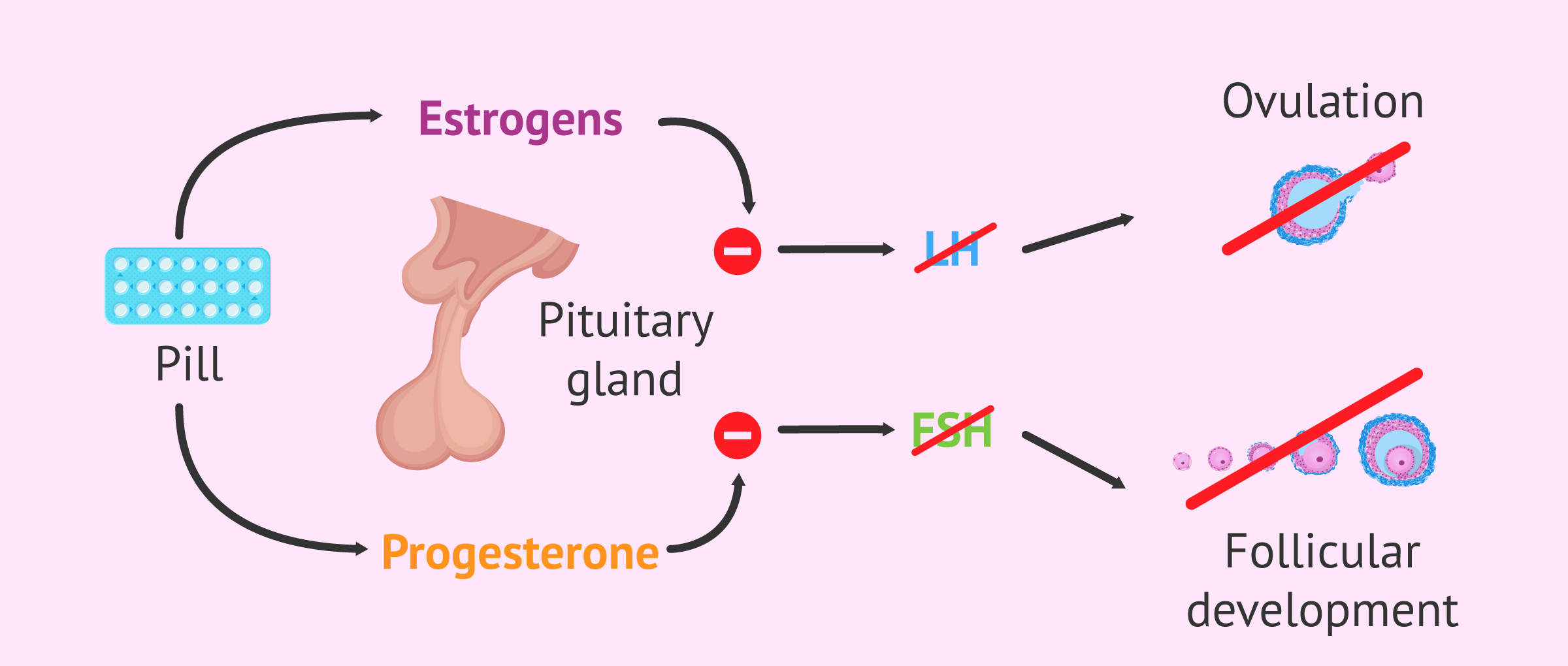
Absence of menstruation or amenorrhea: causes and treatment
Amenorrhea is the absence of period in women. It is considered to be amenorrhea when a woman of childbearing age hasn't had her period for over three months. To diagnose it, blood analyses and ultrasounds are carried out.
Read more
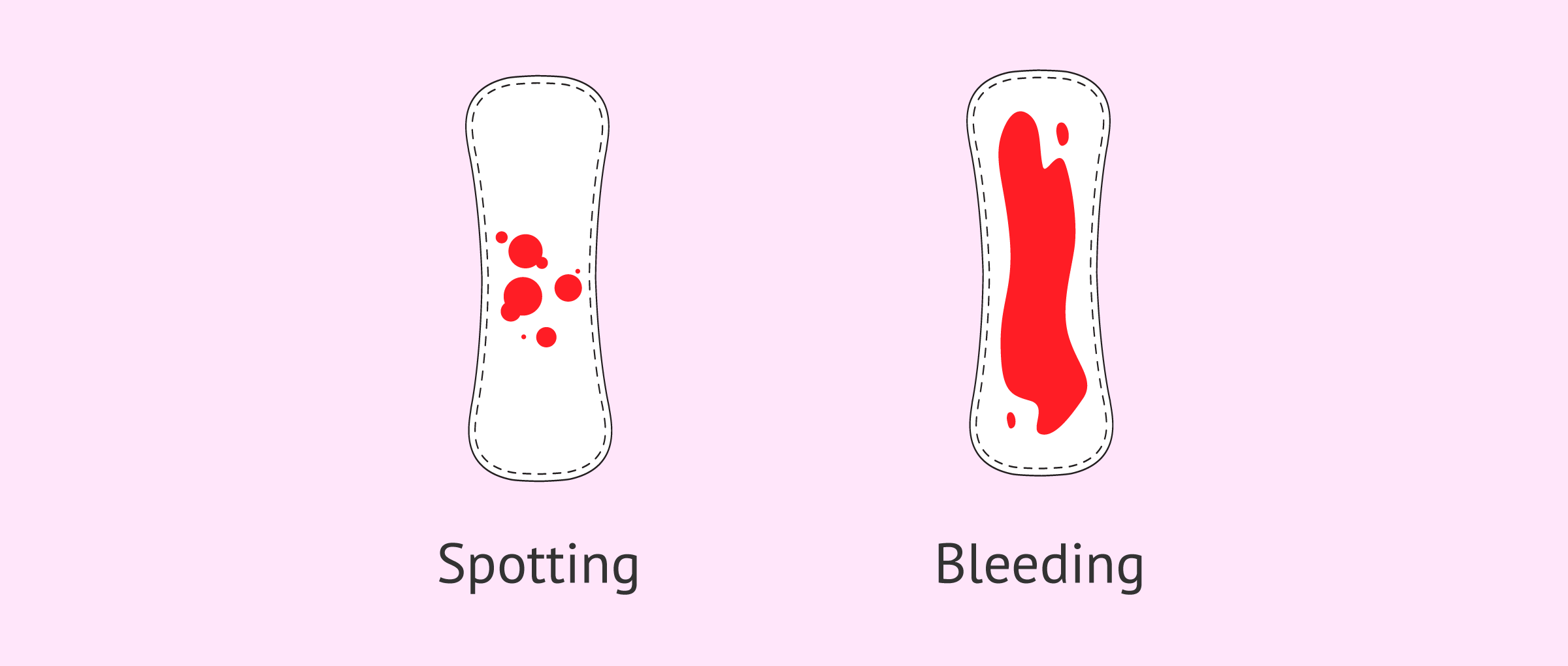
Is bleeding in pregnancy normal? What are the causes?
During pregnancy, especially in the beginning, bleeding may occur. Spotting or bleeding in pregnancy is not always indicative of a problem, but it is best to always tell a specialist so that he or she can assess the causes and check if there is any risk to the woman or baby.
Read more
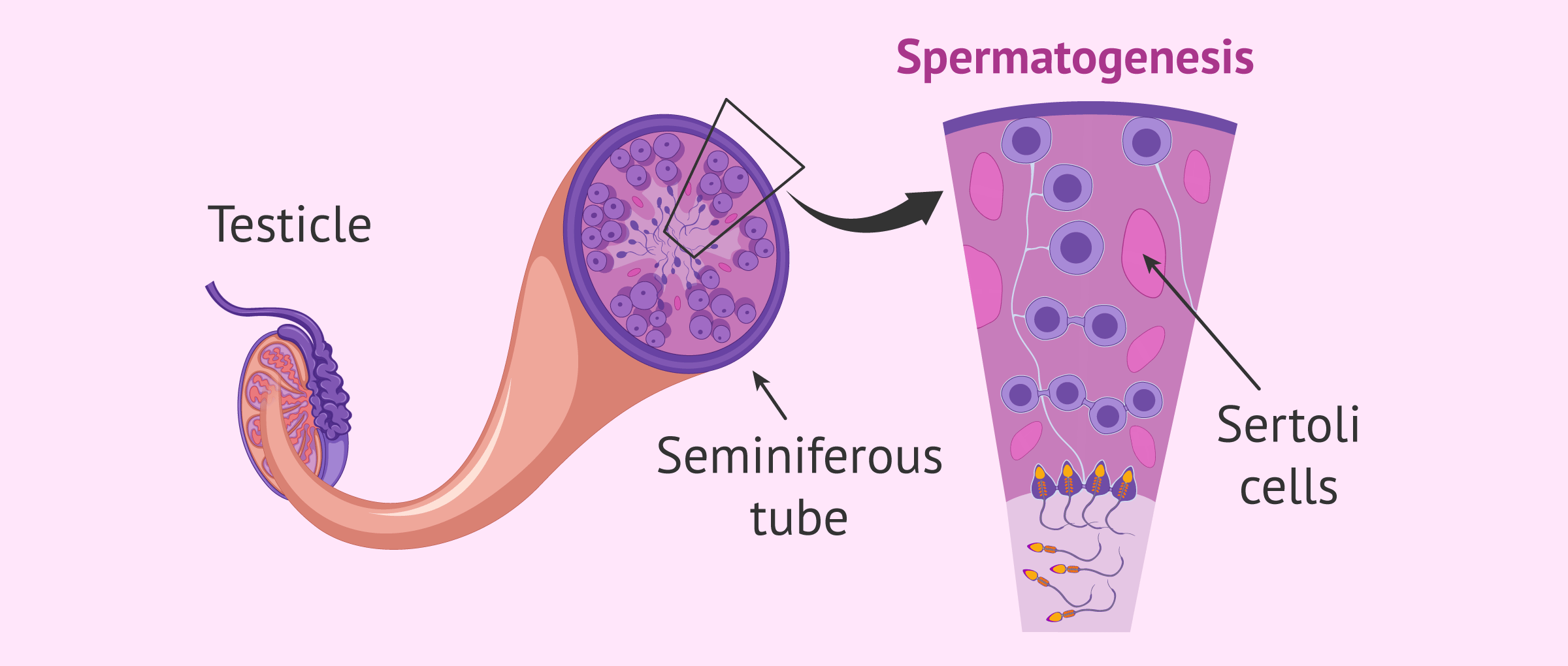
What is Sertoli syndrome? - Causes and possible treatment
Sertoli syndrome has a low incidence in the population, but men who suffer from it are unable to produce spermatozoa and, generally, must resort to sperm donation in order to become fathers.
Read more
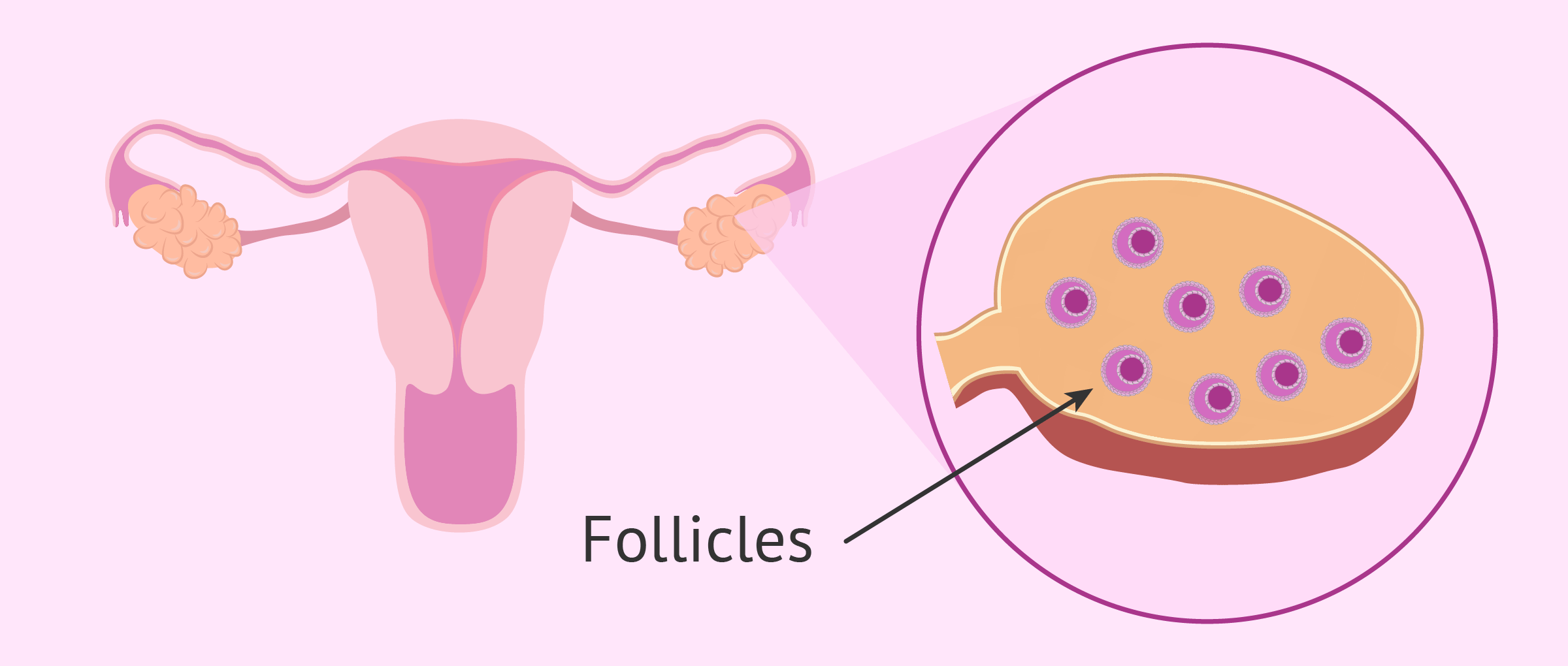
What is the difference between polycystic ovary and PCOS?
Having polycystic ovaries and having polycystic ovary syndrome (PCOS) are two conditions that differ both in their origin and in their consequences. In the case of polycystic ovaries there is no direct relationship with the development of cysts.
Read more

