
Latest Publications
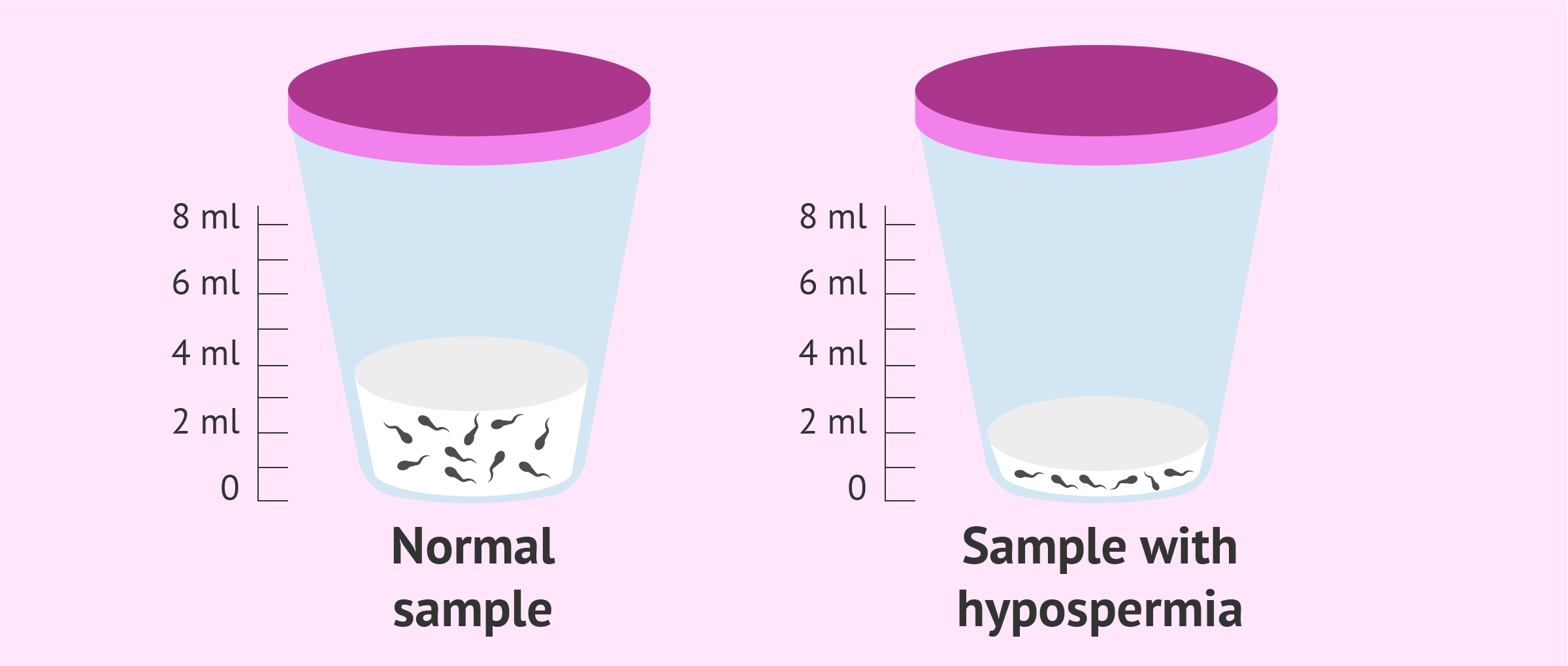
What Is Hypospermia? - Causes, Symptoms & Treatment
Hypospermia is a sperm disorder in which the man has an unusual low volume of ejaculate or semen. Hypospermia is diagnosed when the amount of semen is below 1.5 ml. Although it causes male infertility in some cases, in principle men with this problem can conceive naturally by following the appropriate treatment. Read more
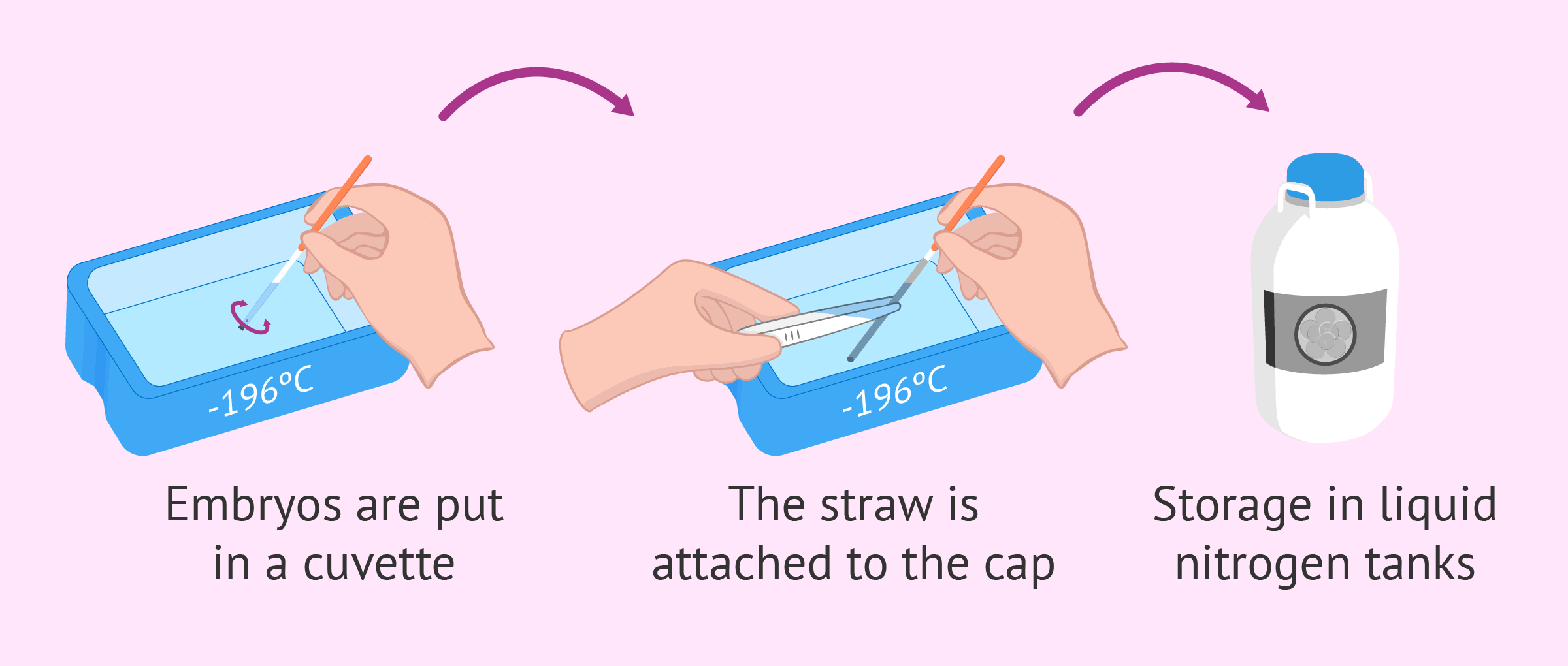
What is embryo vitrification? How and when is this procedure used?
Nowadays, embryo freezing is carried out using the vitrification technique, which is an ultra rapid procedure that offers high survival rates of post-thaw embryos. Read more
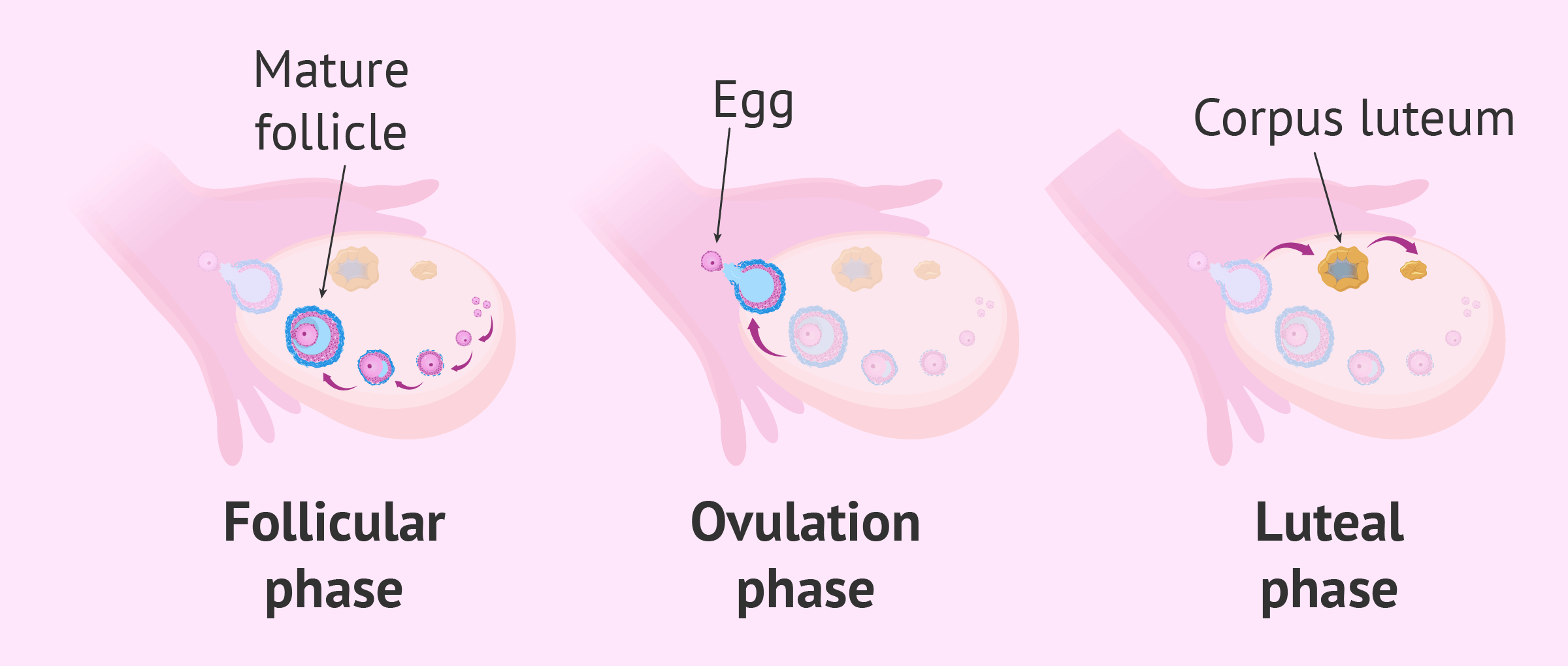
When does ovulation occur? What are the symptoms of it?
Ovulation is the phase of the menstrual cycle when an egg is released from the ovary to the Fallopian tube. It marks the beginning of the fertility window in women. Read more

Sperm Test Results Explained - Interpretation & Normal Values
Understanding correctly the results of a semen analysis report is crucial to get valuable information about the quality of the sperm you produce and your overall fertility, especially if you are planning on trying for a baby. Read more
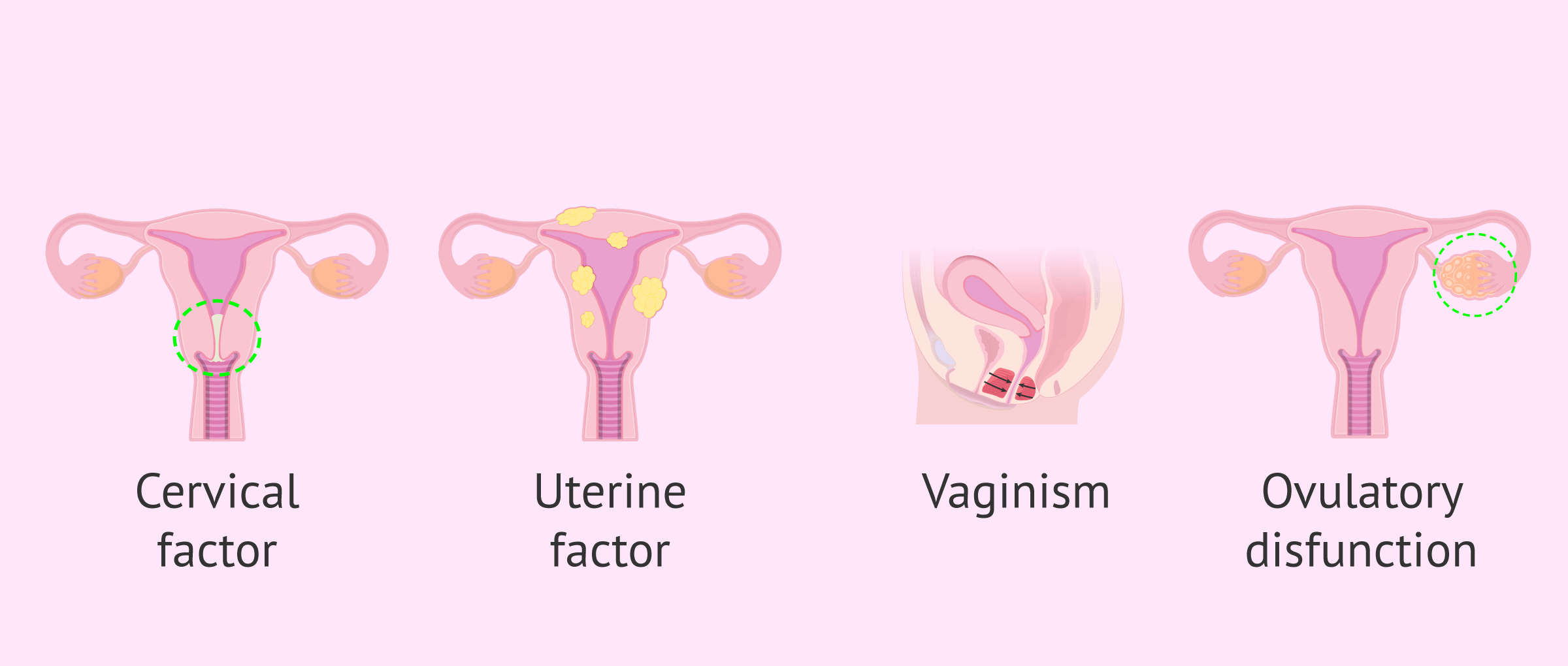
Artificial Insemination Indications - Why & When to Use It?
Artificial insemination is used in mild cases of infertility. Here you will find information on when to use both Artificial Insemination by Husband (AIH) and by Donor (AID).
Read more

Cryopreservation & Vitrification of Embryos, Sperm & Eggs
Cryopreservation of gametes and embryos provides flexibility when it comes to preserving one's fertility. Learn about the methods available and costs here.
Read more
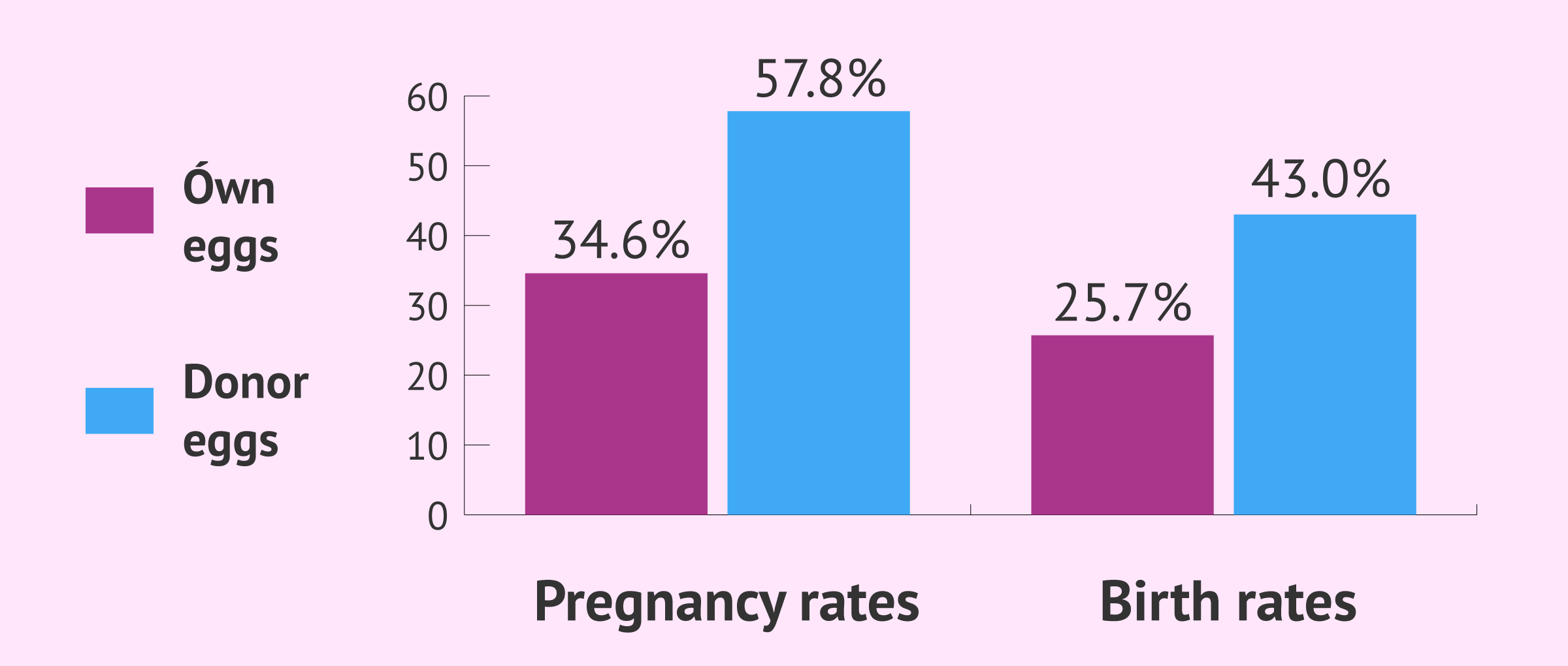
IVF with egg donation: what are the chances of getting pregnant?
Ovodonation is one of the assisted reproduction treatments with the highest success rates, since the probability of achieving pregnancy after an embryo transfer is approximately 57.5%. This is due to the use of very good quality eggs. Read more
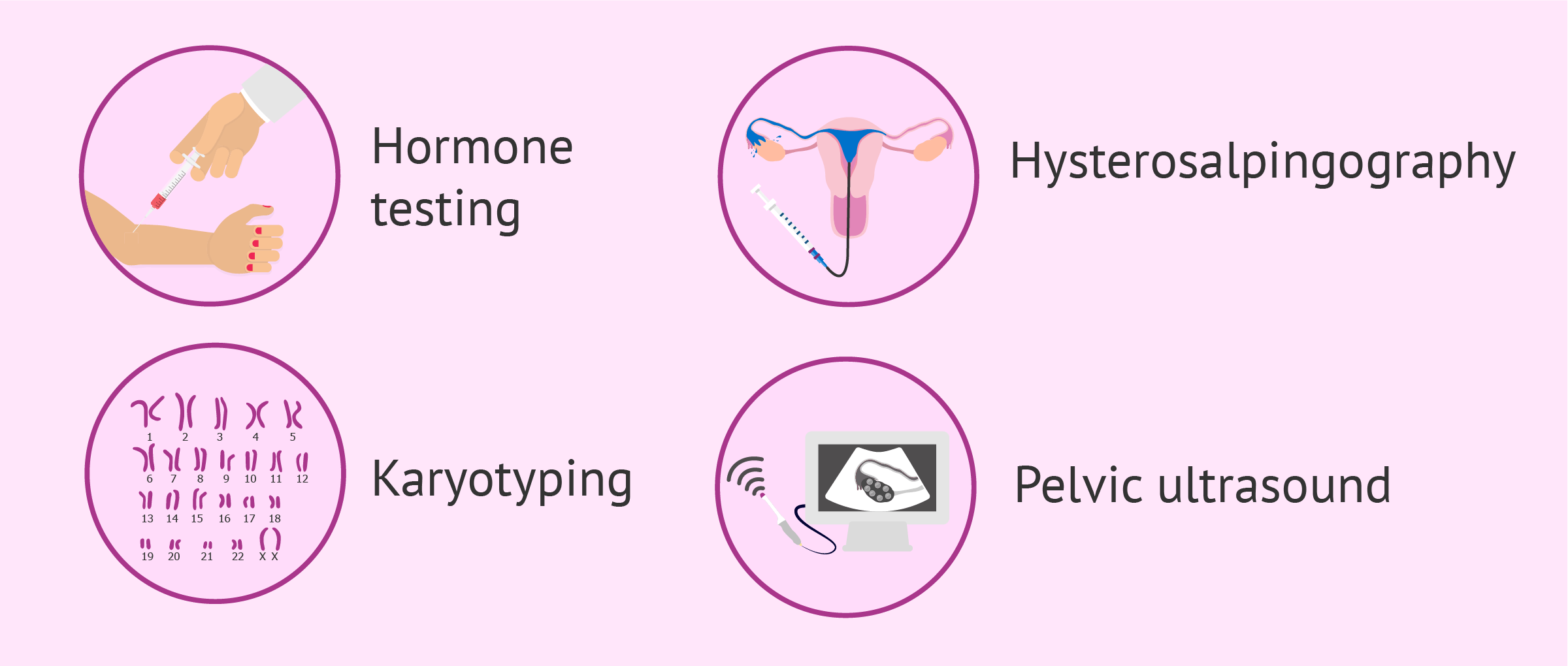
What are the fertility tests for women and what do they consist of?
To know if a woman is infertile, it is necessary to undergo fertility tests, including a hormone blood test, pelvic ultrasound, and hysterosalpingography. Read more
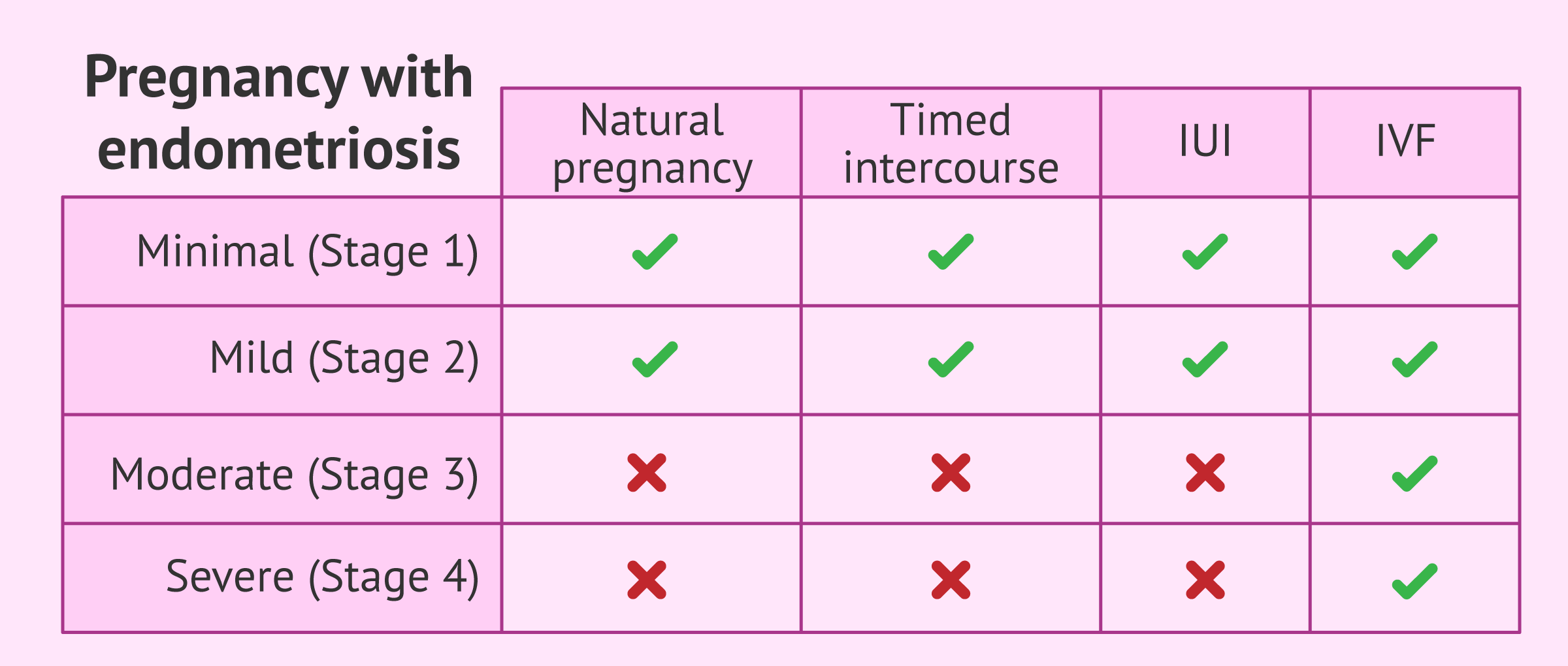
Can You Get Pregnant with Endometriosis? - Your Chances of Success
Endometriosis can affect a woman's chances of becoming pregnant naturally. The good news is that you can get pregnant with the proper treatment, including laparoscopic surgery, IUI, IVF and other fertility options that you can find explained in this guide to getting pregnant with endometriosis. Read more
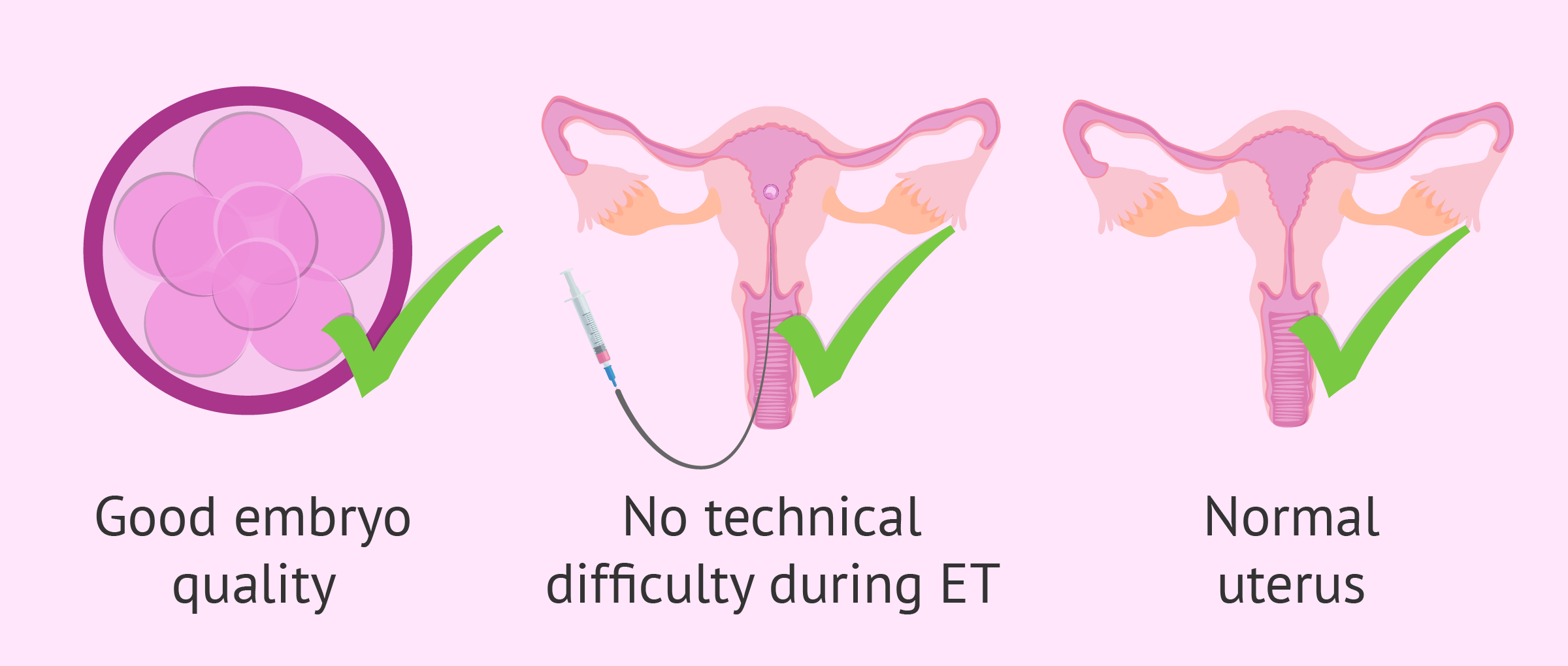
Repeated Implantation Failure - Reasons Why Embryos Don't Implant
Repeated or recurrent implantation failure (RIF) is detected when good quality embryos fail to implant after several cycles of In Vitro Fertilization (IVF). The causes of RIF can be due to maternal, embryonic, or systemic factors. Learn about the signs and treatments for RIF here. Read more
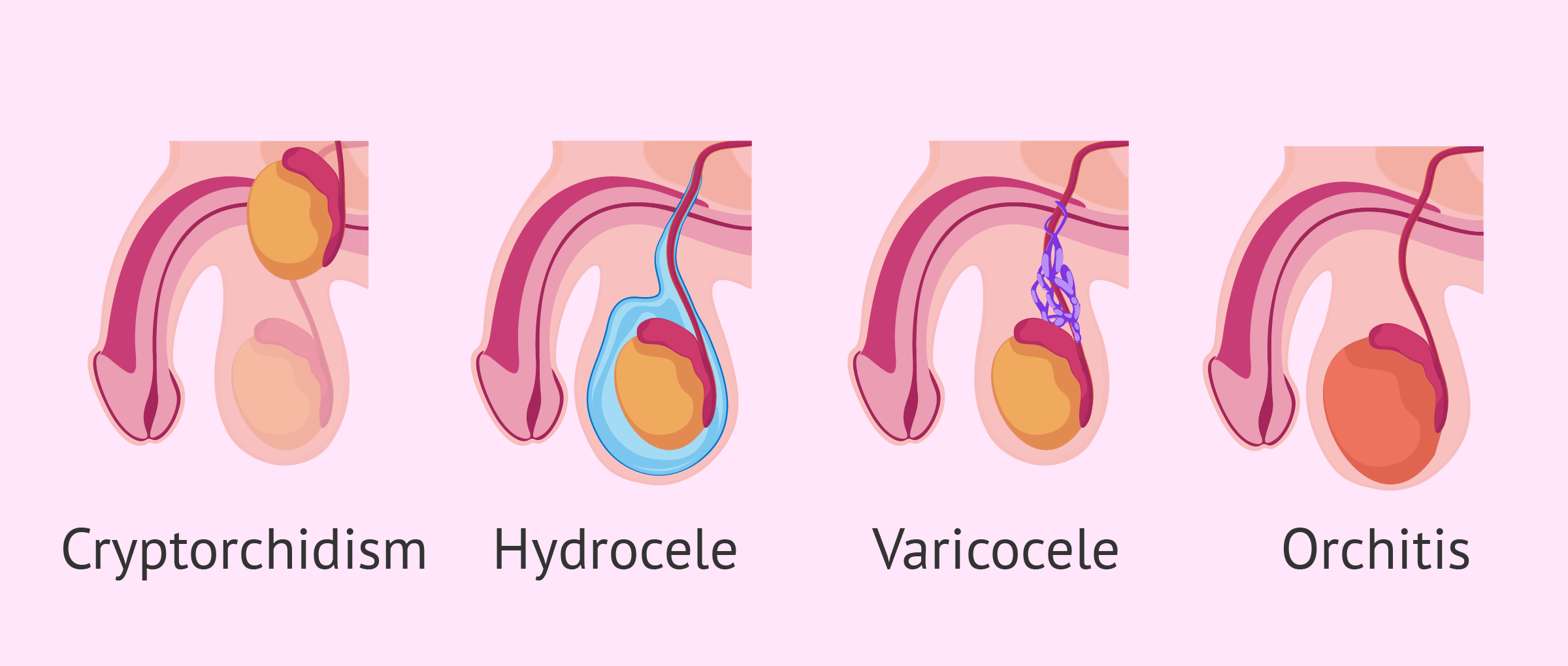
What Are the Potential Causes of Oligospermia?
The causes of oligospermia vary depending on the part of the male reproductive system that is affected. They can have a pre-testicular, testicular, or port-testicular origin. Read more
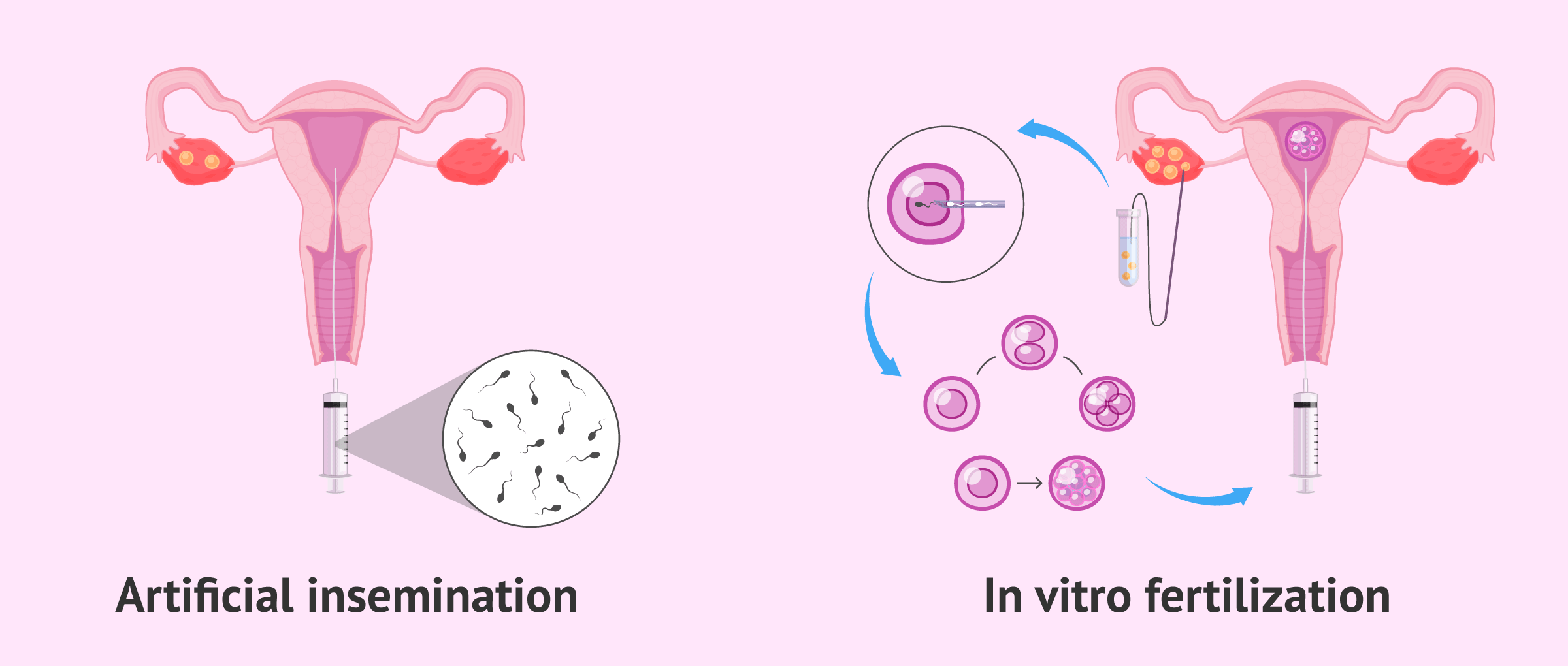
What are Assisted Reproductive Techniques (ART)? - Types & Costs
Assisted Reproductive Technology (ART) is the set of techniques and treatments recommended in cases of male and female infertility to achieve pregnancy. Read more

