
Roger J. Hart, researcher at the University of Western Australia and Fertility Specialists of Western Australia and City Fertility Clinic, has led a comprehensive review on how nutritional supplements affect in vitro fertilization (IVF) treatments.
This work sheds light on a field full of myths, separating truly useful therapies from those lacking scientific support.
Provided below is an index with the 7 points we are going to expand on in this article.
The impact of supplements on IVF
Taking vitamins and antioxidants without a medical prescription can even be counterproductive during a reproductive process. Although the intention is usually to improve results, science shows that only some interventions are truly supported.
Therefore, initially, these recommendations could be followed:
- Follow a Mediterranean diet.
- Limit the consumption of highly processed foods.
- Avoid high-fat diets that increase cellular oxidative stress.
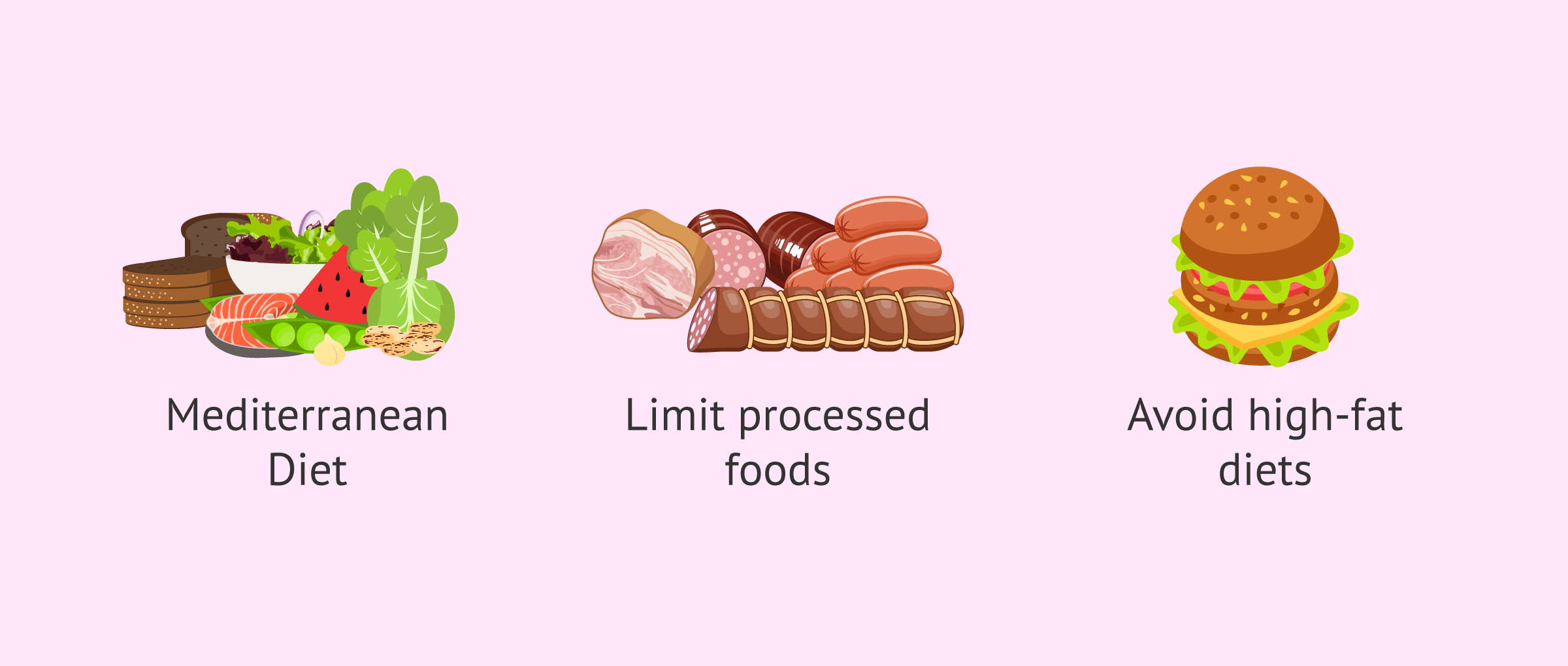
This dietary pattern would be the ideal starting point for anyone looking to optimize their body for assisted reproduction.
Coenzyme Q10 and DHEA in stimulation
For those patients with possible poor ovarian response, certain supplements have shown benefits when started before the IVF cycle:
- Dehydroepiandrosterone (DHEA) has been associated with a higher number of retrieved eggs and better embryo quality.
- The use of DHEA could also increase clinical pregnancy rates.
- Coenzyme Q10 (CoQ10) helps improve the mitochondrial function of eggs, which progressively decreases with age.
- Starting to take CoQ10 before treatment could improve ovarian response and the follicular fluid environment in which the oocyte is found.
However, it is not yet clear whether CoQ10 would be indicated for older patients, for patients with a poor response to ovarian stimulation, or for those with poor embryonic development.
Both supplements could represent a useful strategy, but their prescription must be personalized according to the clinical profile and ovarian reserve evaluated by specialists.
Myo-inositol and melatonin: regulating the cycle
Other very popular supplements in fertility consultations are myo-inositol and melatonin.
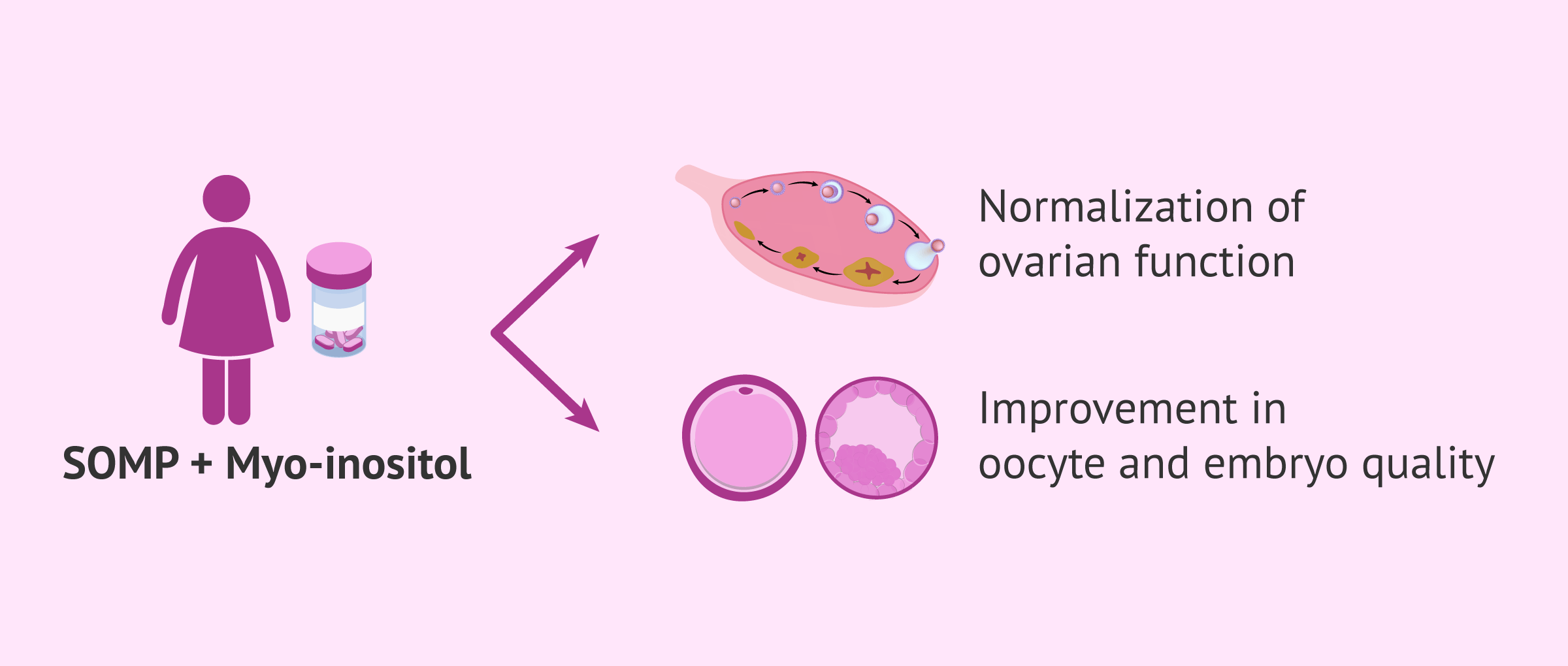
The use of myo-inositol seems to be especially advantageous for women with Polycystic Ovary Syndrome (PCOS), now known as Polyendocrine Metabolic Ovarian Syndrome (PMOS). Its main effects would include:
- Normalization of ovarian function and insulin sensitivity.
- Improvement of oocyte and embryo quality.
On the other hand, melatonin acts as a free radical scavenger. Its administration during IVF seems to improve certain outcomes, such as the number of mature eggs collected.
Despite these encouraging data, the exact regimen and dosage of both supplements are still subject to debate.
The hidden danger: why to avoid resveratrol
Resveratrol, a compound found in grapes, nuts, and cranberries, has shown highly contradictory results.
Although resveratrol may have some positive effect on follicle formation, one study found that it halved the clinical pregnancy rate and doubled the risk of miscarriage, negatively affecting endometrial receptivity.
In contrast, supplementation with omega-3 fatty acids could indeed be recommended during IVF treatments due to a possible improvement in clinical and embryonic outcomes, although more studies are needed.
Therefore, constant and transparent consultation with the gynecologist will avoid unnecessary risks on the path to achieving a successful pregnancy.
Community and Support
At inviTRA we work to make monthly and rigorous information accessible to everyone. If this article has helped you, consider supporting us so we can continue accompanying more people on their journey to parenthood.
References
Hart RJ. Nutritional supplements and IVF: an evidence-based approach. Reprod Biomed Online. 2024 Mar;48(3):103770. doi: 10.1016/j.rbmo.2023.103770. Epub 2023 Dec 20. PMID: 38184959. (View)


