
A recent scientific study sheds light on how lifestyle habits can transform male fertility. The research was carried out by authors Anjali Yadav, Prabhakar Tiwari, Richa Mishra, Rajeev Kumar, and Rima Dada, from the Lab for Molecular Reproduction and Genetics, the Department of Anatomy, and the Department of Urology at the All India Institute of Medical Sciences (AIIMS).
It demonstrates that adopting relaxing disciplines such as yoga can significantly improve seminal parameters in men with reproductive issues.
Provided below is an index with the 6 points we are going to expand on in this article.
Stress and semen quality
Male infertility is one of the possible reasons why many couples turn to assisted reproduction to achieve pregnancy. Various factors can alter the production and function of male reproductive cells (spermatozoa), where lifestyle plays a crucial role.
- High levels of occupational and emotional stress increase inflammation and the production of reactive oxygen species in the body.
- This oxidative damage directly affects the DNA of the sperm, drastically reducing their natural fertilizing capacity.
- In severe cases, this situation can trigger a clinical picture of oligozoospermia, characterized by a decrease in the quantity and quality of sperm.
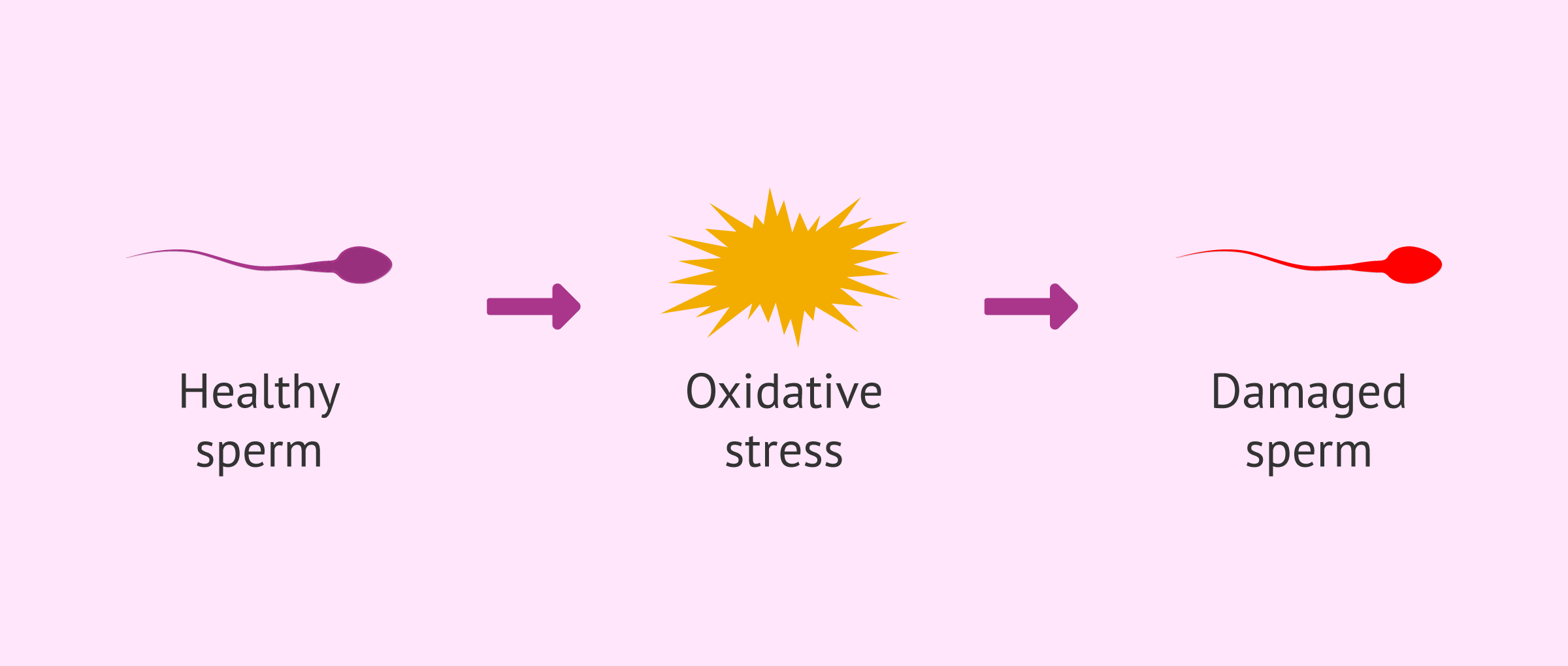
To combat this deterioration, specialists insist on the importance of integrating non-pharmacological alternatives that help restore cellular balance and reduce the high oxidative load of the semen.
Improvements in sperm
This clinical research analyzed in detail the case of a 30-year-old man with a prolonged history of primary infertility and a diagnosis of severe oligozoospermia, poor progressive sperm motility, and a low percentage of sperm with normal morphology. After undergoing a structured program of yoga sessions for six months, the changes were extraordinary.
- The total concentration of sperm in the sample went from 4 million per milliliter to 59 million per milliliter.
- Progressive motility, an essential parameter for the sperm to reach the egg, increased from an initial 20% to 49%.
- The total percentage of sperm with normal forms went from less than 2% to over 6%, thus improving the reproductive prognosis.
These data (which need more robust confirmatory studies) suggest that complementary therapies focused on mitigating chronic stress can be a highly effective adjunct to standard assisted reproduction treatments when seeking pregnancy.
The impact of yoga on fertility
The continuous practice of activities focused on physical well-being has positioned itself as a very valuable tool in modern andrology. Its comprehensive approach simultaneously addresses physical and mental tensions.
- Performing specific physical postures promotes greater blood flow to the pelvic area and the various reproductive organs.
- Guided deep breathing and meditation exercises manage to reduce clinical anxiety, gradually balancing hormones.
- Through this process, a much healthier cellular environment is promoted, considerably slowing down sperm DNA fragmentation.

As a direct result of this notable circulatory and hormonal improvement, the male body manages to optimize spermatogenesis, which is the natural process of continuous sperm production.
Community and Support
At inviTRA we work to make monthly and rigorous information accessible to everyone. If this article has helped you, consider supporting us so we can continue accompanying more people on their journey to parenthood.
References
Yadav A, Tiwari P, Mishra R, Kumar R, Dada R. Integrating yoga as a holistic intervention in male infertility management: improved sperm parameters and stress reduction: a case report. J Med Case Rep. 2026 Jun 19. doi: 10.1186/s13256-026-06270-x. Epub ahead of print. PMID: 42321822. (View)


