
azoospermia
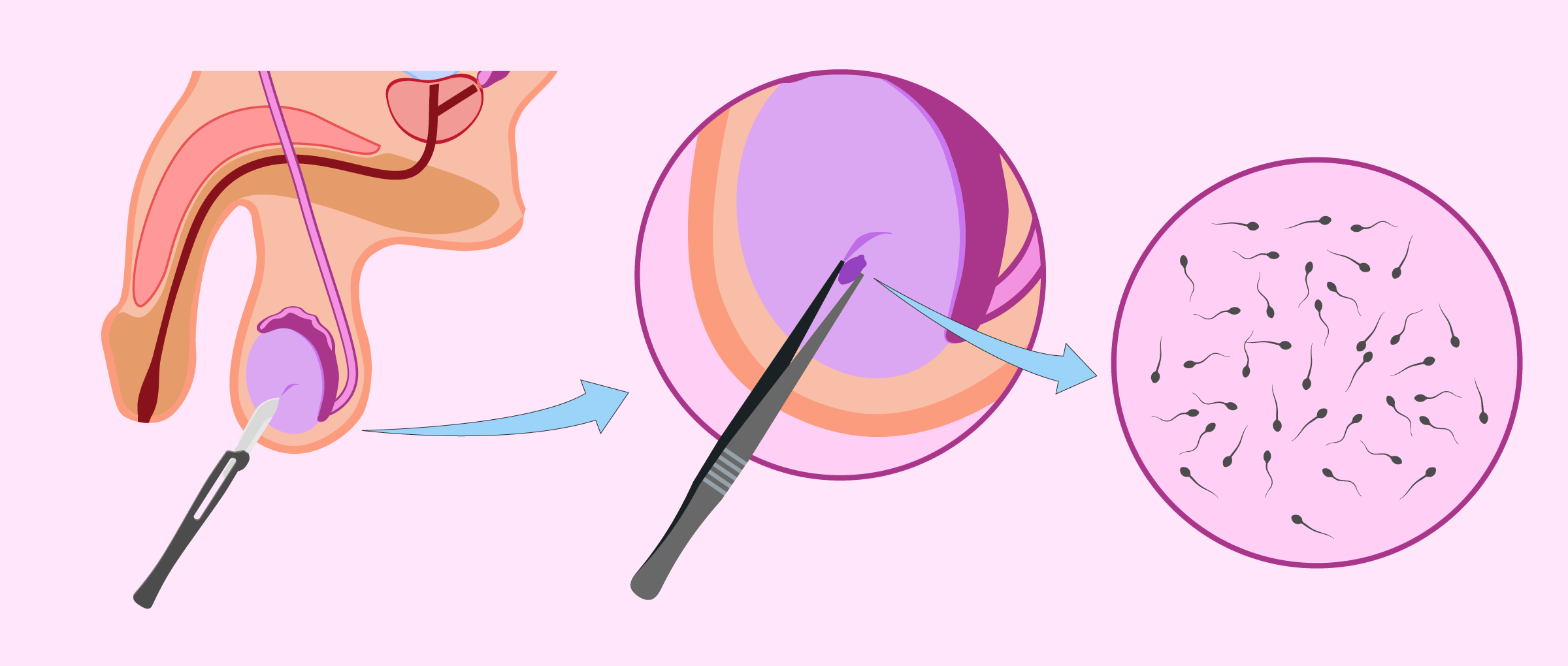
Can a Man with Azoospermia Get a Woman Pregnant?
Sperm aspiration, testicular biopsy, or sperm donation are the main options available for azoospermic males to be able to conceive. Read more
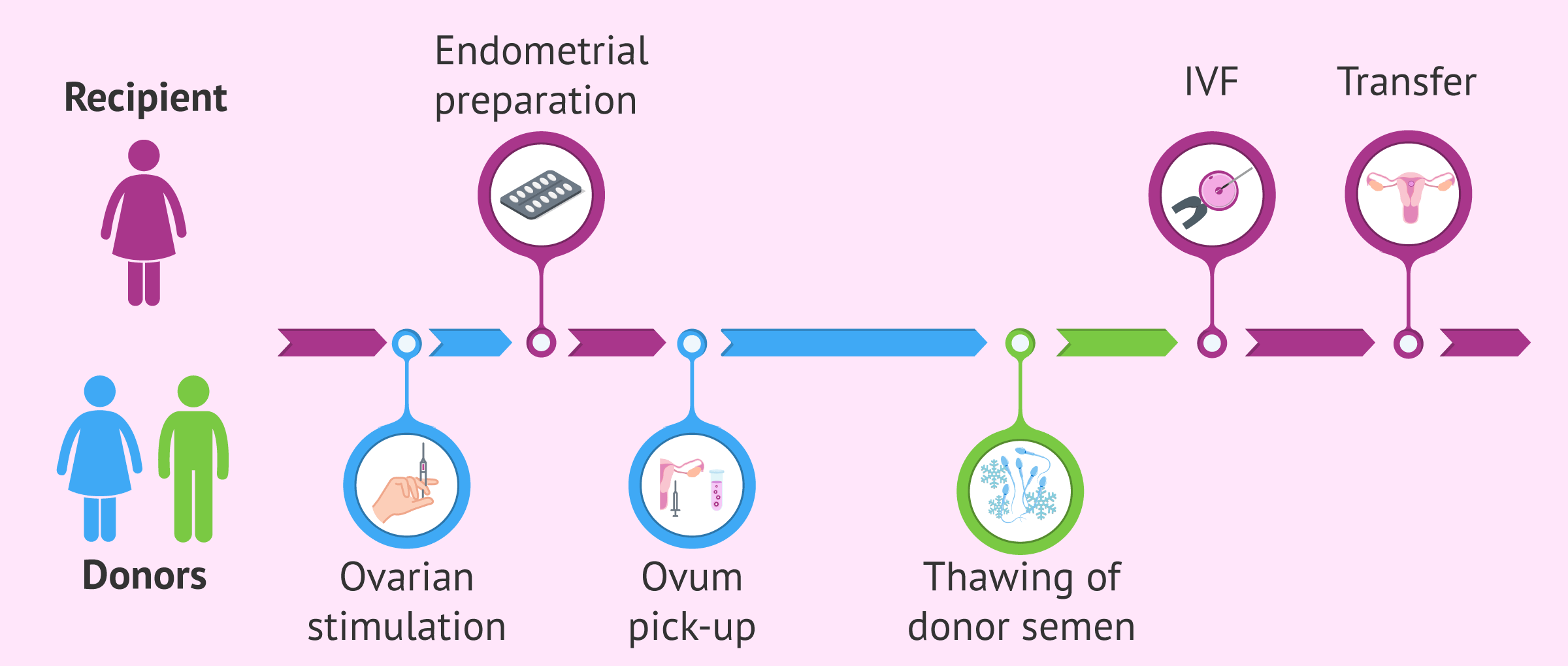
Double donor IVF: assisted reproduction with donor egg and sperm
IVF with egg and sperm donation is a fertility treatment in which the woman or couple needs to resort to donor gametes in order to have a child. The benefits of double gamete donation are the high success rates in people with severe fertility problems.
Read more
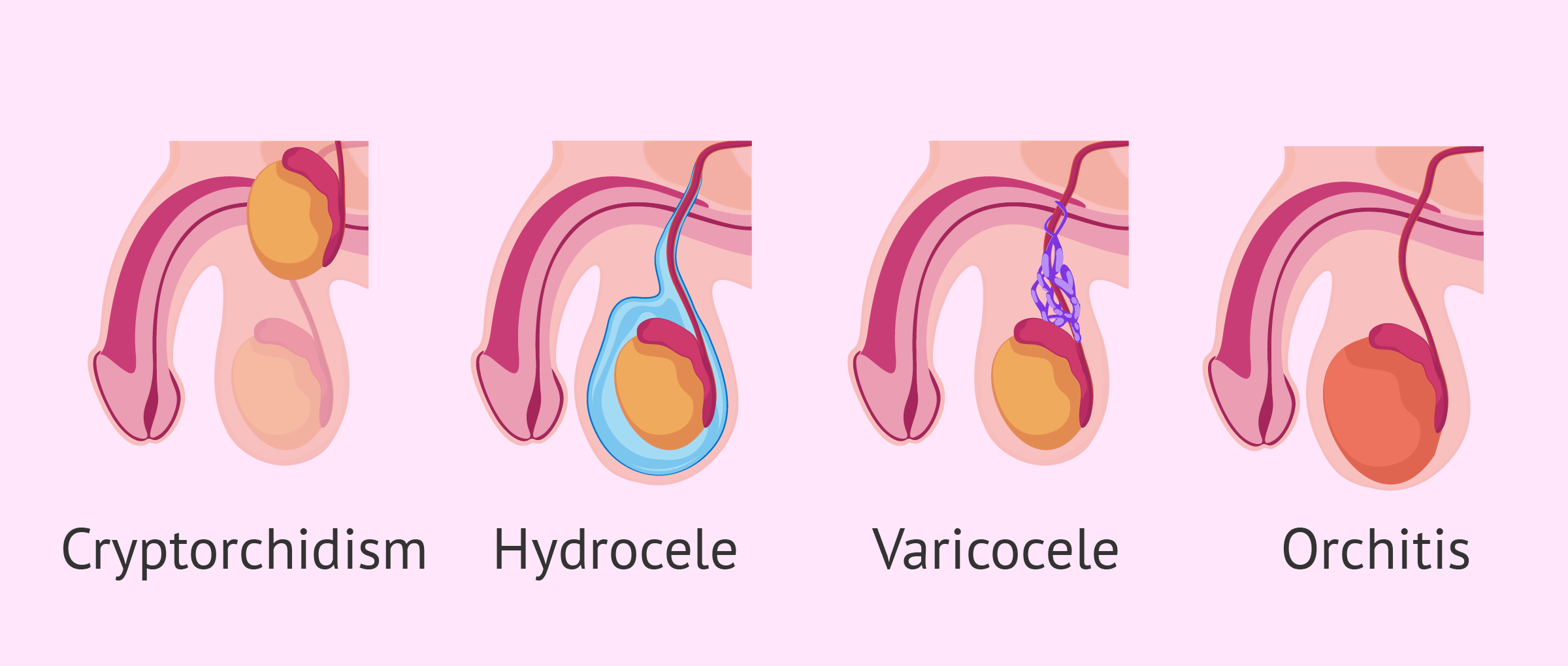
Testicular Disorders & Infertility - Impact on Reproductive Function
By testicular causes for male infertility we refer to all testicular disorders and conditions that can cause male infertility, either congenital or acquired. There are several treatment options available depending on the extent to which they affect sperm production. Read more

What Is Secretory or Non-Obstructive Azoospermia?
Secretory azoospermia is the most severe type of azoospermia, that causing the sperm count to be zero due to a lack of sperm production in the testis. The causes of secretory azoospermia are diverse, such as testicular problems, hormonal alterations, exposure to toxins, genetic disorders, etc. Read more
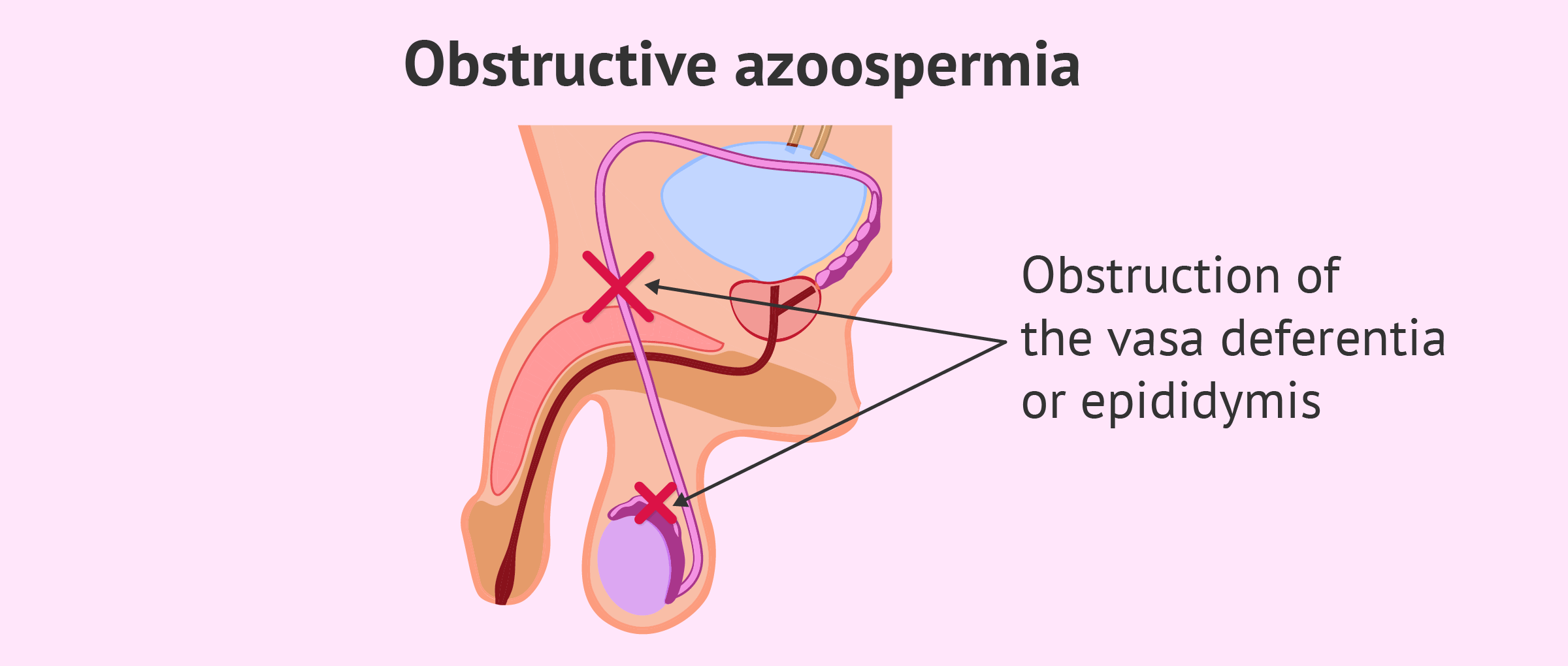
Obstructive Azoospermia - Causes & Treatment Options
Obstruction (blockages) of the seminal ducts prevent the embryos from being expelled to the outside during ejaculation. Read more
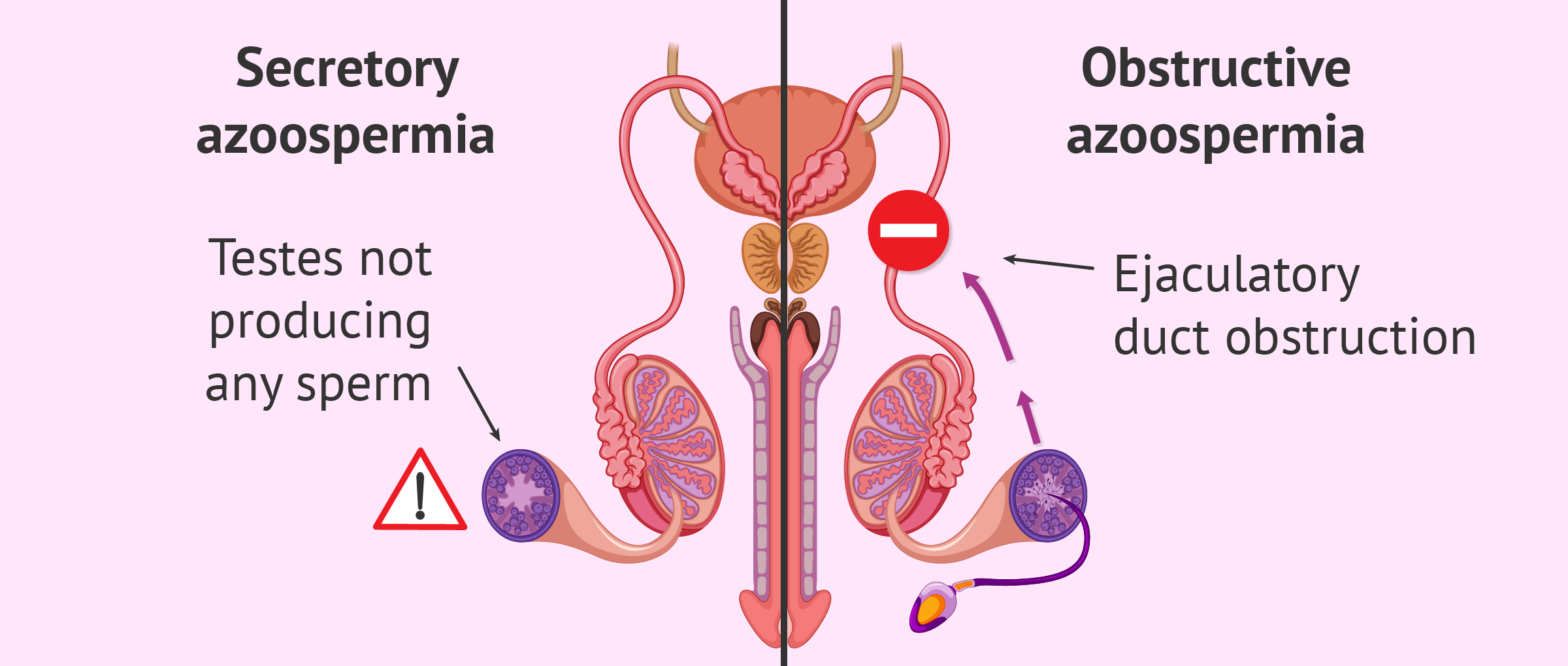
Azoospermia - Can a Man Actually Have Zero Sperm Count?
In secretory azoospermia and obstructive azoospermia, the number of spermatozoa found in the ejaculate is zero. This alteration of the semen can only be detected by a seminogram or spermogram, since it does not cause any apparent symptoms in the male. Read more
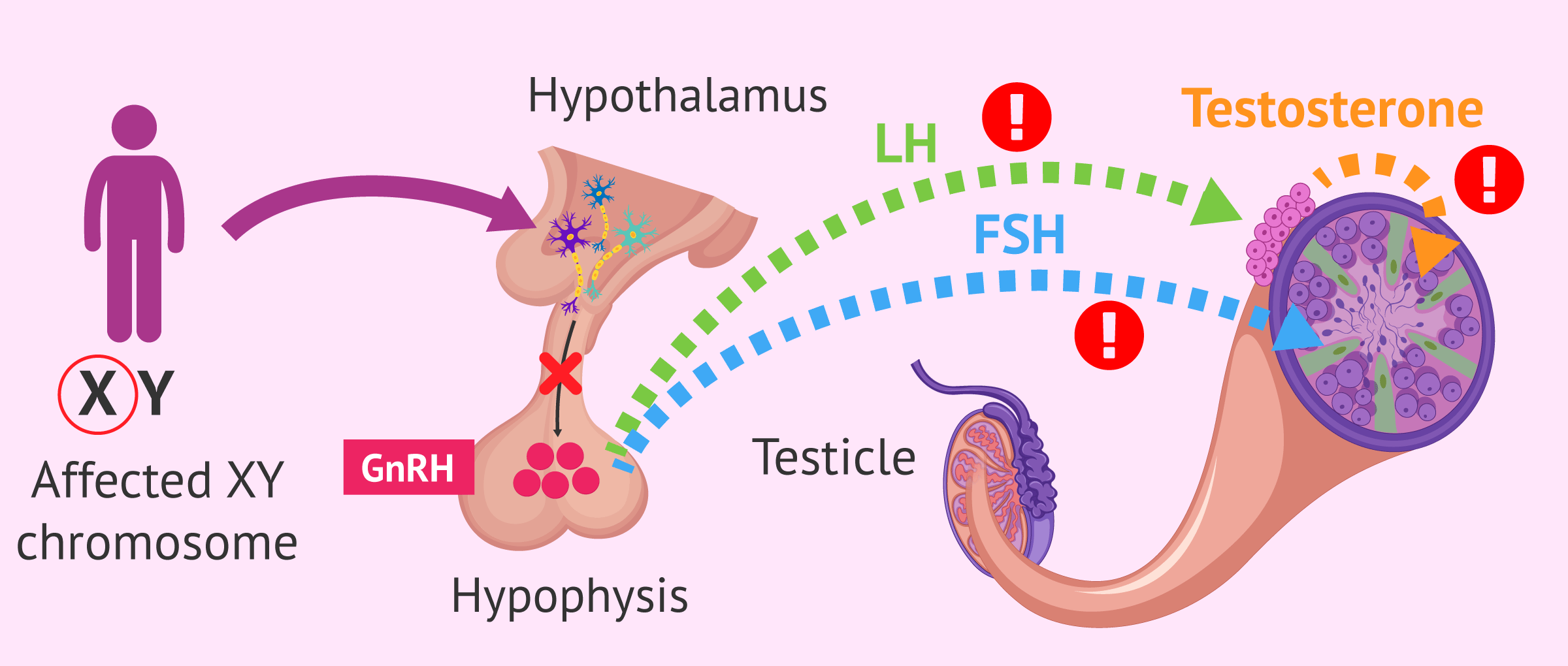
What Diseases Are Associated with Azoospermia?
There exist various diseases that can compromise sperm production in males, thereby leading to azoospermia. These include cryptorchidism, cystic fibrosis, varicocele, etc. Read more
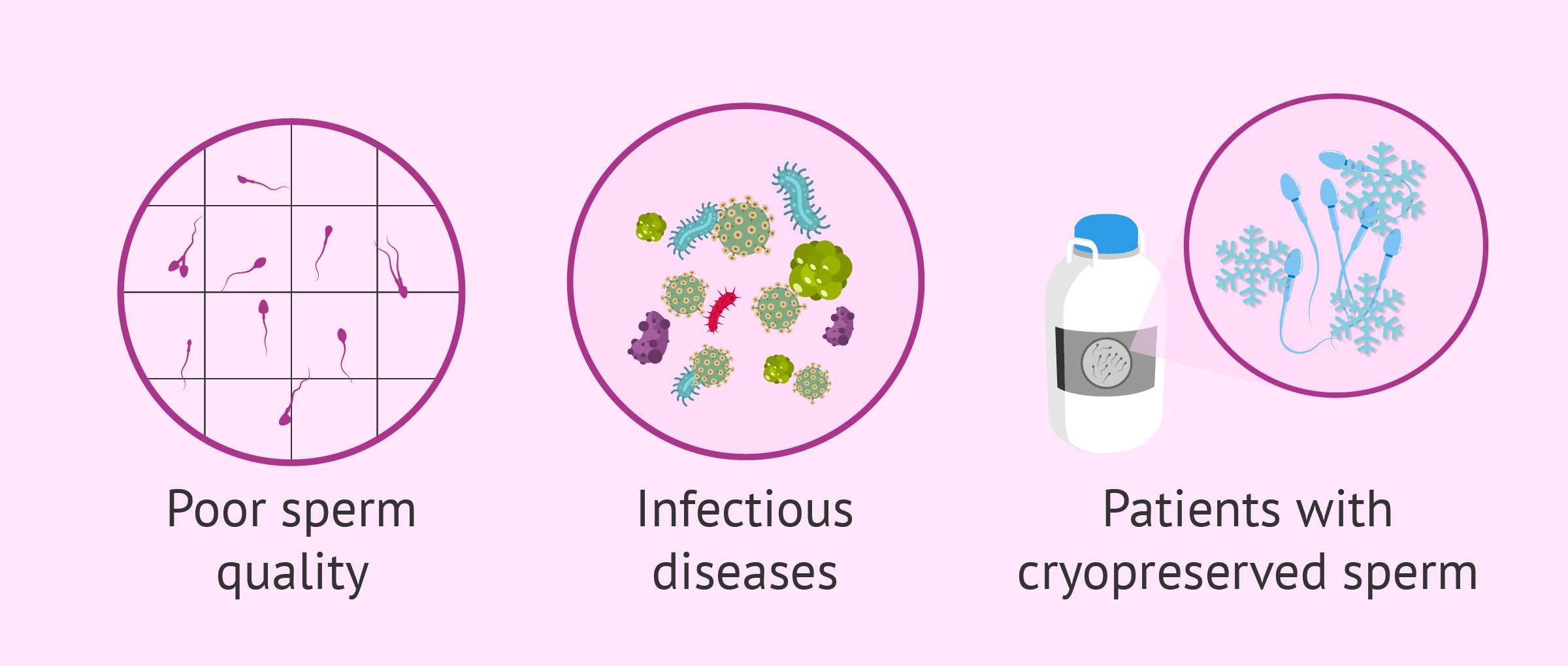
Indications for ICSI: when is it necessary?
ICSI is an assisted reproductive technique indicated in multiple cases to overcome infertility problems. This technique's efficiency has been proved even in most severe infertility cases in which pregnancy has finally occurred. Read more

Male sterility and low semen quality due to obesity
Men with a body mass index (BMI) greater than 30 may have infertility problems, since obesity affects semen quality and can cause oligospermia, asthenospermia, teratospermia and sperm DNA fragmentation Read more
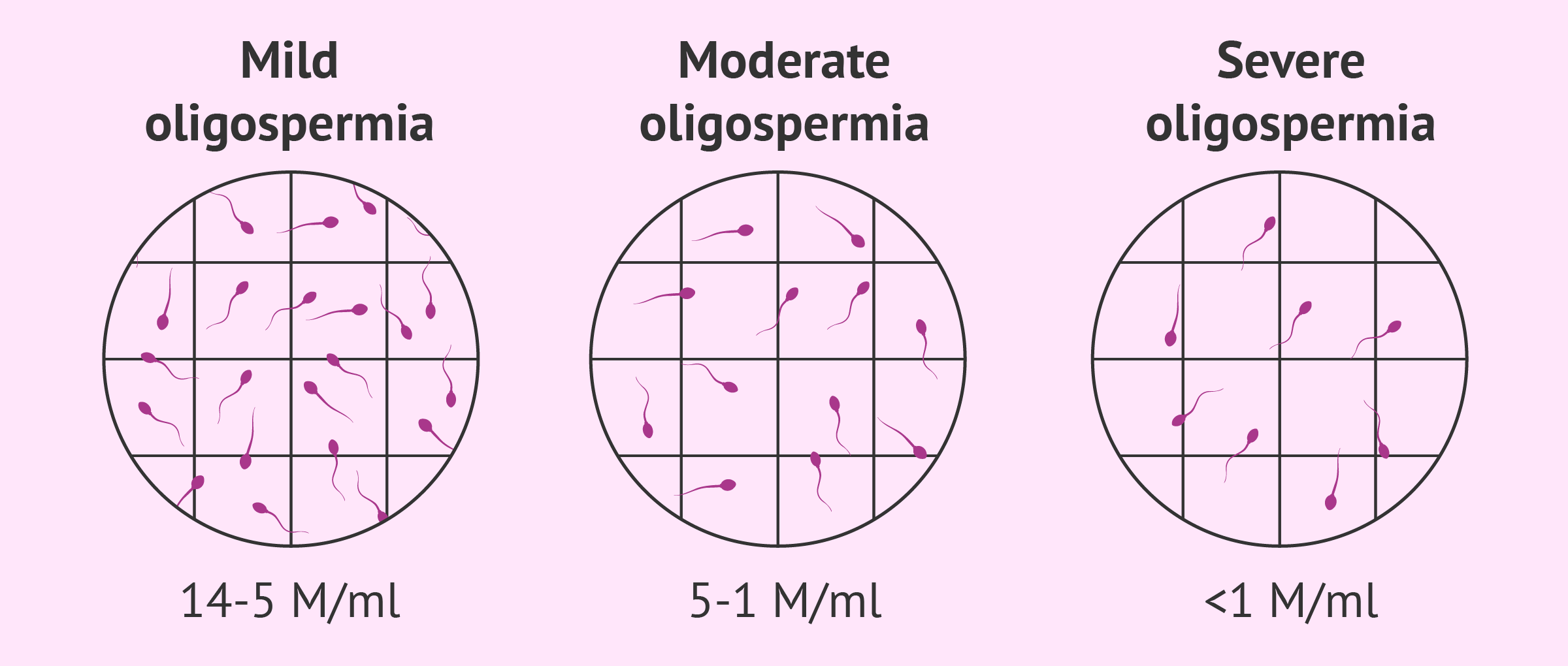
The different grades of oligozoospermia: mild, moderate and severe
Oligospermia or oligozoospermia can be classified into three types based on the level of severity: mild, moderate, and severe. Read more

Azoospermia Diagnosis - What Methods Can Be Used?
Seminogram is the test used to diagnose azoospermia. For further confirmation, it is accompanied by a hormonal analysis and a testicular biopsy. This last test makes it possible to differentiate whether it is a secretory or obstructive azoospermia, as well as the recovery of spermatozoa for IVF-ICSI. Read more

How Much Sperm Count Is Needed to Get Pregnant?
Sperm concentration is measured in a seminogram and its value must be 15 million per milliliter or more to consider the male to be fertile according to the 2010 WHO reference values. Read more

