
embryo implantation
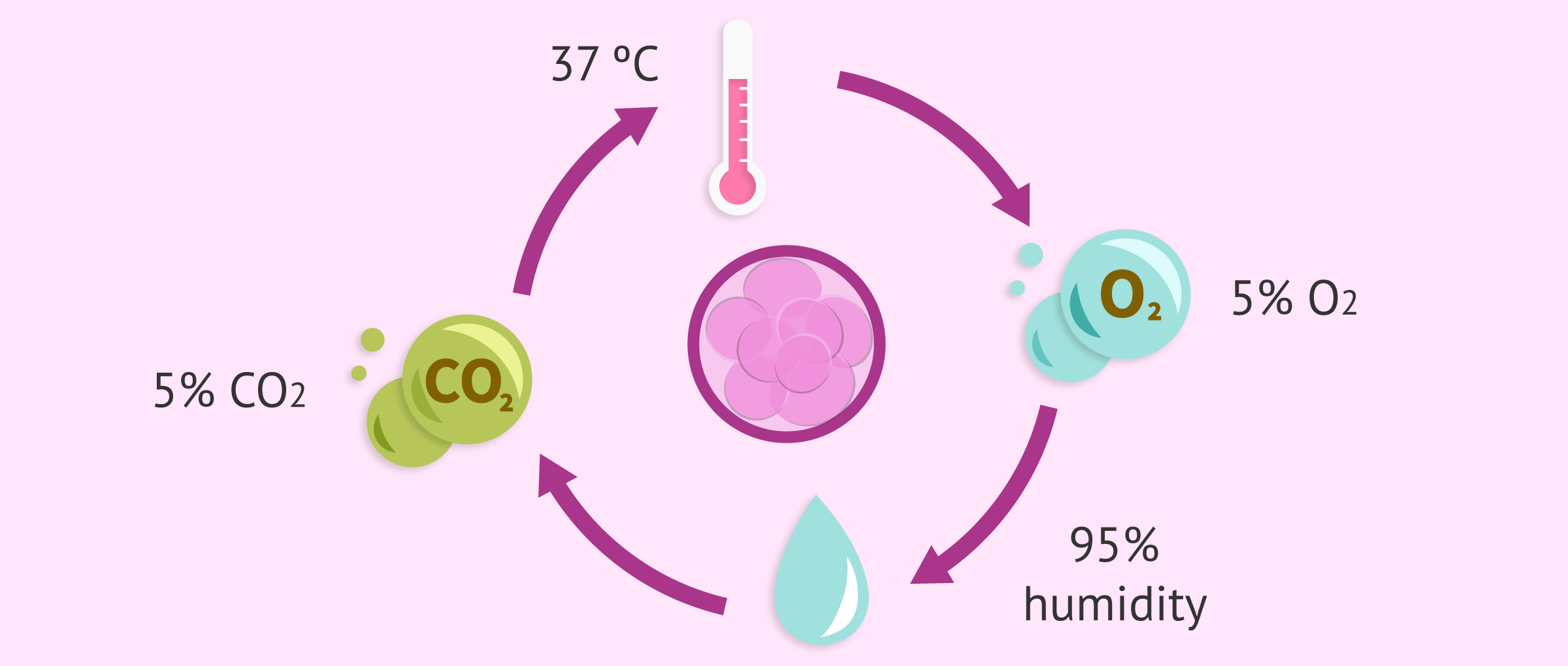
Embryo culture in the in vitro fertilization laboratory (IVF)
Egg and embryo culture is an essential phase of in vitro fertilization (IVF) treatments. It can be performed in short or long culture. Read more
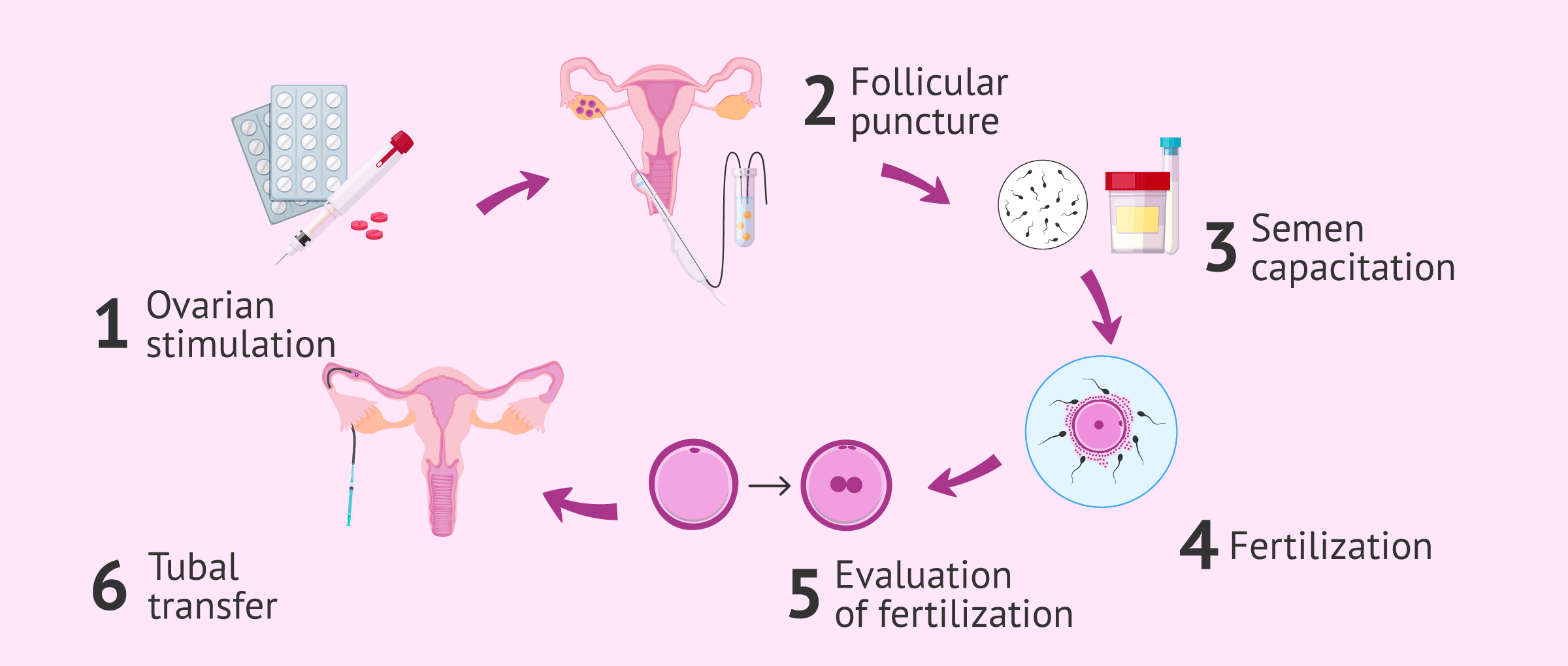
Intrafallopian zygote transfer - Advantages and disadvantages
Also known as zygote intrafallopian transfer or ZIFT, zygote intrafallopian transfer is an assisted reproductive technique in which zygotes are inserted directly into the woman's fallopian tubes. However, ZIFT is in disuse because it is more invasive than other techniques. Read more
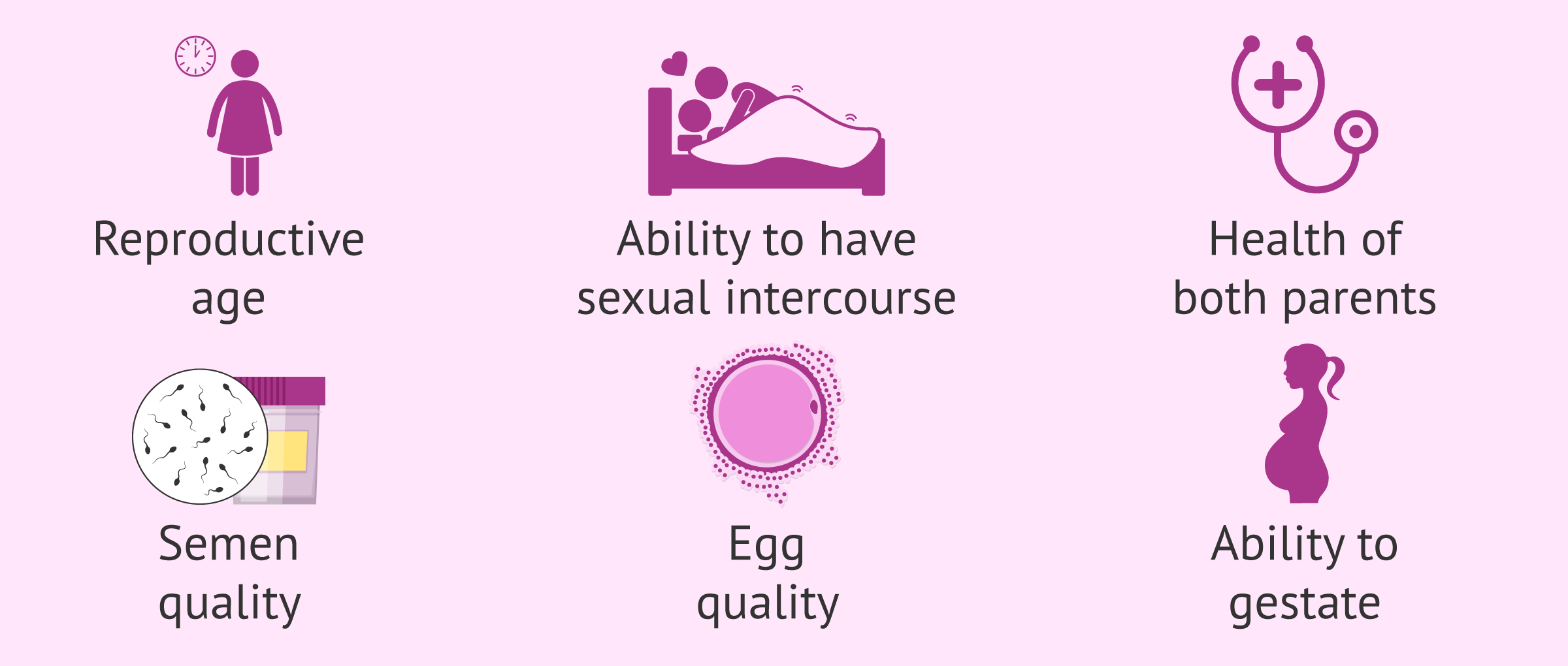
Male & Female Fertility Explained: What Factors Can Affect It?
Infertility in the couple is diagnosed after a year trying to conceive without success. It can be male or female infertility, or a combination of both. Read more
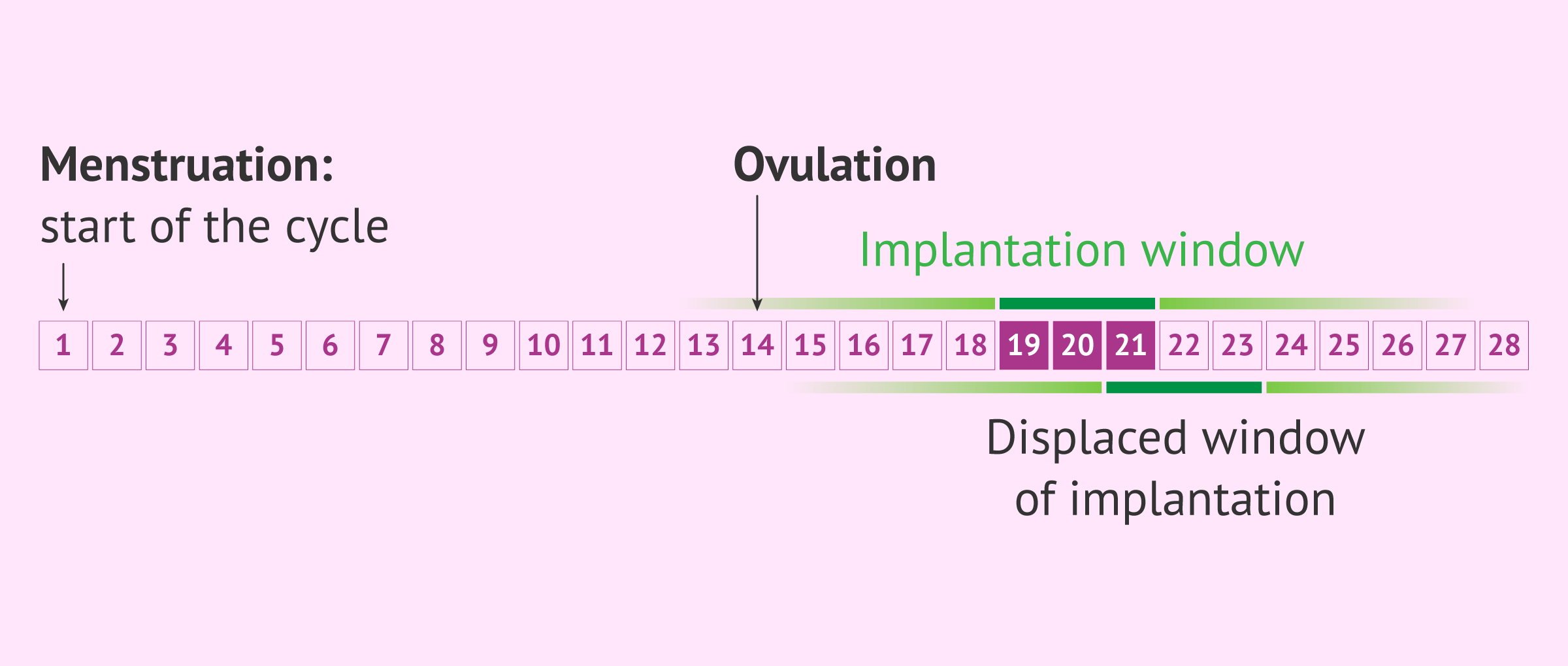
Advanced age and ERA testing: Is it useful for achieving pregnancy?
A recent study by the University of California investigates whether maternal age affects endometrial receptivity as detected by the ERA test. The results question the usefulness of this test based solely on age. Read more
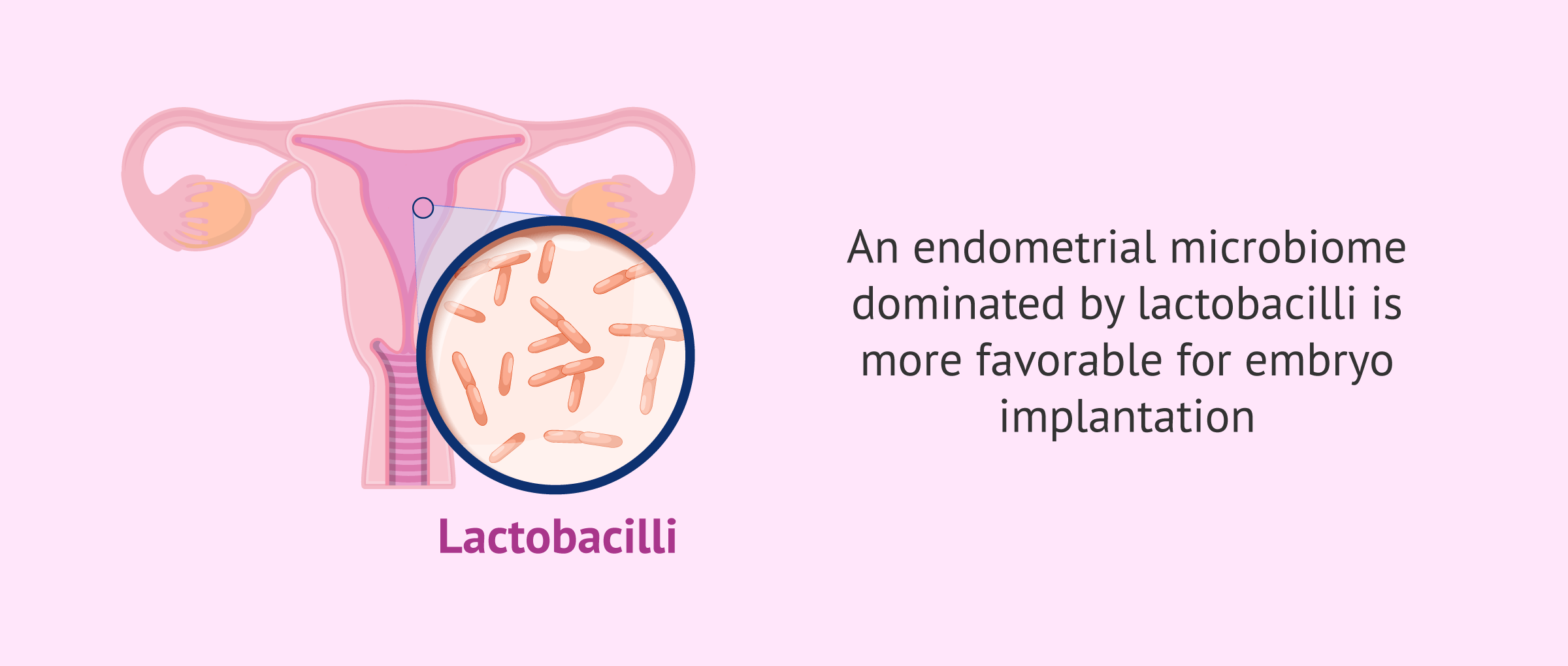
The endometrial microbiome alters the success of in vitro fertilization (IVF)
Increasingly, more attention and importance is being given to the role of the endometrial microbiota (the microorganisms present inside the uterus) in relation to endometrial receptivity and the possibility of embryo implantation after assisted reproduction treatment. Read more
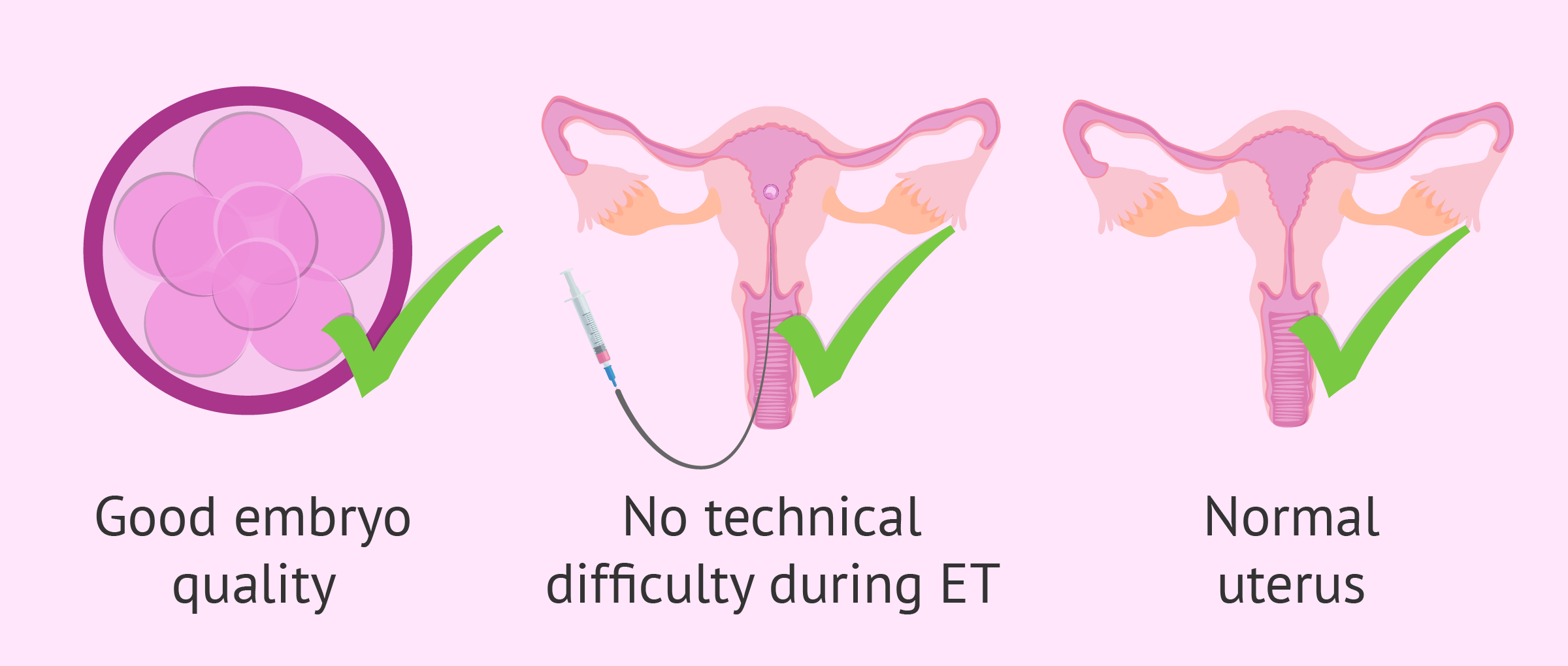
Repeated Implantation Failure - Reasons Why Embryos Don't Implant
Repeated or recurrent implantation failure (RIF) is detected when good quality embryos fail to implant after several cycles of In Vitro Fertilization (IVF). The causes of RIF can be due to maternal, embryonic, or systemic factors. Learn about the signs and treatments for RIF here. Read more
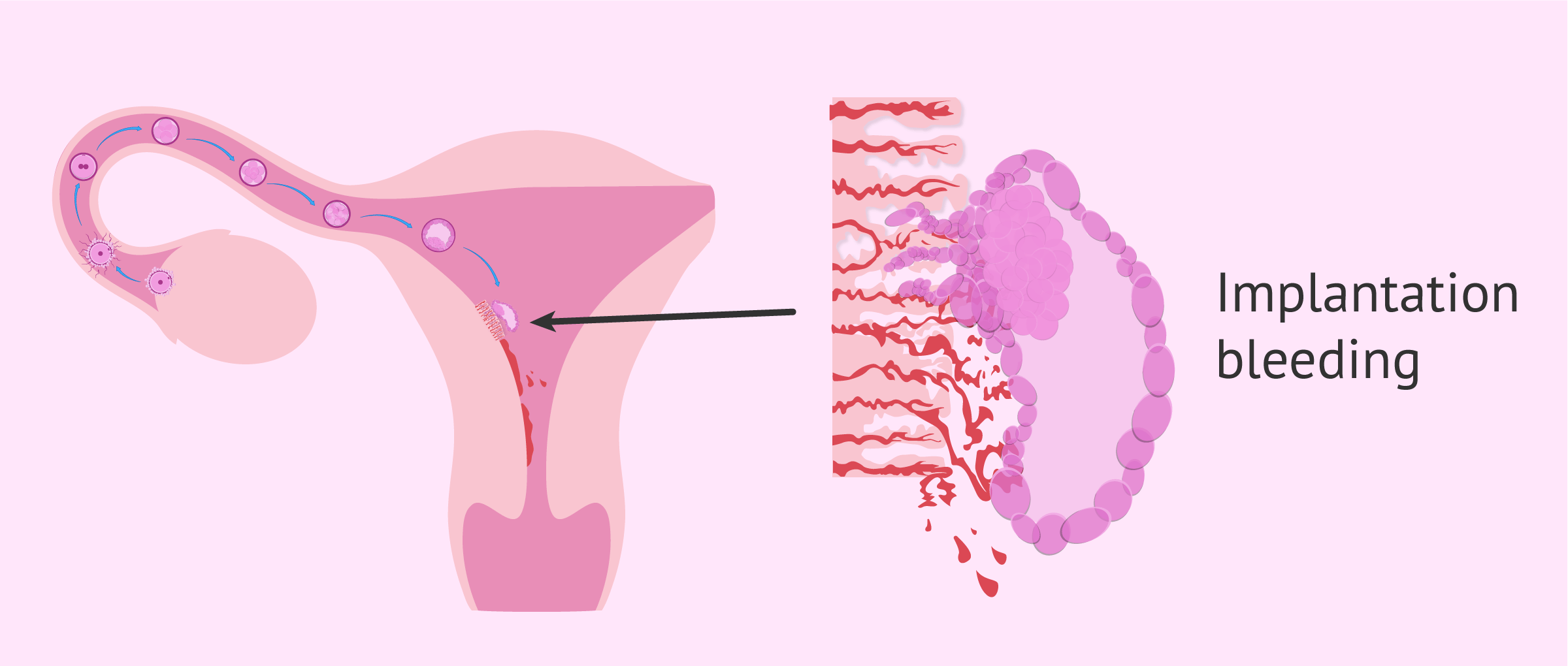
What is implantation bleeding? Characteristics, signs and symptoms
The implantation of the embryo after fertilization of the egg can cause a series of symptoms, including implantation bleeding. Read more

Psychological Aspects of Assisted Reproduction
Assuming that a person has problems conceiving naturally and that it is necessary to go to a fertility clinic to achieve pregnancy can be a complicated situation from an emotional point of view, in some cases the help of experts in psychology is required. Read more
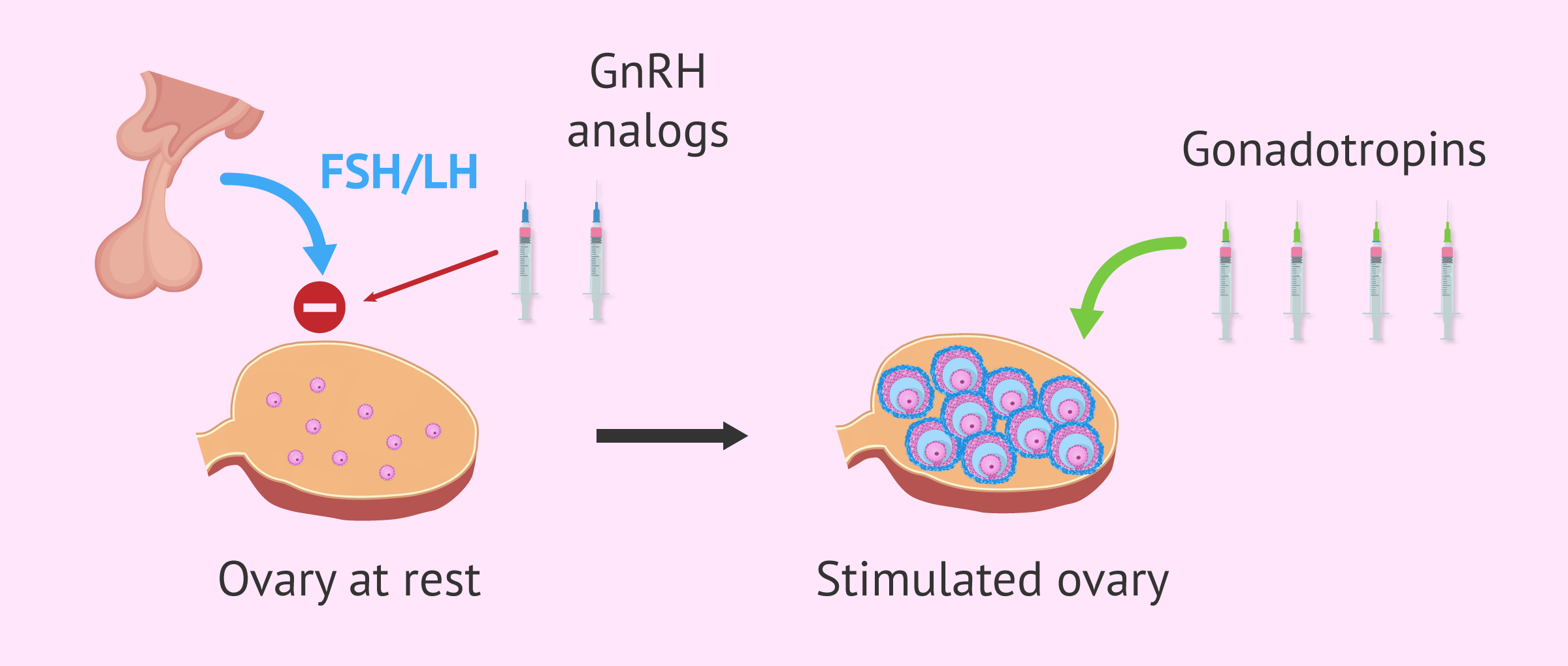
Ovarian stimulation protocols - process, medications and symptoms
Controlled ovarian stimulation is a phase of IVF or IUI treatment whose objective is to achieve an adequate number of eggs and thus increase the chances of pregnancy. For this purpose, it is necessary for the patient to be administered hormonal medication at a dose and for a duration determined by the specialist. Read more
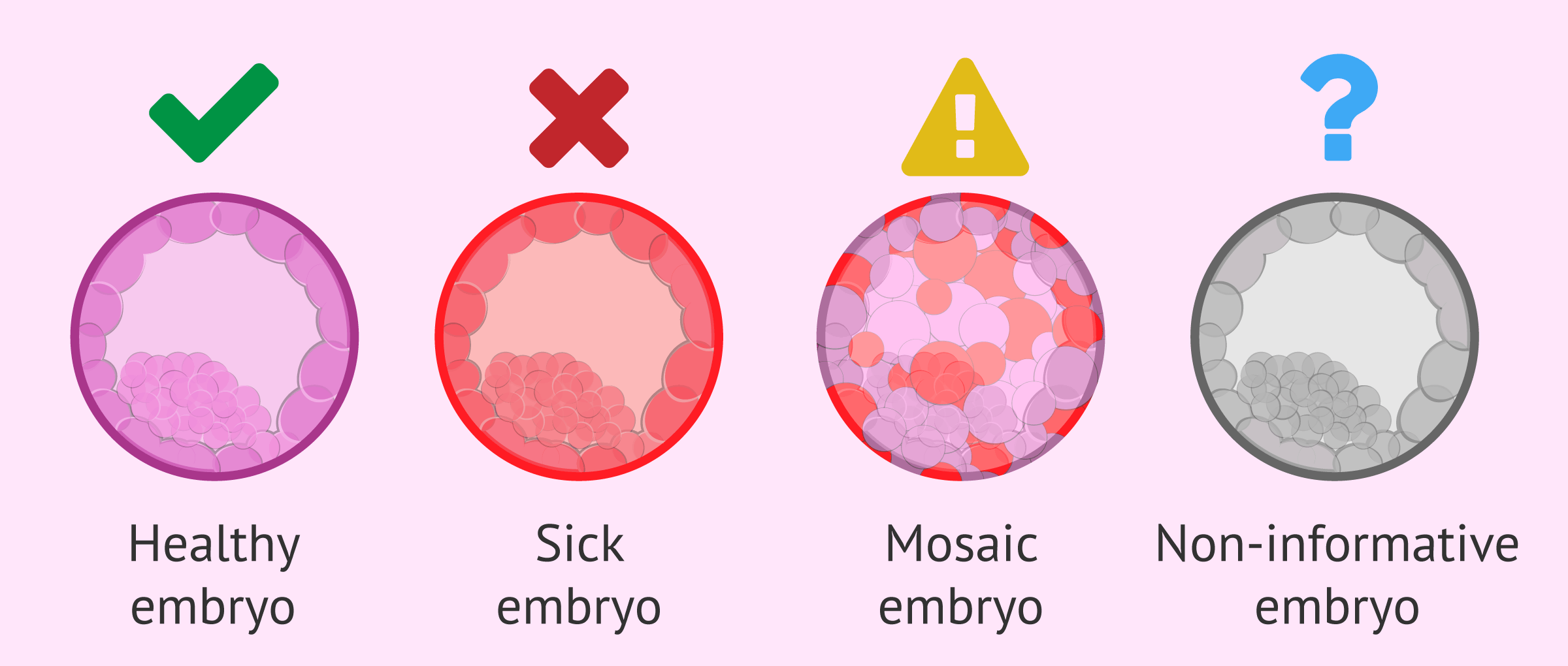
Understanding the Results of Preimplantation Genetic Diagnosis
The probability of obtaining a positive pregnancy test after an embryo transfer is higher when the embryos have been genetically analyzed with PGT. According to the latest SEF data from 2022, the pregnancy rate per transfer in IVF cycles with PGT was 52.0%. Read more
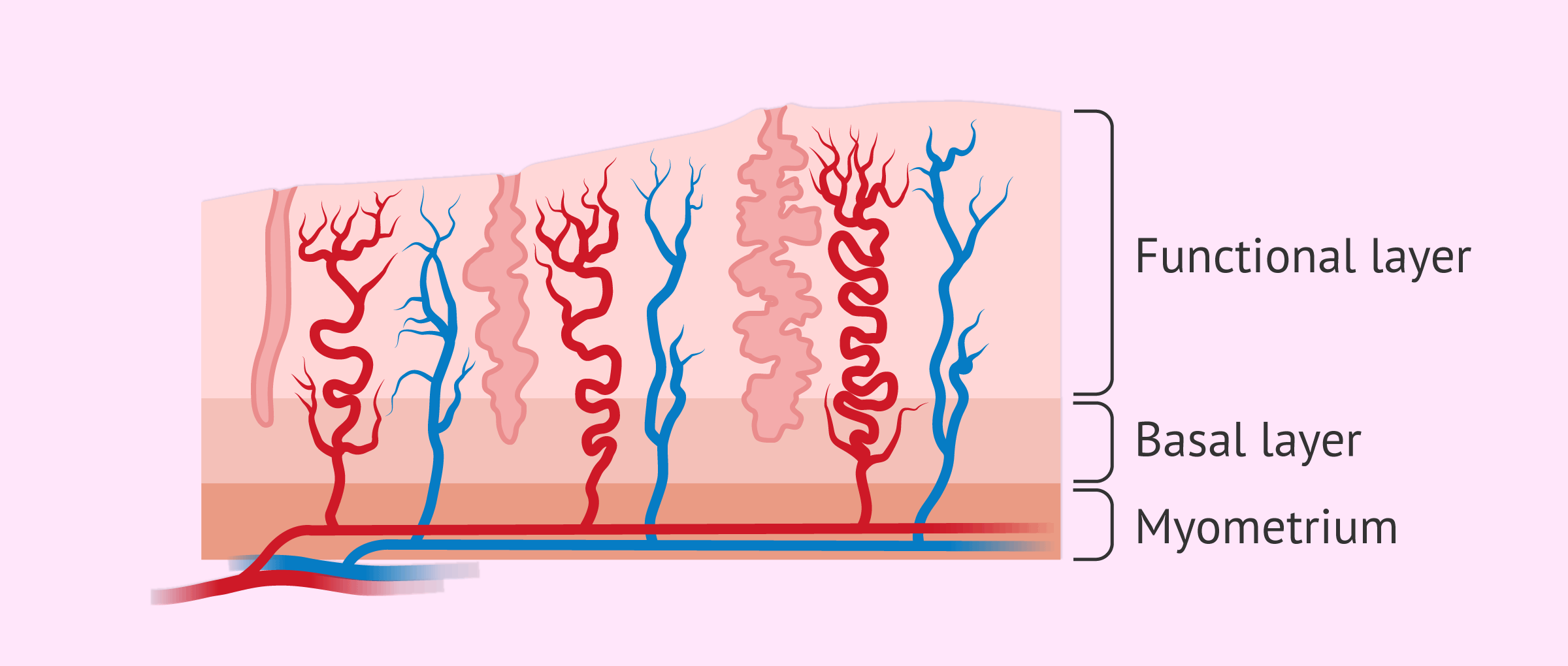
What is the endometrium? - Thickening, types and pathologies
The endometrium is the inner layer of the uterus that thickens during each menstrual cycle so that the embryo can implant and pregnancy can occur. Read more
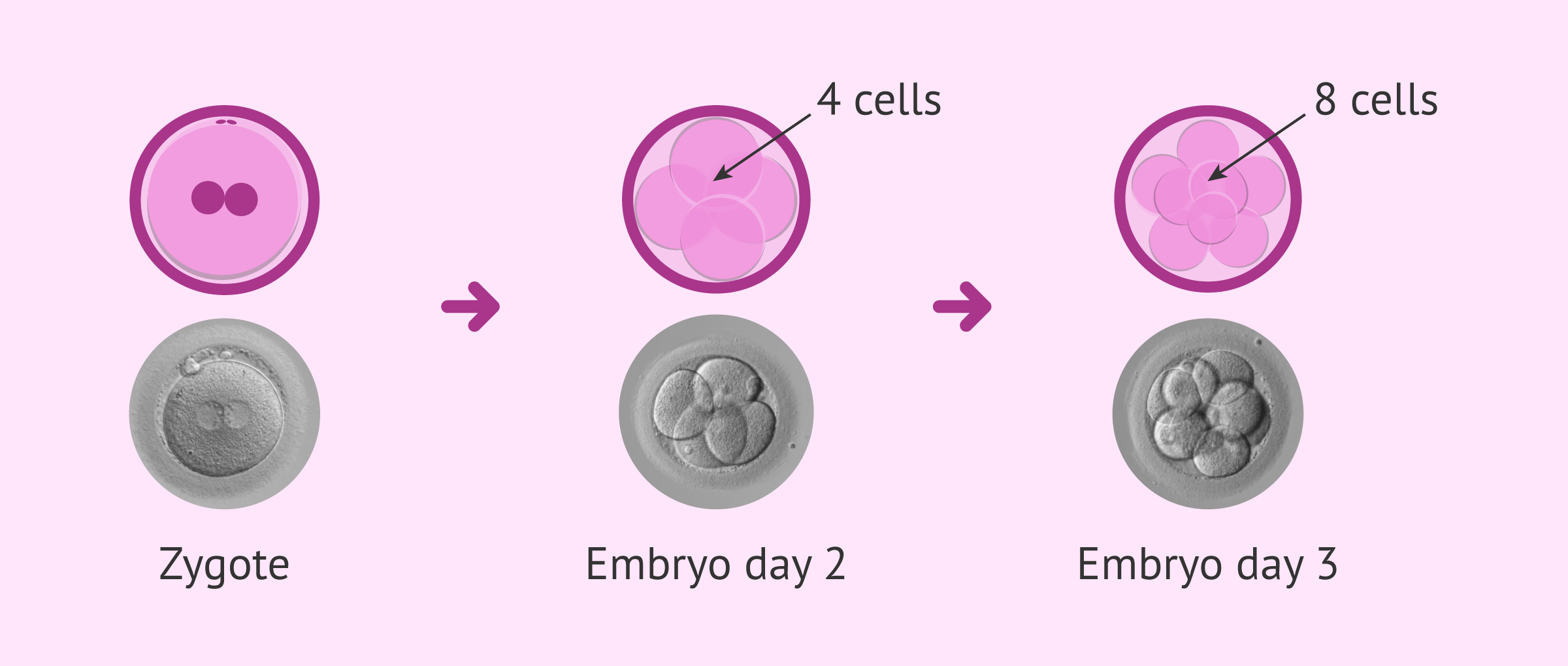
What's the Difference Between Zygote, Embryo & Fetus?
Embryonic development consists of different stages. From fertilisation to birth we distinguish between zygote, embryo, foetus and baby. Specifically, the term embryo is used until the 8th week of gestation, after which it is called foetus until the baby is born. Read more

