
embryo transfer
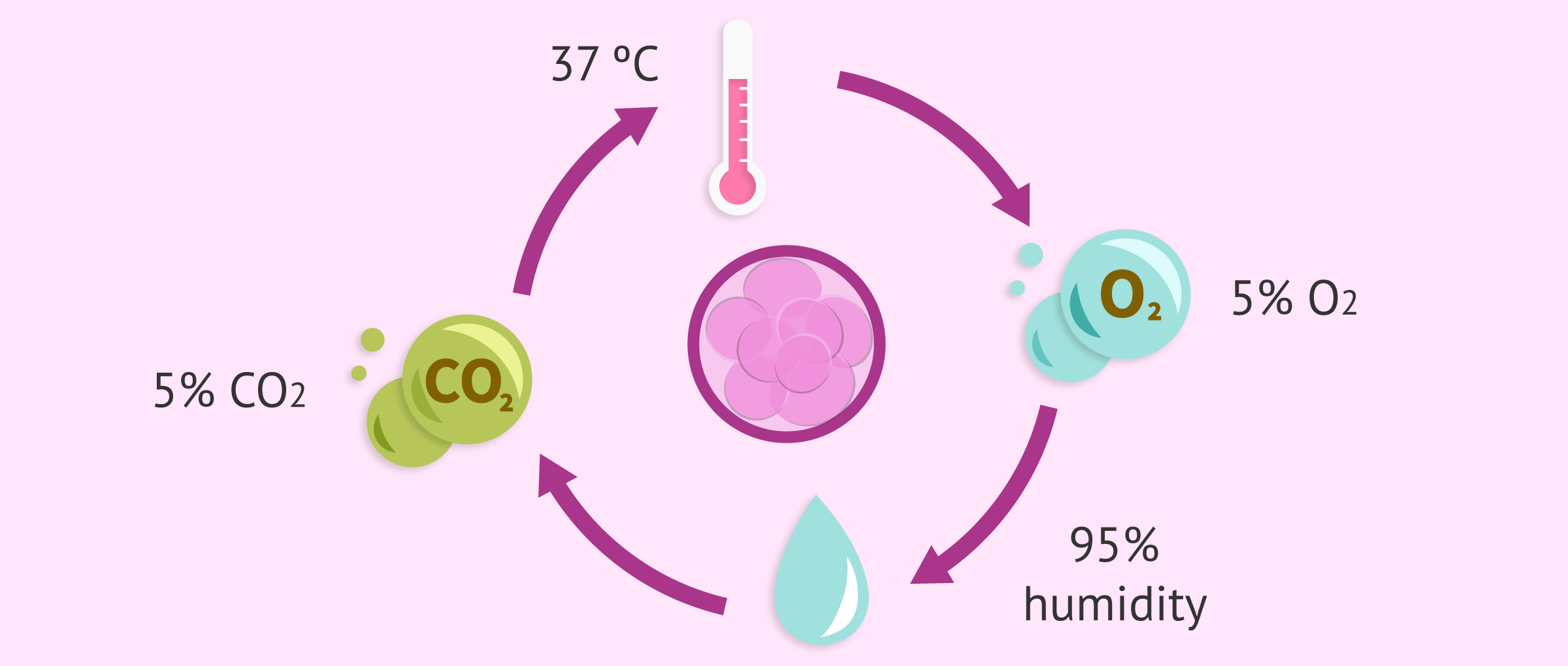
Embryo culture in the in vitro fertilization laboratory (IVF)
Egg and embryo culture is an essential phase of in vitro fertilization (IVF) treatments. It can be performed in short or long culture. Read more
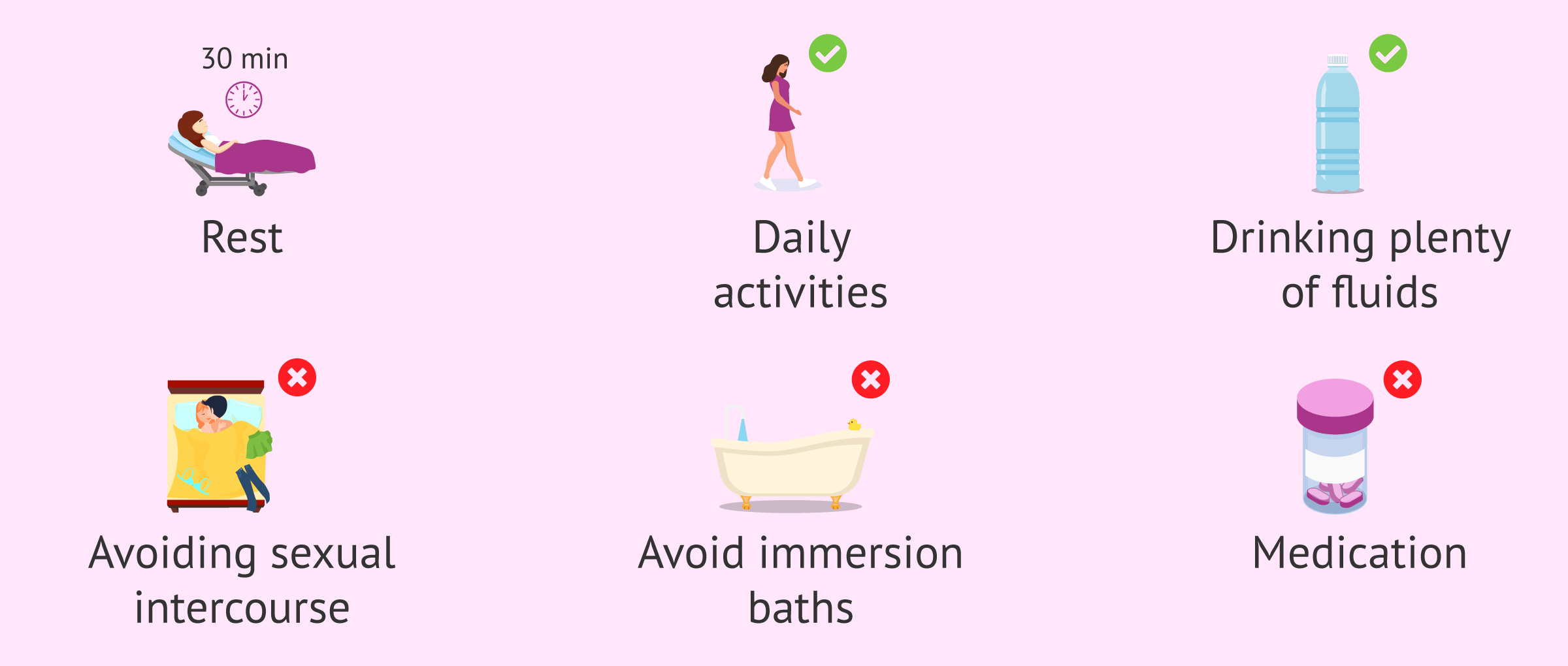
What to do after embryo transfer? - Recommendations
When the embryo transfer to the mother's uterus takes place, a period of time known as beta waiting begins. There are many doubts, fears, questions about what to do and what not to do. However, life after embryo transfer is completely normal, there is no need to obsess. Read more
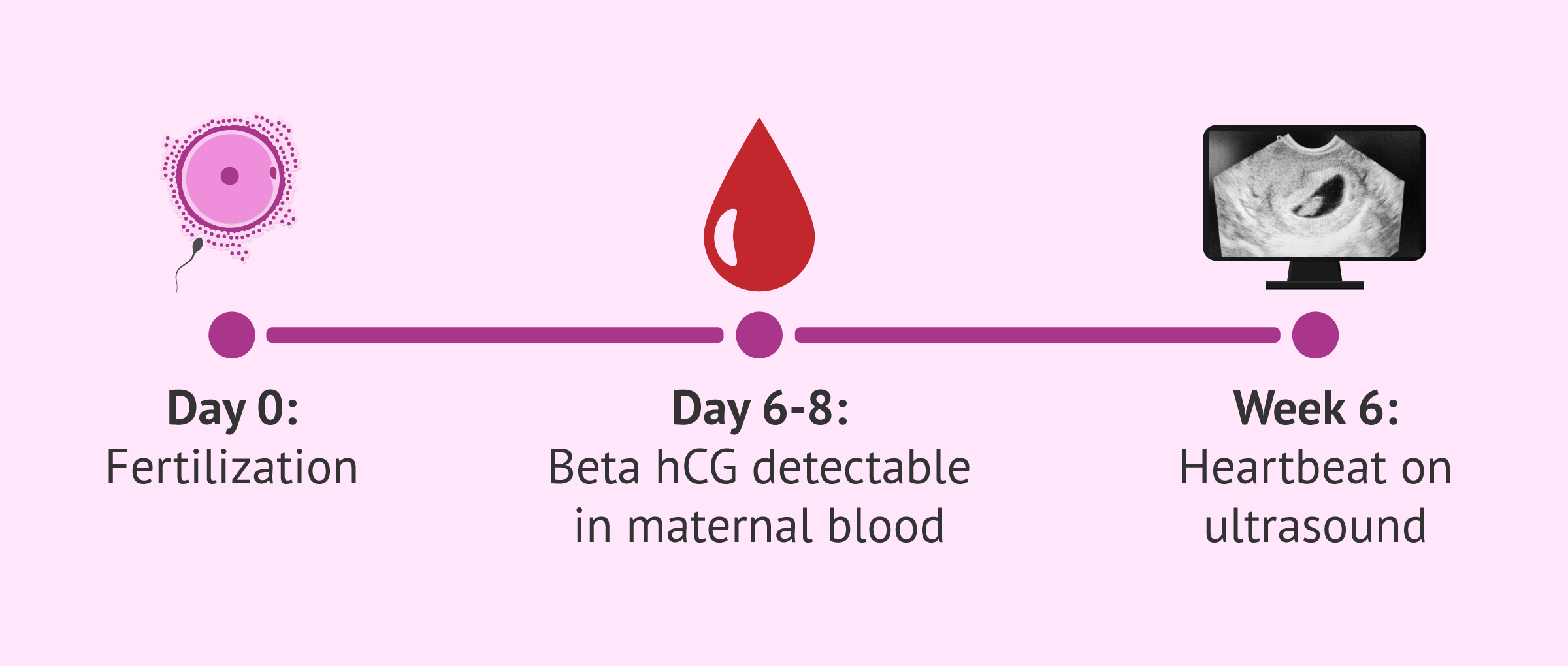
The incredible beta hCG data that defines pregnancy success
A new study establishes that specific early beta hCG hormone figures (such as its doubling in 48 hours) can predict with over 85% accuracy the birth of a baby after in vitro fertilization, providing greater peace of mind compared to traditional ultrasounds. Read more
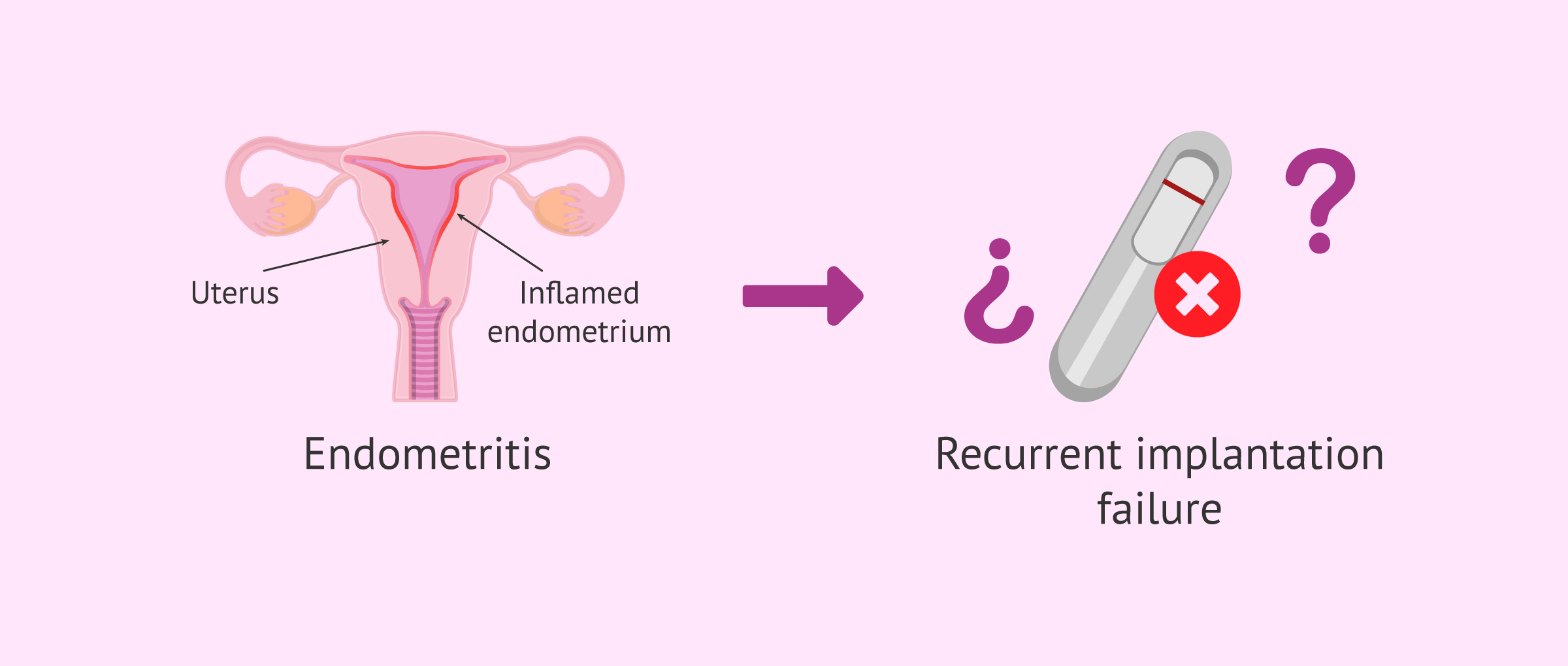
Chronic endometritis: the great truth in implantation failure
Recent research shows that true implantation failure is rare and that chronic endometritis does not have as much influence as previously thought. We analyze why the current diagnosis is a challenge and the risks of abusing antibiotics without confirmation in fertility treatments. Read more
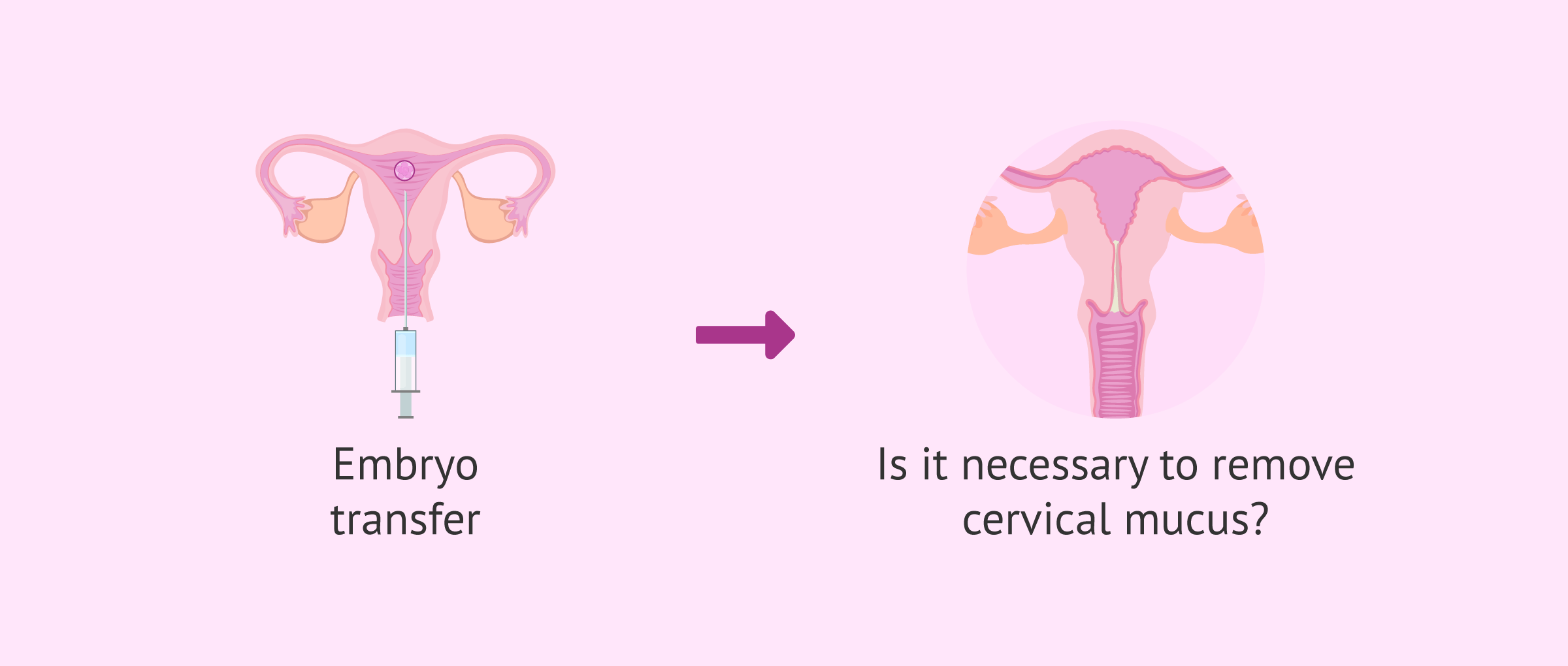
Clearing cervical mucus in IVF: Why this medical step is unnecessary
A recent randomized clinical trial evaluates whether the removal of cervical mucus prior to embryo transfer in ICSI cycles truly impacts gestational success. The results question routine protocols and open the debate on their real necessity in fertility treatments.
Read more
Implantation failure: emotional impact and receptivity test
Researchers are examining how recurrent implantation failures increase anxiety and depression. They confirm that the use of the endometrial receptivity test significantly improves clinical pregnancy rates compared to standard treatments. Read more

What are some of the main advantages of in vitro fertilization?
IVF allows pregnancy in patients with severe infertility problems. Among its many advantages are the success rates, the possibility of vitrification and the application of other complementary techniques. Read more
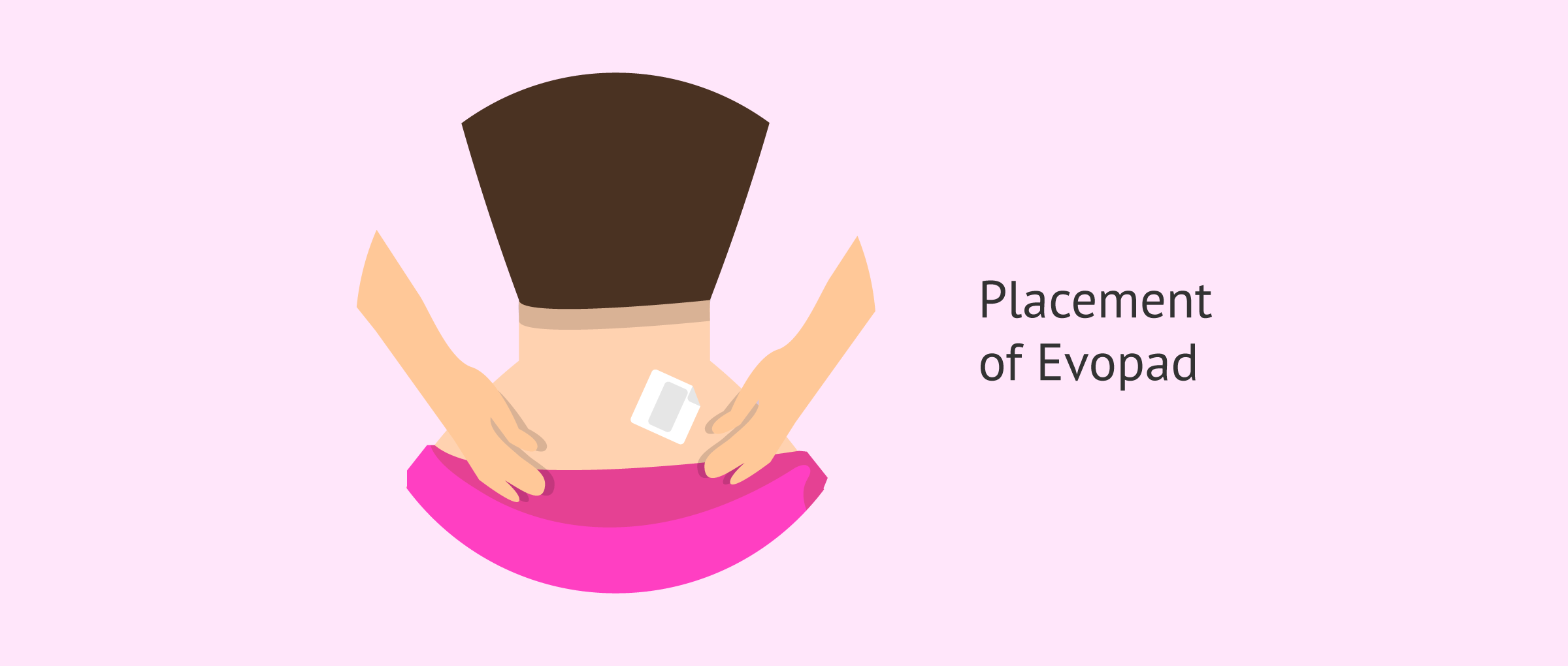
What Is the Role of Estradiol Patches in IVF?
Evopad estrogen patches are used for endometrial preparation before embryo transfer. Another use of Evopad patches is to reduce or relieve symptoms that may appear in women who reach menopause. Read more
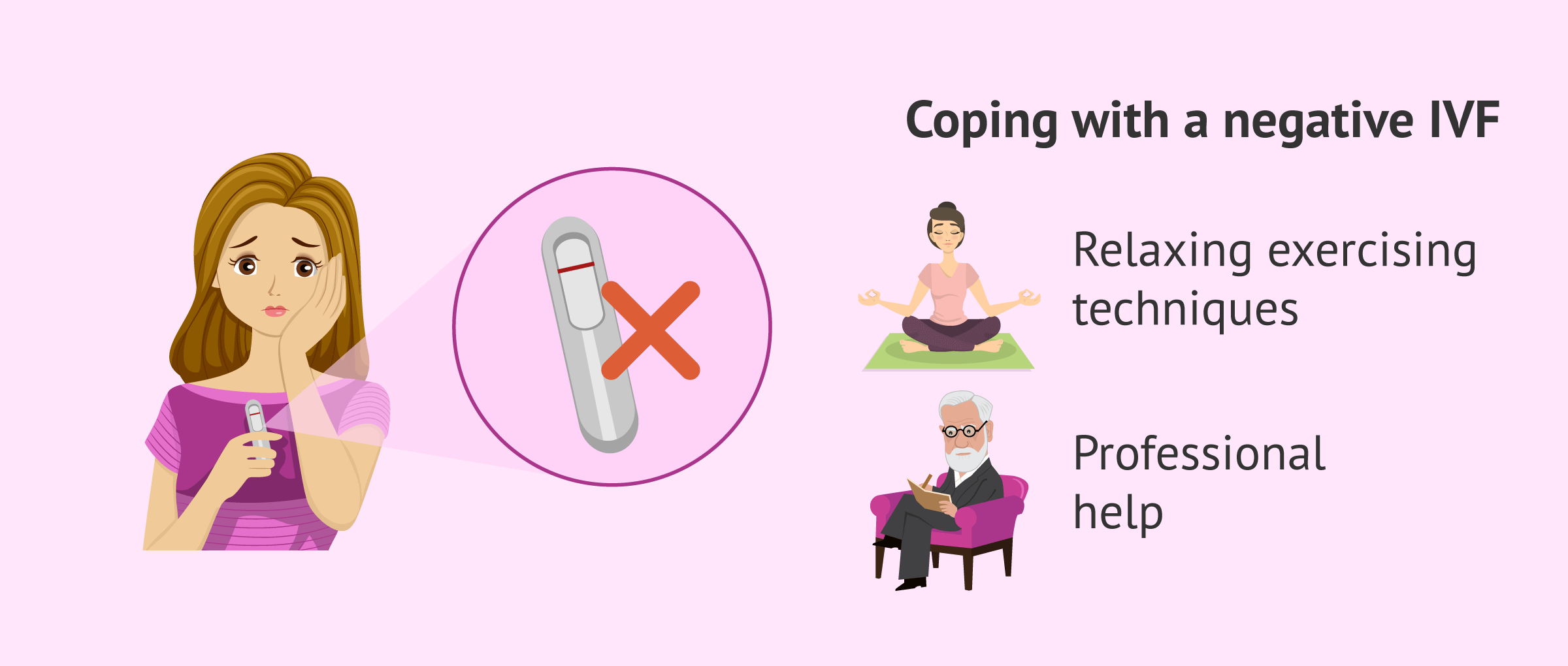
IVF Failure - Staying Positive & Options for Success
What to do if you have not become pregnant after in vitro fertilisation (IVF)? It can be a very difficult situation. Therefore, you have to be mentally prepared to cope with any outcome you get after a pregnancy test. Read more
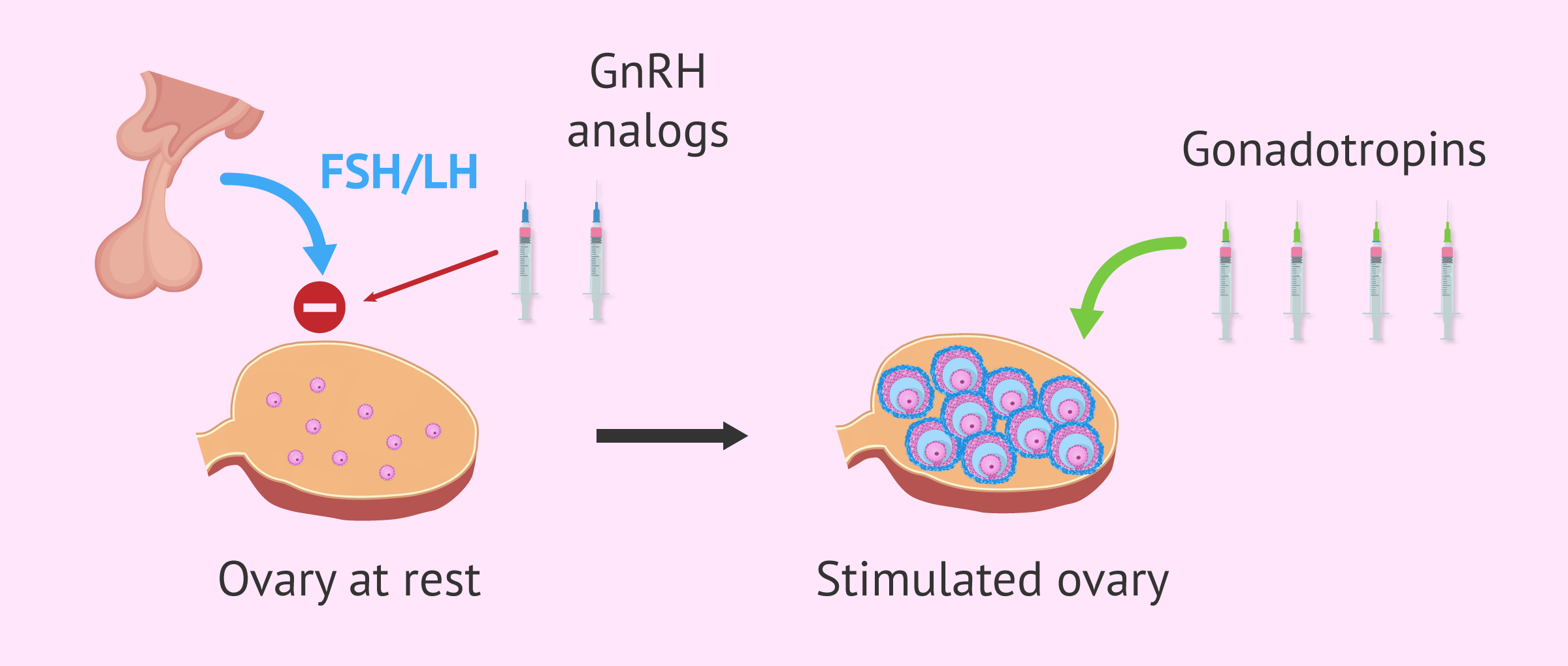
Ovarian stimulation protocols - process, medications and symptoms
Controlled ovarian stimulation is a phase of IVF or IUI treatment whose objective is to achieve an adequate number of eggs and thus increase the chances of pregnancy. For this purpose, it is necessary for the patient to be administered hormonal medication at a dose and for a duration determined by the specialist. Read more
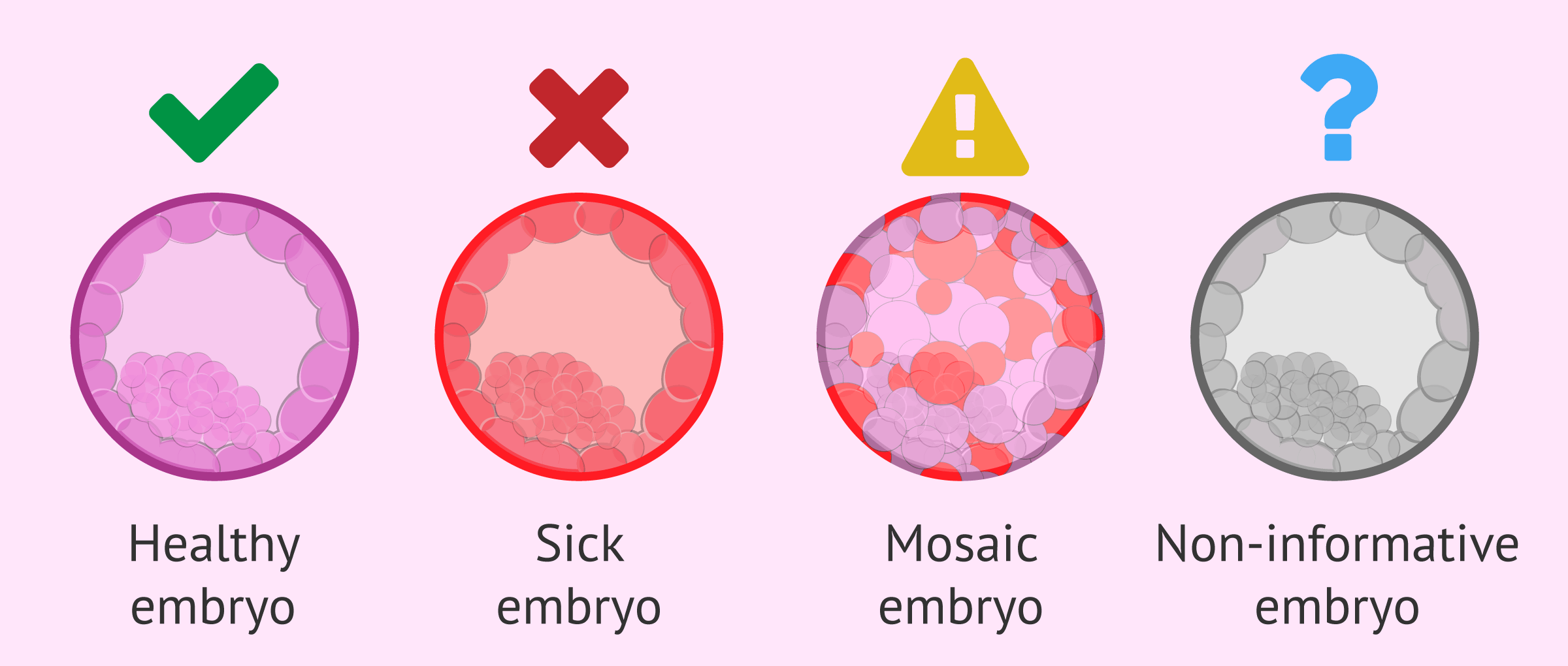
Understanding the Results of Preimplantation Genetic Diagnosis
The probability of obtaining a positive pregnancy test after an embryo transfer is higher when the embryos have been genetically analyzed with PGT. According to the latest SEF data from 2022, the pregnancy rate per transfer in IVF cycles with PGT was 52.0%. Read more
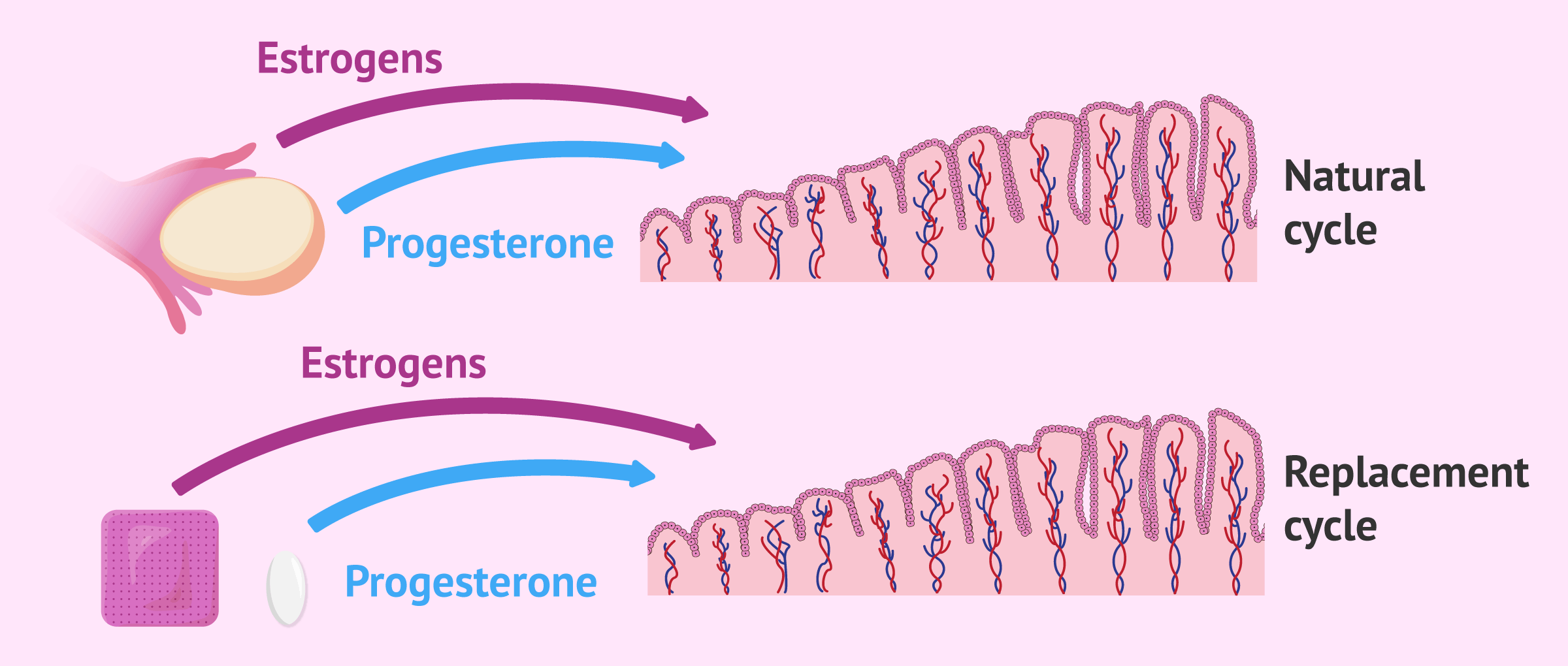
Embryo Transfer in Natural Cycles: Advantages & Disadvantages
The transfer of frozen embryos in a natural cycle consists of taking advantage of the endogenous hormone production by the ovary and the natural growth of the endometrium to carry out the transfer at the most ideal moment. Read more

